
Welcome : The Diaspora Global Initiative
Responsive Header
  • Where We Work
  • Cameroon
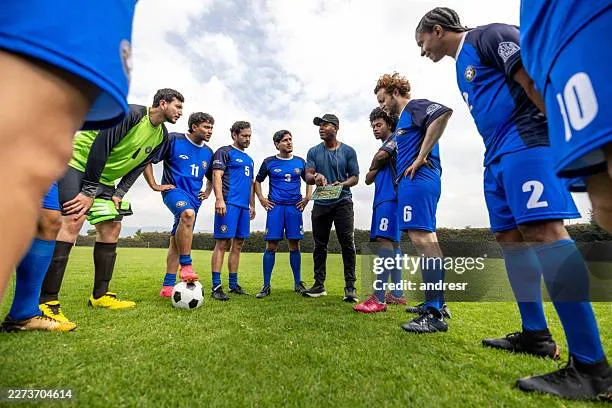
  • The Diaspora World Cup operates in some of the major cities and metro areas in United States and Canada. Our network of register players includes 20 cities, 200 countries, 400 teams, and 10,000 players. Join our movement to solve the world's most pressing challenges: Illiteracy
  • Who We are text will be here Who We are text will be here Who We are text will be here Who We are text will be here Who We are text will be here Who We are text will be here Who We are text will be here Who We are text will be here Who We are text will be here
  • What We Do text will be here What We Do text will be here What We Do text will be here What We Do text will be here What We Do text will be here What We Do text will be here What We Do text will be here What We Do text will be here What We Do text will be here What We Do text will be here What We Do text will be here What We Do text will be here
  • Get Involved text will be here Get Involved text will be here Get Involved text will be here Get Involved text will be here Get Involved text will be here Get Involved text will be here Get Involved text will be here Get Involved text will be here Get Involved text will be here Get Involved text will be here
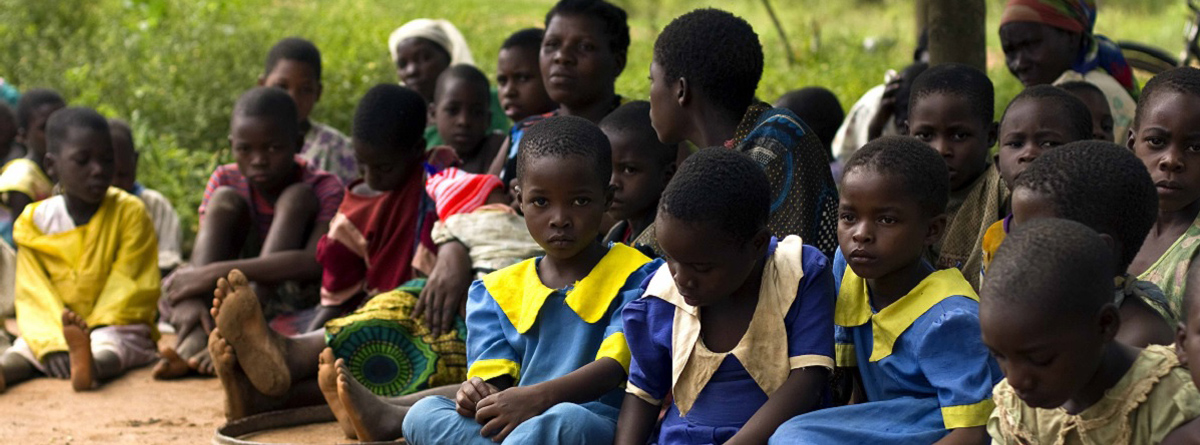
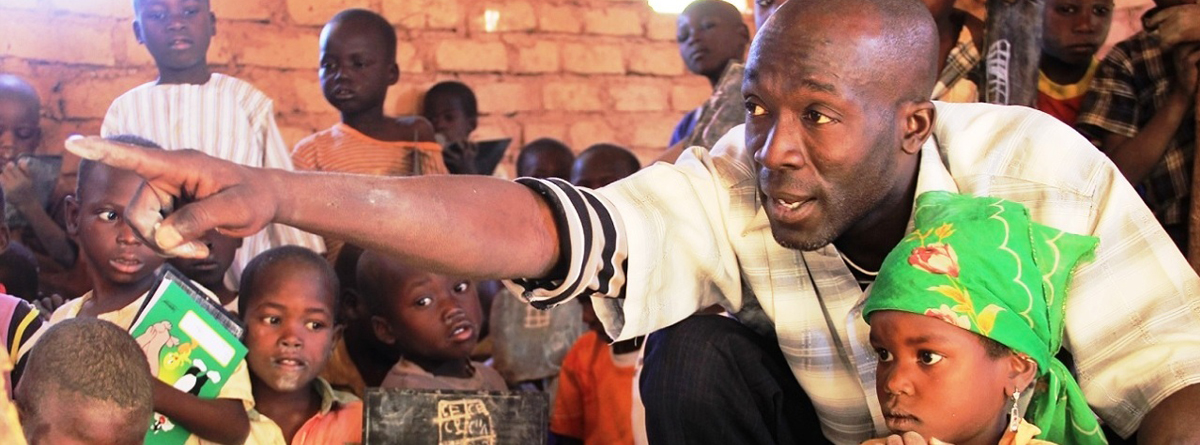
  • Education is a basic Human Right and the Diaspora World Cup global school program focuses its energy in some the poorest countries around the world. We build schools in some of the poorest countries around the worldthat historically had no adequate school structure. Any member of the World Diaspora has the power to end illiteracy around the world through the power of soccer.
  • High-profile sport figures, global leaders, business leaders, political figure, journalists, activists, philanthropists, actors, and entrepreneurs united by their commitment to the Diaspora World Cup mission to eradicate illiteracy around the world through the power of soccer. They serve as role models and spread the Diaspora World Cup vision and commitment of a world mobilized through soccer.
  •  
  •  

The Rise and Rise of Coach Z. Lewis of Liberia

Wed 21 May 2014 00:00 GMT

The Rise and Rise of Coach Z. Lewis of Liberia

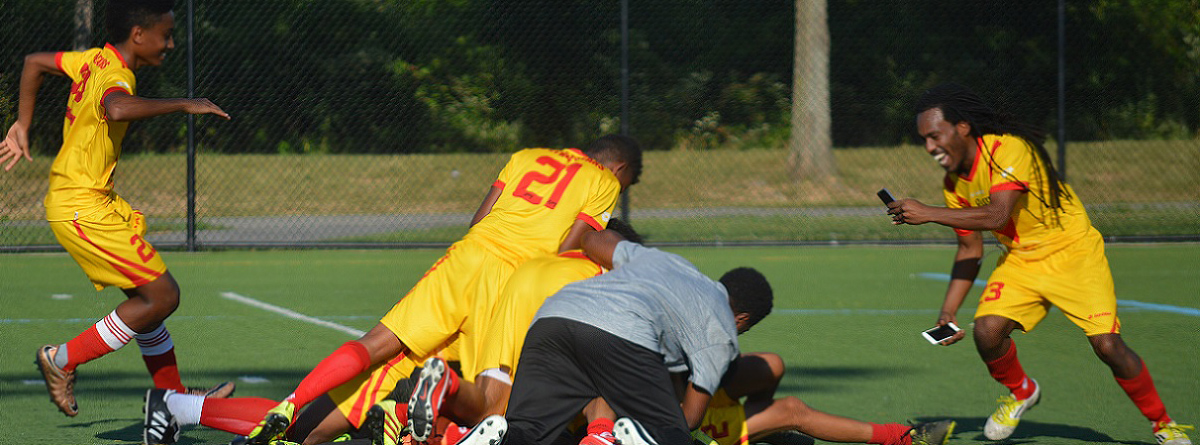
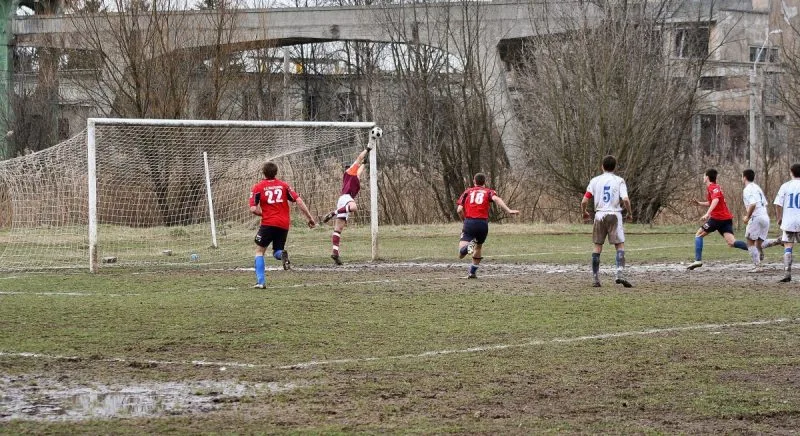
Liberia Head Coach Z. Lewis in action during the game against Sierra Leone at the Heurich Stadium. 


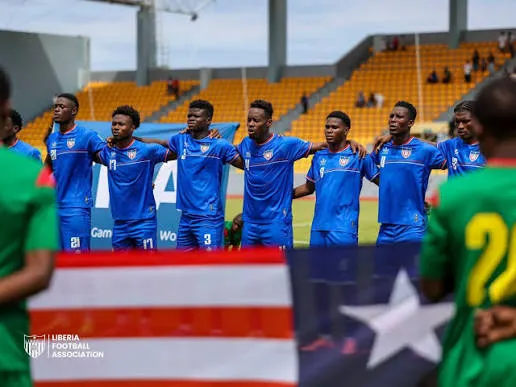
When Mr. Z. Lewis took over three years ago as Head Coach of Liberia, the Debamu team was sitting at the bottom of all teams in the Diaspora World Cup league table.  Liberia Football Club's performances and results so far have provoked an incredible amount of discussion around the Washington DC area and for some if the momentum continues, his side could lift the trophy. 

"It's been remarkable," Lewis said during a chat with our media team. "I think if you look at the stats and everything else, it's just wonderful. The biggest stat is that we're at the bottom of the chart when we started our journey three years ago, and we finished 1st in just three games for this season.  We've overachieved as a football team massively, and that's been great credit to everybody on the pitch as well as the Diaspora community of Liberia who come in big numbers to show their support."

If you are constantly coming to the Diaspora World Cup games, you may have heard footballing rumors and stories, you may have come across some detailing that the Diaspora World Cup committee is considering making a move to choose Mr. Lewis as one of the nominees of the “Coach of the Year” award. That may well be nothing more than a rumor, but it indicates just how highly Z. Lewis is regarded. 

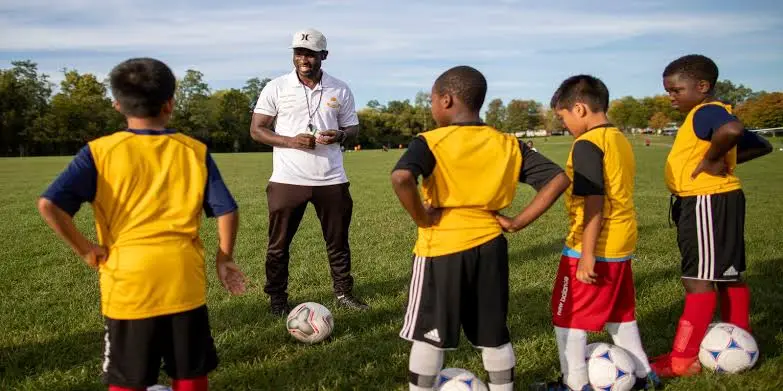
Coaching requires more than technical knowledge of the game. A coach must bring players together, establish discipline and create an environment where individuals can work toward a common objective.


For a Liberian community team, that responsibility can also carry a cultural dimension. Football creates a space where Liberians from different backgrounds and generations can meet, compete and maintain a connection with their heritage.

The development of a coach is closely connected to the development of the players around him. Training sessions, matches and community football events give coaches opportunities to encourage players and help establish a stronger team identity.


For diaspora football communities, this kind of leadership can have a lasting effect. A committed coach can help create opportunities for players who might otherwise have limited access to organized football while encouraging younger participants to remain involved in the sport.

The story of Coach Z. Lewis reflects the wider role football can play in bringing national communities together outside their country of origin. Liberian football supporters and players can use the sport as a way to celebrate their identity while building relationships within the wider diaspora.


The continued involvement of coaches and community organizers helps keep these football networks active. Through training, competition and community participation, figures such as Lewis can become part of the effort to strengthen Liberia's football presence within diaspora communities.