
Welcome : The Diaspora Global Initiative
Responsive Header
  • Where We Work
  • Cameroon
  • The Diaspora World Cup operates in some of the major cities and metro areas in United States and Canada. Our network of register players includes 20 cities, 200 countries, 400 teams, and 10,000 players. Join our movement to solve the world's most pressing challenges: Illiteracy
  • Who We are text will be here Who We are text will be here Who We are text will be here Who We are text will be here Who We are text will be here Who We are text will be here Who We are text will be here Who We are text will be here Who We are text will be here
  • What We Do text will be here What We Do text will be here What We Do text will be here What We Do text will be here What We Do text will be here What We Do text will be here What We Do text will be here What We Do text will be here What We Do text will be here What We Do text will be here What We Do text will be here What We Do text will be here
  • Get Involved text will be here Get Involved text will be here Get Involved text will be here Get Involved text will be here Get Involved text will be here Get Involved text will be here Get Involved text will be here Get Involved text will be here Get Involved text will be here Get Involved text will be here
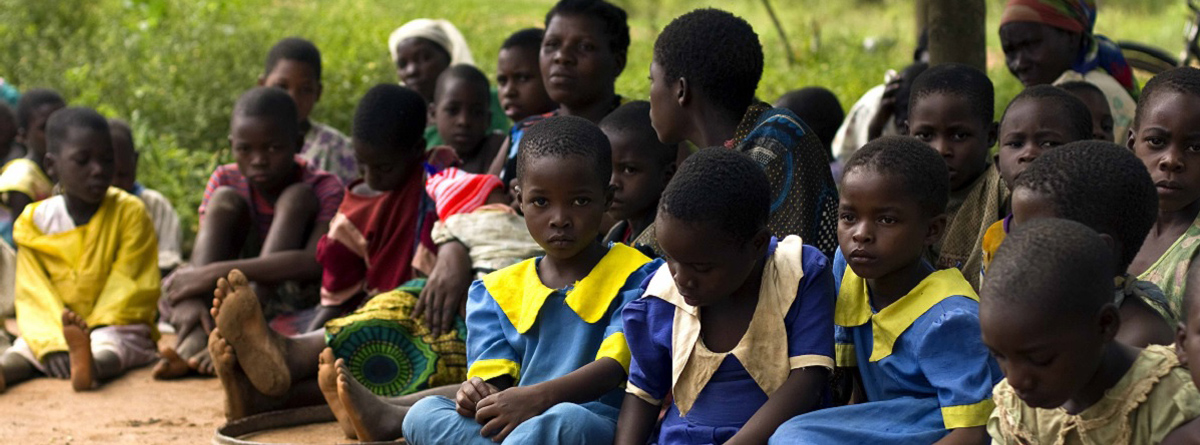
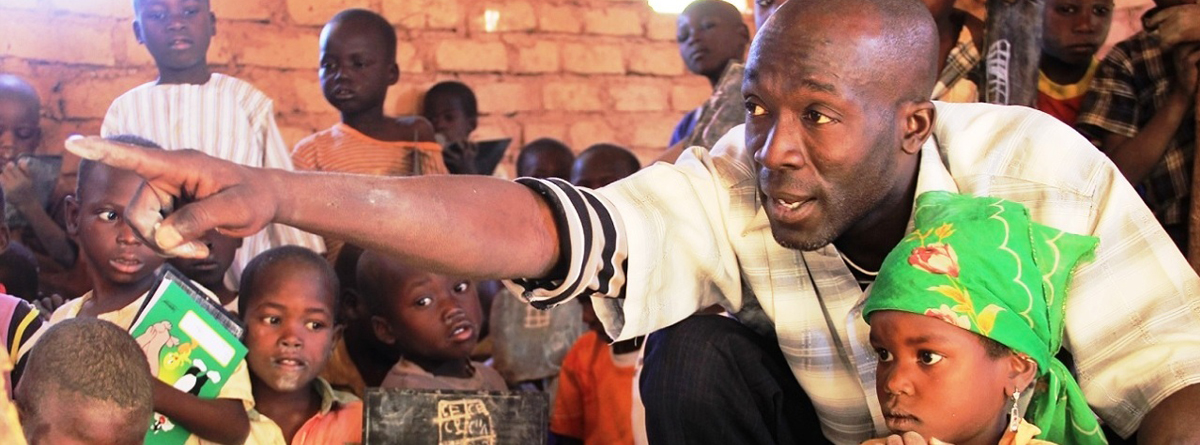
  • Education is a basic Human Right and the Diaspora World Cup global school program focuses its energy in some the poorest countries around the world. We build schools in some of the poorest countries around the worldthat historically had no adequate school structure. Any member of the World Diaspora has the power to end illiteracy around the world through the power of soccer.
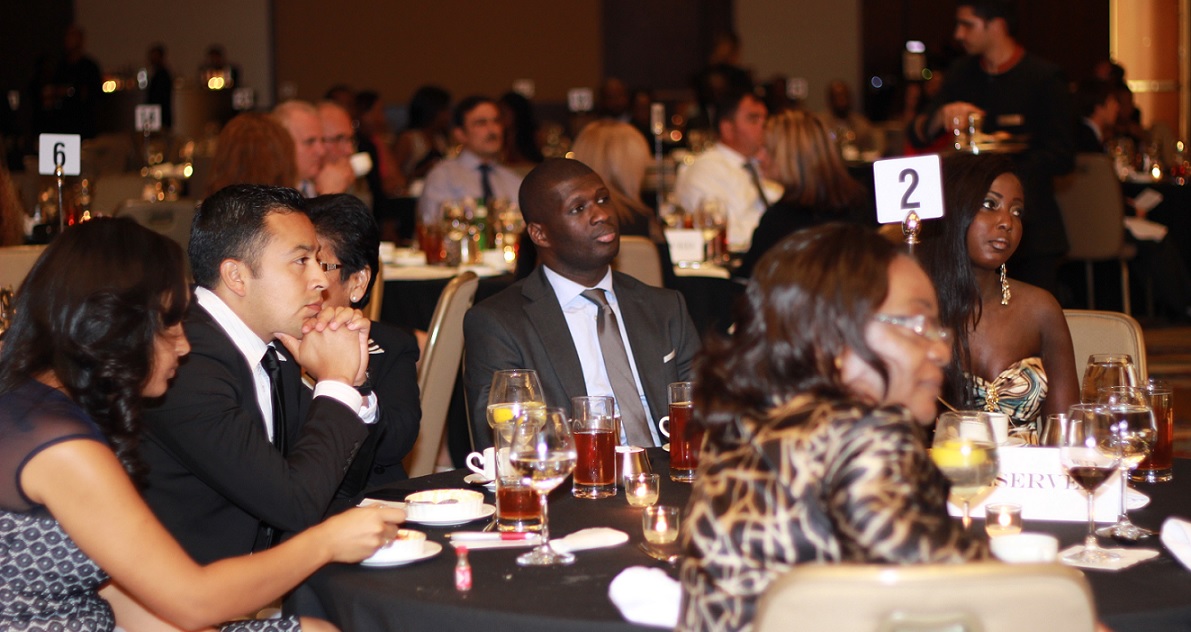
  • High-profile sport figures, global leaders, business leaders, political figure, journalists, activists, philanthropists, actors, and entrepreneurs united by their commitment to the Diaspora World Cup mission to eradicate illiteracy around the world through the power of soccer. They serve as role models and spread the Diaspora World Cup vision and commitment of a world mobilized through soccer.
  •  
  •  

Unbelievable: Swaziland defeated Brazil 2-1

Tue 20 May 2014 00:00 GMT

Unbelievable: Swaziland defeated Brazil 2-1

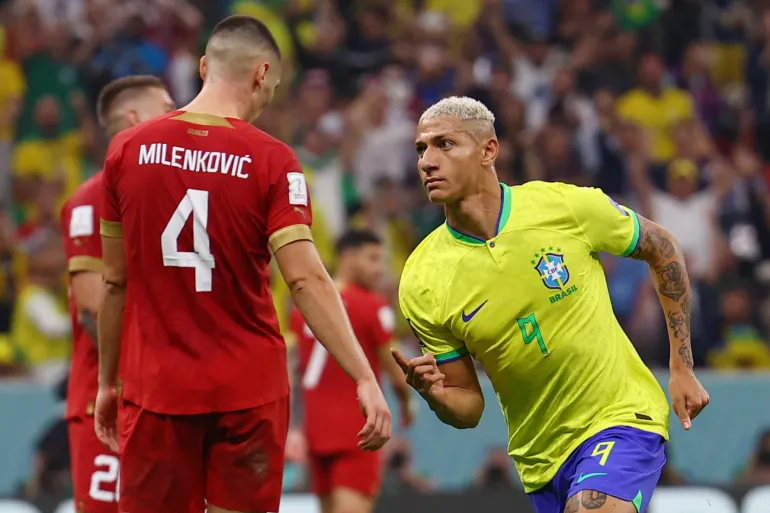
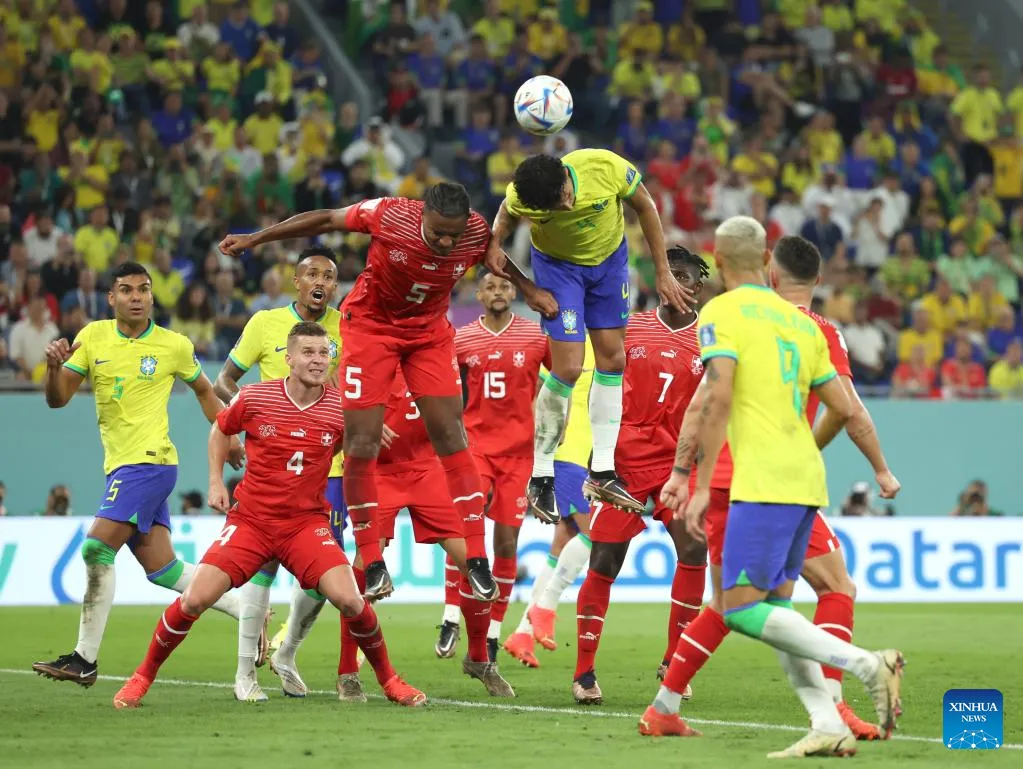
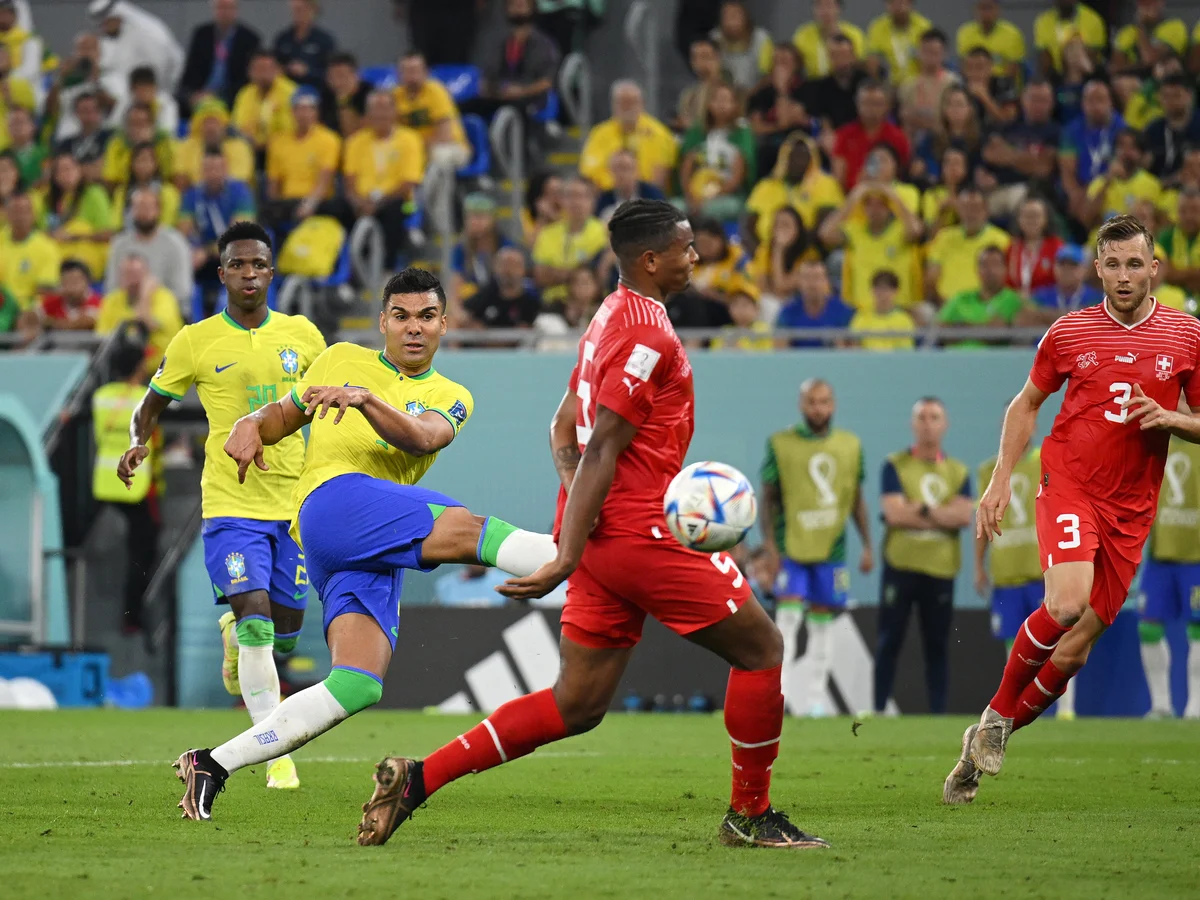
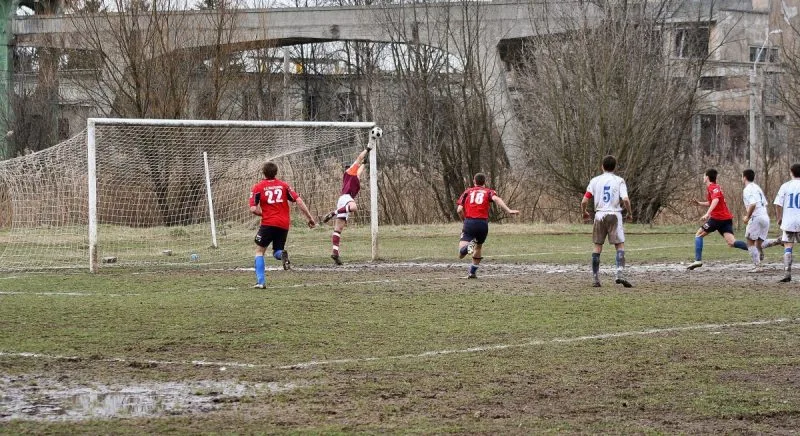
Swazi defender Boli in action while Brazilian Striker Tom Noonam closes in.


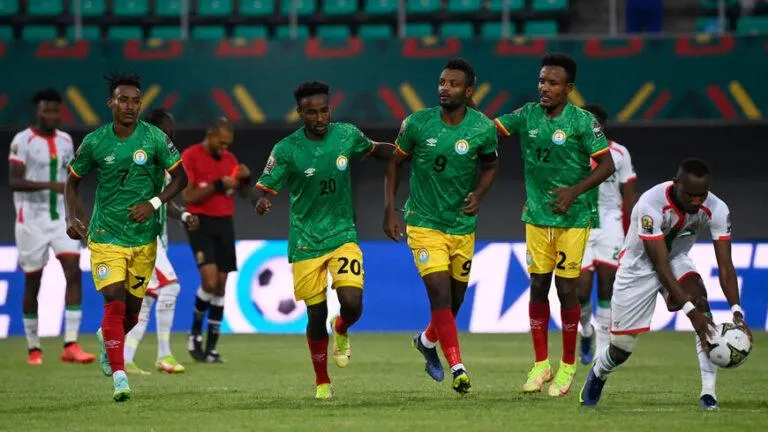
Swaziland carried out coach Nasco’s game plan to perfection and routed favorite team Brazil2-1 on Sunday to reach the fifth place from the bottom of group B.The defeat was a humiliation for Brazil, and the result will increase the pressure on Head Coach Jacob Roames amid the growing feeling that, despite having some of the best players on his side including Daniel Ankrah and Levi Houapeu, he has not delivered the progress and Diaspora World Cup trophy the Big Fans were expecting. 

How did it happen?  Swaziland defender Boli had already gone close with a long-range effort after Brazilian goalkeeper Edgar Lopez weak punch.  A well done corner from the right located the unmarked striker, who powered a header past Mr. Lopez.  Shortly afterwards, Swaziland doubled their lead via a near-identical goal as Mo Kappo’s free-kick was flicked on by Etienne, and Roger  was once again on hand to head in.The Big Fans of the Brazilian team were stunned into silence when Swaziland added a secondgoal on the break. The only low for Swaziland occurred at 85th minutes when goalkeeper Georges Peg conceded a goal in an otherwise perfect game. 

A 2–1 victory means Swaziland managed to overcome Brazil in a closely contested match. While the available records do not provide independently verified details about the individual goals or the exact sequence of the match, the headline itself identifies the final result as a Swaziland victory.


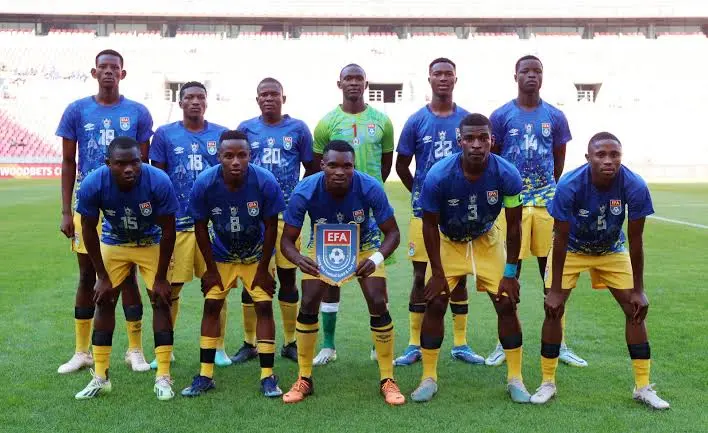
The Swaziland team has had a number of players associated with the Diaspora World Cup. Tournament records list Brice Diagong as a goalkeeper and describe him as a player known for his reflexes, decision-making and ability to organize the defense. Other Swaziland players listed in the tournament records include Billy Zanga, Carlos Zolano and Berthiny Ball.

The Diaspora World Cup was designed to bring national communities together through soccer. According to the tournament's own information, its network has extended across major cities and metropolitan areas in the United States and Canada, connecting players and teams representing many different countries.


That environment creates opportunities for teams such as Swaziland to compete against communities representing countries with very different football traditions. The reported 2–1 victory over Brazil therefore stands out as an example of the unpredictable and competitive nature of community-based international football.

The reported victory over Brazil gave Swaziland a result that could be celebrated by players, families and supporters connected to the community. For diaspora teams, these matches provide an opportunity to carry their national identity onto the football field while building connections with other communities.


The significance of such a result goes beyond the final score. Football gives diaspora communities a shared activity through which different generations can participate, support their national team and maintain a connection with their cultural heritage.