
Welcome : The Diaspora Global Initiative
Responsive Header
  • Where We Work
  • Cameroon
  • The Diaspora World Cup operates in some of the major cities and metro areas in United States and Canada. Our network of register players includes 20 cities, 200 countries, 400 teams, and 10,000 players. Join our movement to solve the world's most pressing challenges: Illiteracy
  • Who We are text will be here Who We are text will be here Who We are text will be here Who We are text will be here Who We are text will be here Who We are text will be here Who We are text will be here Who We are text will be here Who We are text will be here
  • What We Do text will be here What We Do text will be here What We Do text will be here What We Do text will be here What We Do text will be here What We Do text will be here What We Do text will be here What We Do text will be here What We Do text will be here What We Do text will be here What We Do text will be here What We Do text will be here
  • Get Involved text will be here Get Involved text will be here Get Involved text will be here Get Involved text will be here Get Involved text will be here Get Involved text will be here Get Involved text will be here Get Involved text will be here Get Involved text will be here Get Involved text will be here
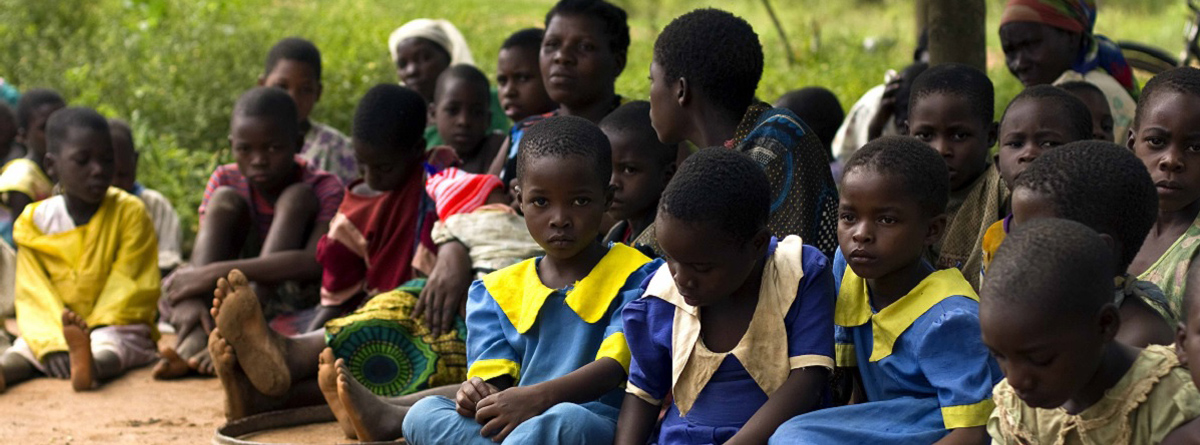
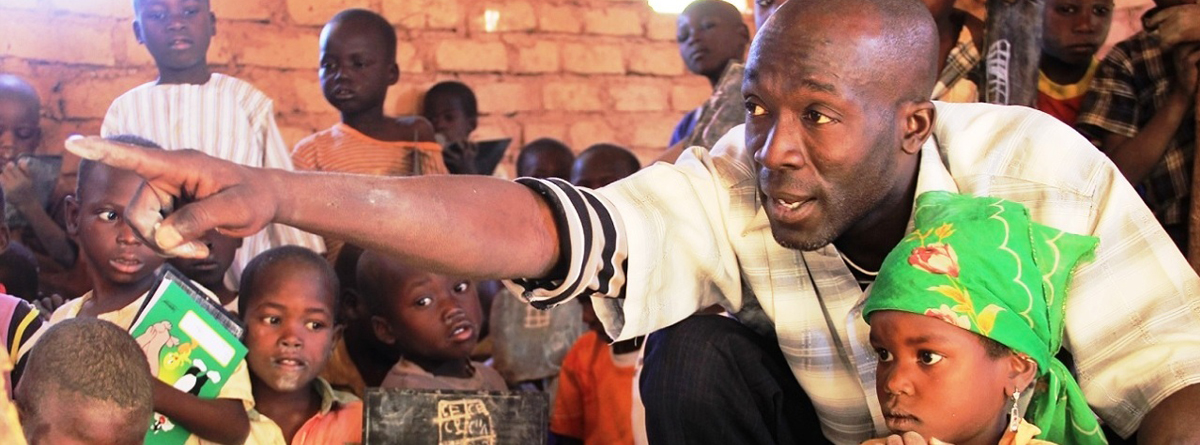
  • Education is a basic Human Right and the Diaspora World Cup global school program focuses its energy in some the poorest countries around the world. We build schools in some of the poorest countries around the worldthat historically had no adequate school structure. Any member of the World Diaspora has the power to end illiteracy around the world through the power of soccer.
  • High-profile sport figures, global leaders, business leaders, political figure, journalists, activists, philanthropists, actors, and entrepreneurs united by their commitment to the Diaspora World Cup mission to eradicate illiteracy around the world through the power of soccer. They serve as role models and spread the Diaspora World Cup vision and commitment of a world mobilized through soccer.
  •  
  •  

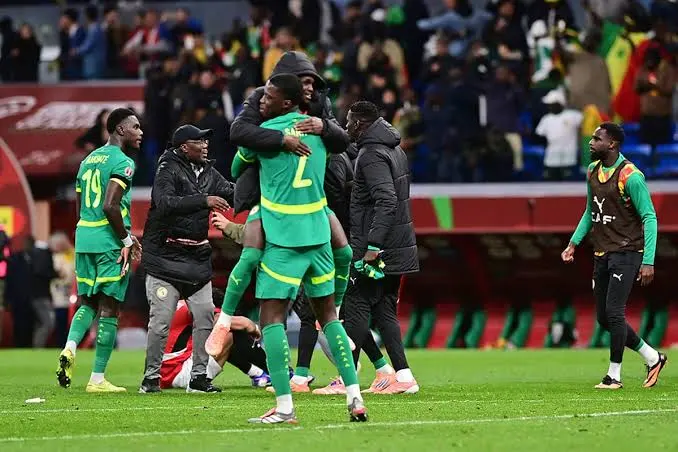
A surprisingly good start for Senegal

Mon 28 Apr 2014 00:00 GMT

A surprisingly good start for Senegal

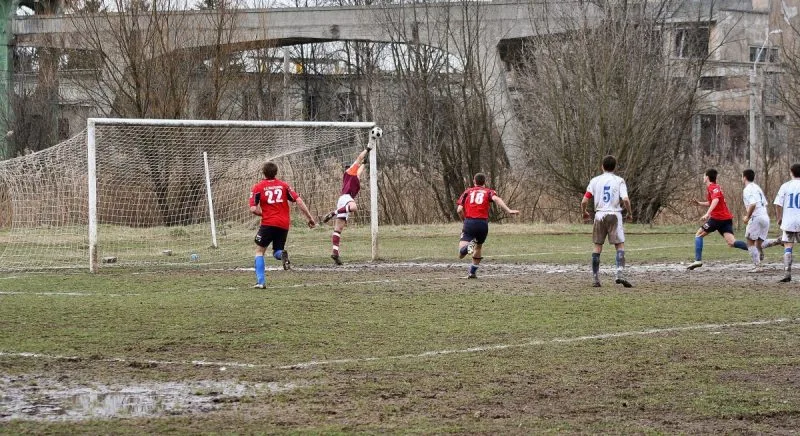
Ghanaian defender (white shirt) is closed down by a Senegalese Player at the Heurich Stadium.


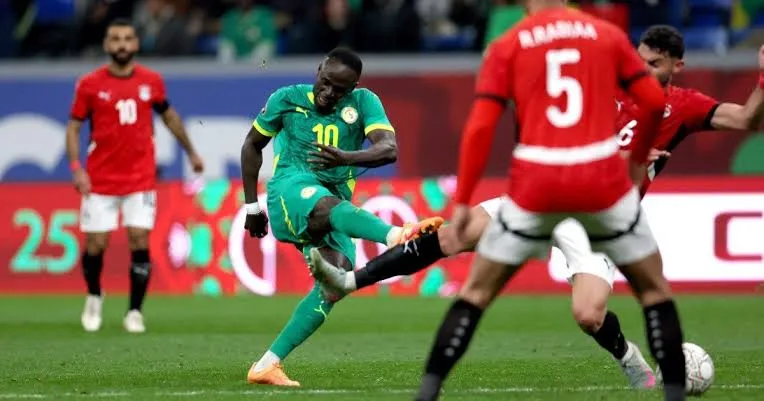
A different Senegalese team lineup stepped on the field of the Heurich stadium to face the G National team of Ghana. The first ten minutes featured little more than back-and-forth flow between the two teams, with no quality chances for either side. The perfect weather conditions proved a good factor, as low winds and sunny sky kept the ball rolling on the turf pitch throughout the afternoon. The first corner kick of the match didn’t come until the 20th -minute mark, as each squad struggled to pressure offensively.

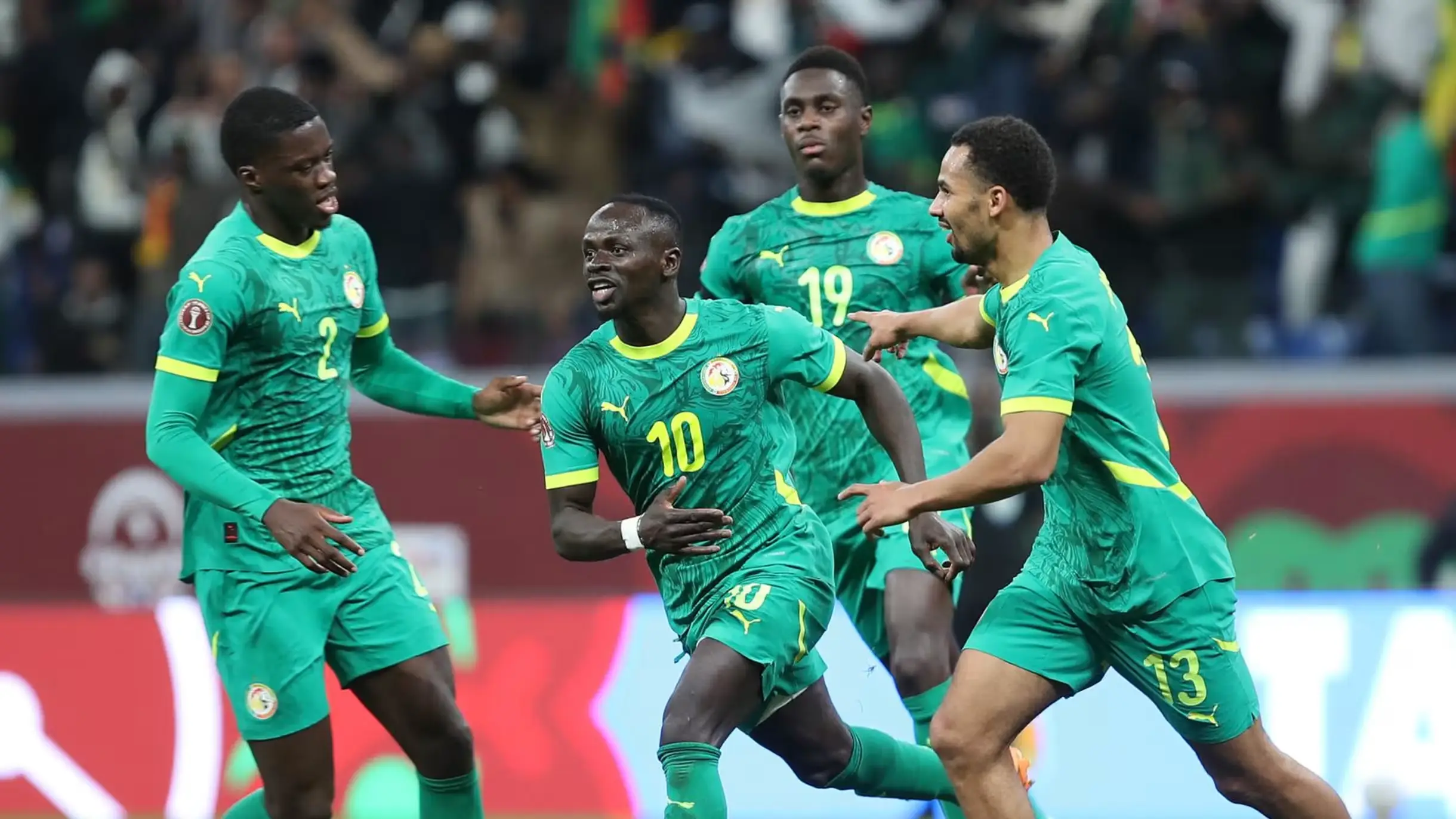
What was so surprising was not the draw against the favorite Ghanaian team per say, but, the quality of football and the major improvement from the Diaspora team of Senegal.  Coach Mody has clearly leaned from his past mistakes and made changes.  One could see a better organize team on the pitch with midfielders possessing the ball better in the attacking third and created several scoring opportunities, including an earned penalty kick in the minutes before the first end of the first half, which was converted after Ghanaian goalkeeper  guessed the wrong way, adding his team-leading first goal of the season.

The Senegalese team faced a demanding group-stage environment, with several established football communities competing for qualification. Being placed alongside defending champions England and other teams such as Trinidad & Tobago, Sierra Leone and South Africa meant that every performance could have an important impact on the race for the next stage.


Senegal was not simply represented by a team name. The Diaspora World Cup's player records include Senegalese footballers, including goalkeeper Boubacar Jobe and player Camille Bassene, demonstrating the participation of Senegalese players within the tournament's wider football network.

The 2014 Diaspora World Cup featured a significant African presence. Senegal competed alongside Sierra Leone, Liberia, Ghana, South Africa and Tanzania, creating several opportunities for African communities to meet through organized football competition.


For Senegal, being part of such a competitive group created an opportunity to establish its identity on the tournament stage. The team's early performances attracted attention because the group contained several teams capable of challenging for qualification.

A good opening to a tournament can provide a team with confidence and momentum. Senegal's early presence in the competition gave its players and supporters an opportunity to look ahead to the remaining group matches and continue competing for one of the available qualification places.


The wider significance of Senegal's participation went beyond the results. The Diaspora World Cup brought together communities from different countries and created a setting where football could strengthen cultural connections. Senegal's involvement added another chapter to that international community football story.