
Welcome : The Diaspora Global Initiative
Responsive Header
  • Where We Work
  • Cameroon
  • The Diaspora World Cup operates in some of the major cities and metro areas in United States and Canada. Our network of register players includes 20 cities, 200 countries, 400 teams, and 10,000 players. Join our movement to solve the world's most pressing challenges: Illiteracy
  • Who We are text will be here Who We are text will be here Who We are text will be here Who We are text will be here Who We are text will be here Who We are text will be here Who We are text will be here Who We are text will be here Who We are text will be here
  • What We Do text will be here What We Do text will be here What We Do text will be here What We Do text will be here What We Do text will be here What We Do text will be here What We Do text will be here What We Do text will be here What We Do text will be here What We Do text will be here What We Do text will be here What We Do text will be here
  • Get Involved text will be here Get Involved text will be here Get Involved text will be here Get Involved text will be here Get Involved text will be here Get Involved text will be here Get Involved text will be here Get Involved text will be here Get Involved text will be here Get Involved text will be here
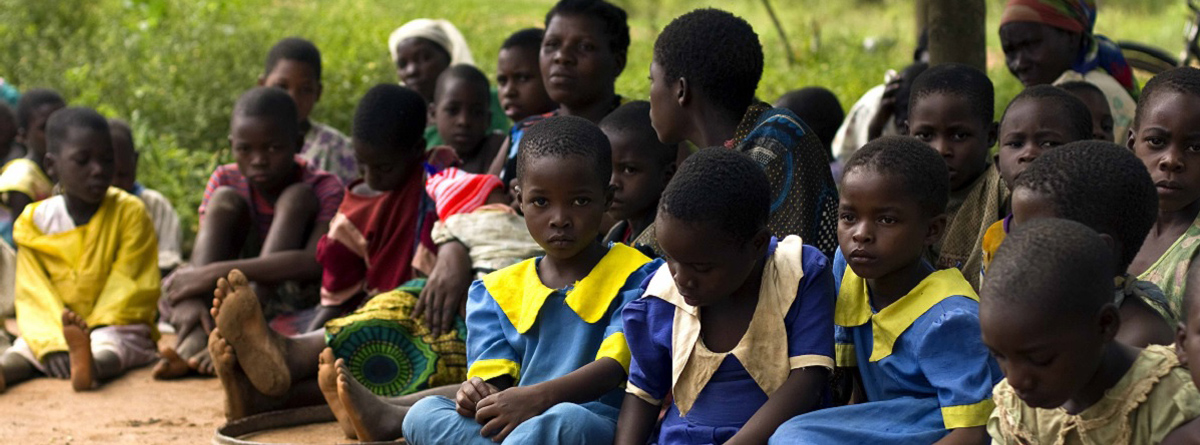
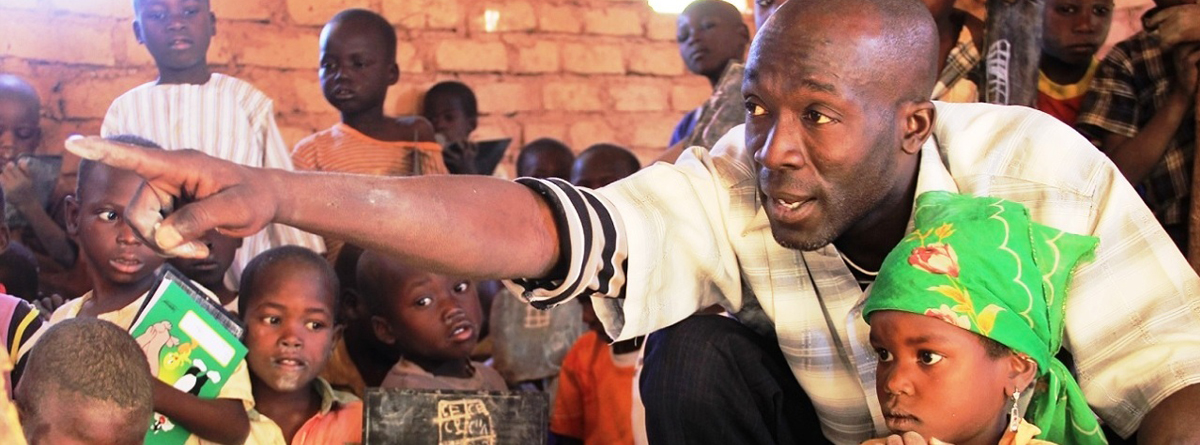
  • Education is a basic Human Right and the Diaspora World Cup global school program focuses its energy in some the poorest countries around the world. We build schools in some of the poorest countries around the worldthat historically had no adequate school structure. Any member of the World Diaspora has the power to end illiteracy around the world through the power of soccer.
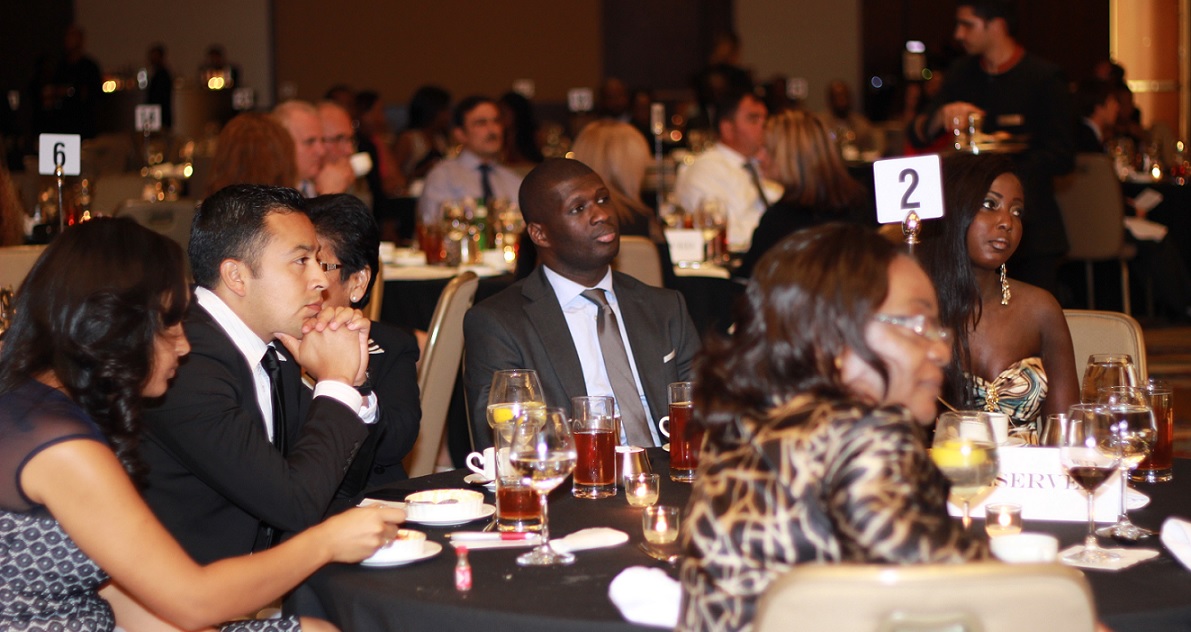
  • High-profile sport figures, global leaders, business leaders, political figure, journalists, activists, philanthropists, actors, and entrepreneurs united by their commitment to the Diaspora World Cup mission to eradicate illiteracy around the world through the power of soccer. They serve as role models and spread the Diaspora World Cup vision and commitment of a world mobilized through soccer.
  •  
  •  

South Africa disappointed and let its Big Fans down

Mon 28 Apr 2014 00:00 GMT

South Africa disappointed and let its Big Fans down

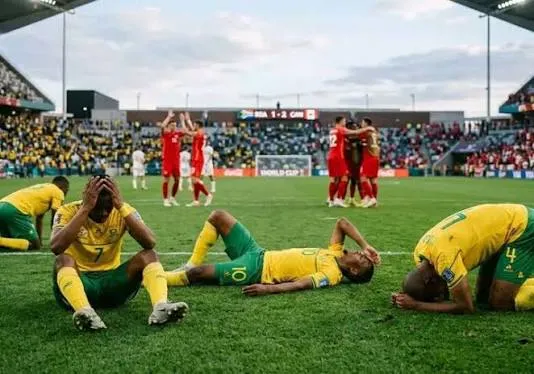
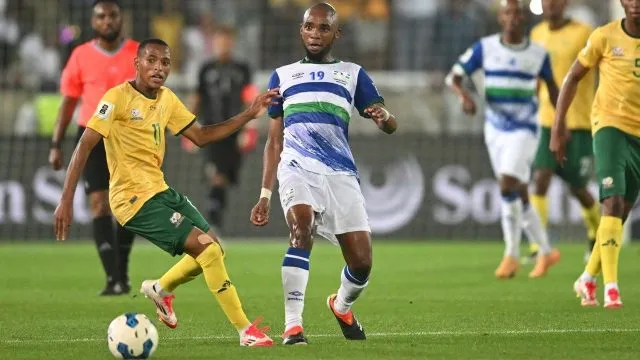
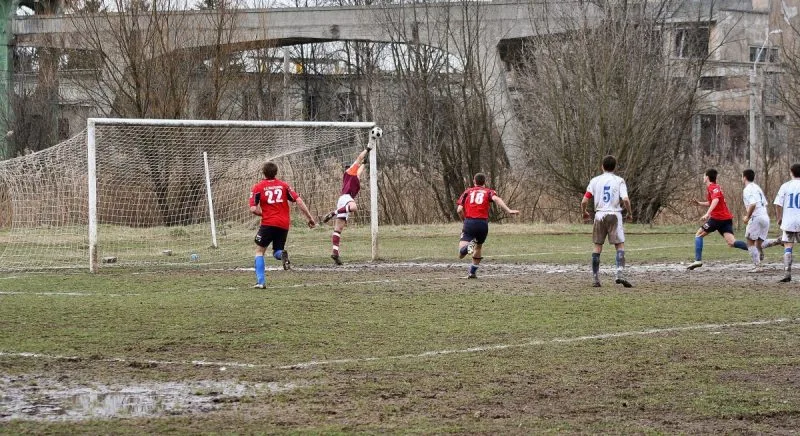
Big Fans of South Africa during the game at the Heurich Stadium


Expectations were high among the Germantown Football Club fans when South Africa set off for the 2014 Diaspora World Cup.  A knock down defeat against Liberia is jeopardizing their goal to bring the trophy back in Germantown.   Both players and coaches have made numerous claims and promised to their fans, and have been preparing with friendly games against rival teams like Cameroon at the Germantown SoccerPlex weeks before the Diaspora World Cup.

What added to the incredulity of this past Sunday's match was South Africa highly unusual disintegration and they seemed completely unable to show anything of its traditional spark.The interesting thing is that this South Africa team was beaten by a Liberia squad that passed under the average person radar.It’s important to remember that under the new rules, the Diaspora World Cup organizing committee will pick four teams out of ten from each group to go the knockout stage.  Although this rule will make the league extremely competitive, it will certainly be lethal to teams who accumulated losses at the beginning.  South Africa next game is against Senegal at the very same stadium.  Stay Tuned!!!!

By DWC News

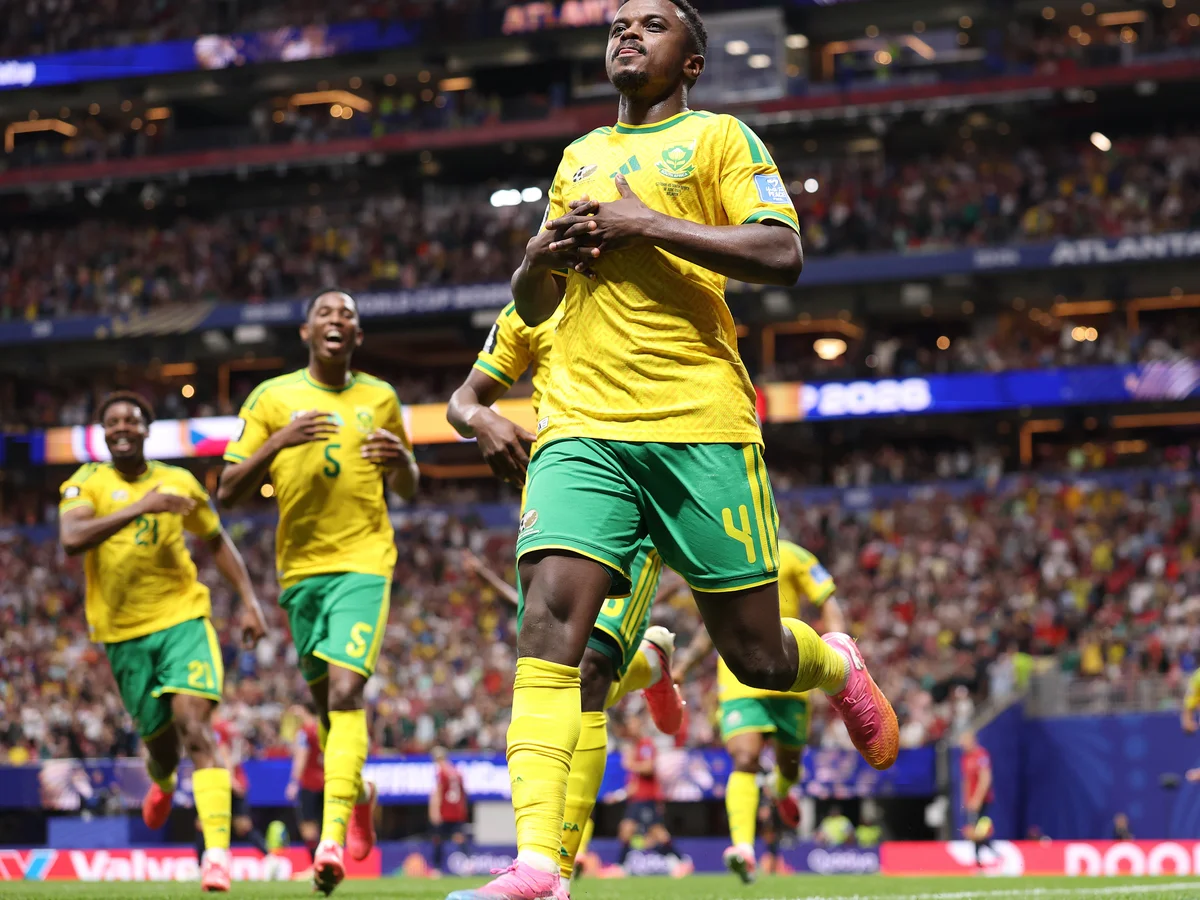
South African football communities brought enthusiasm and national pride to the Diaspora World Cup. Representing South Africa gave players an opportunity to compete under their national identity while giving supporters a team to follow and celebrate during the tournament.


The tournament was also designed around the broader idea of connecting diaspora communities through soccer. Teams from different countries competed against one another while players and supporters created new connections through the sport.

South Africa's group included several competitive teams with their own strong football communities. Sierra Leone, for example, had already recorded victories over Tanzania and defending champions England, while Trinidad & Tobago, Liberia and the other teams were also competing for the limited qualification places.


The strength of the group meant that South Africa could not afford to take its matches lightly. Every result affected the wider qualification picture, making the pressure on players and coaches particularly significant as the tournament progressed.

For South Africa's supporters, disappointment on the field could be difficult to accept after investing time and emotion in their national team. Diaspora football is closely connected to community pride, meaning results often carry significance beyond the players themselves.


Nevertheless, the tournament provided South Africa with an opportunity to continue building its football presence within the diaspora. The participation of South Africa alongside numerous other national communities demonstrated the ability of football to bring people together, even when results do not go as expected.