
Welcome : The Diaspora Global Initiative
Responsive Header
  • Where We Work
  • Cameroon
  • The Diaspora World Cup operates in some of the major cities and metro areas in United States and Canada. Our network of register players includes 20 cities, 200 countries, 400 teams, and 10,000 players. Join our movement to solve the world's most pressing challenges: Illiteracy
  • Who We are text will be here Who We are text will be here Who We are text will be here Who We are text will be here Who We are text will be here Who We are text will be here Who We are text will be here Who We are text will be here Who We are text will be here
  • What We Do text will be here What We Do text will be here What We Do text will be here What We Do text will be here What We Do text will be here What We Do text will be here What We Do text will be here What We Do text will be here What We Do text will be here What We Do text will be here What We Do text will be here What We Do text will be here
  • Get Involved text will be here Get Involved text will be here Get Involved text will be here Get Involved text will be here Get Involved text will be here Get Involved text will be here Get Involved text will be here Get Involved text will be here Get Involved text will be here Get Involved text will be here
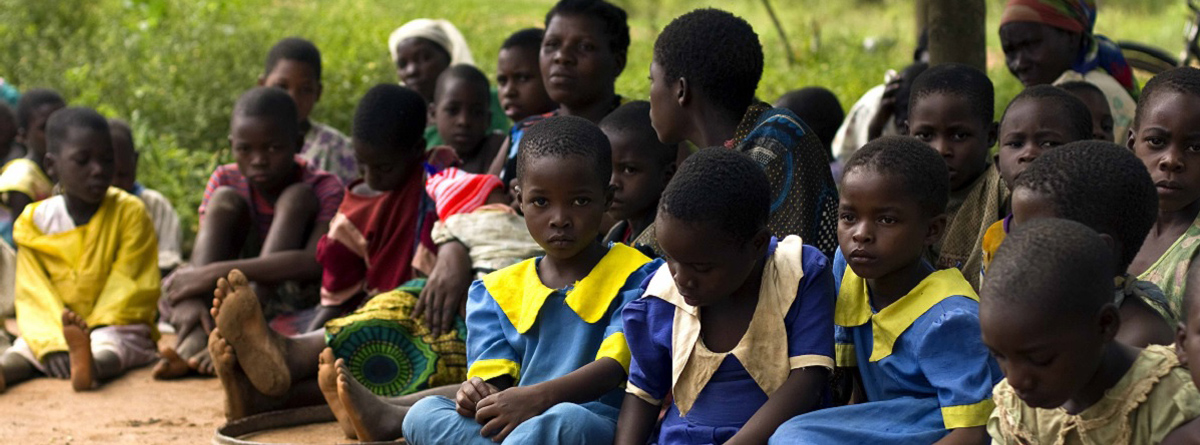
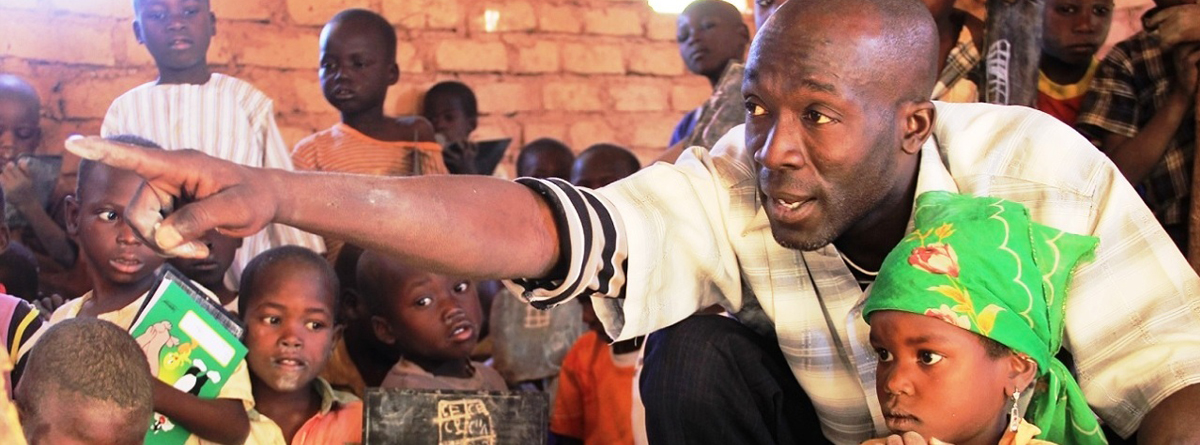
  • Education is a basic Human Right and the Diaspora World Cup global school program focuses its energy in some the poorest countries around the world. We build schools in some of the poorest countries around the worldthat historically had no adequate school structure. Any member of the World Diaspora has the power to end illiteracy around the world through the power of soccer.
  • High-profile sport figures, global leaders, business leaders, political figure, journalists, activists, philanthropists, actors, and entrepreneurs united by their commitment to the Diaspora World Cup mission to eradicate illiteracy around the world through the power of soccer. They serve as role models and spread the Diaspora World Cup vision and commitment of a world mobilized through soccer.
  •  
  •  

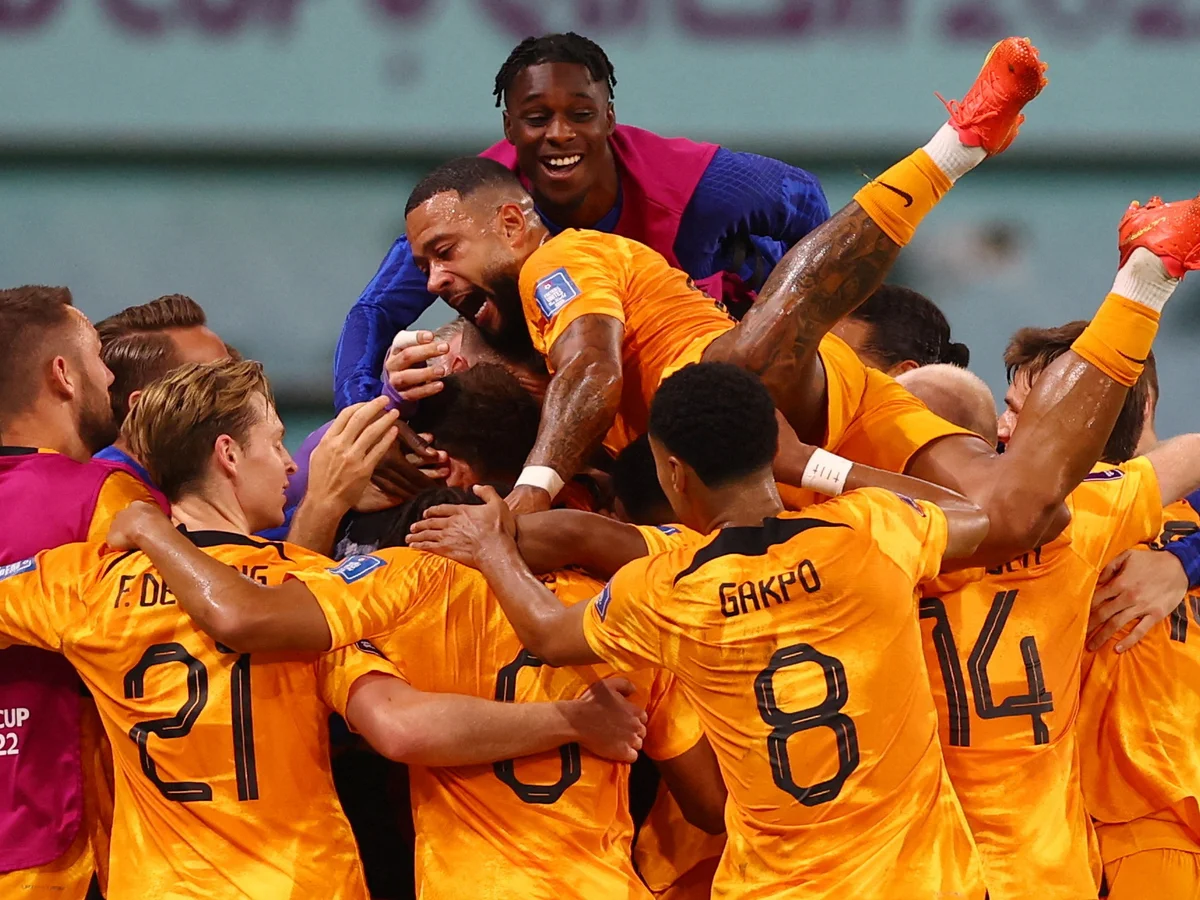
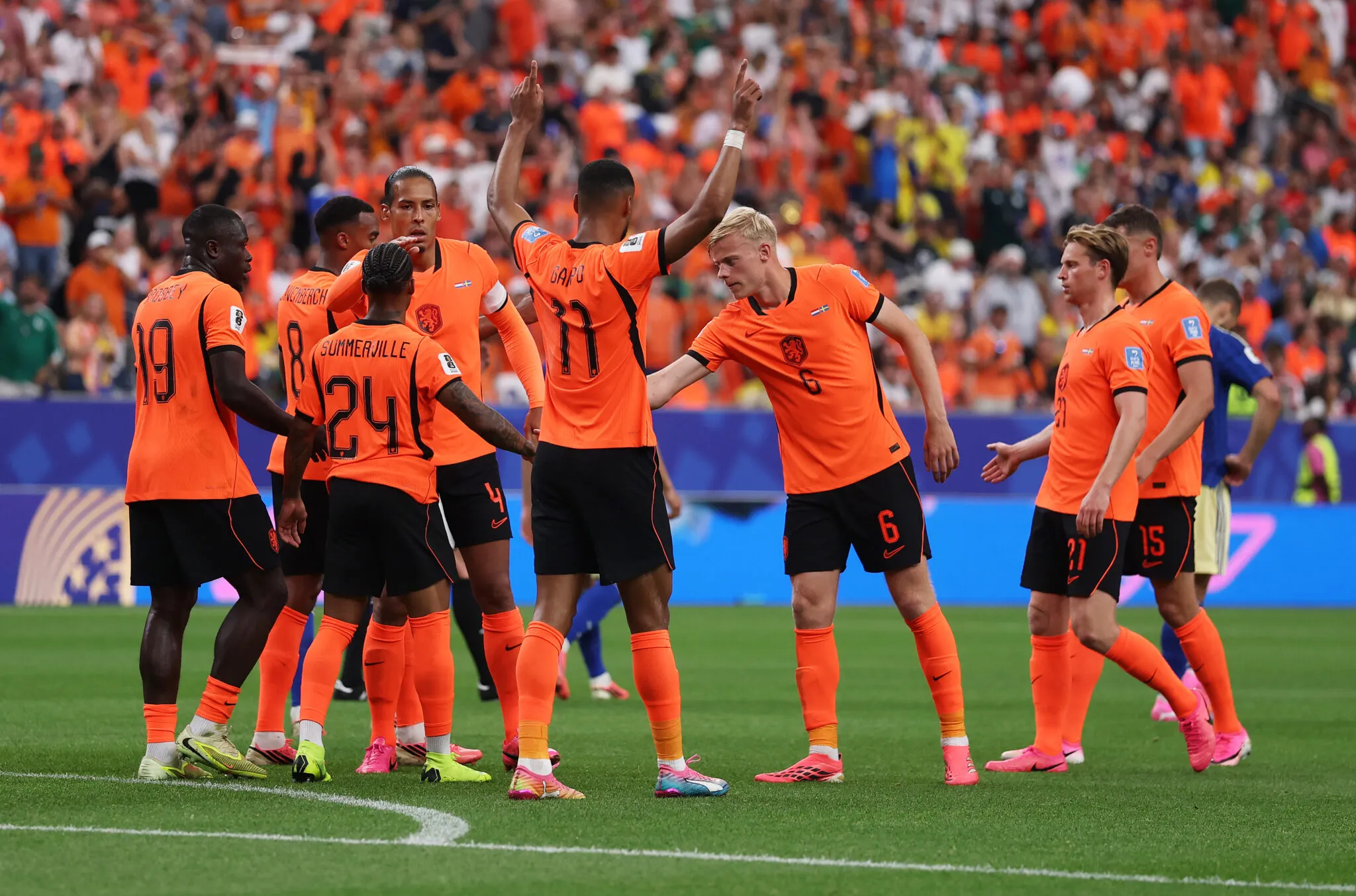
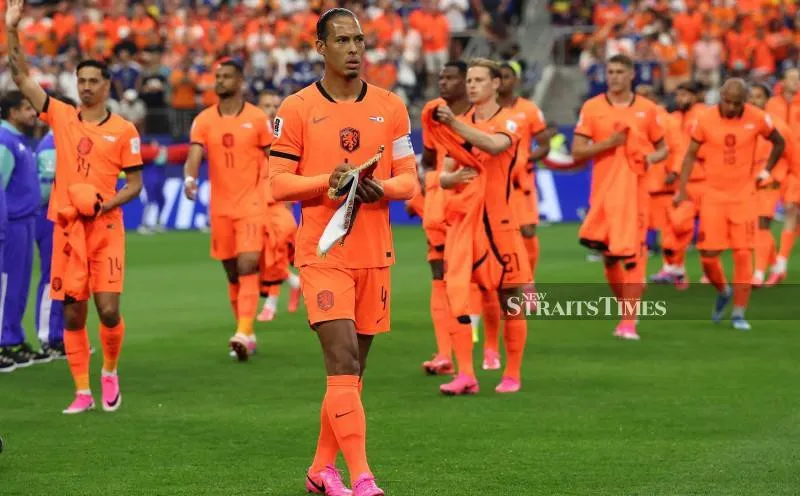
The Netherlands remains the strongest team of the 2013 DWC

Fri 14 Jun 2013 00:00 GMT

The Netherlands remains the strongest team of the 2013 DWC

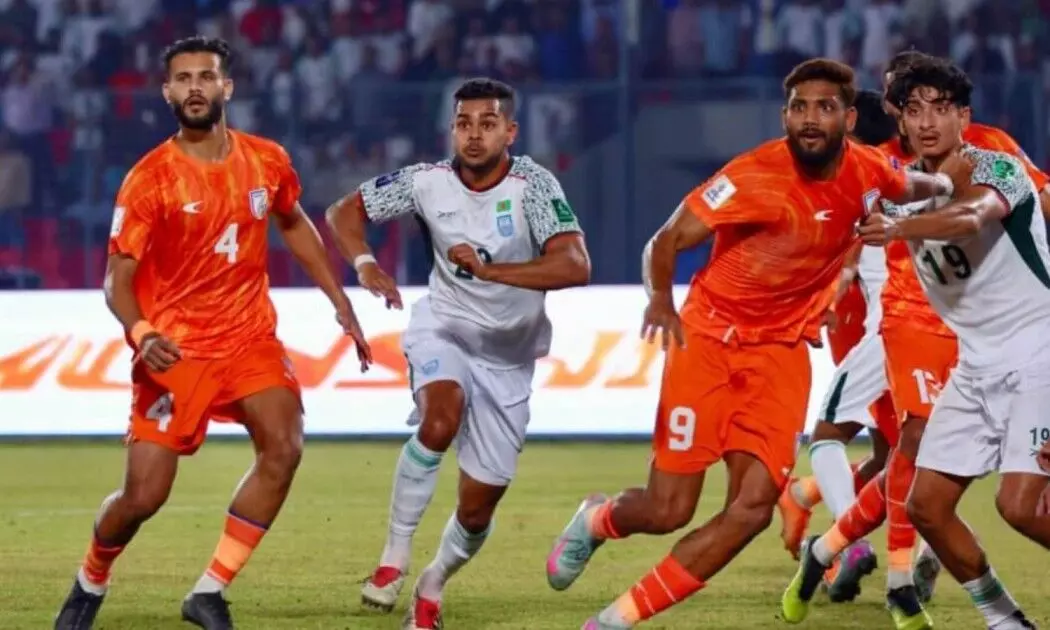
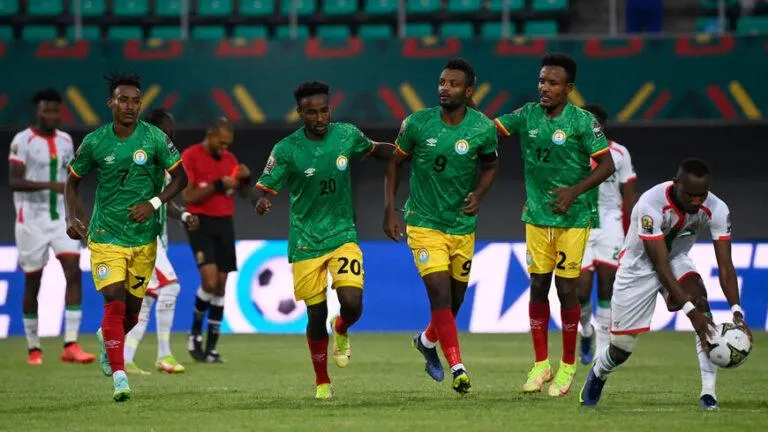
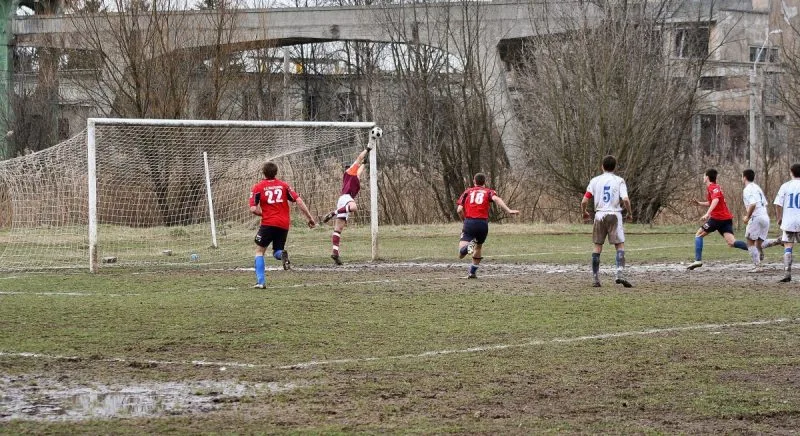
Tanzania strikers (yellow jerseys) fight for the ball with Netherlands defenders (orange jerseys) during their Group B game at the Walker stadium on June 9, 2013.


The Diaspora Soccer team of Netherlands continued its hot streak Sunday June 9 2013 with a 5-2 win in at the Walker stadium over Tanzania. Jacob Roames squad has now won 5 out of 5 games and is sitting at the top of group B with 15 points. With the group stage rounds half way over, Netherlands is three and six points ahead of both Philippines and England respectively, and is now in a good position to claim the group lead spot to advance to the knockout stage as long as they can keep the tempo. Consistency hasn't been the Netherland strength, at least not under head coach Jacob Roames. During his tenure as the leader of Netherland, he has changed the lineup in every single match depending of which players he has at his disposal. Five lineups have taken the field for the Netherlands in 5 matches. Perhaps with the dominating performance of last Sunday game, he found one that he likes moving forward. The Diaspora World Cup

Diaspora Global's records include Netherlands among the countries represented in its World Cup system. The organization's player records also list Netherlands players, including Brian Beard, Bryan Cain, Chad Baker and Chris Madrigal.


These players illustrate the role of individual footballers in building the Netherlands' presence within the Diaspora World Cup. Their participation contributed to the multicultural character of the competition.

The Diaspora World Cup brings teams connected to different national communities into the same football competition. Its wider network includes teams and players from numerous countries and cities, creating a tournament shaped by both football and diaspora identity.


For the Netherlands, participation provided another opportunity for players and supporters connected to the country to compete and represent their community through the sport.

The 2013 edition remains part of the historical record of the Diaspora World Cup. Diaspora Global lists the event as one of its past editions and describes it as a battle for a place in the competition's history.


The Netherlands' involvement forms part of that history. While the original headline presents the team as the strongest side of the tournament, the available independent material does not provide enough evidence to add a specific ranking, match result or championship claim.