
Welcome : The Diaspora Global Initiative
Responsive Header
  • Where We Work
  • Cameroon
  • The Diaspora World Cup operates in some of the major cities and metro areas in United States and Canada. Our network of register players includes 20 cities, 200 countries, 400 teams, and 10,000 players. Join our movement to solve the world's most pressing challenges: Illiteracy
  • Who We are text will be here Who We are text will be here Who We are text will be here Who We are text will be here Who We are text will be here Who We are text will be here Who We are text will be here Who We are text will be here Who We are text will be here
  • What We Do text will be here What We Do text will be here What We Do text will be here What We Do text will be here What We Do text will be here What We Do text will be here What We Do text will be here What We Do text will be here What We Do text will be here What We Do text will be here What We Do text will be here What We Do text will be here
  • Get Involved text will be here Get Involved text will be here Get Involved text will be here Get Involved text will be here Get Involved text will be here Get Involved text will be here Get Involved text will be here Get Involved text will be here Get Involved text will be here Get Involved text will be here
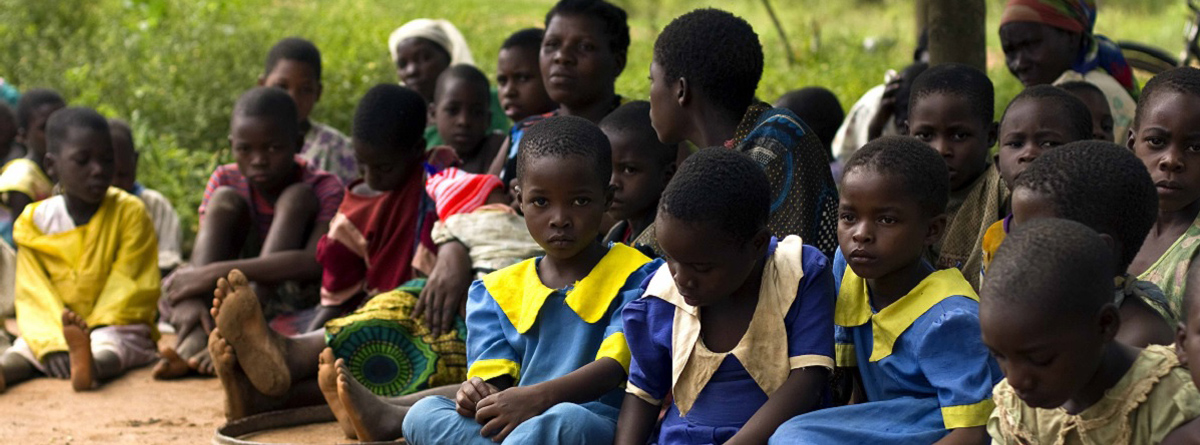
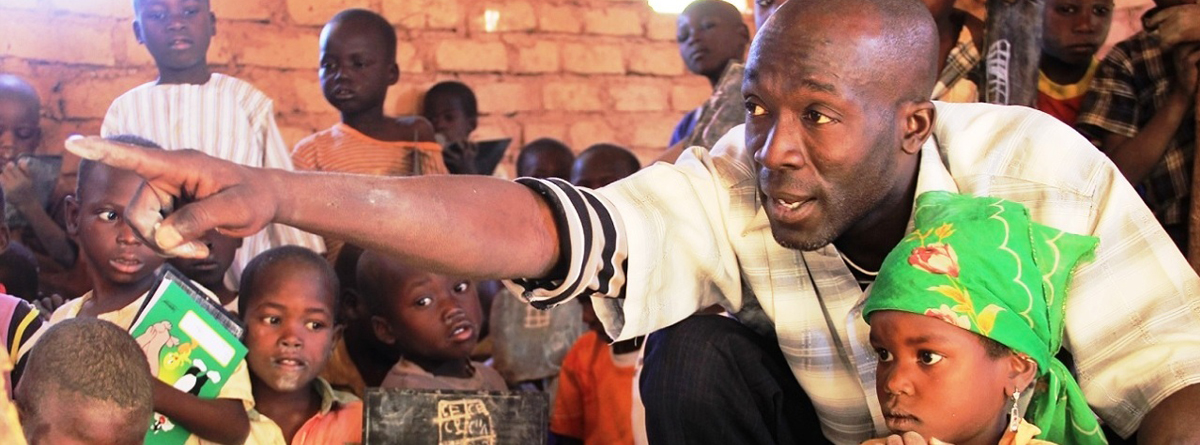
  • Education is a basic Human Right and the Diaspora World Cup global school program focuses its energy in some the poorest countries around the world. We build schools in some of the poorest countries around the worldthat historically had no adequate school structure. Any member of the World Diaspora has the power to end illiteracy around the world through the power of soccer.
  • High-profile sport figures, global leaders, business leaders, political figure, journalists, activists, philanthropists, actors, and entrepreneurs united by their commitment to the Diaspora World Cup mission to eradicate illiteracy around the world through the power of soccer. They serve as role models and spread the Diaspora World Cup vision and commitment of a world mobilized through soccer.
  •  
  •  

Turkey: This is only the beginning of our domination.

Tue 14 May 2013 00:00 GMT

Turkey: This is only the beginning of our domination.

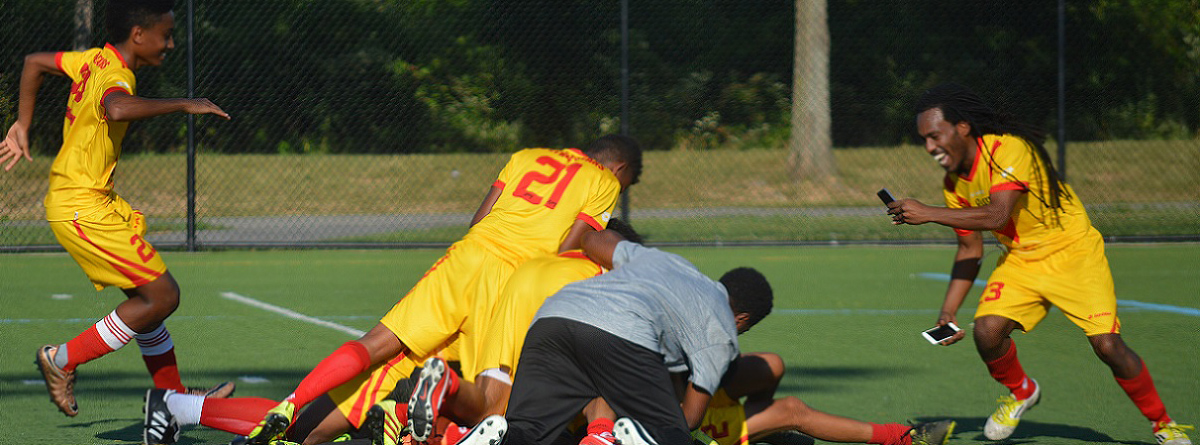
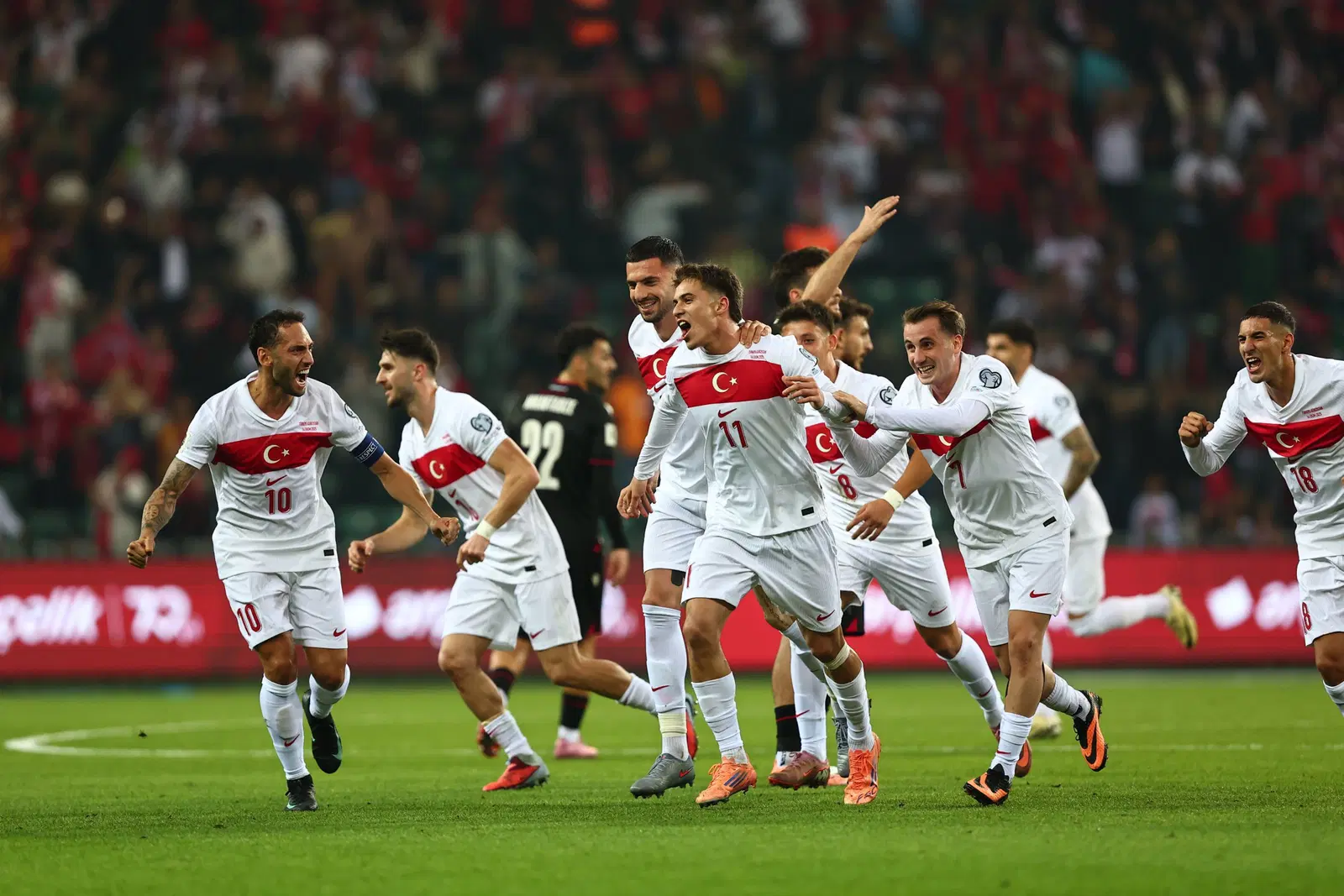
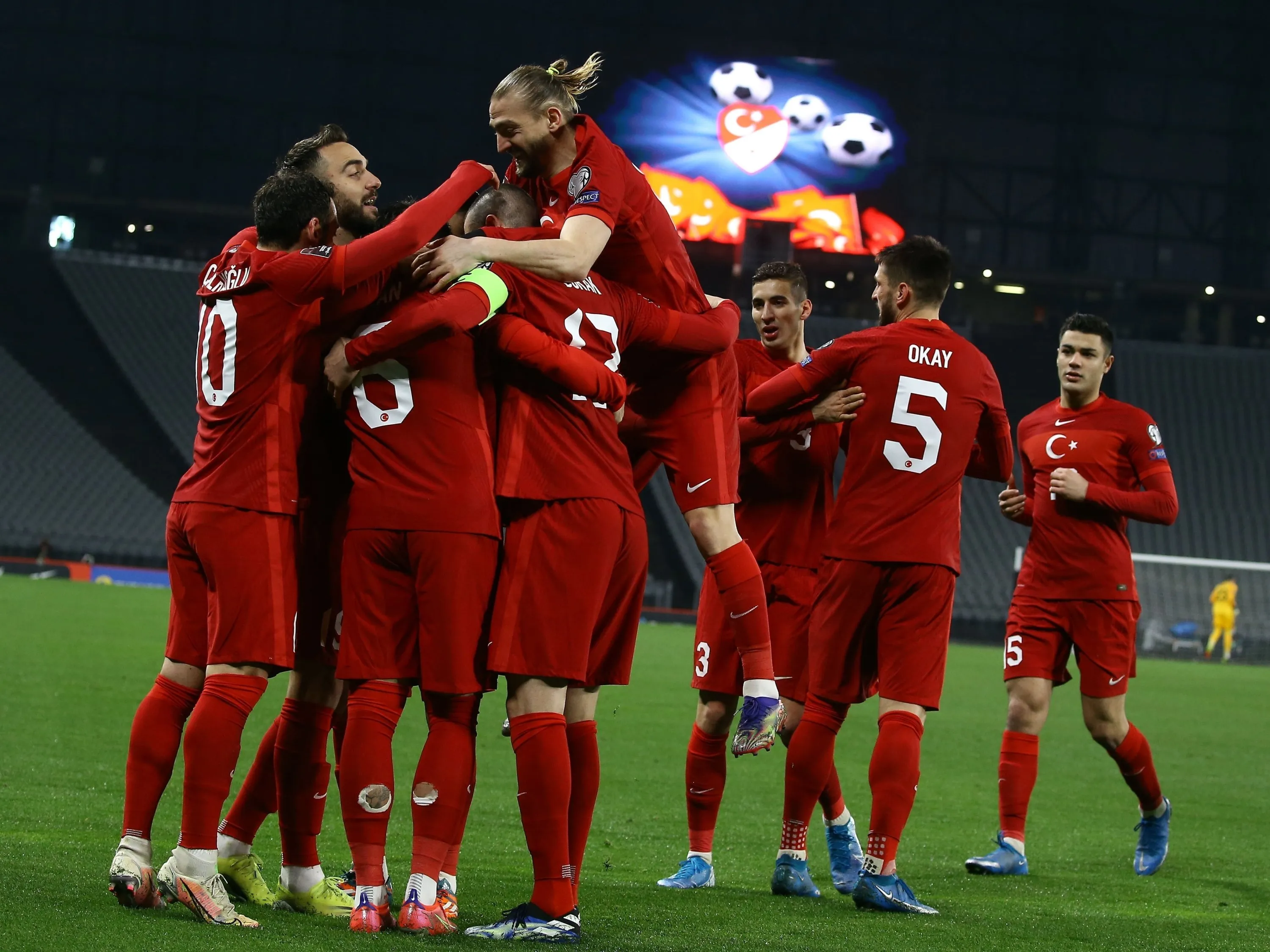
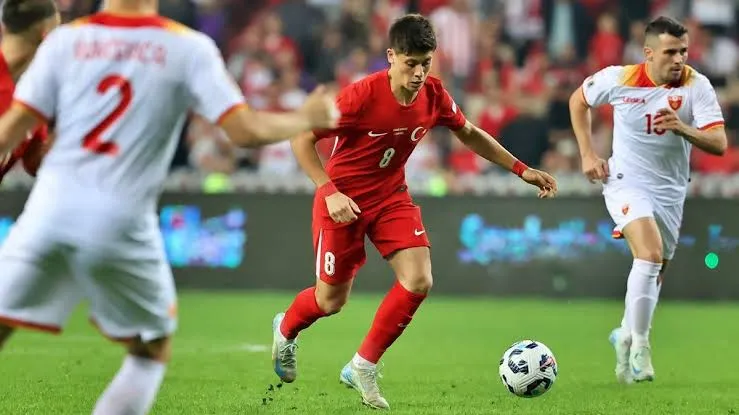
A feeling of unbridled joy tinged with relief dominated the Turkish Diaspora Soccer team after they captured a big 3-1 victory against Tanzania Diaspora team at the Roy Lester Stadium in Rockville


MD. Coach Oguz of Turkey made it clear this was just the start of a new era. Indeed, it is notable that Turkey's first strong and decisive win for the 2013 Diaspora World Cup came with new blood and youngest squad. The number 10 Baris Safoglu, son of Turkish coach Oguz Safoglu is regarded by many football critics and journalists as on the best midfielder in the area. He now has one goal in mind. To be the 2013 Diaspora World Cup best player. For those who remembered in the past season of the Diaspora World Cup, Turkey played like a team lacking leadership and an appropriate, coherent plan throughout an ugly and bitterly 3-1 loss to Senegal at the Ridge Park Stadium when they failed to qualify for the knockout stage. It wasnt the defeat itself that proved so troubling. It was the manner in which the Turks capitulated. The final score flattered a squad that spent the majority of the afternoon on its heels, devoid of the energy, possession and ideas Oguz intended to deliver. But, make No Mistake about it. This year is different. The game is on. The Diaspora World Cup group games are in full swing. The Diaspora Turkish team will perform feats. The Diaspora World Cup

Turkey had players capable of contributing in different areas of the field. Cengiz Bolayir was described as a versatile player who could operate both defensively and in midfield, while also providing a threat from set pieces and long-range free kicks.


Another important player was Cenk Atilgan, a midfielder recognized for his late attacking runs, passing ability and understanding of the game. His ability to recover possession and begin attacking moves added another dimension to Turkey's midfield.

Turkey's challenge came in a highly competitive Diaspora World Cup environment. Contemporary coverage of the 2014 tournament listed Turkey in a group that included Sierra Leone, Trinidad & Tobago, Liberia, Ghana, the United States, England, Senegal, South Africa and Tanzania. Only four teams from the ten-team group would qualify.


That meant every match carried importance, with teams competing not only for victories but also for a place among the group qualifiers.


For Turkey, competing against such a broad collection of international diaspora teams provided an opportunity to demonstrate its organization, technical ability and competitive spirit.

The headline's message captures the ambition surrounding the Turkish team: the players and supporters believed that their strongest performances could still be ahead of them.


Turkey's participation showed the depth of the Turkish diaspora football community and its willingness to compete on an international stage. The team's talented players gave supporters reasons to remain confident as the competition continued.


Whether the next stage brought victories or new challenges, Turkey's message was one of ambition — the team wanted its participation to be the beginning of something bigger rather than the end of its journey.