
Welcome : The Diaspora Global Initiative
Responsive Header
  • Where We Work
  • Cameroon
  • The Diaspora World Cup operates in some of the major cities and metro areas in United States and Canada. Our network of register players includes 20 cities, 200 countries, 400 teams, and 10,000 players. Join our movement to solve the world's most pressing challenges: Illiteracy
  • Who We are text will be here Who We are text will be here Who We are text will be here Who We are text will be here Who We are text will be here Who We are text will be here Who We are text will be here Who We are text will be here Who We are text will be here
  • What We Do text will be here What We Do text will be here What We Do text will be here What We Do text will be here What We Do text will be here What We Do text will be here What We Do text will be here What We Do text will be here What We Do text will be here What We Do text will be here What We Do text will be here What We Do text will be here
  • Get Involved text will be here Get Involved text will be here Get Involved text will be here Get Involved text will be here Get Involved text will be here Get Involved text will be here Get Involved text will be here Get Involved text will be here Get Involved text will be here Get Involved text will be here
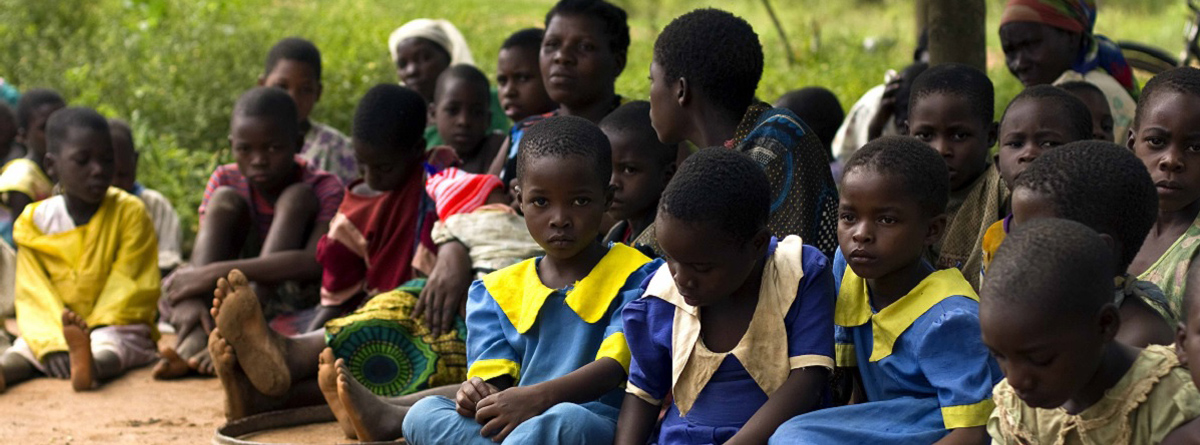
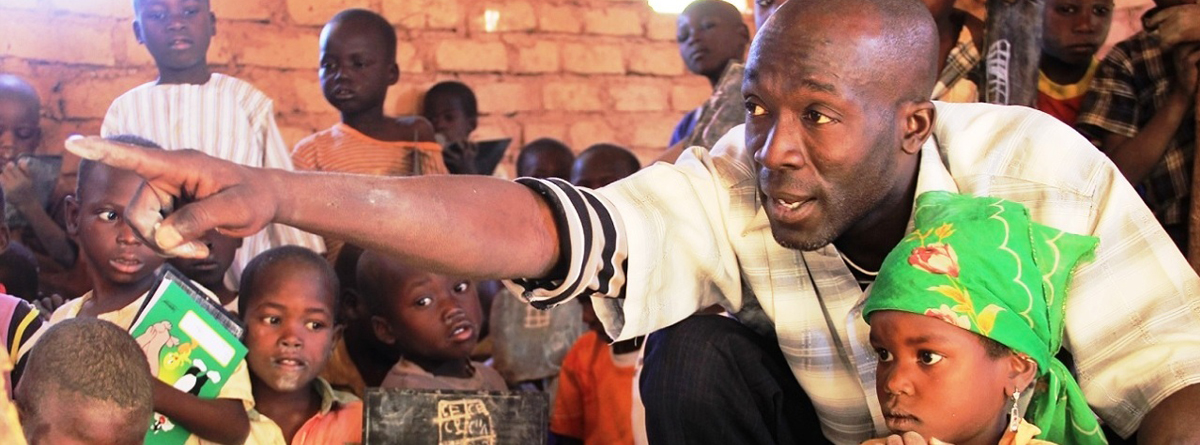
  • Education is a basic Human Right and the Diaspora World Cup global school program focuses its energy in some the poorest countries around the world. We build schools in some of the poorest countries around the worldthat historically had no adequate school structure. Any member of the World Diaspora has the power to end illiteracy around the world through the power of soccer.
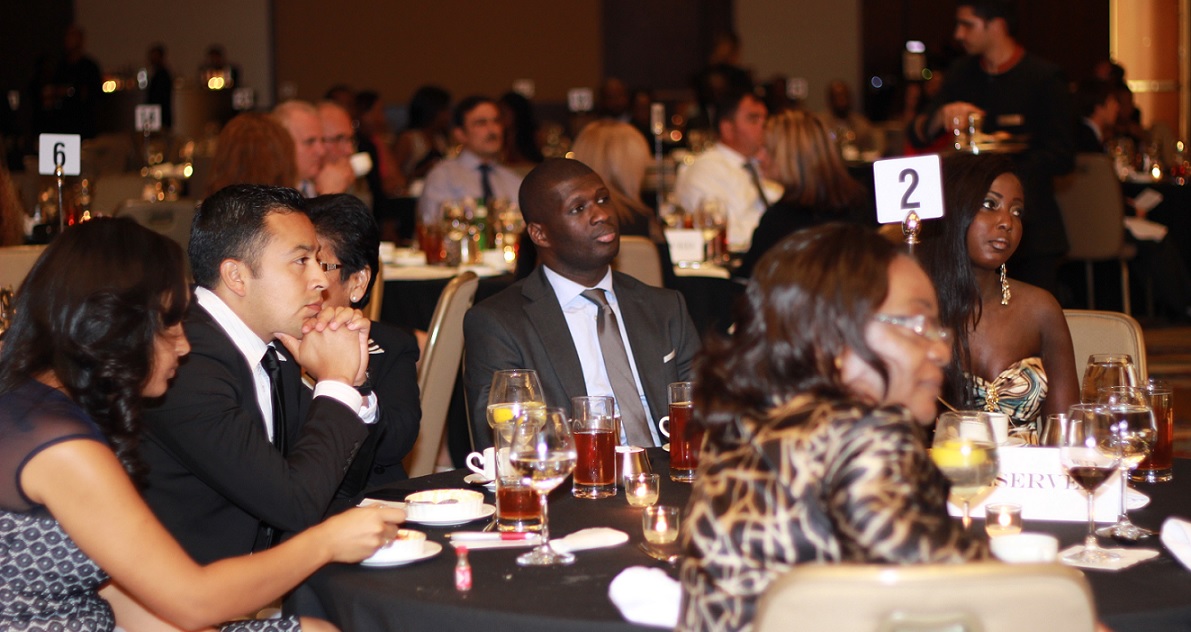
  • High-profile sport figures, global leaders, business leaders, political figure, journalists, activists, philanthropists, actors, and entrepreneurs united by their commitment to the Diaspora World Cup mission to eradicate illiteracy around the world through the power of soccer. They serve as role models and spread the Diaspora World Cup vision and commitment of a world mobilized through soccer.
  •  
  •  

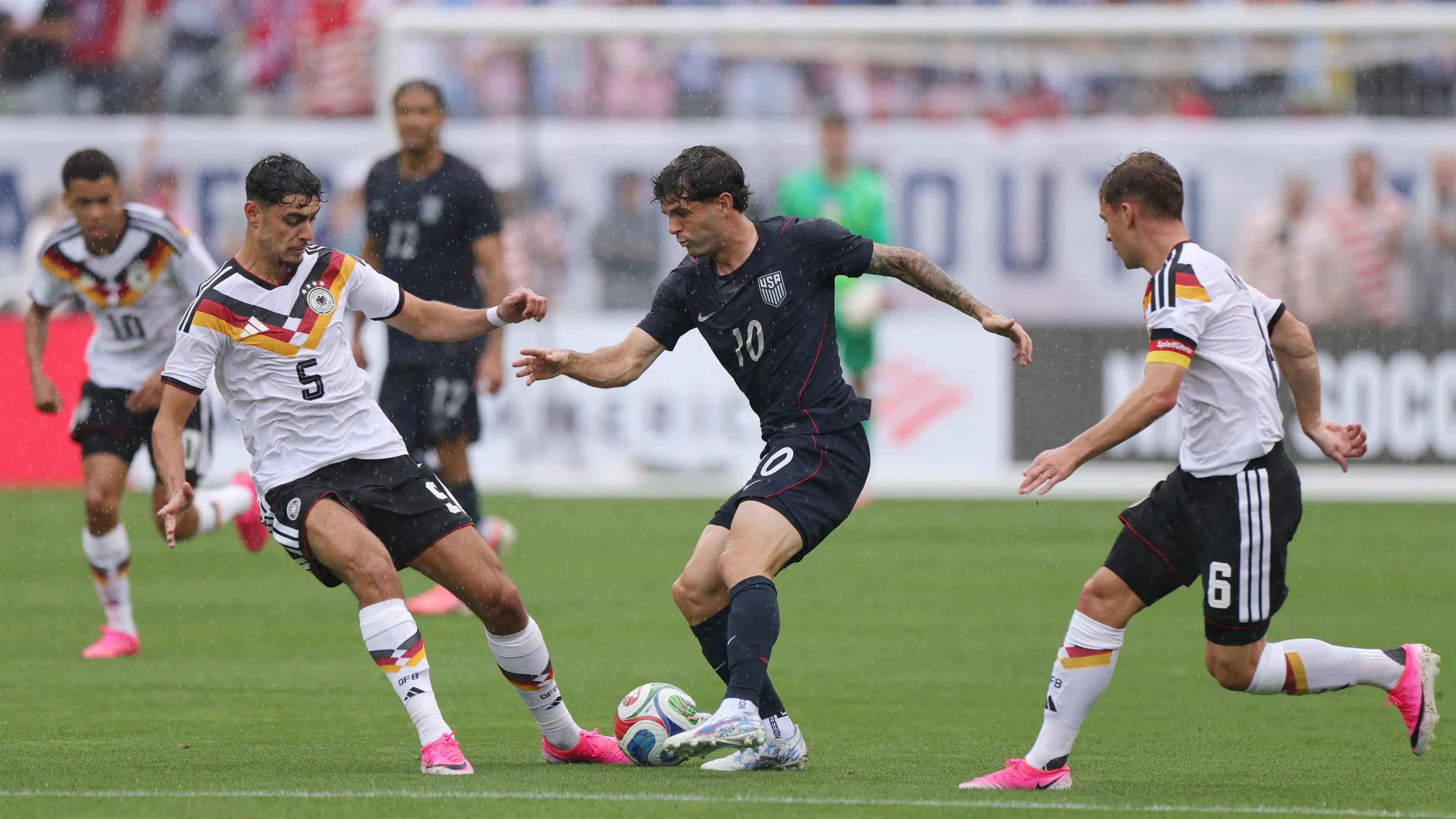
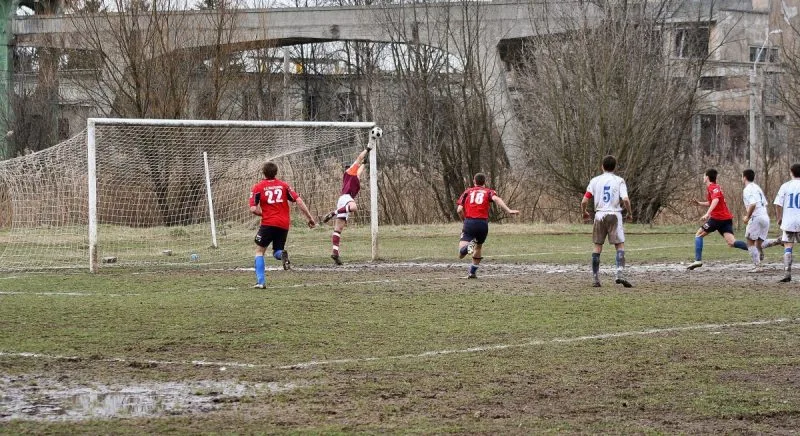
United States defeated Germany at the Heurich Stadium.

Tue 07 May 2013 00:00 GMT

United States defeated Germany at the Heurich Stadium.

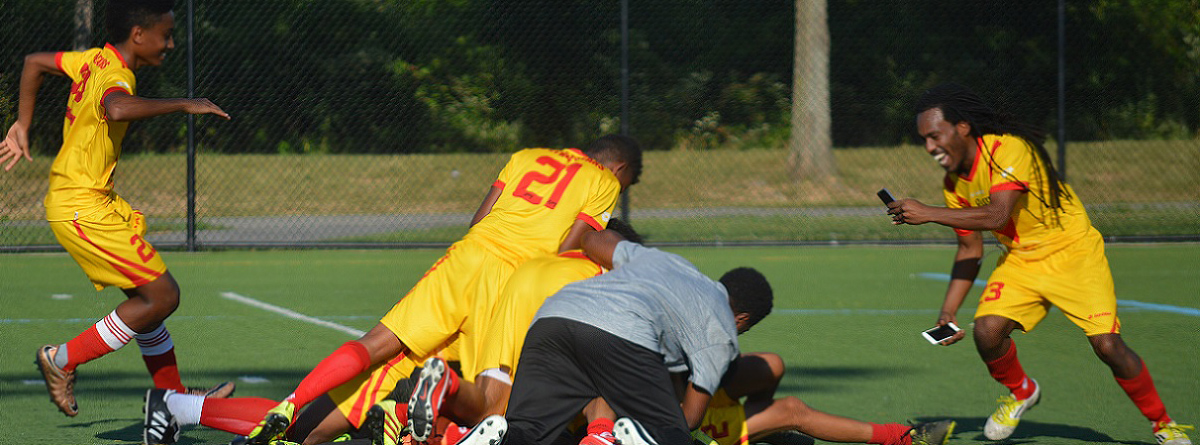
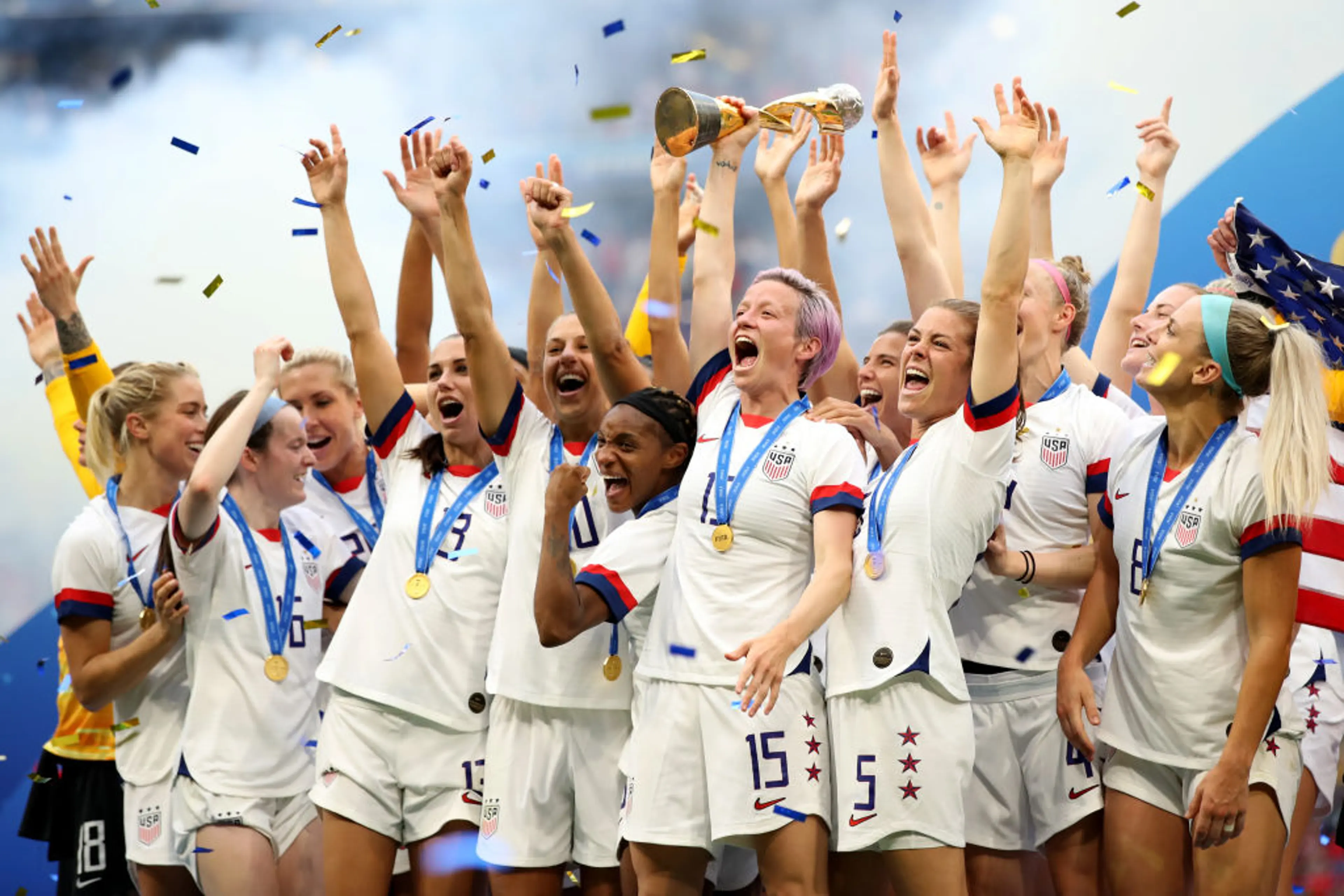
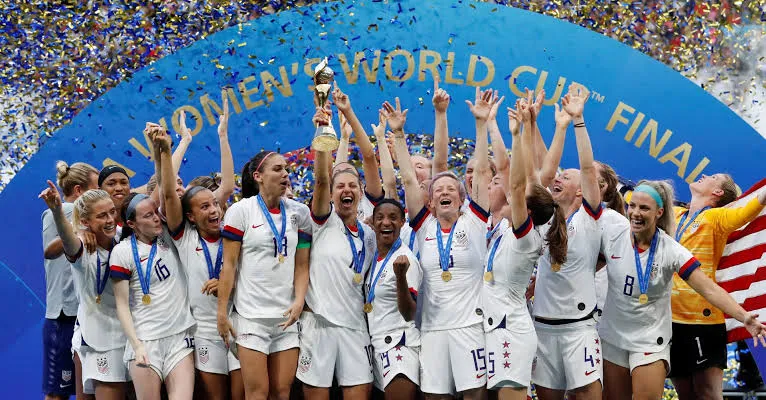
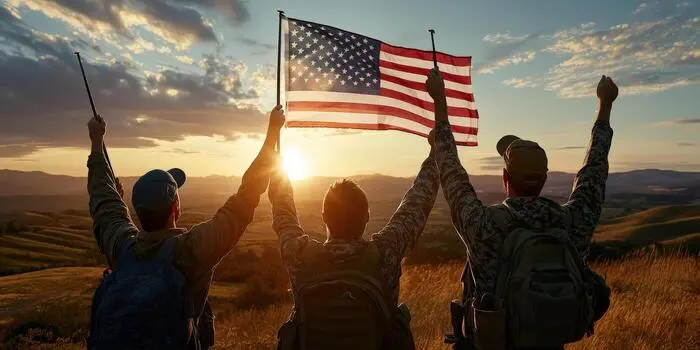
American players applauded each other and their fans.


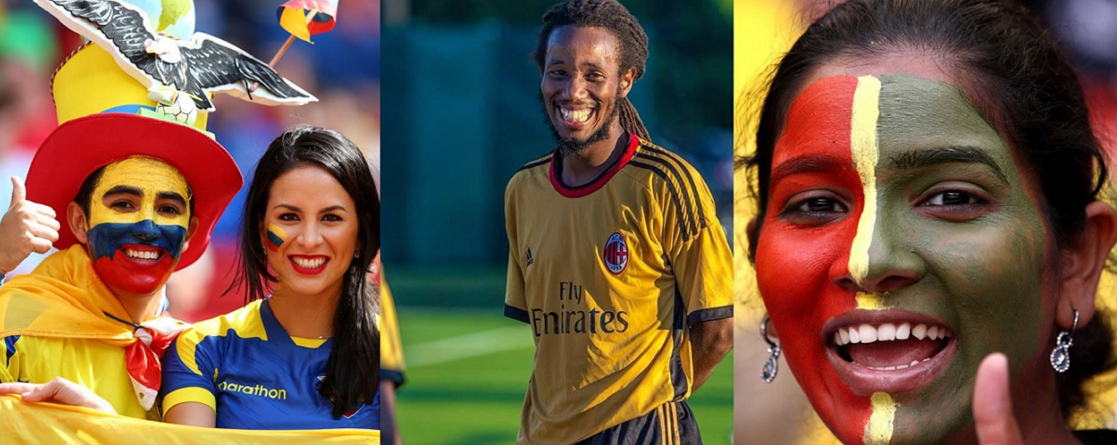
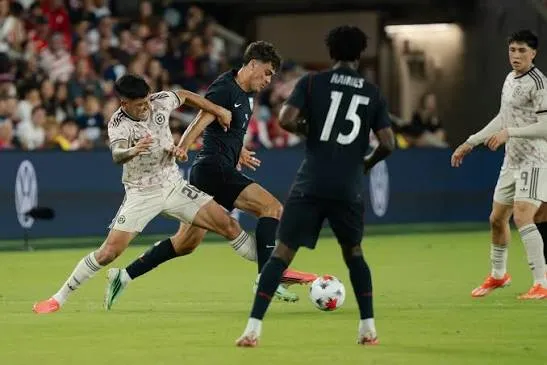
Their supporters cheered loudly and proudly waved the red, white and blue at the Heurich Stadium in Hyattsville, MD. United States enigmatic striker John Carson provided his team with the cutting edge with midfielder Nolan Rodman who scored the first goal, and Nico Ojeda scored the game winner as Carlos Stein of Germany failed to produce the impressive form that had seen them touted as potential league winners for the current season. When Carlos Stein heard the sound of the full-time whistle, it was the prompt for his frustrations to bubble over. The German coach marched straight off down, swearing and gesturing angrily, and he could tick the boxes on plenty of irritations. Carlos was cool and calculating enough when he faced his players and, with utter conviction, promised his team is still favorite to win the 2013 Diaspora World Cup trophy. But next Saturday game against Haiti may become fraught with peril. The Diaspora World Cup

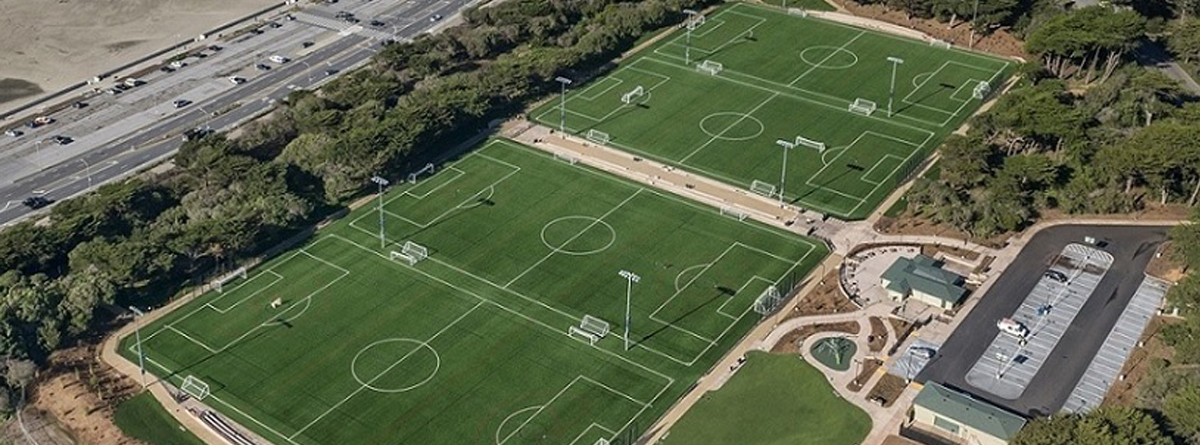
Heurich Stadium became an important location for the Diaspora World Cup, providing a central setting where teams representing different national communities could compete against one another.


The United States and Germany brought their supporters together for a match that reflected the international character of the tournament. Players competed not only for the result but also for the opportunity to represent their communities on the field.

The victory over Germany demonstrated the competitive spirit of the United States diaspora team. Success in matches such as this gave the team confidence and helped strengthen its position within the wider tournament.


The Diaspora World Cup was designed to bring communities together through football, and matches involving teams such as the United States and Germany showed how the competition connected people from different backgrounds.


For the American players and their supporters, defeating Germany at Heurich Stadium became a memorable moment in their tournament experience.

The United States' victory over Germany at Heurich Stadium stands as one of the historical match moments associated with the Diaspora World Cup. It combined competitive football with the community atmosphere that made the tournament distinctive.


For the United States team, the result provided an opportunity to celebrate its players and supporters while representing the country in the diaspora football community.


The match also reflected the broader purpose of the competition: bringing different national communities together through football and creating memorable moments both on and off the field.