
Welcome : The Diaspora Global Initiative
Responsive Header
  • Where We Work
  • Cameroon
  • The Diaspora World Cup operates in some of the major cities and metro areas in United States and Canada. Our network of register players includes 20 cities, 200 countries, 400 teams, and 10,000 players. Join our movement to solve the world's most pressing challenges: Illiteracy
  • Who We are text will be here Who We are text will be here Who We are text will be here Who We are text will be here Who We are text will be here Who We are text will be here Who We are text will be here Who We are text will be here Who We are text will be here
  • What We Do text will be here What We Do text will be here What We Do text will be here What We Do text will be here What We Do text will be here What We Do text will be here What We Do text will be here What We Do text will be here What We Do text will be here What We Do text will be here What We Do text will be here What We Do text will be here
  • Get Involved text will be here Get Involved text will be here Get Involved text will be here Get Involved text will be here Get Involved text will be here Get Involved text will be here Get Involved text will be here Get Involved text will be here Get Involved text will be here Get Involved text will be here
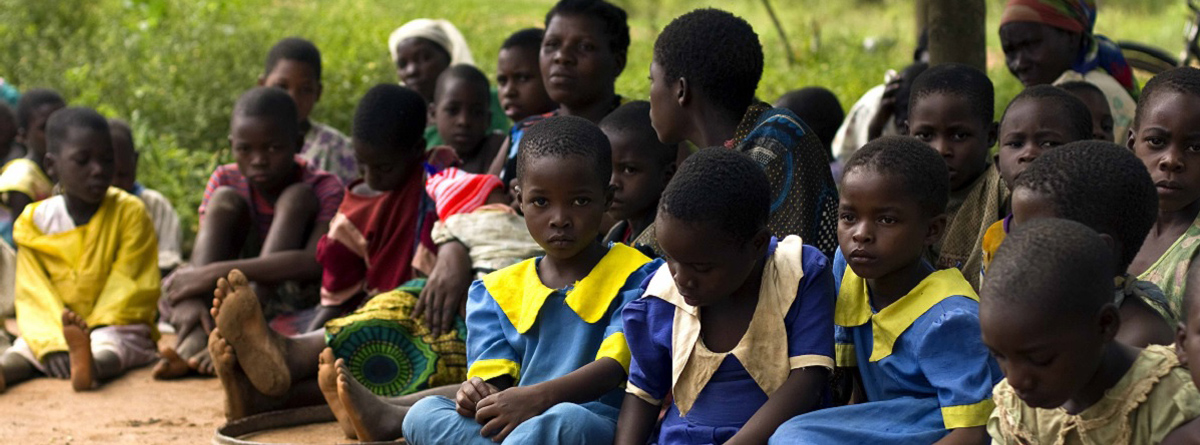
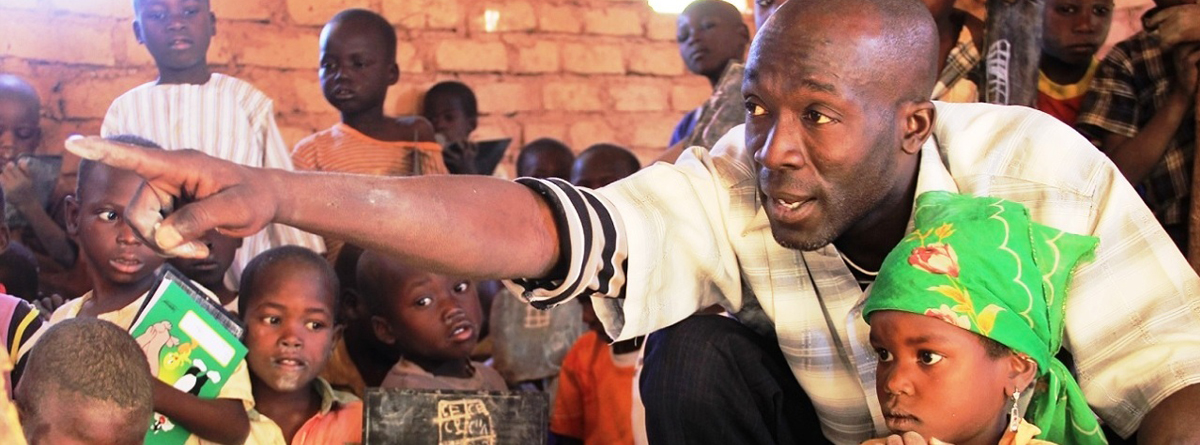
  • Education is a basic Human Right and the Diaspora World Cup global school program focuses its energy in some the poorest countries around the world. We build schools in some of the poorest countries around the worldthat historically had no adequate school structure. Any member of the World Diaspora has the power to end illiteracy around the world through the power of soccer.
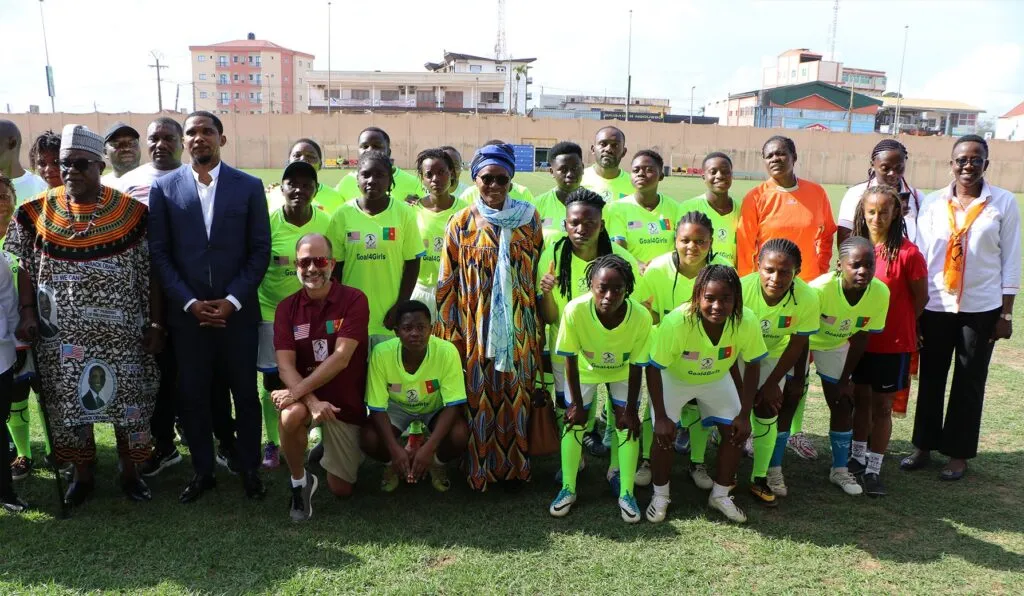
  • High-profile sport figures, global leaders, business leaders, political figure, journalists, activists, philanthropists, actors, and entrepreneurs united by their commitment to the Diaspora World Cup mission to eradicate illiteracy around the world through the power of soccer. They serve as role models and spread the Diaspora World Cup vision and commitment of a world mobilized through soccer.
  •  
  •  

The Gabonese Embassy at the Diaspora World Cup.

Mon 14 May 2012 00:00 GMT

The Gabonese Embassy at the Diaspora World Cup.

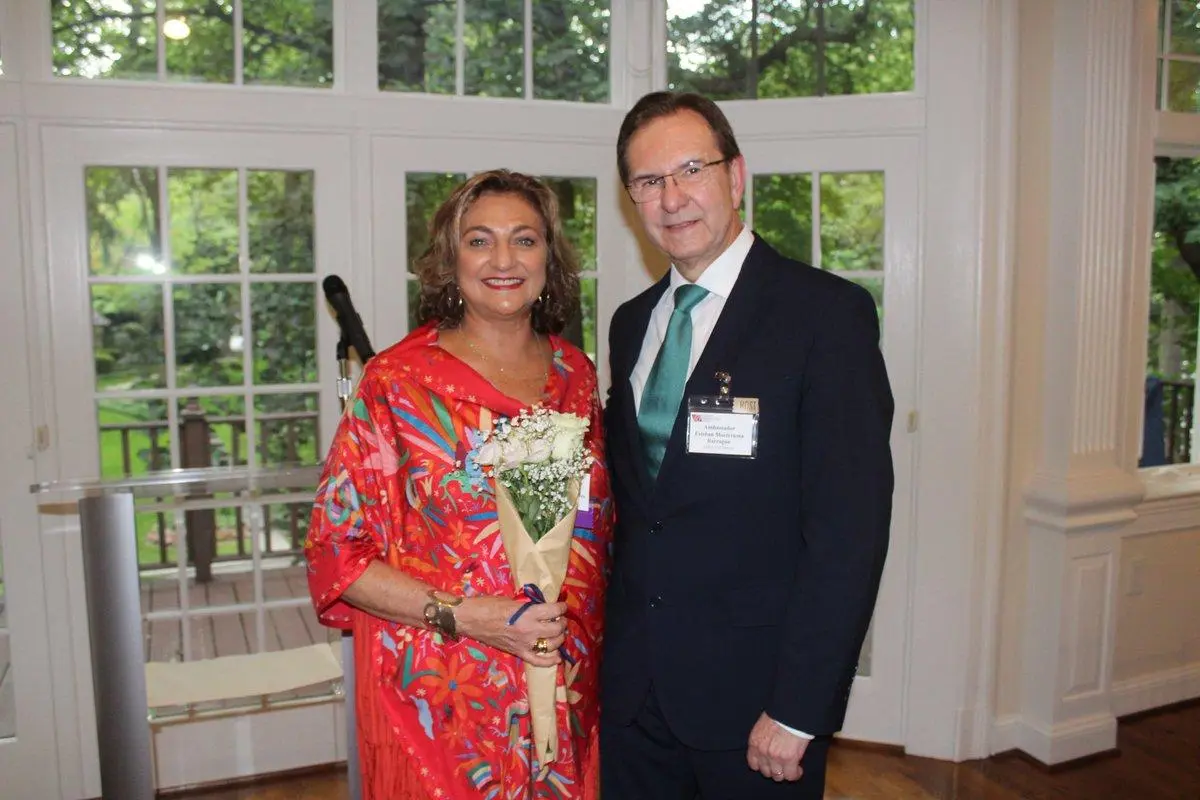
Mr. Francois Leon Reteno T. is the Cultural Counselor at the Gabonese Embassy in Washington DC. 


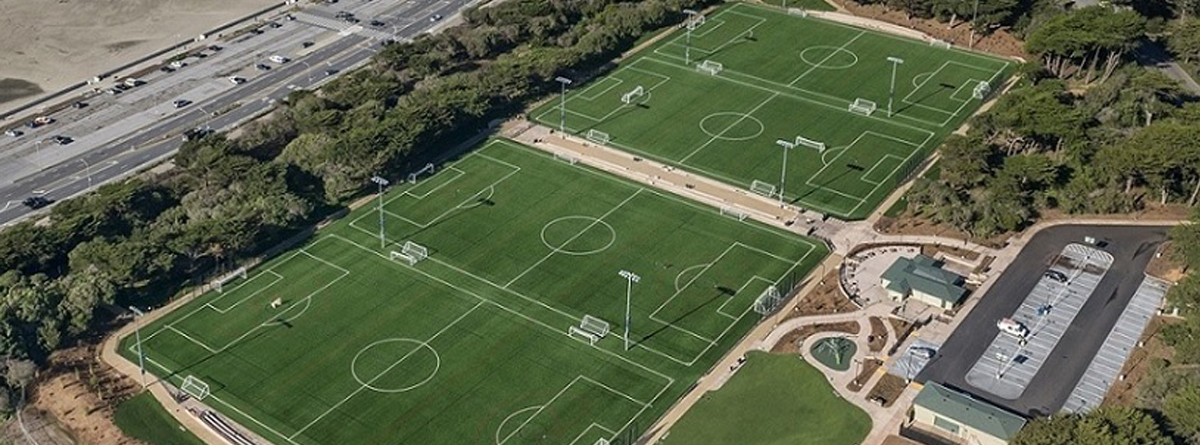
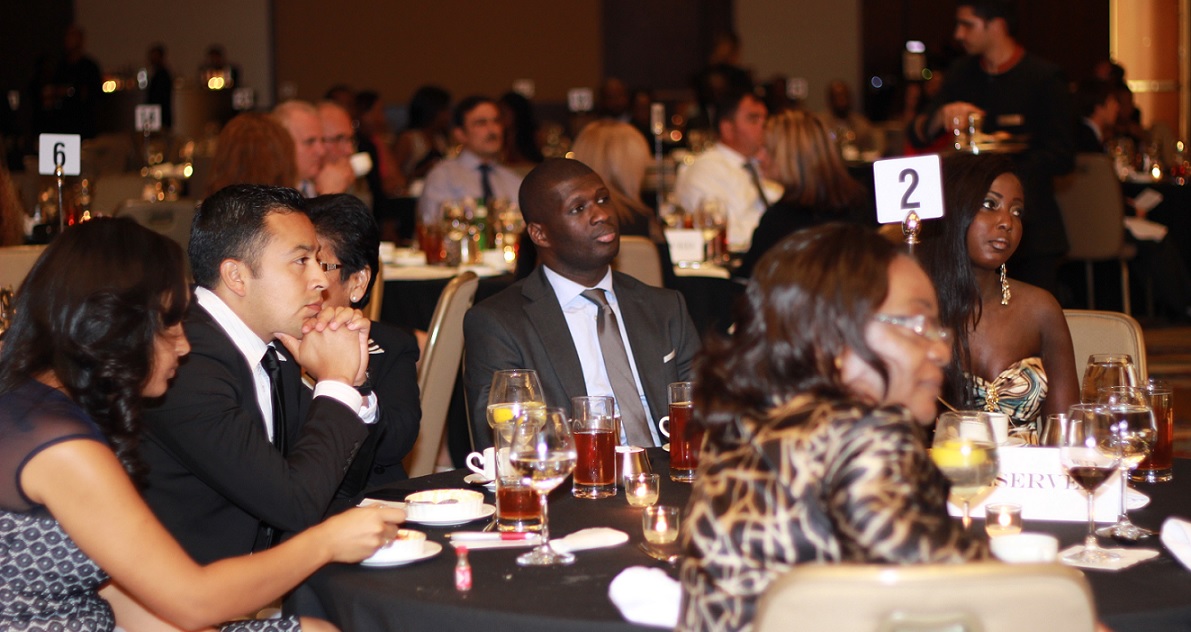
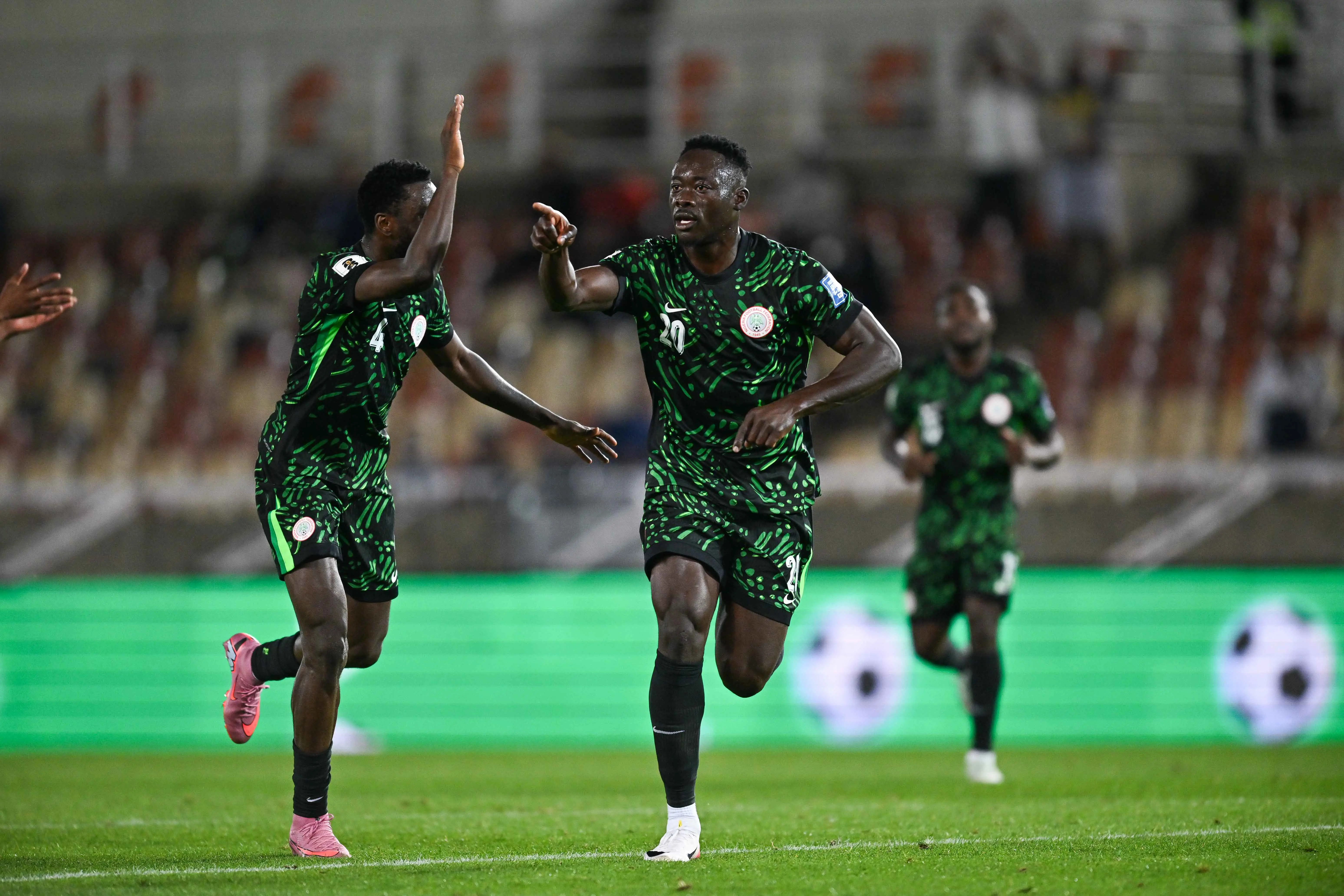
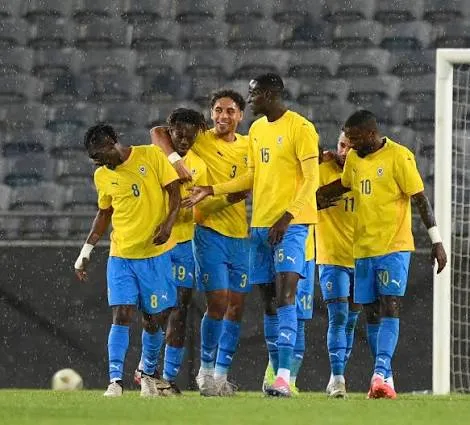
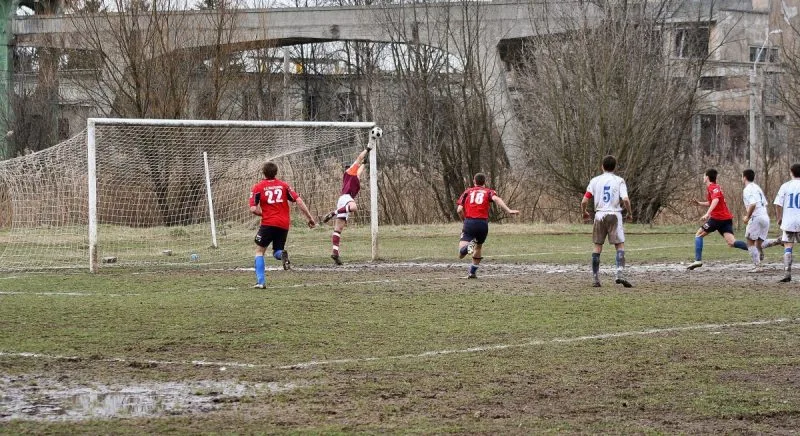
It was an honor the Diaspora World Cup to host Mr. Francois Leon Reteno T., the Cultural Counselor of the Gabonese Embassy at the Fairland Stadium. Mr. Reteno has a prominent role as a diplomat Cultural Counselor with special responsibilities for promoting the culture of his homeland. For a small piece of history, Gabon National Soccer team made its debut in April 1960 by entering the L'Amiti tournament for French-speaking countries, held in Madagascar. The love of soccer is not something new and the presence of Mr. Reteno emphasizes that fact. He made it clear he was impressed by the idea of the Diaspora World Cup to see many countries coming together to share a common culture. His presence led Gabon to its first victory 2-1 against Niger last Saturday at the Fairland Stadium. Their next game is on Saturday May the 19th against Senegal at the Heurich Stadium in Hyattsville, MD. Stay Tuned as things seem to be going well for the people of Gabon. The Diaspora World Cup

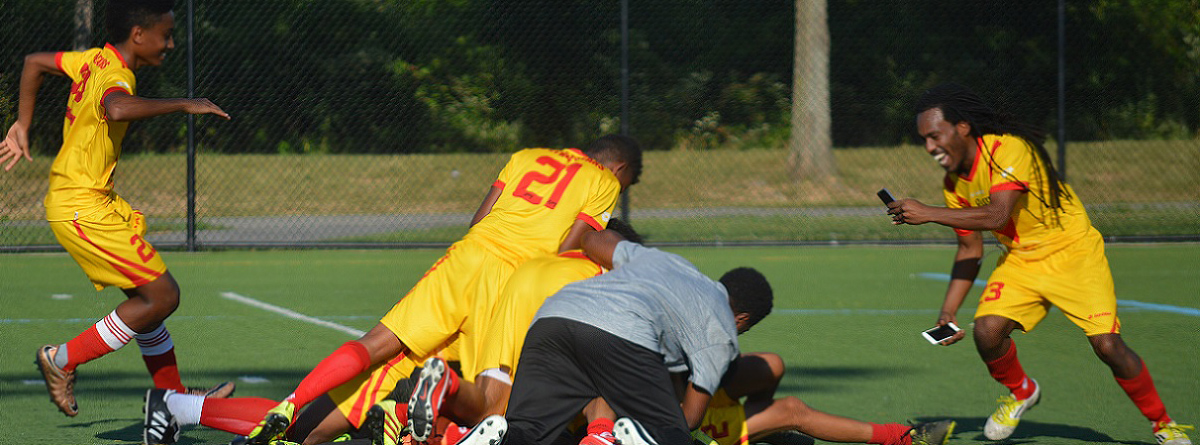
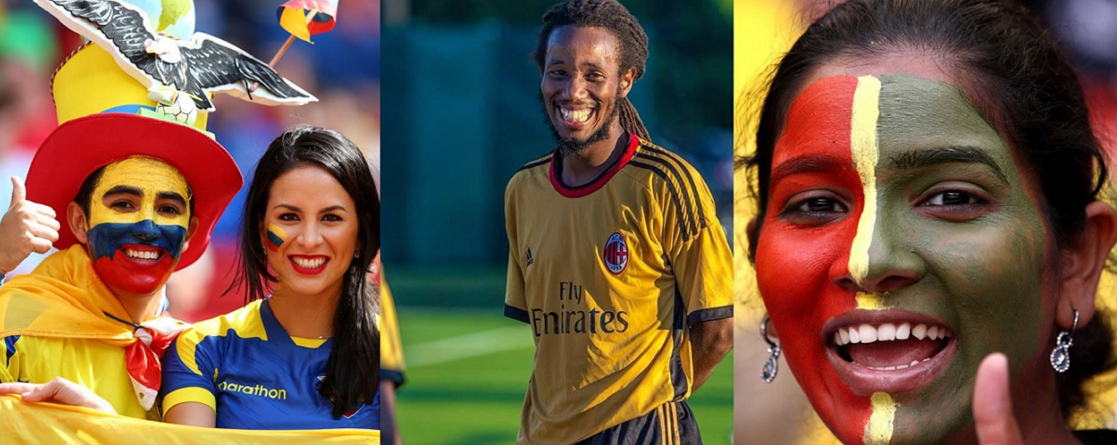
The Diaspora World Cup brought together teams and supporters representing different countries and communities. Soccer provided a common platform where people could celebrate their national identities while participating in a shared international event.


Diaspora Global describes its broader vision as using soccer to advance global education and help address illiteracy. Its supporters included diplomatic missions, nonprofit organizations, private-sector leaders and individuals.


For the Gabonese community, the presence of the embassy connected diplomatic representation with a community sporting event and demonstrated how football could help bring people together.

The participation of embassies was an important part of the Diaspora World Cup's network of supporters. Gabon was listed alongside diplomatic missions representing countries including Qatar, the Bahamas, Bosnia and Herzegovina, Cabo Verde, Zambia and Albania.


This network reflected the international character of the competition. Different national communities could participate in the tournament while their diplomatic institutions also became part of the broader network supporting its mission.


The Gabonese Embassy's inclusion therefore represented more than a national connection to the tournament. It placed Gabon among the countries whose diplomatic institutions were associated with the wider Diaspora World Cup initiative.

The Gabonese Embassy's presence at the Diaspora World Cup reflected the relationship between sport, community and international engagement. Football gave Gabonese participants and supporters an opportunity to maintain their national identity while becoming part of a much larger diaspora gathering.


The tournament's emphasis on bringing communities together through soccer also gave diplomatic institutions an opportunity to support an initiative with goals extending beyond the football field.


For Gabon, the embassy's inclusion among the Diaspora World Cup supporters became part of a broader story about national communities coming together through sport, education and shared participation.