
Welcome : The Diaspora Global Initiative
Responsive Header
  • Where We Work
  • Cameroon
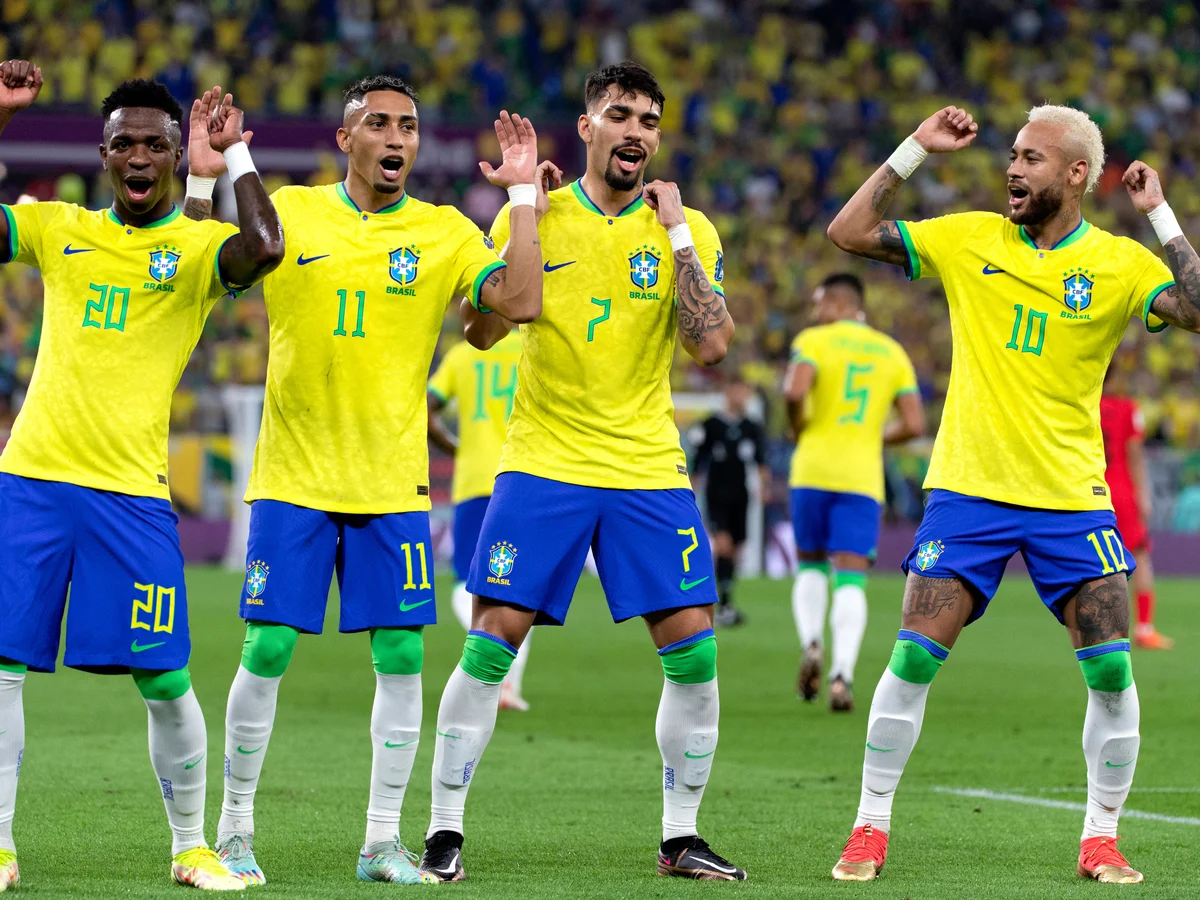
  • The Diaspora World Cup operates in some of the major cities and metro areas in United States and Canada. Our network of register players includes 20 cities, 200 countries, 400 teams, and 10,000 players. Join our movement to solve the world's most pressing challenges: Illiteracy
  • Who We are text will be here Who We are text will be here Who We are text will be here Who We are text will be here Who We are text will be here Who We are text will be here Who We are text will be here Who We are text will be here Who We are text will be here
  • What We Do text will be here What We Do text will be here What We Do text will be here What We Do text will be here What We Do text will be here What We Do text will be here What We Do text will be here What We Do text will be here What We Do text will be here What We Do text will be here What We Do text will be here What We Do text will be here
  • Get Involved text will be here Get Involved text will be here Get Involved text will be here Get Involved text will be here Get Involved text will be here Get Involved text will be here Get Involved text will be here Get Involved text will be here Get Involved text will be here Get Involved text will be here
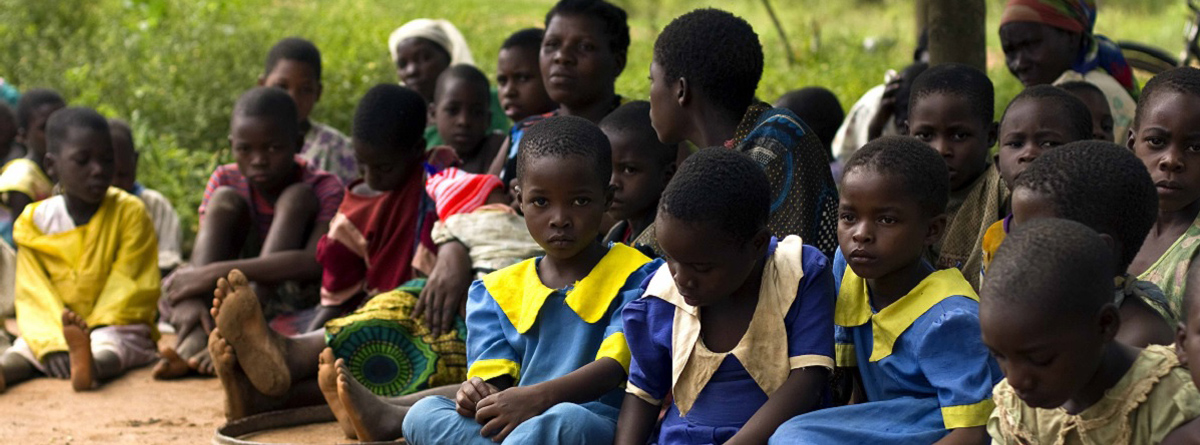
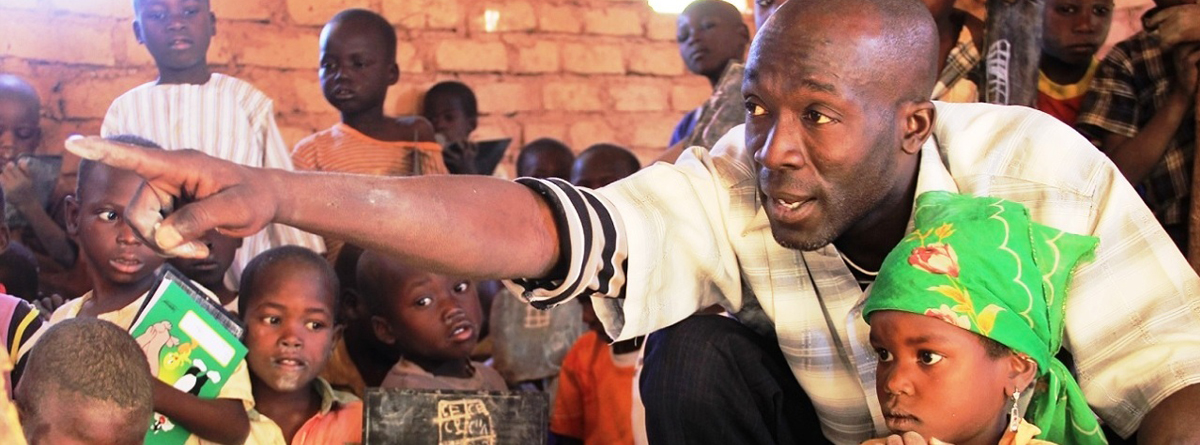
  • Education is a basic Human Right and the Diaspora World Cup global school program focuses its energy in some the poorest countries around the world. We build schools in some of the poorest countries around the worldthat historically had no adequate school structure. Any member of the World Diaspora has the power to end illiteracy around the world through the power of soccer.
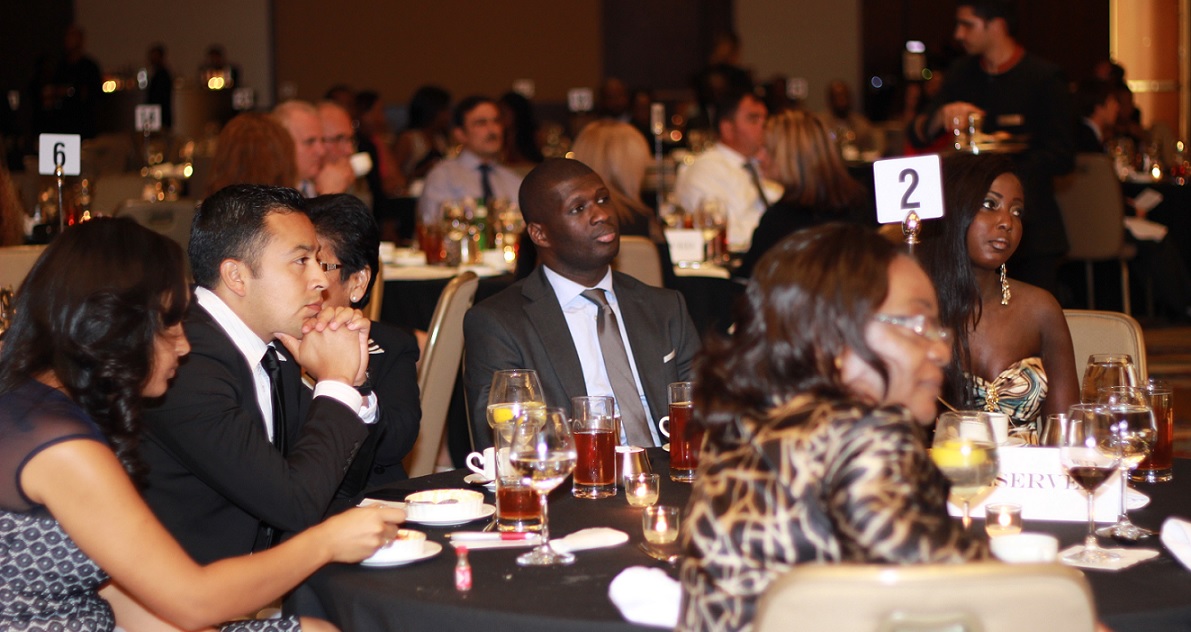
  • High-profile sport figures, global leaders, business leaders, political figure, journalists, activists, philanthropists, actors, and entrepreneurs united by their commitment to the Diaspora World Cup mission to eradicate illiteracy around the world through the power of soccer. They serve as role models and spread the Diaspora World Cup vision and commitment of a world mobilized through soccer.
  •  
  •  

South America Dance for the Diaspora World Cup.

Tue 19 Jul 2011 00:00 GMT

South America Dance for the Diaspora World Cup.

500 Dancers of the South American Cultural Dance performed during the Opening Ceremony of the 2011 Diaspora World Cup at the Germantown SoccerPlex Stadium.


Many dances and songs contain elements from both the native and the European cultures. Caporales, Tinkus, Morenada, and Ruphay seem to be the most popular Bolivian dance of present times. In a few decades it developed into an enormous popular dance, not only in the Highlands, where it comes from, but also in the Lowlands and in the Bolivian communities outside the country. Today, the Diaspora World Cup benefited from their expertise. More to come. Stay Tuned. The Diaspora World Cup

Dance is a powerful expression of cultural identity. Through rhythm, coordinated movement, and performance, dancers can communicate stories and traditions that have been passed down through generations. South American musical and dance traditions reflect a blend of Indigenous, African, and European influences, creating a diverse cultural landscape across the continent.


The lively character of these traditions makes dance a natural part of a community sporting celebration. Performances can energize spectators, encourage participation, and create an atmosphere in which people from different nationalities can appreciate one another’s cultures.

The Diaspora World Cup provides a gathering place for communities whose roots extend across the world. Soccer creates the occasion, while cultural activities help deepen the connections among players, families, supporters, and visitors. A South American dance performance contributes to that shared experience by giving the audience another way to engage with the cultures represented at the event.


These moments of cultural exchange help build understanding and strengthen community relationships. Whether people are cheering for a team or enjoying a performance, they can take part in an atmosphere of respect, enthusiasm, and togetherness.

The South American dance performance represents the broader spirit of the Diaspora World Cup: bringing people together through sport, culture, and community. It highlights how music and movement can cross language barriers and create connections among people with different backgrounds.


As the tournament celebrates international participation, cultural performances help make the experience more memorable for everyone involved. The combination of soccer and cultural expression reinforces the idea that the Diaspora World Cup is not only a sporting competition but also a celebration of diversity and the communities that make it possible.