
Welcome : The Diaspora Global Initiative
Responsive Header
  • Where We Work
  • Cameroon
  • The Diaspora World Cup operates in some of the major cities and metro areas in United States and Canada. Our network of register players includes 20 cities, 200 countries, 400 teams, and 10,000 players. Join our movement to solve the world's most pressing challenges: Illiteracy
  • Who We are text will be here Who We are text will be here Who We are text will be here Who We are text will be here Who We are text will be here Who We are text will be here Who We are text will be here Who We are text will be here Who We are text will be here
  • What We Do text will be here What We Do text will be here What We Do text will be here What We Do text will be here What We Do text will be here What We Do text will be here What We Do text will be here What We Do text will be here What We Do text will be here What We Do text will be here What We Do text will be here What We Do text will be here
  • Get Involved text will be here Get Involved text will be here Get Involved text will be here Get Involved text will be here Get Involved text will be here Get Involved text will be here Get Involved text will be here Get Involved text will be here Get Involved text will be here Get Involved text will be here
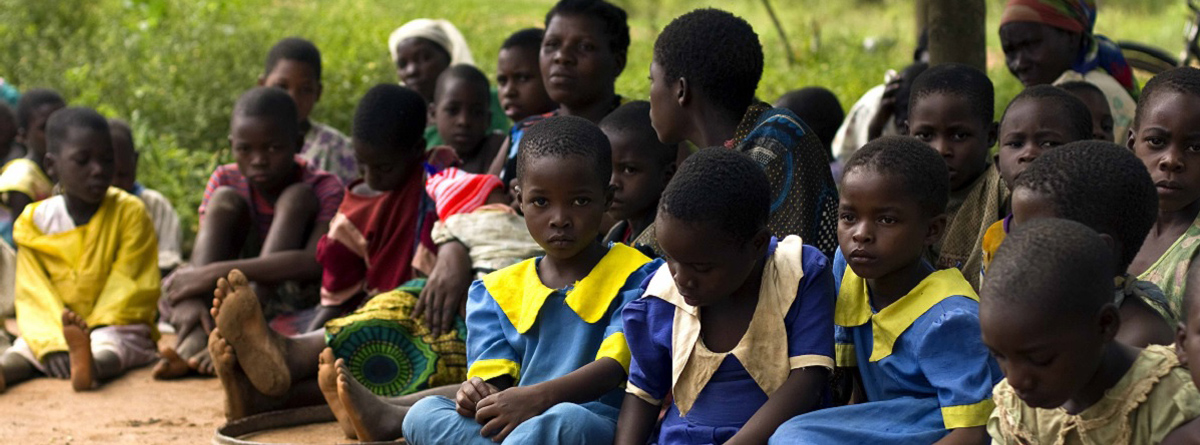
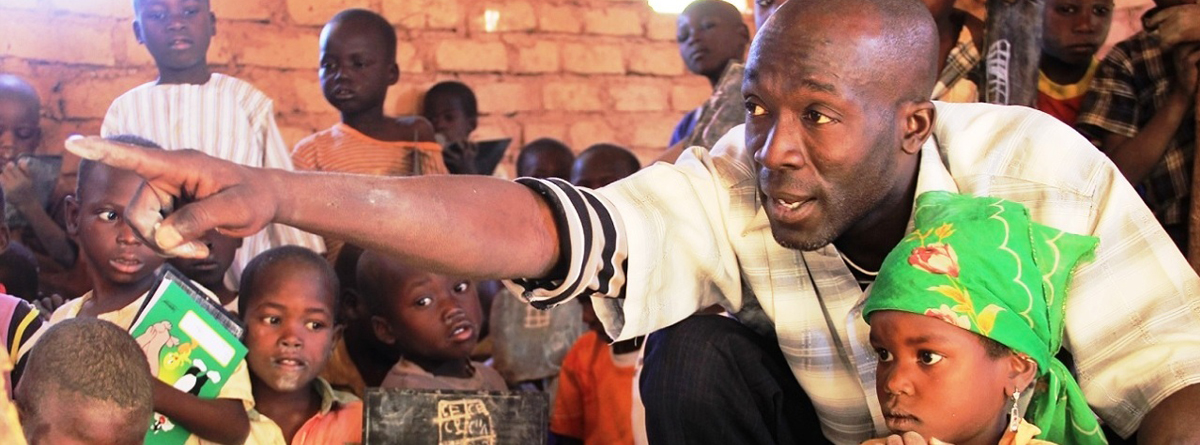
  • Education is a basic Human Right and the Diaspora World Cup global school program focuses its energy in some the poorest countries around the world. We build schools in some of the poorest countries around the worldthat historically had no adequate school structure. Any member of the World Diaspora has the power to end illiteracy around the world through the power of soccer.
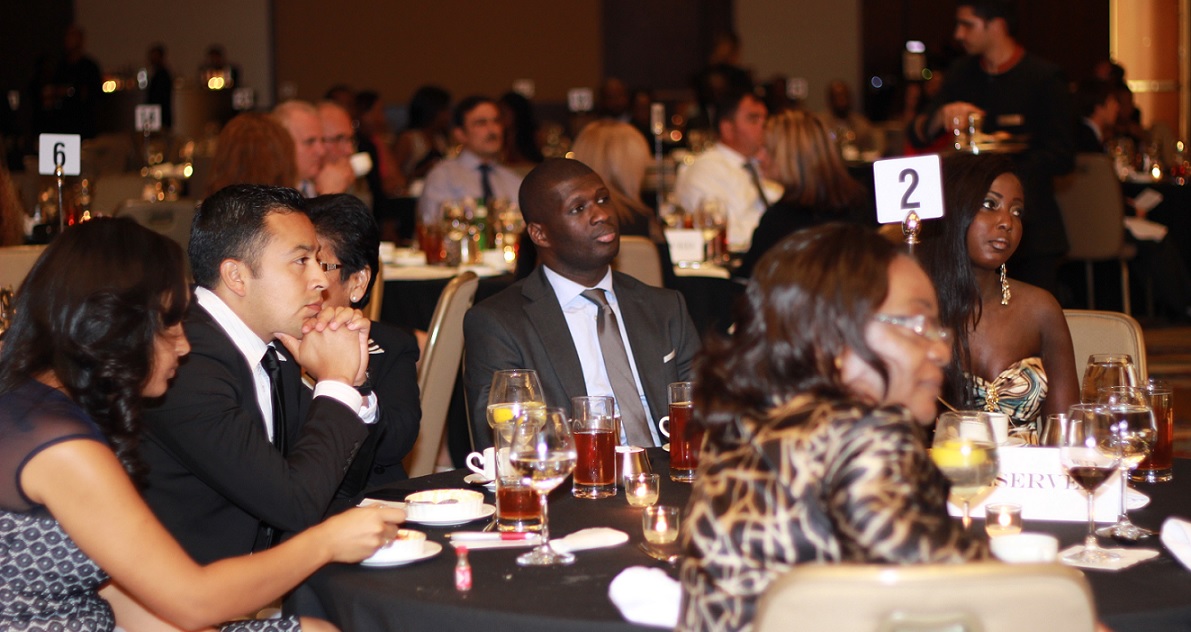
  • High-profile sport figures, global leaders, business leaders, political figure, journalists, activists, philanthropists, actors, and entrepreneurs united by their commitment to the Diaspora World Cup mission to eradicate illiteracy around the world through the power of soccer. They serve as role models and spread the Diaspora World Cup vision and commitment of a world mobilized through soccer.
  •  
  •  

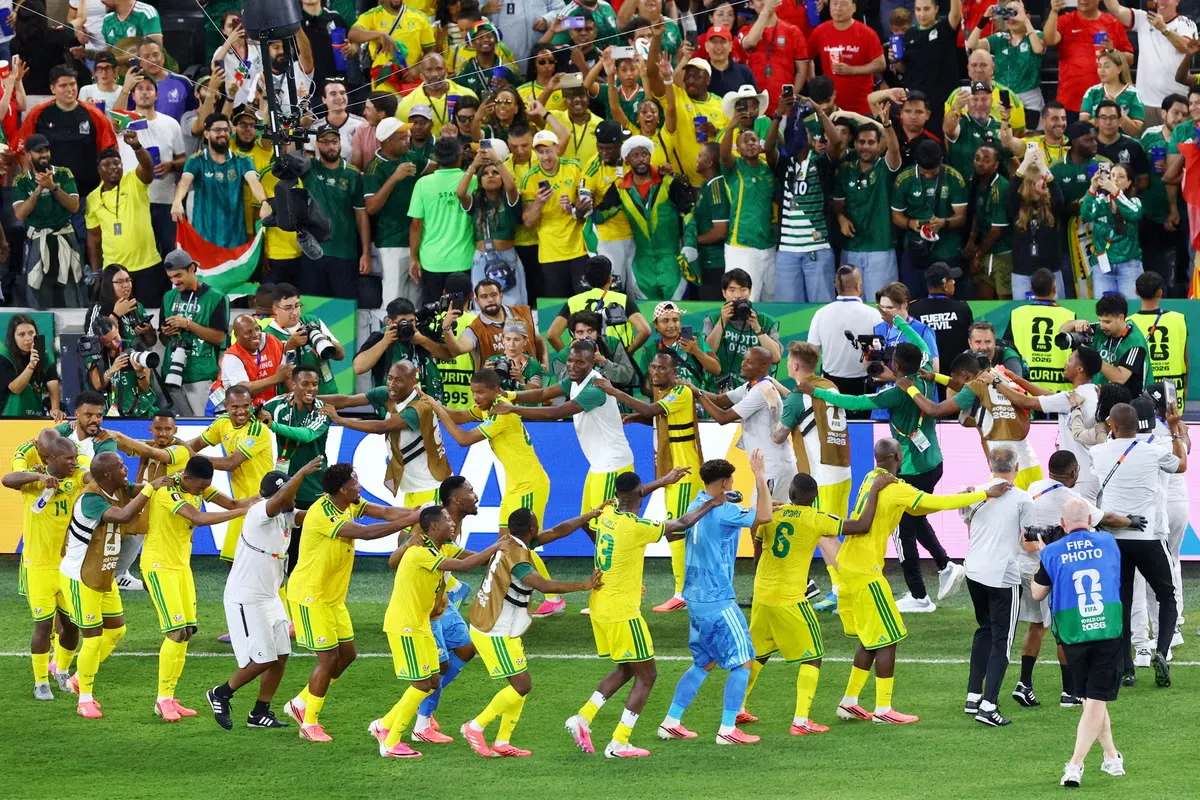
Defeated South Africa honored by fans.

Fri 08 Jul 2011 00:00 GMT

Defeated South Africa honored by fans.

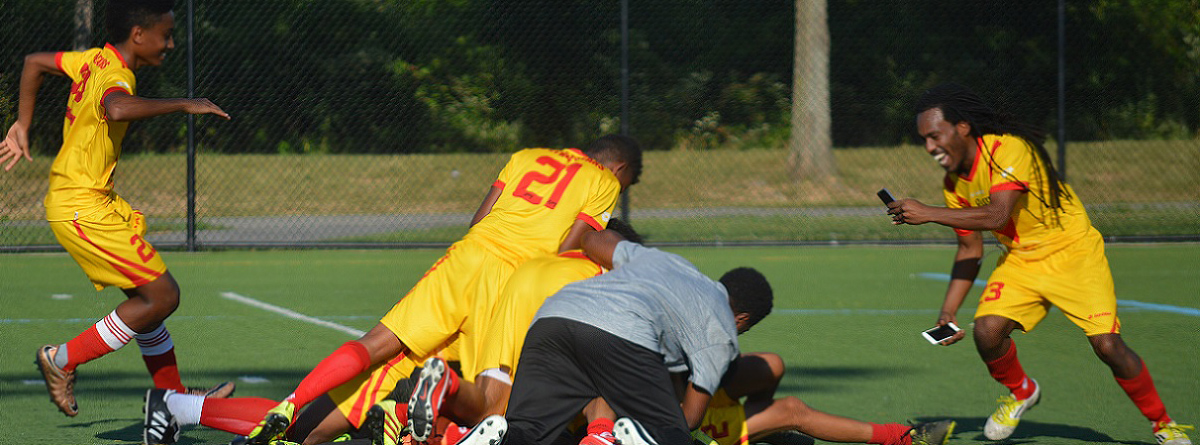
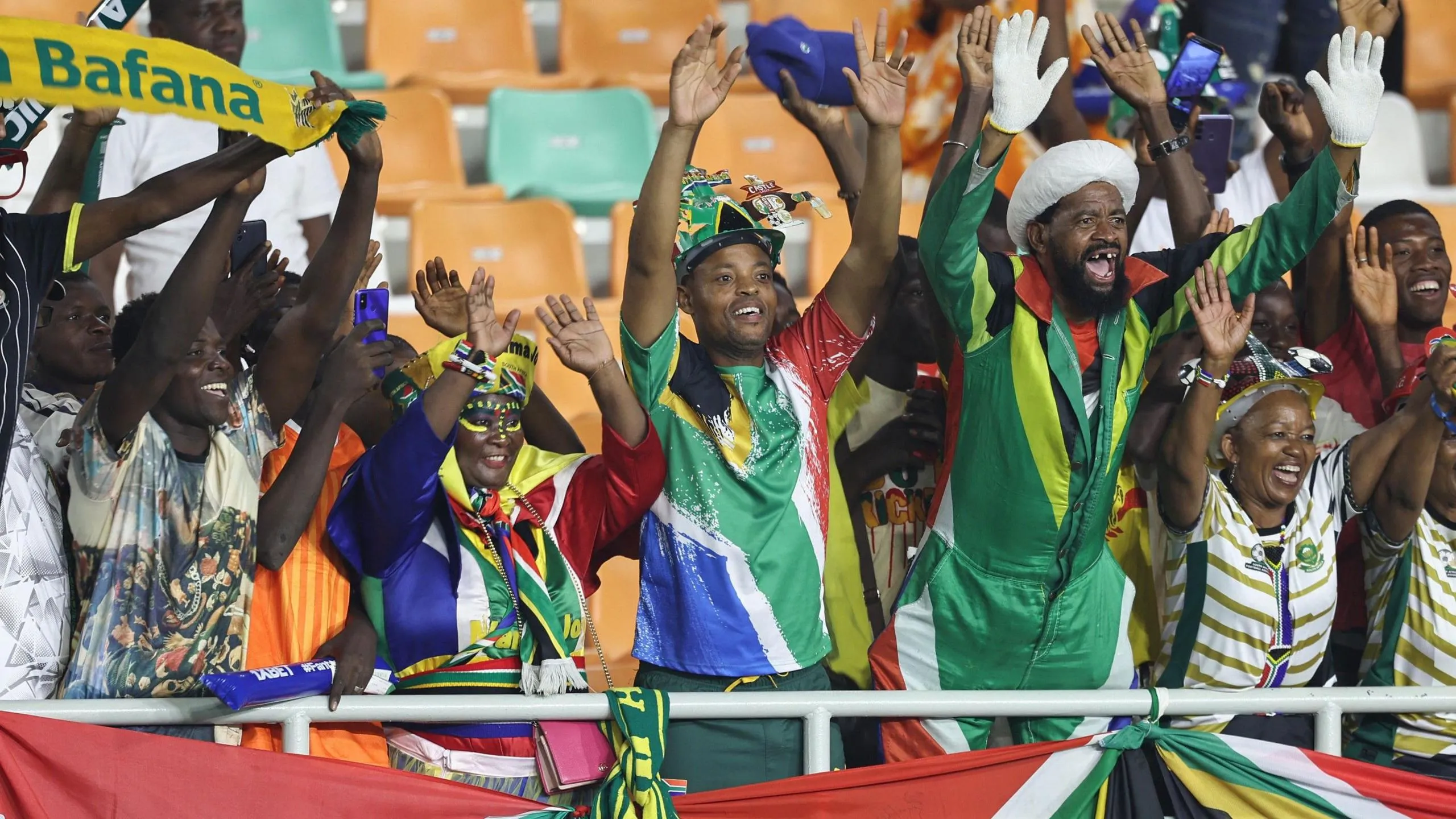
South African Big Fans at the Diaspora World Cup final against Nigeria at the Fairland Stadium.


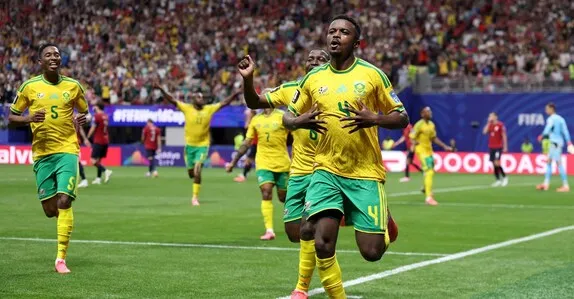
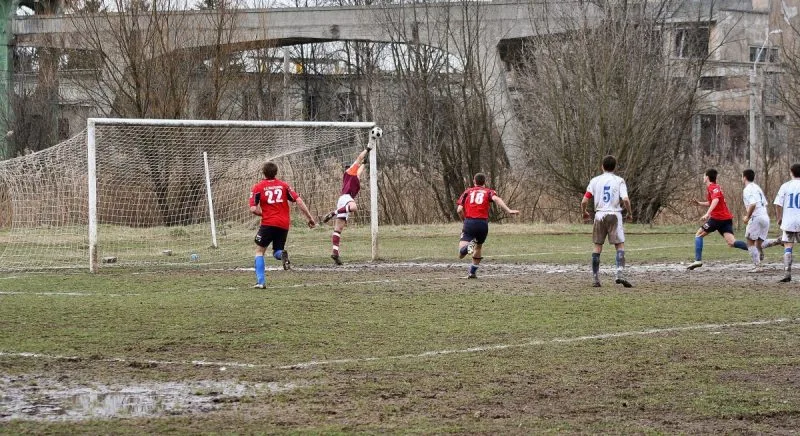
Hundreds of fans turned the canals of the Fairland field into a sea of multicolor last Saturday, honking vuvuzelas and throwing confetti at the South Africa team after its nail biting Diaspora World Cup defeat to Nigeria. "I have never seen a team fight to the end like this. The players deserve this parade even if they didn't win," says one fan with two chains of orange flowers draped around her neck, told the DWC press as she waited for a glimpse of hugs from any player. The South African team lost 2-5 to Nigeria at the Fairland Park in Silver Spring Saturday. "Right after the final whistle, we were very, very disappointed, but now we are mostly proud: second in the Diaspora World Cup is not bad when you think about it," said one fan with his cheeks painted in the red, white and blue orange of the South Africa flag. The Diaspora World Cup

Soccer is a competitive sport, and every team must accept both victories and defeats. A loss can be disappointing for players and supporters alike, but it can also provide an opportunity to reflect, learn, and prepare for future challenges.


When fans recognize a team's effort despite defeat, they help create a positive sporting environment. Their encouragement can reinforce the importance of perseverance and remind players that their commitment is valued. Such gestures also demonstrate that respect for a team is not limited to moments of success.

Supporters play an essential role in the atmosphere surrounding a soccer tournament. Their cheers, presence, and enthusiasm help bring communities together and give players an additional reason to keep pushing forward. During difficult matches, this support can be especially meaningful.


The Diaspora World Cup brings together teams and supporters from different national backgrounds, making the connection between soccer and community particularly important. South Africa's recognition by its fans, as described in the headline, reflects the spirit of standing together through both good and difficult moments.

Although defeat can be difficult to accept, it does not have to bring a team's ambitions to an end. Reviewing performance, strengthening teamwork, and learning from challenges can help players approach their next match with renewed focus.


The support of fans can remain an important source of motivation as a team moves forward. For South Africa, the message of this headline is that appreciation and respect can endure even when victory is out of reach. Ultimately, the spirit of soccer is found not only in winning but also in determination, sportsmanship, and the bond between players and their supporters.