
Welcome : The Diaspora Global Initiative
Responsive Header
  • Where We Work
  • Cameroon
  • The Diaspora World Cup operates in some of the major cities and metro areas in United States and Canada. Our network of register players includes 20 cities, 200 countries, 400 teams, and 10,000 players. Join our movement to solve the world's most pressing challenges: Illiteracy
  • Who We are text will be here Who We are text will be here Who We are text will be here Who We are text will be here Who We are text will be here Who We are text will be here Who We are text will be here Who We are text will be here Who We are text will be here
  • What We Do text will be here What We Do text will be here What We Do text will be here What We Do text will be here What We Do text will be here What We Do text will be here What We Do text will be here What We Do text will be here What We Do text will be here What We Do text will be here What We Do text will be here What We Do text will be here
  • Get Involved text will be here Get Involved text will be here Get Involved text will be here Get Involved text will be here Get Involved text will be here Get Involved text will be here Get Involved text will be here Get Involved text will be here Get Involved text will be here Get Involved text will be here
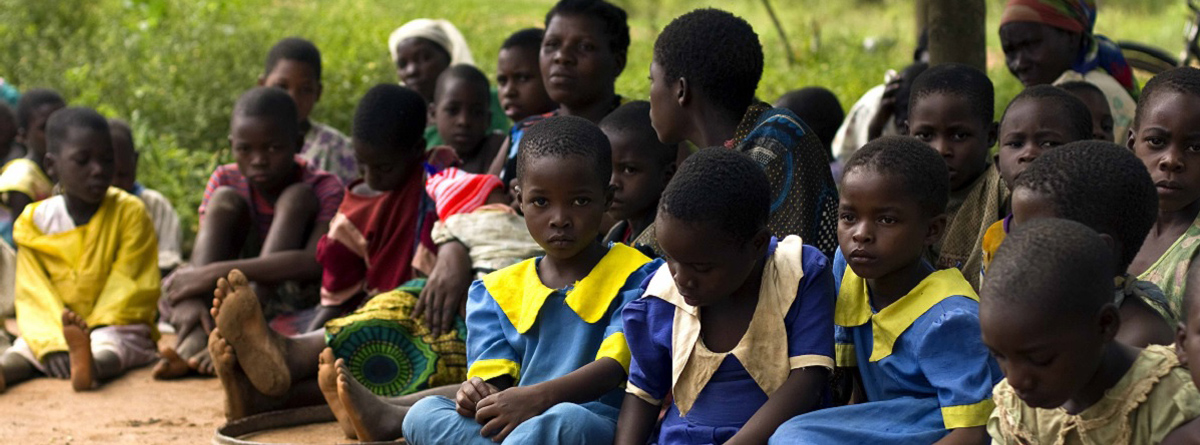
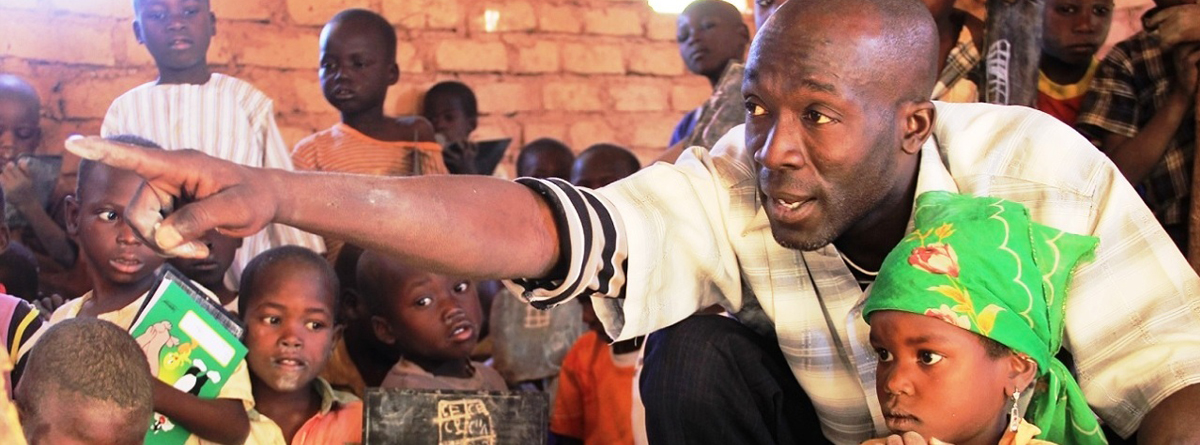
  • Education is a basic Human Right and the Diaspora World Cup global school program focuses its energy in some the poorest countries around the world. We build schools in some of the poorest countries around the worldthat historically had no adequate school structure. Any member of the World Diaspora has the power to end illiteracy around the world through the power of soccer.
  • High-profile sport figures, global leaders, business leaders, political figure, journalists, activists, philanthropists, actors, and entrepreneurs united by their commitment to the Diaspora World Cup mission to eradicate illiteracy around the world through the power of soccer. They serve as role models and spread the Diaspora World Cup vision and commitment of a world mobilized through soccer.
  •  
  •  

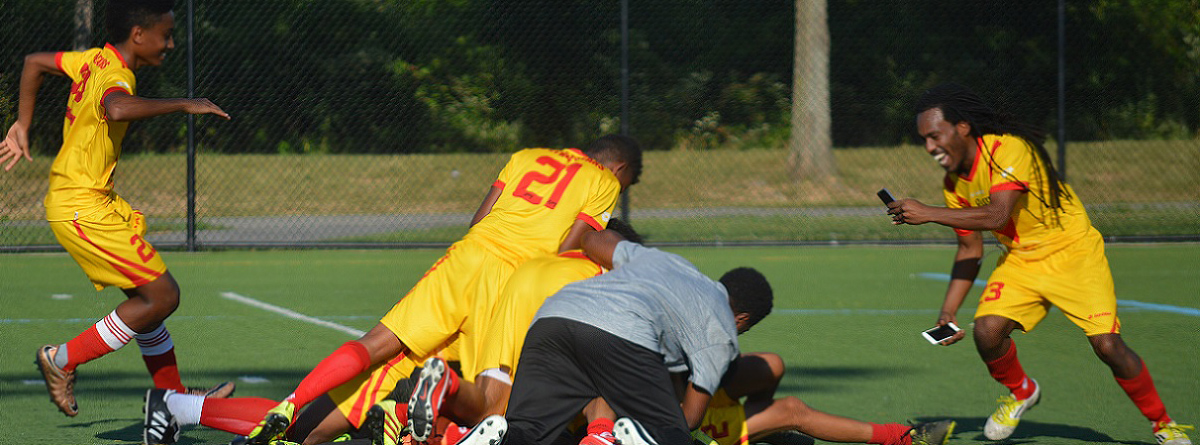
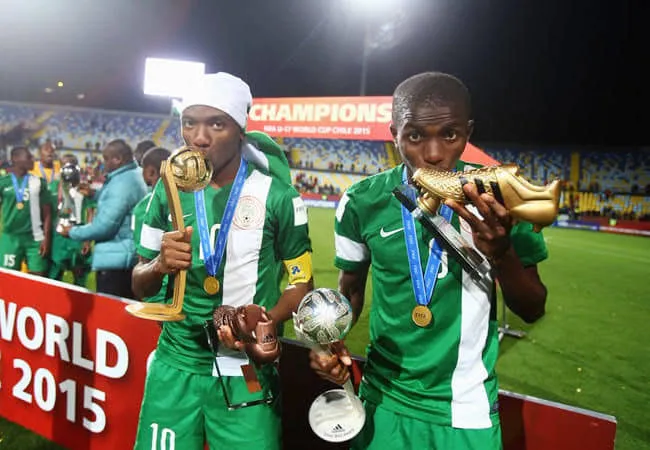
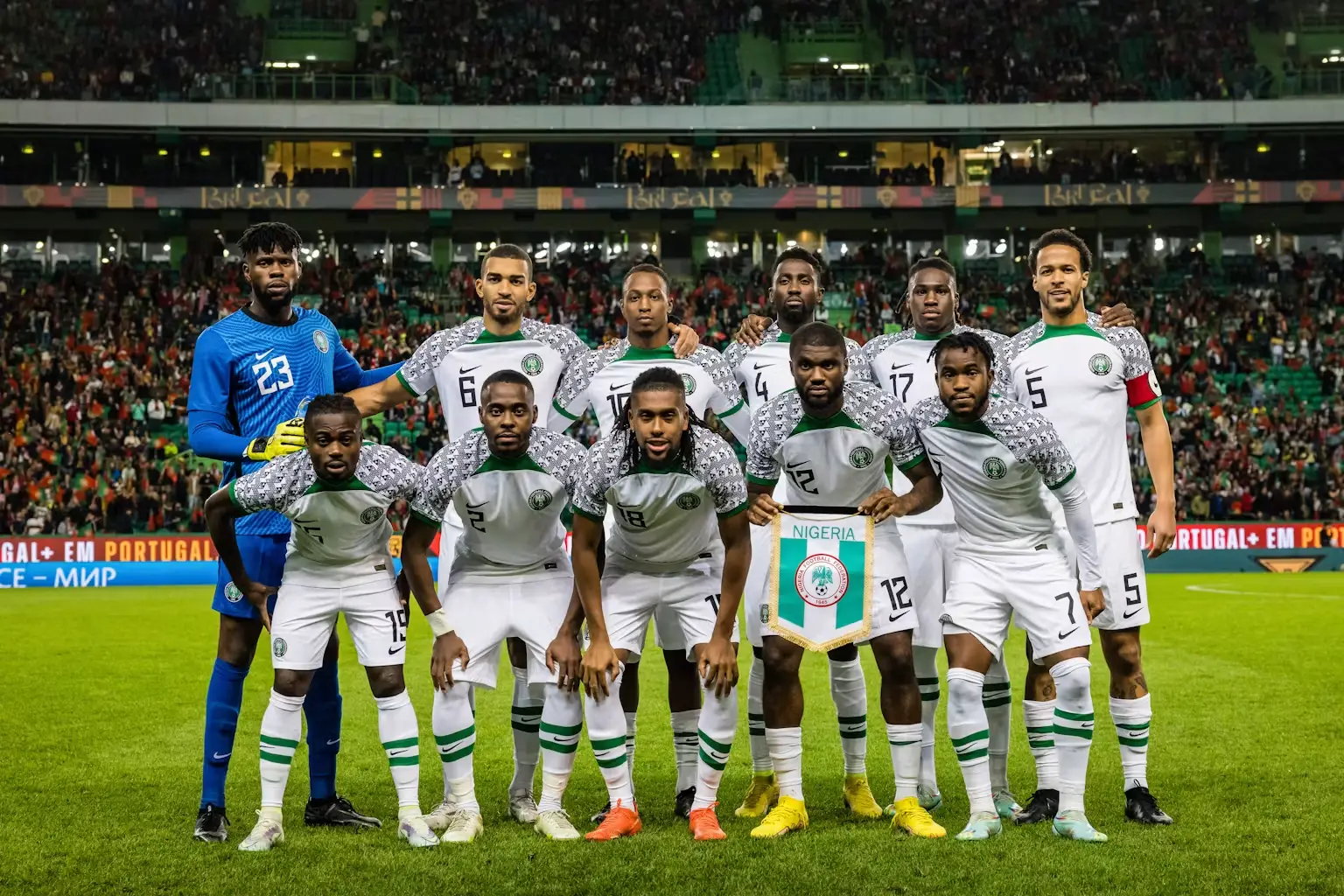
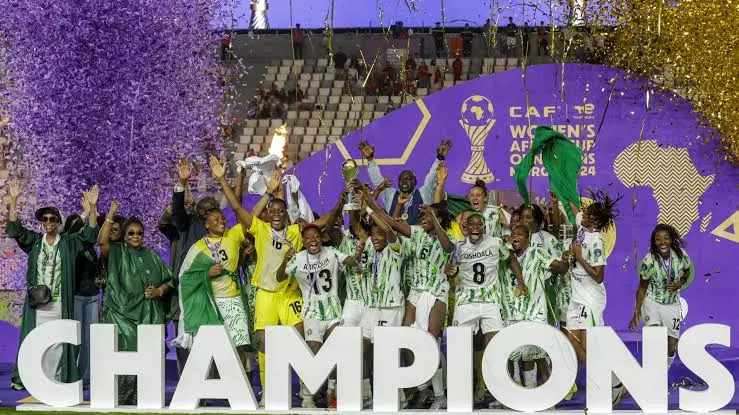
Nigeria strikes Gold Medal at the 2011 Diaspora World Cup.

Thu 07 Jul 2011 00:00 GMT

Nigeria strikes Gold Medal at the 2011 Diaspora World Cup.

Nigeria team owner Femi Alabi and head coach Donald Igwebuike never lost faith in achieving the 2011 Diaspora World Cup triumph, despite a frustrating knockout stage season with inconsistency and never come to a good agreement with other teams and the organization committee about the venues and time of most games.


I have always had faith and confidence. I had a lot of confidence in this team from the very first moments. Donald Igwebuike, Nigeria Head Coach. "It has been a difficult season, hard for us in many ways, but there have also been moments of the season when I have felt good, especially during the penalty kicks with Armenia. It has simply been a hard knockout season and nothing more. The group stage games were so excited and keen to play. I really hoped things would turn out well for us and everything changed - the team recovered well and it ended up as we knew it could." Donald added. The Diaspora World Cup

Football success depends on more than individual talent. Players must work together, communicate effectively, and remain focused throughout the competition. A team's ability to combine its strengths and respond to challenges can be crucial in a tournament where every match presents a new test.


Nigeria's reported gold-medal finish highlights these qualities as central themes of the team's achievement. Such recognition also reflects the effort of coaches, players, and supporters who contribute to the team's journey and help create a strong sense of unity.

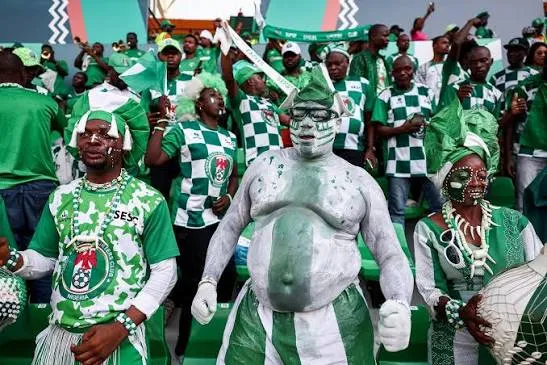
For supporters, seeing their team succeed is a source of excitement and national pride. Football has a unique ability to bring people together, allowing communities to celebrate shared achievements regardless of where they live.


At the Diaspora World Cup, that connection extends beyond the pitch. The tournament creates opportunities for people from different backgrounds to meet, support their teams, and celebrate cultural identity through sport. Nigeria's reported success would have provided an especially meaningful occasion for its supporters to celebrate their team's performance.

The significance of a tournament achievement extends beyond the medal itself. It can strengthen a team's reputation, encourage future participation, and inspire players to continue developing their skills. Sporting milestones also contribute to the history and shared memories of the communities involved.


Nigeria's 2011 gold-medal story reflects the ambition and competitive spirit celebrated by the Diaspora World Cup. While the specific final result and match details could not be independently confirmed, the headline captures the pride associated with a team reaching the top of a competition.