
Welcome : The Diaspora Global Initiative
Responsive Header
  • Where We Work
  • Cameroon
  • The Diaspora World Cup operates in some of the major cities and metro areas in United States and Canada. Our network of register players includes 20 cities, 200 countries, 400 teams, and 10,000 players. Join our movement to solve the world's most pressing challenges: Illiteracy
  • Who We are text will be here Who We are text will be here Who We are text will be here Who We are text will be here Who We are text will be here Who We are text will be here Who We are text will be here Who We are text will be here Who We are text will be here
  • What We Do text will be here What We Do text will be here What We Do text will be here What We Do text will be here What We Do text will be here What We Do text will be here What We Do text will be here What We Do text will be here What We Do text will be here What We Do text will be here What We Do text will be here What We Do text will be here
  • Get Involved text will be here Get Involved text will be here Get Involved text will be here Get Involved text will be here Get Involved text will be here Get Involved text will be here Get Involved text will be here Get Involved text will be here Get Involved text will be here Get Involved text will be here
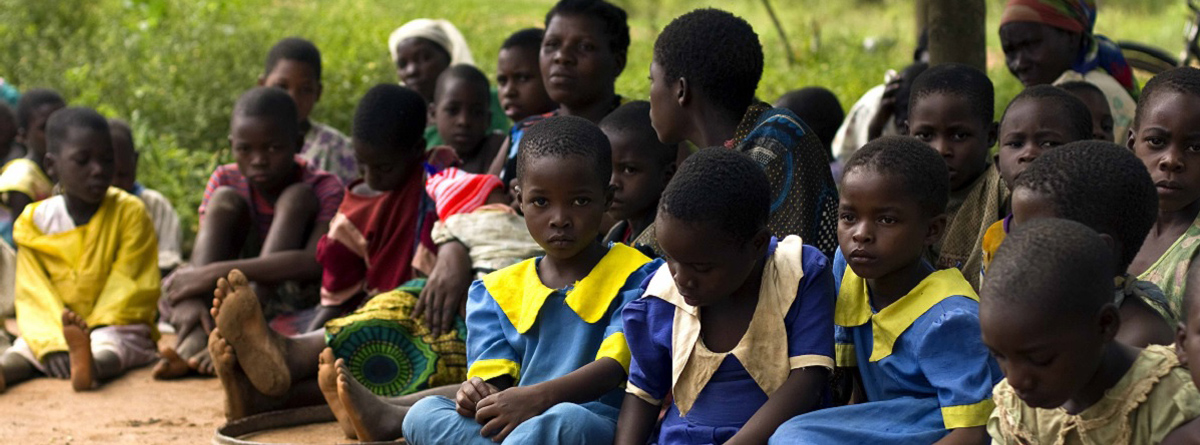
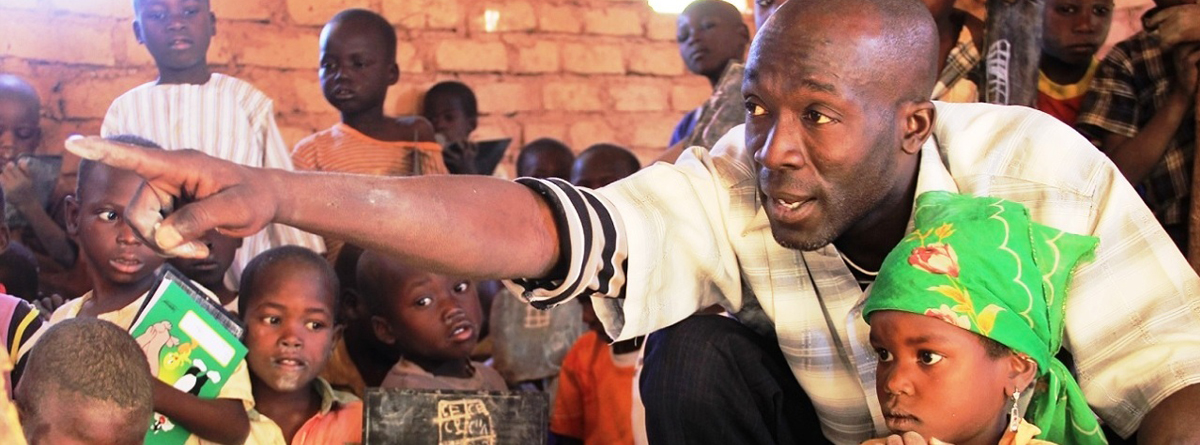
  • Education is a basic Human Right and the Diaspora World Cup global school program focuses its energy in some the poorest countries around the world. We build schools in some of the poorest countries around the worldthat historically had no adequate school structure. Any member of the World Diaspora has the power to end illiteracy around the world through the power of soccer.
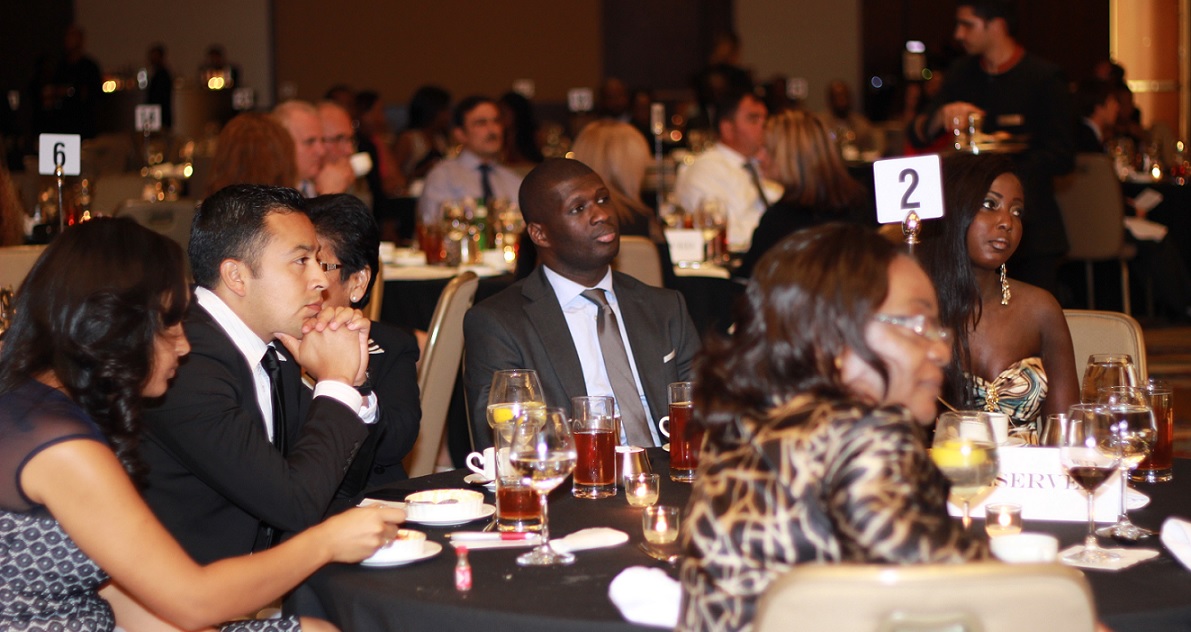
  • High-profile sport figures, global leaders, business leaders, political figure, journalists, activists, philanthropists, actors, and entrepreneurs united by their commitment to the Diaspora World Cup mission to eradicate illiteracy around the world through the power of soccer. They serve as role models and spread the Diaspora World Cup vision and commitment of a world mobilized through soccer.
  •  
  •  

Thomas N. Wins the Golden Ball of the 2011 Diaspora World Cup.

Thu 07 Jul 2011 00:00 GMT

Thomas N. Wins the Golden Ball of the 2011 Diaspora World Cup.

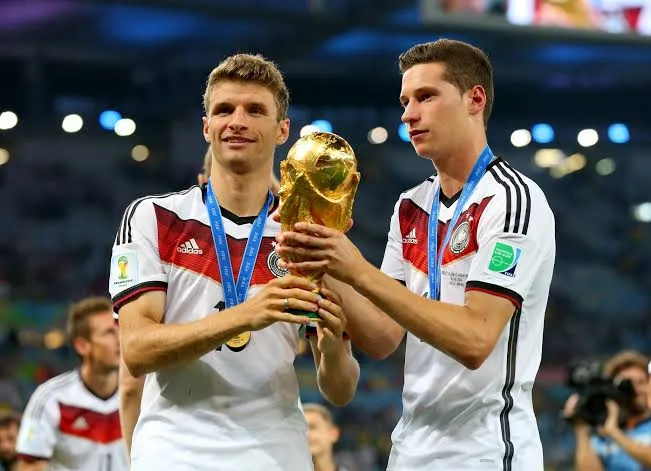
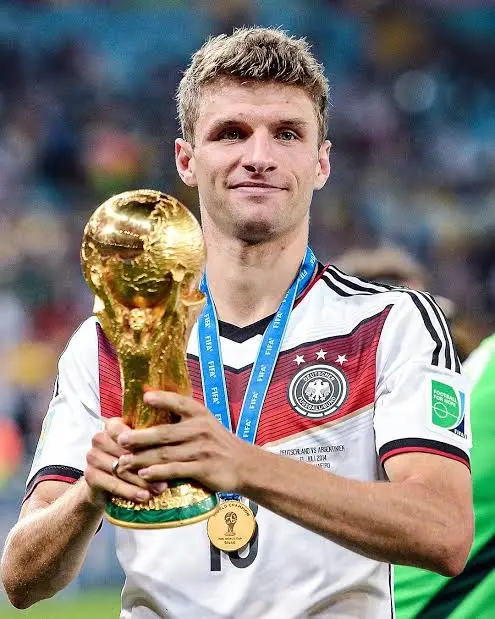
South Africa striker Thomas Noonan wins the Golden Ball award (best player) at the 2011 Diaspora World Cup after leading his team to a runner up place finish in the tournament.


The Golden Ball, given to the best player at the Diaspora World Cup, was awarded to Noonan over Nigeria's forward Kunle Banjo and the United States midfielder Jose Ramos, who finished second and third respectively in the voting. Tom Noonan, despite just playing the second half of the final against Nigeria because of a leg injury, scored an extraordinary goal using the rabona technique the previous match against Ethiopia. After receiving his golden trophy, Tom Noonan didn't waste any time in sharing the reward with his teammates. "I'd also like to highlight those lads who didn't play much or didn't feature at all," he said. "Those guys make up the backbone of the squad and this award is for them too." The Diaspora World Cup

The Golden Ball is commonly associated with recognition of a tournament's outstanding player. Such an honour can reflect a player's overall contribution, technical ability, consistency, and influence on the team's performances.


In a tournament featuring teams from different communities, individual recognition can also bring attention to the talent participating beyond mainstream professional football. Players have an opportunity to demonstrate their abilities, represent their communities, and earn appreciation from teammates and supporters.

Football awards may recognize one player, but strong performances are often supported by the work of an entire team. Passing, defensive organization, movement, communication, and cooperation all contribute to creating opportunities for individuals to make an impact.


The Diaspora World Cup provides a setting in which players can compete while representing their communities and building connections through sport. Recognition of an individual player can therefore celebrate both personal ability and the collective environment that helps talent develop.

The 2011 Diaspora World Cup forms part of the tournament's history of bringing together football teams and supporters from diverse backgrounds. Its matches provided a platform for competition, community pride, and the recognition of players' contributions.


The reported Golden Ball award places Thomas N. within that historical story. Confirming the award's official details, including his full name, team, performances, and selection criteria, would help establish a fuller account of his achievement.