
Welcome : The Diaspora Global Initiative
Responsive Header
  • Where We Work
  • Cameroon
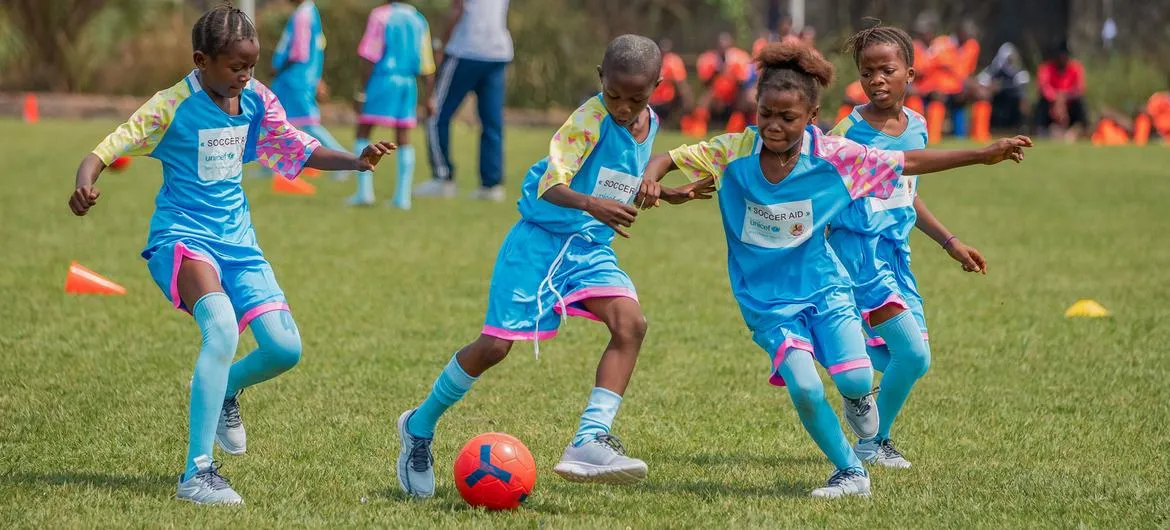
  • The Diaspora World Cup operates in some of the major cities and metro areas in United States and Canada. Our network of register players includes 20 cities, 200 countries, 400 teams, and 10,000 players. Join our movement to solve the world's most pressing challenges: Illiteracy
  • Who We are text will be here Who We are text will be here Who We are text will be here Who We are text will be here Who We are text will be here Who We are text will be here Who We are text will be here Who We are text will be here Who We are text will be here
  • What We Do text will be here What We Do text will be here What We Do text will be here What We Do text will be here What We Do text will be here What We Do text will be here What We Do text will be here What We Do text will be here What We Do text will be here What We Do text will be here What We Do text will be here What We Do text will be here
  • Get Involved text will be here Get Involved text will be here Get Involved text will be here Get Involved text will be here Get Involved text will be here Get Involved text will be here Get Involved text will be here Get Involved text will be here Get Involved text will be here Get Involved text will be here
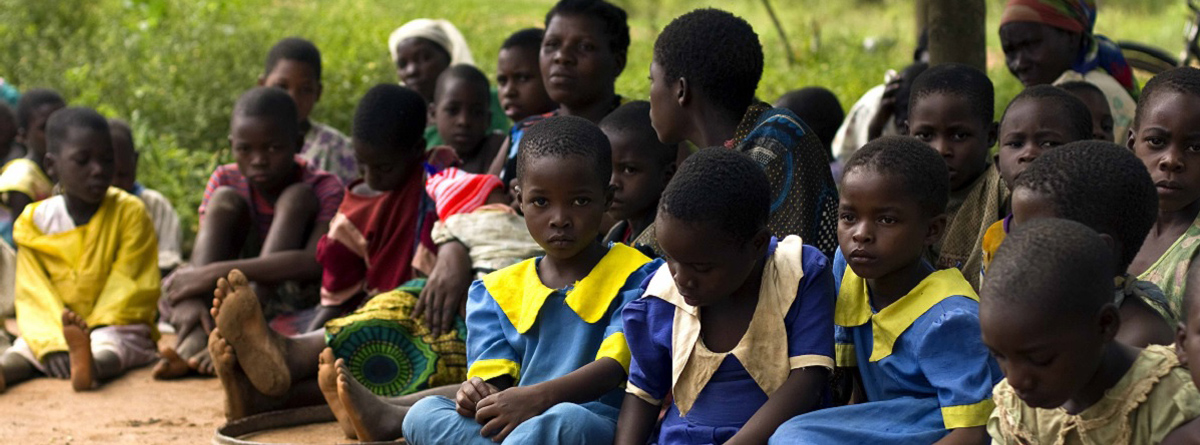
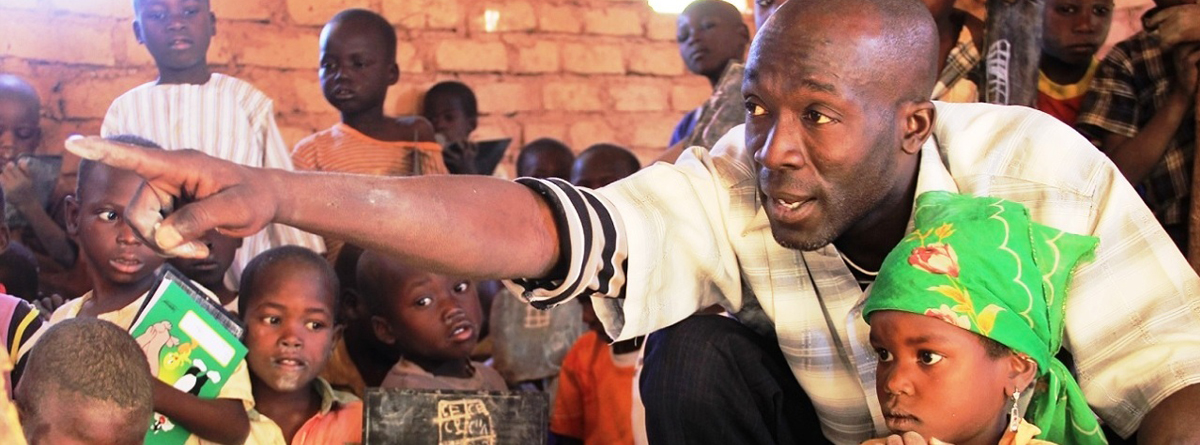
  • Education is a basic Human Right and the Diaspora World Cup global school program focuses its energy in some the poorest countries around the world. We build schools in some of the poorest countries around the worldthat historically had no adequate school structure. Any member of the World Diaspora has the power to end illiteracy around the world through the power of soccer.
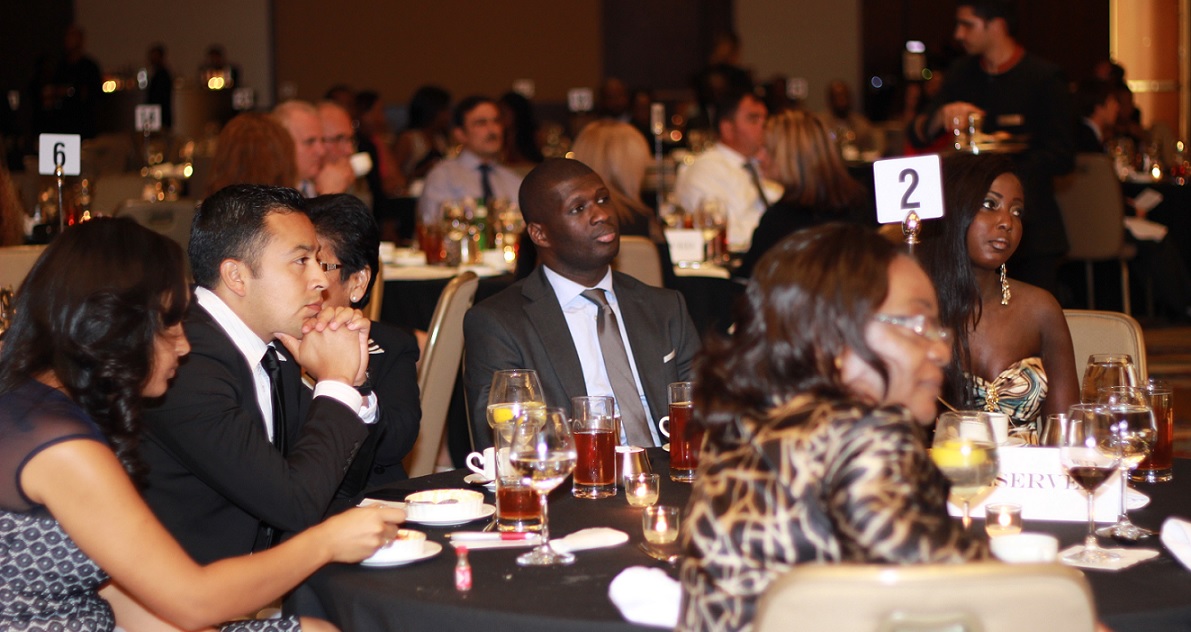
  • High-profile sport figures, global leaders, business leaders, political figure, journalists, activists, philanthropists, actors, and entrepreneurs united by their commitment to the Diaspora World Cup mission to eradicate illiteracy around the world through the power of soccer. They serve as role models and spread the Diaspora World Cup vision and commitment of a world mobilized through soccer.
  •  
  •  

African Union humiliated by the youngest South Africa: 6-1

Thu 19 May 2011 00:00 GMT

African Union humiliated by the youngest South Africa: 6-1

African Union Midfielder Herve (left) and Striker Black Ngando (right) minutes before the game.


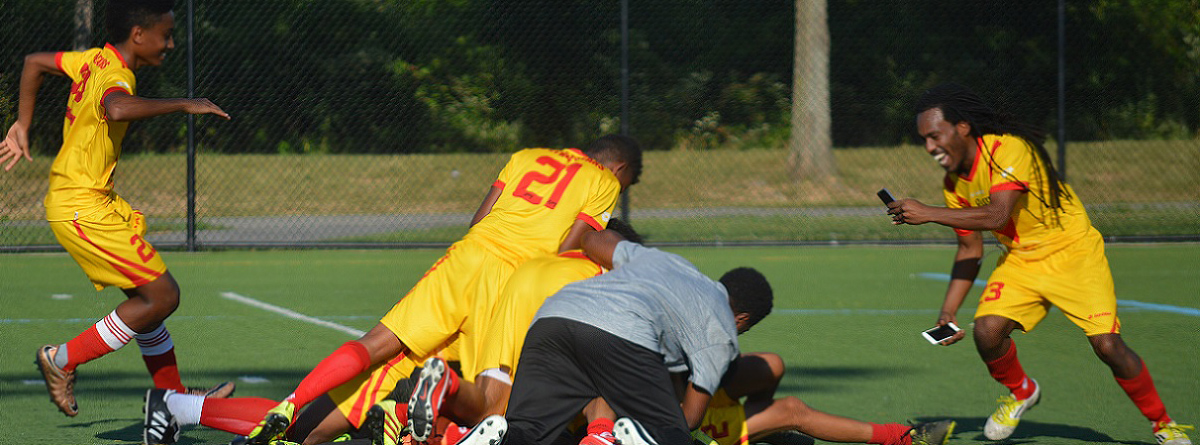
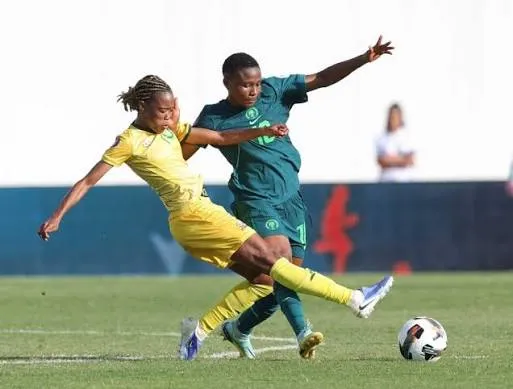
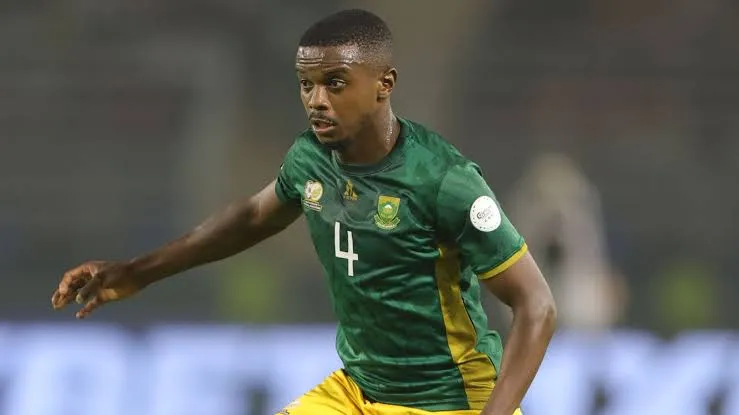
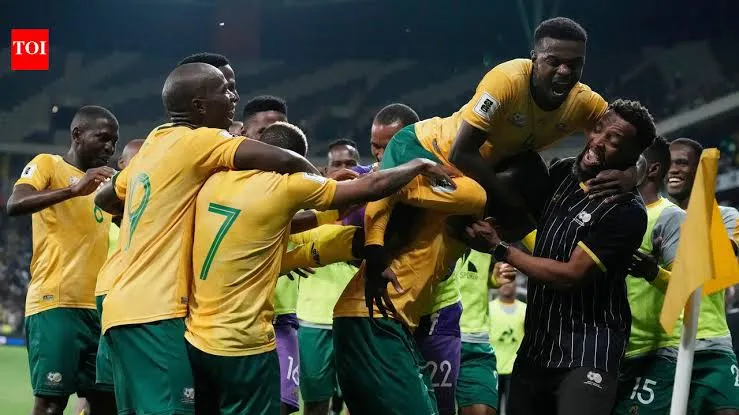
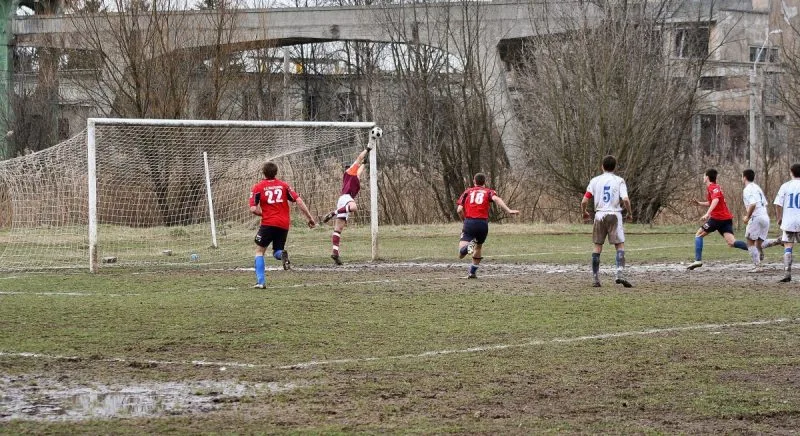
The supposedly weakened South Africa humiliated the favorite African Union 6-1 at the 2011 Diaspora World Cup Group A match held at the Germantown SoccerPlex. South Africa has an overall young squad, while African Union boasted of great experience as they have most of their players who played the Deux Zeros for over two decades. African Union played aggressively when the match began, pressing South Africa to some mistakes. At the 4th minute, they had an early chance that its striker Black Ngando hit a corner towards goal but the South African goalkeeper blocked on the line. However, South Africa found their rhythm at the 18th minute that Thomas Nonan pulled the ball back for Idrissa Cisse to power home a left-foot drive. African Union's most capped player and goalie failed to keep it out. Diaspora World Cup News.

A young football team can bring a distinctive intensity to a match. Players who are eager to establish themselves may press aggressively, move quickly between defence and attack, and work hard to support one another across the pitch. These qualities can become particularly effective when the team maintains its shape and makes good decisions under pressure.


However, youth alone does not guarantee success. Players must communicate, stay disciplined, and understand their responsibilities throughout the game. A strong performance depends on turning physical energy into coordinated football, with each player contributing to the team's overall plan.

A six-goal defeat would be a major setback for African Union. Such a scoreline suggests a match in which the losing side struggled to contain its opponent, although the exact causes cannot be established without a verified match report or footage.


Recovering from a heavy defeat requires an honest assessment of the team's performance. Coaches and players may need to examine defensive organization, communication, possession, and the ability to respond after conceding. Identifying the problems is essential if a team hopes to improve in subsequent fixtures.

The Diaspora World Cup provides a platform for teams to represent their communities and compete in a shared football environment. Its stories are shaped not only by trophies and final standings, but also by unexpected results and performances that challenge expectations.


South Africa's reported 6–1 victory over African Union stands out in the supplied headline because of the contrast between the young South African side and the scale of the scoreline. A result of that size would naturally attract attention from supporters and make the team's performance a talking point.