
Welcome : The Diaspora Global Initiative
Responsive Header
  • Where We Work
  • Cameroon
  • The Diaspora World Cup operates in some of the major cities and metro areas in United States and Canada. Our network of register players includes 20 cities, 200 countries, 400 teams, and 10,000 players. Join our movement to solve the world's most pressing challenges: Illiteracy
  • Who We are text will be here Who We are text will be here Who We are text will be here Who We are text will be here Who We are text will be here Who We are text will be here Who We are text will be here Who We are text will be here Who We are text will be here
  • What We Do text will be here What We Do text will be here What We Do text will be here What We Do text will be here What We Do text will be here What We Do text will be here What We Do text will be here What We Do text will be here What We Do text will be here What We Do text will be here What We Do text will be here What We Do text will be here
  • Get Involved text will be here Get Involved text will be here Get Involved text will be here Get Involved text will be here Get Involved text will be here Get Involved text will be here Get Involved text will be here Get Involved text will be here Get Involved text will be here Get Involved text will be here
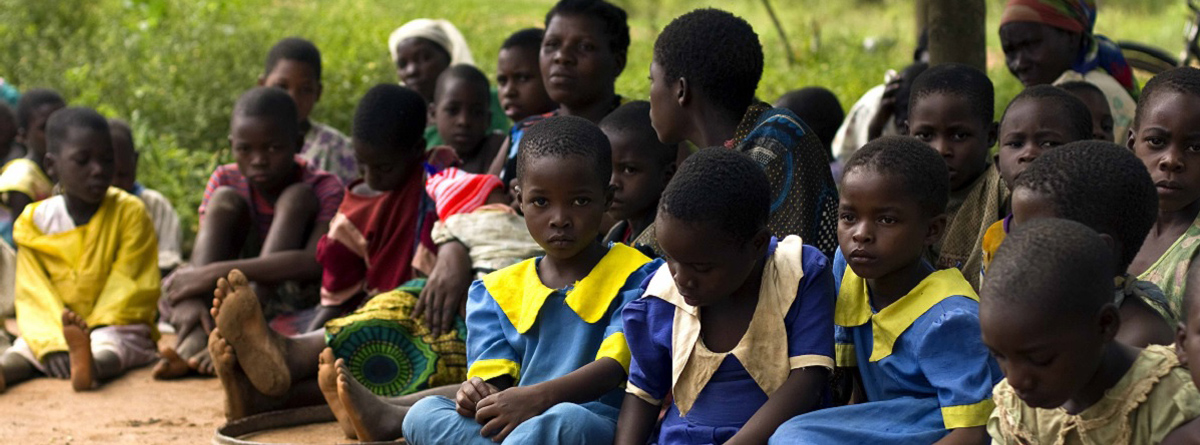
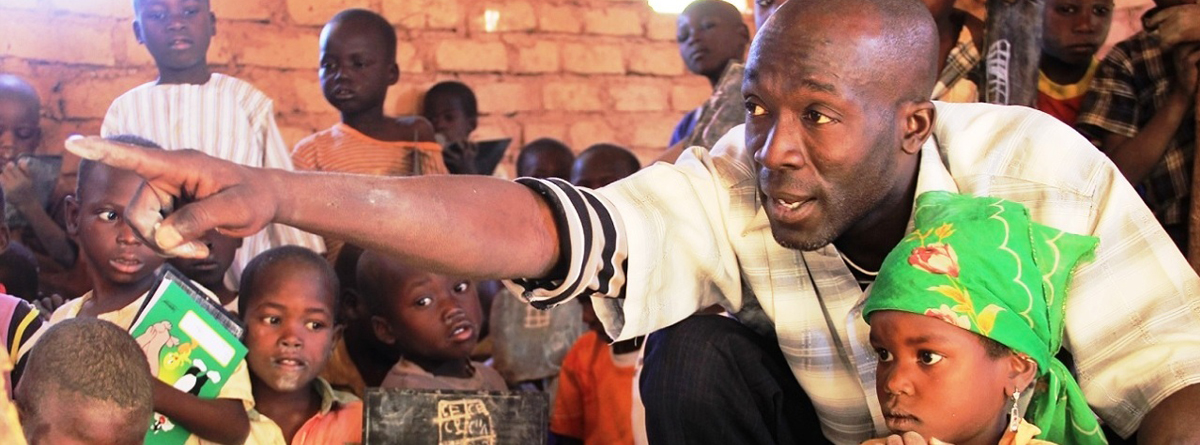
  • Education is a basic Human Right and the Diaspora World Cup global school program focuses its energy in some the poorest countries around the world. We build schools in some of the poorest countries around the worldthat historically had no adequate school structure. Any member of the World Diaspora has the power to end illiteracy around the world through the power of soccer.
  • High-profile sport figures, global leaders, business leaders, political figure, journalists, activists, philanthropists, actors, and entrepreneurs united by their commitment to the Diaspora World Cup mission to eradicate illiteracy around the world through the power of soccer. They serve as role models and spread the Diaspora World Cup vision and commitment of a world mobilized through soccer.
  •  
  •  

Manual: Cote d'Ivoire reminds me of Burkina Faso.

Wed 18 May 2011 00:00 GMT

Manual: Cote d'Ivoire reminds me of Burkina Faso.

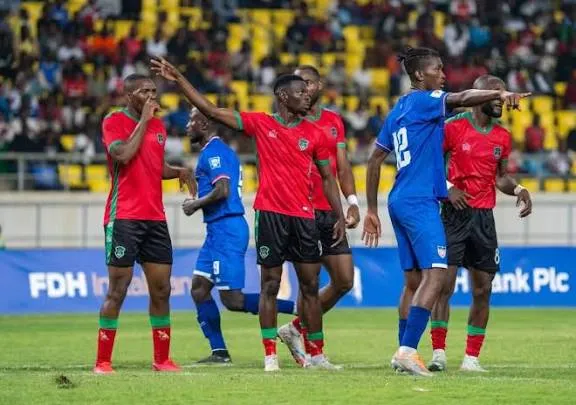
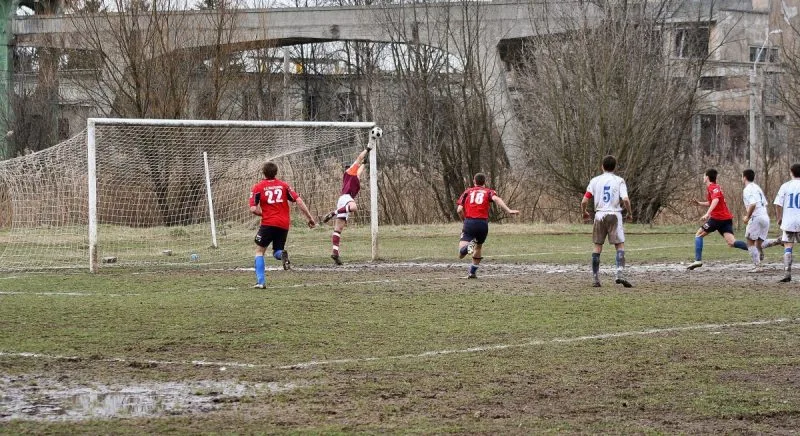
El Salvador Head Coach and Technical Director Manual has compared Cote d'Ivoire to Burkina Faso ahead of his side's group meeting this coming weekend at the Germantown SoccerPlex.


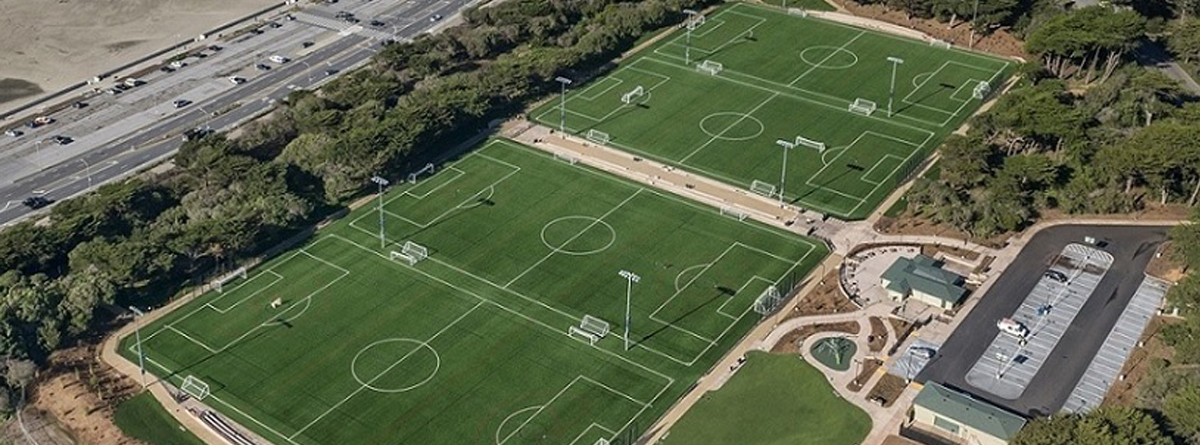
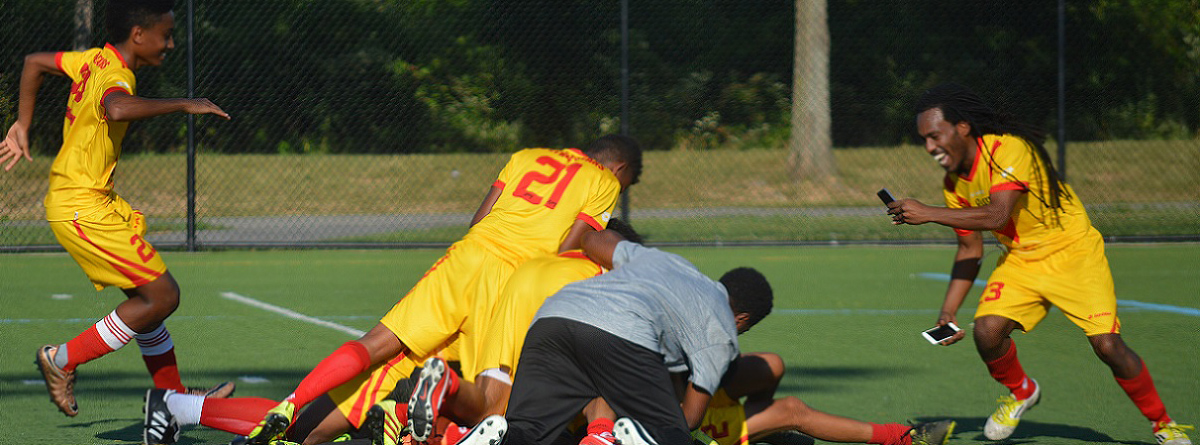
El Salvador, like Cote d'Ivoire, have already wrapped up their muscles and can now focus on the Germantown showpiece on May 22. The match is a No repeat. This would be the first time both teams come for a dual at Diaspora World Cup. Cote d'Ivoire is extraordinarily strong, very similar to Burkina Faso. They are a hard-working side and it's very hard to hurt them. Says Manual, coach of El Salvador. He also admits he is concerned by Cote d'Ivoire's counter-attacking ability. "We have to be very careful because they can score against you on the break," he said. "We have to know how to interpret the final, depending on how they play, and play the game on our terms." It will be safe to say whether you win or lose this Sunday at SoccerPlex, your presence at the Diaspora World Cup corroborates the football hegemony of the DC Metro area. 

Football teams can resemble one another in several ways. Their tactical formations, approach to pressing, speed on the counterattack, and use of wide players can create similar patterns on the pitch. Even teams with different levels of experience may share an aggressive style or a preference for quick transitions from defence to attack.


A comparison can also come from the character of a team. Players who work hard, remain disciplined, and support one another can create a recognizable identity. Supporters and observers often notice these qualities before they examine the finer tactical details.

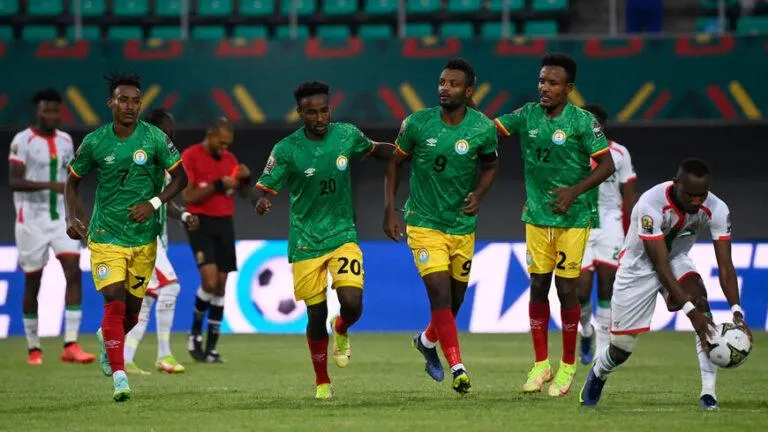
Côte d’Ivoire and Burkina Faso are neighbouring countries in West Africa, and football provides a shared arena for competition, national pride, and sporting exchange. Their geographical closeness has also contributed to longstanding connections between their communities. Côte d’Ivoire has historically been a destination for people from neighbouring countries, including Burkina Faso, creating social and cultural links beyond football.


Regional football rivalries can make comparisons especially interesting. Fans often discuss which team plays with more confidence, which squad has greater depth, or which players are most likely to influence a match. These conversations add another layer to the game and help supporters understand how teams differ and where they share strengths.

The headline places Manual's comparison at the centre of the story, but the original context is necessary to understand exactly what prompted the remark. It could have referred to a tactical observation, a team's overall performance, or a broader impression of the football played by Côte d’Ivoire and Burkina Faso.


Even without those missing details, the comparison highlights how football encourages people to evaluate teams through their performances and identities. Observers look for familiar patterns, identify strengths, and debate what makes one side distinctive from another.