
Welcome : The Diaspora Global Initiative
Responsive Header
  • Where We Work
  • Cameroon
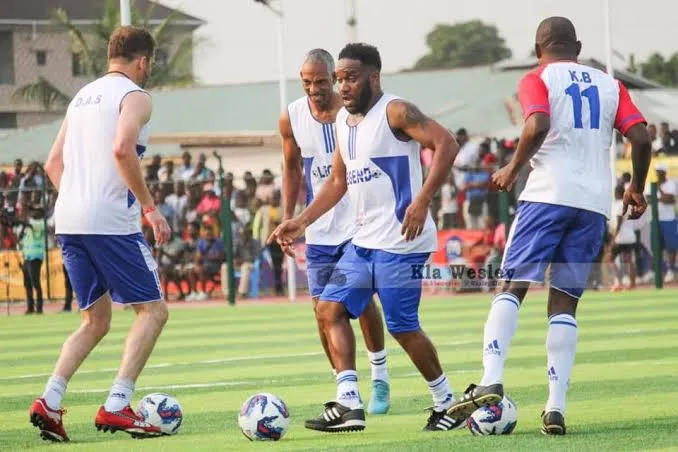
  • The Diaspora World Cup operates in some of the major cities and metro areas in United States and Canada. Our network of register players includes 20 cities, 200 countries, 400 teams, and 10,000 players. Join our movement to solve the world's most pressing challenges: Illiteracy
  • Who We are text will be here Who We are text will be here Who We are text will be here Who We are text will be here Who We are text will be here Who We are text will be here Who We are text will be here Who We are text will be here Who We are text will be here
  • What We Do text will be here What We Do text will be here What We Do text will be here What We Do text will be here What We Do text will be here What We Do text will be here What We Do text will be here What We Do text will be here What We Do text will be here What We Do text will be here What We Do text will be here What We Do text will be here
  • Get Involved text will be here Get Involved text will be here Get Involved text will be here Get Involved text will be here Get Involved text will be here Get Involved text will be here Get Involved text will be here Get Involved text will be here Get Involved text will be here Get Involved text will be here
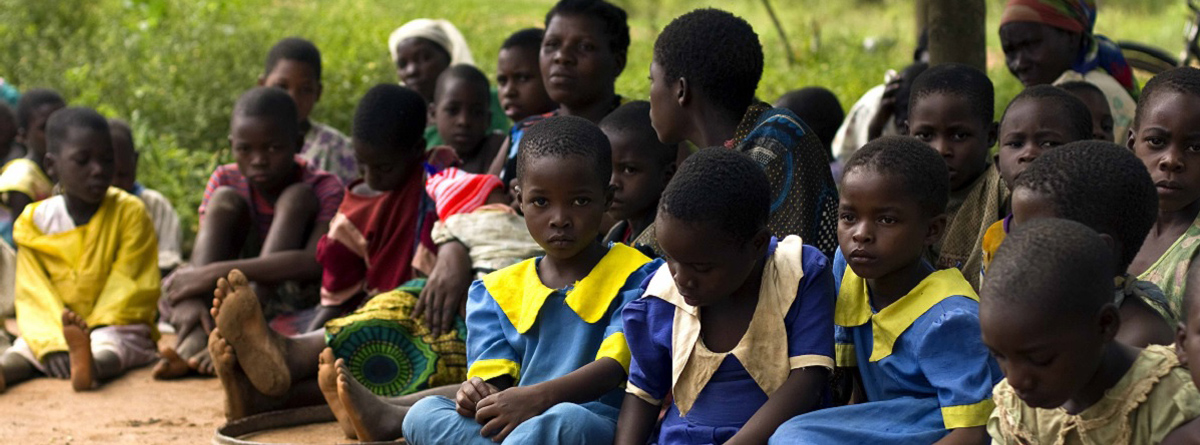
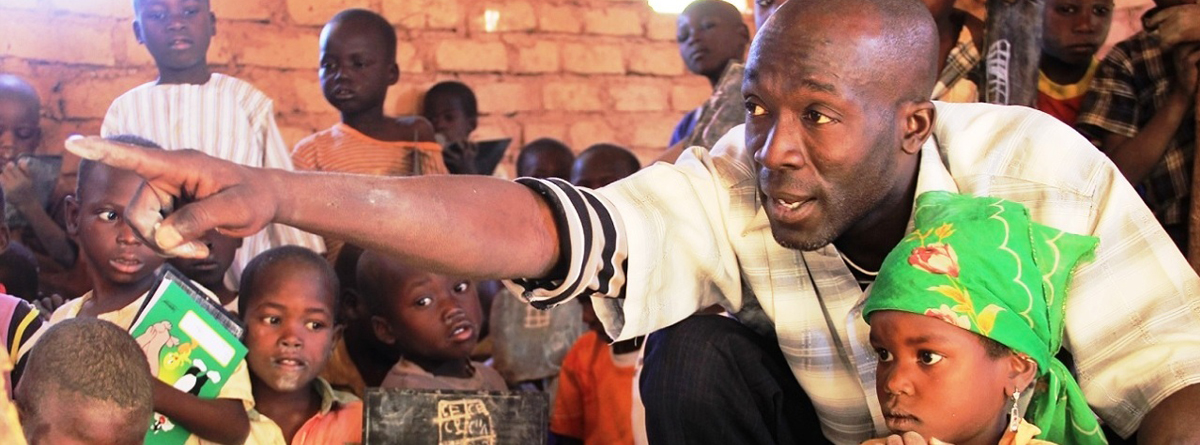
  • Education is a basic Human Right and the Diaspora World Cup global school program focuses its energy in some the poorest countries around the world. We build schools in some of the poorest countries around the worldthat historically had no adequate school structure. Any member of the World Diaspora has the power to end illiteracy around the world through the power of soccer.
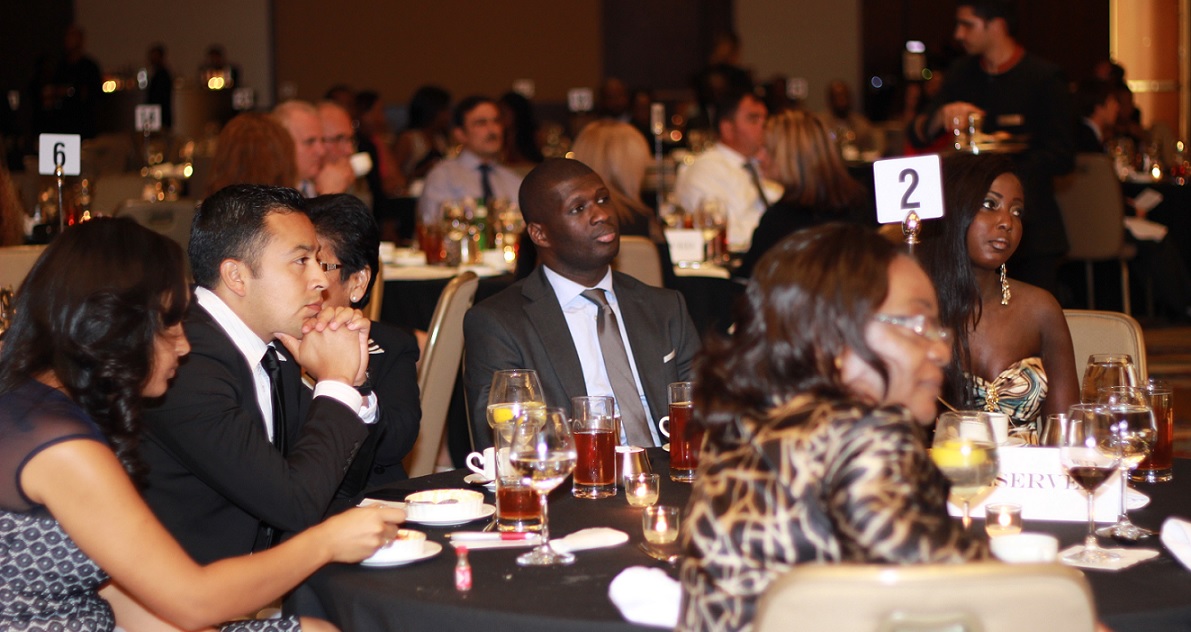
  • High-profile sport figures, global leaders, business leaders, political figure, journalists, activists, philanthropists, actors, and entrepreneurs united by their commitment to the Diaspora World Cup mission to eradicate illiteracy around the world through the power of soccer. They serve as role models and spread the Diaspora World Cup vision and commitment of a world mobilized through soccer.
  •  
  •  

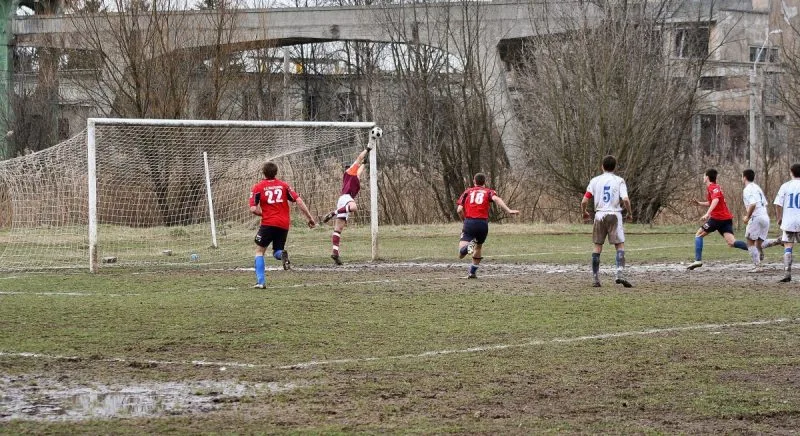
Liberia Coach: Starting slow and finishing big.

Thu 12 May 2011 00:00 GMT

Liberia Coach: Starting slow and finishing big.

Coach Lewis of Liberia hopes to silence his critics next Saturday against India.


Lewis: Starting slow and finishing big. Nobody can deny the importance of a good start to any endeavor, and the Diaspora World Cup is no exception. Yet that has not prevented a host of sides digging deep and going far at the finals even after shaky beginnings to soccer's showpiece. Despite not loosing their opening encounters at the 2011 Diaspora World Cup, African Union and Haiti have been criticized for their below-par performances. However, this should not come as a complete surprise as les veterans and les lions du Senegal frequently seem to perform better when facing their traditional rivals in the latter stages of the tournament. Those quick out of the blocks here in Germantown 2011 will be taking nothing for granted, therefore, just as those who have had a slow start will be hoping the best is yet to come, Lewis added. Diaspora World Cup News. 

The opening minutes of a match often establish its tempo. A team that takes too long to settle may struggle to control possession, win second balls, or respond to an opponent that begins aggressively. Conceding early can create additional pressure and force players to change their original game plan.


Coaches can prepare for these situations by emphasizing concentration from the first whistle. Clear passing options, coordinated movement, and defensive communication help players avoid unnecessary mistakes while they find their rhythm. Starting cautiously can be a deliberate strategy, but it requires discipline and a clear understanding of when to move forward.

Finishing a match strongly requires both physical preparation and sound decision-making. As opponents become tired, spaces can appear in midfield and defence, creating opportunities for quicker attacks and more effective movement around the penalty area. Teams that maintain their concentration may be better placed to take advantage of those openings.


The coach's role is to identify when the game needs a tactical adjustment. Fresh players can bring pace and energy, while changes to the team's shape may help protect a lead or create additional attacking opportunities. At the same time, players must avoid becoming careless simply because the match is approaching its conclusion.

The headline presents a clear theme for Liberia: the importance of combining patience at the start with determination at the finish. To make that approach effective, a team must remain focused throughout the match rather than relying entirely on a late surge. Preparation, fitness, communication, and tactical flexibility all contribute to consistent performances.


For a coach, the key is to understand why a team might begin slowly and identify practical ways to improve its opening phase. Video review, training exercises, and clear match objectives can help players recognize early weaknesses and respond more effectively. Building confidence in these areas may also reduce the pressure to recover from difficult starts.