
Welcome : The Diaspora Global Initiative
Responsive Header
  • Where We Work
  • Cameroon
  • The Diaspora World Cup operates in some of the major cities and metro areas in United States and Canada. Our network of register players includes 20 cities, 200 countries, 400 teams, and 10,000 players. Join our movement to solve the world's most pressing challenges: Illiteracy
  • Who We are text will be here Who We are text will be here Who We are text will be here Who We are text will be here Who We are text will be here Who We are text will be here Who We are text will be here Who We are text will be here Who We are text will be here
  • What We Do text will be here What We Do text will be here What We Do text will be here What We Do text will be here What We Do text will be here What We Do text will be here What We Do text will be here What We Do text will be here What We Do text will be here What We Do text will be here What We Do text will be here What We Do text will be here
  • Get Involved text will be here Get Involved text will be here Get Involved text will be here Get Involved text will be here Get Involved text will be here Get Involved text will be here Get Involved text will be here Get Involved text will be here Get Involved text will be here Get Involved text will be here
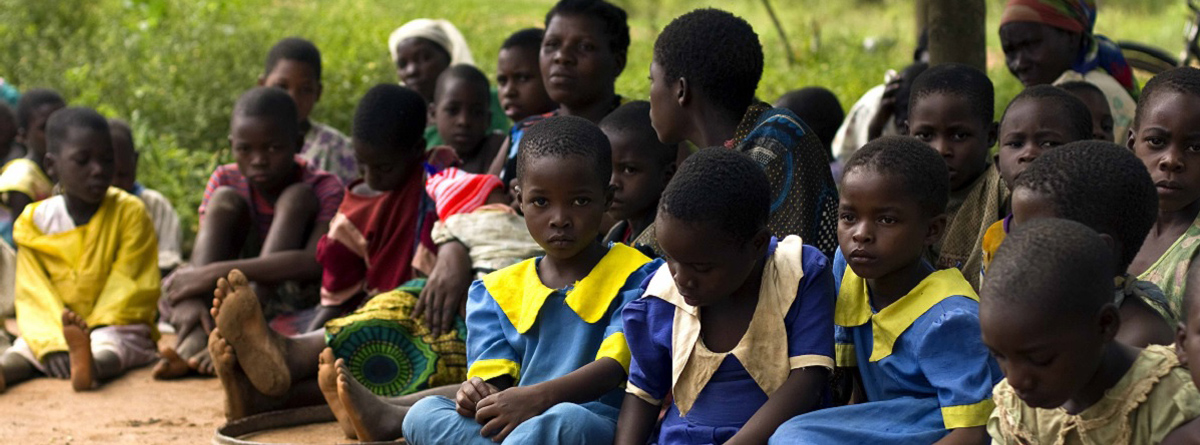
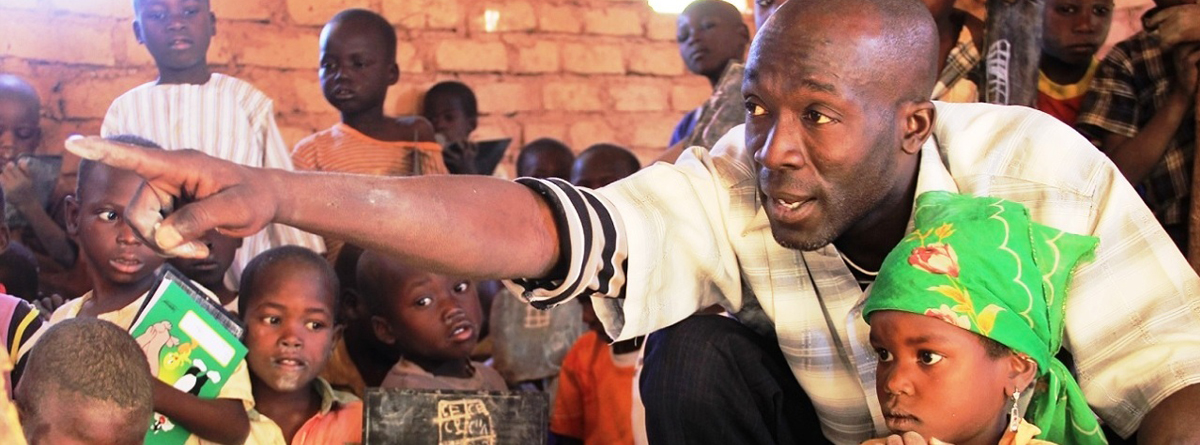
  • Education is a basic Human Right and the Diaspora World Cup global school program focuses its energy in some the poorest countries around the world. We build schools in some of the poorest countries around the worldthat historically had no adequate school structure. Any member of the World Diaspora has the power to end illiteracy around the world through the power of soccer.
  • High-profile sport figures, global leaders, business leaders, political figure, journalists, activists, philanthropists, actors, and entrepreneurs united by their commitment to the Diaspora World Cup mission to eradicate illiteracy around the world through the power of soccer. They serve as role models and spread the Diaspora World Cup vision and commitment of a world mobilized through soccer.
  •  
  •  

Baris Safoglu: The New Kid on the Block.

Wed 11 May 2011 00:00 GMT

Baris Safoglu: The New Kid on the Block.

Baris Safoglu: The New Kid on the Block.


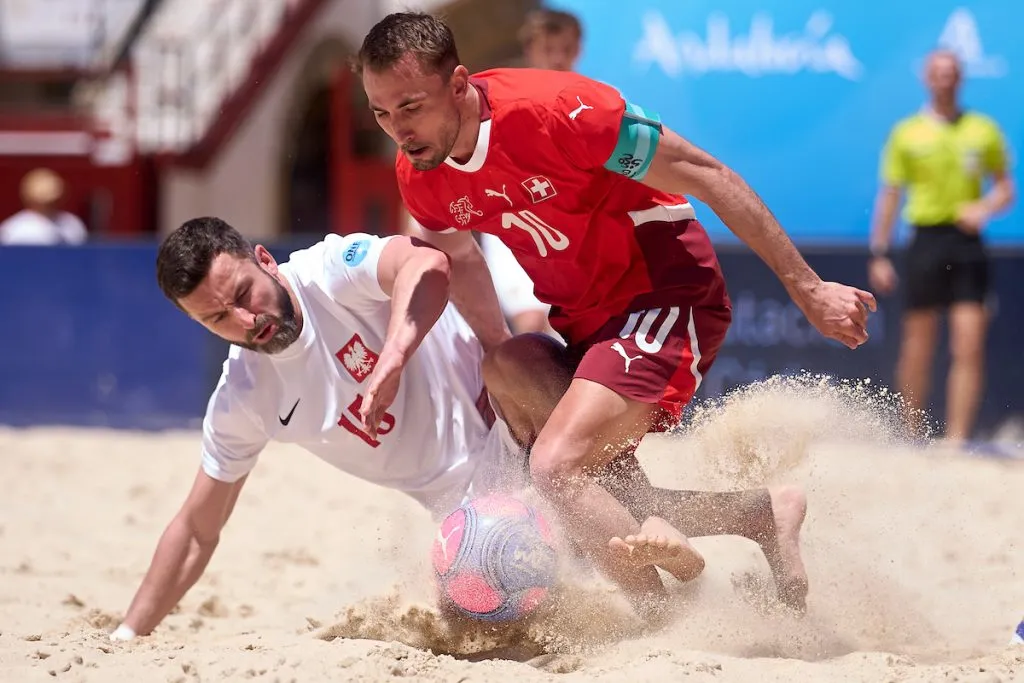
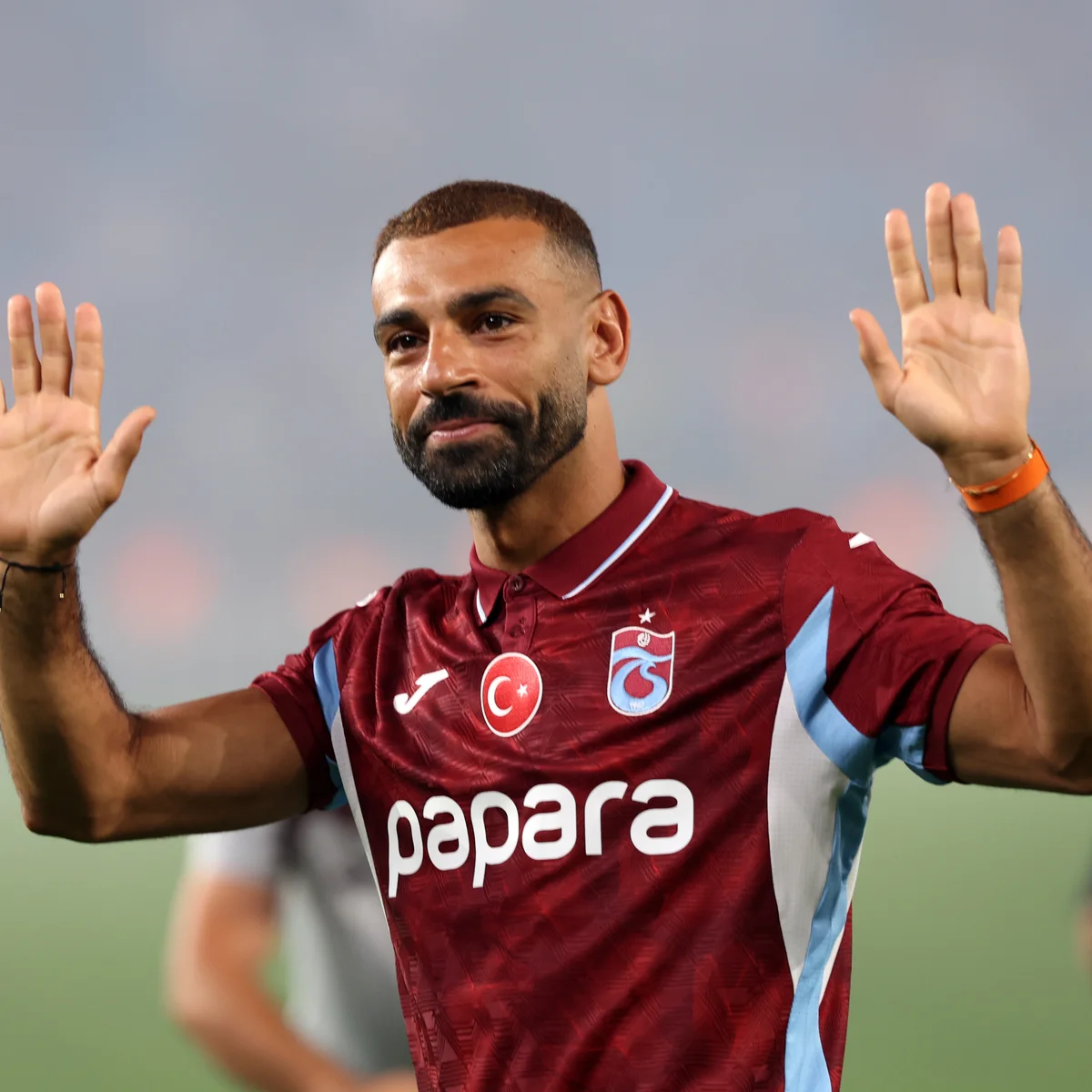
Association, position, prodigy and genius condemned the teenage Baris to the burdensome tag of The New Messi of the DC metro. And although the player native's style is mightily similar to that of La Liga football, he has become a superstar in his own right. With his speed and, principally, his magical dribbling skills, he inspired his team Turkey. With no participation at the 2010 Diaspora World Cup, Baris was made an automatic starter by new coach Oguz Safoglu. He responded emphatically, becoming the heartbeat of the Turkey side and heroically guiding them to victory against Niger. He now has one goal in mind. To be the 2011 Diaspora World Cup best player. Diaspora World Cup News.

A versatile player can offer a coach several tactical options. While a forward is often expected to lead attacks and threaten the opposition's goal, the ability to move into midfield can help connect different areas of the pitch. Short combinations, accurate longer passes, and intelligent movement can create opportunities for teammates and make a team's attack less predictable.


Safoglu's Diaspora Global profile describes these aspects of his game, including his ability to receive the ball in tight spaces and contribute through passing and movement. Such skills can be valuable when opponents defend compactly and leave limited room for attackers to operate. A player who can retain possession under pressure may help a team maintain its attacking rhythm.

Being described as the new face on the scene brings attention, but recognition in football ultimately depends on performance. Players must demonstrate consistency, respond to tactical instructions, and contribute to the collective effort rather than relying on isolated moments of skill.


For a player seeking to establish himself, every training session and match offers an opportunity to improve. Good decisions on the ball, intelligent movement without possession, and communication with teammates can help build trust with a coach. Consistent work also allows a player to adapt when opponents begin paying closer attention to his strengths.

The Diaspora World Cup provides a stage for players to represent their communities and compete alongside footballers with different backgrounds and styles. For individuals looking to make a name for themselves, the tournament can provide valuable experience and opportunities to demonstrate their abilities.


Safoglu's profile identifies him with Turkey and presents him as a forward with the potential to contribute in more than one area of the pitch. His passing, vision, and flexibility provide the main themes for understanding his listed playing style, although the available information does not confirm a particular match performance associated with this headline.