 Sign In






 Facebook
 X-Twitter
 Instagram
 Linkedin
 Youtube
More Information
More Information
Street Soccer in Saint Lucia
Street soccer is a popular recreational activity in Saint Lucia, where children and teenagers regularly play informal football matches in neighbourhood streets, school playgrounds, community parks, village fields, and local courts. These games provide young players with an enjoyable way to stay active, strengthen friendships, and improve their football skills in a relaxed environment.
The fast and creative style of street soccer encourages close ball control, quick passing, skillful dribbling, and constant movement. Playing in compact spaces helps participants build confidence, improve teamwork, sharpen technical abilities, and make faster decisions during competitive matches.
Street soccer offers an accessible and affordable way for communities across Saint Lucia to enjoy football without requiring professional facilities. It promotes healthy lifestyles, encourages social interaction, and inspires many young people to continue developing their passion for the sport.
Street Soccer Culture in Saint Lucia
Football is widely enjoyed throughout Saint Lucia, and street soccer is often where many children first experience the excitement of the game. Informal matches organised by schools, friends, and local communities create a welcoming atmosphere where players of different ages and skill levels can participate while enjoying the spirit of football.
Skills Developed Through Street Soccer
Street soccer helps players improve dribbling, first touch, passing accuracy, shooting technique, agility, balance, ball control, and spatial awareness. Regular games also strengthen communication, creativity, confidence, teamwork, and the ability to make quick decisions in fast-paced situations.
Street Soccer and Community Development
Street soccer plays an important role in bringing communities together through football. It encourages teamwork, positive youth participation, and active lifestyles while providing aspiring players with valuable experience before progressing to school teams, local football clubs, academies, or organised youth football programmes.
The St. Lucia in the DMV Metro

- Community Scaffolding: The St. Lucia DC Associationserves as the main volunteer engine for the region. Led by local coordinators, the association brings together expats and multi-generational Saint Lucian-Americans to build social support networks and maintain a cohesive Caribbean voice in the capital region.
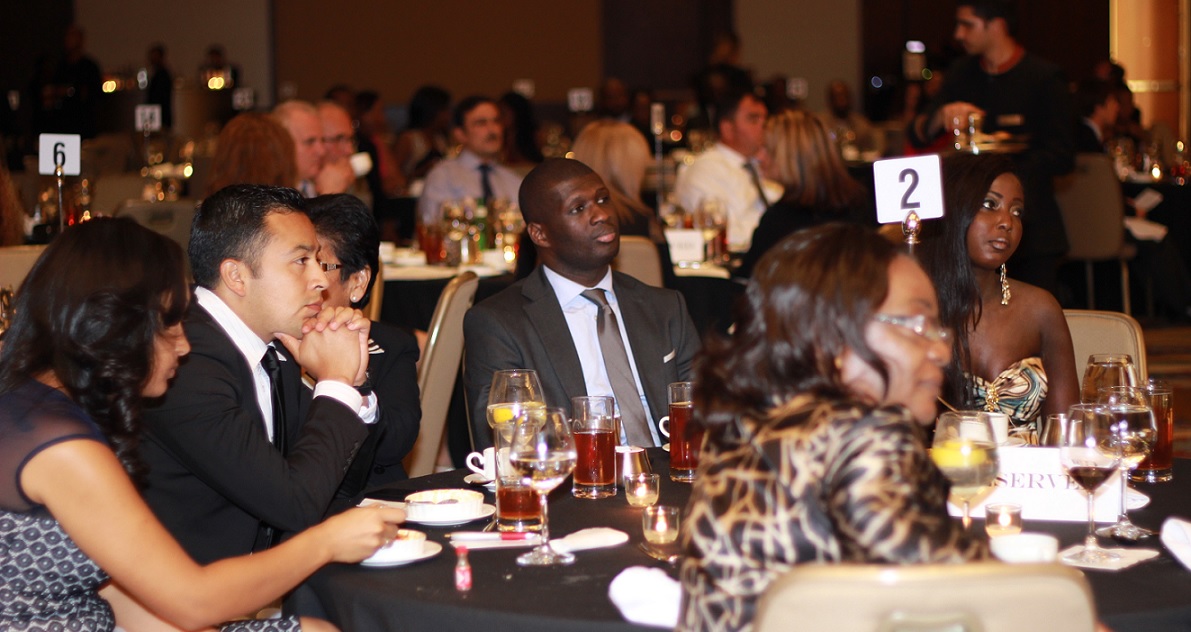
- The Annual Independence Ball: A crown jewel of the local diaspora calendar is the Annual St. Lucian Independence Ball. Held every winter to commemorate Saint Lucia's independence from Britain, this high-profile gala brings together local families, community figures, and visiting Caribbean dignitaries to celebrate over food, live music, and charity auctions.
- Jounen Kwéyòl (Creole Day): To pass down ancestral traditions, the association hosts vibrant Jounen Kwéyòl celebrations every autumn. These gatherings feature traditional Creole dresses, West Indian folk music, and an open-air marketplace filled with authentic island dishes.
- The Embassy Focal Point: Located in downtown Washington, the Consular Section of the Embassy of Saint Lucia serves as the central administrative anchor. The mission handles passport renewals, visa pathways, and nationality tracking for Saint Lucian citizens living across the mid-Atlantic.
- The Town Hall Pipeline: The embassy routinely orchestrates Diaspora Town Hall Meetings in the District. These forums allow Saint Lucian government officials to engage directly with DMV expats on legal issues, civil trade partnerships, and ancestral property rights.
- Virtual Diaspora Engagements (VDE): Reflecting Saint Lucia's formal Diaspora Policy, the Embassy of Saint Lucia in Washington D.C. coordinates targeted digital summits like the Virtual Diaspora Engagement forums. These online platforms bridge DMV professionals directly with economic boards like Invest Saint Lucia to foster capital investment in local community tourism, agriculture, and eco-resorts back home. [1, 2, 3]
- The Transnational Cohort: Many adult members of the diaspora are employed by international institutions like the World Bank, the International Monetary Fund (IMF), and the Organization of American States (OAS).
- Pan-Caribbean Alliances: Due to their small standalone numbers, Saint Lucian expats in the DMV frequently pool social resources with neighboring Eastern Caribbean nations (such as Grenada, Dominica, and Saint Vincent). They heavily integrate into broader West Indian church coalitions, soccer tournaments, and regional Caribbean Carnival planning networks based in the Maryland suburbs (such as Silver Spring, Bowie, and Hyattsville).
Significance
Saint Lucian migration has generally reflected colonial rule, limited employment, plantation agriculture, education, professional opportunities, family reunification, natural disasters, and established connections with Britain, North America, and the wider Caribbean.
Migration from Saint Lucia has historically been directed toward the United Kingdom, the United States, Canada, and other Caribbean territories. Early migrants included sailors, agricultural labourers, domestic workers, teachers, nurses, students, merchants, and government employees seeking employment or education abroad. Movement increased during the twentieth century as the island’s small economy could not provide sufficient opportunities for its growing population. Saint Lucians established overseas communities supported by churches, cultural associations, family networks, businesses, and remittances. Migrants preserved English and Kwéyòl, religious traditions, Creole cuisine, music, festivals, and close connections with relatives at home. Saint Lucia also works with its diaspora as part of its broader migration and development policies.
Saint Lucian Migration Before Independence
Before independence, migration was shaped by French and British colonial rivalry, slavery, plantation agriculture, maritime trade, and regional labour movement. Enslaved Africans were forcibly transported to Saint Lucia to work mainly on sugar and other plantations, and full emancipation within the British Empire took effect in 1838. After emancipation, many residents worked in agriculture, fishing, domestic service, trade, and small-scale businesses, while some travelled to neighbouring islands for seasonal employment. During the twentieth century, Saint Lucians increasingly moved to Britain and other Commonwealth territories for industrial work, healthcare employment, education, and military service. Direct migration to the United States remained comparatively limited before American immigration reforms expanded opportunities during the 1960s.
Late-Twentieth- and Early-Twenty-First-Century Migration
Saint Lucia achieved full independence from Britain on February 22, 1979. During the following decades, Saint Lucians continued migrating for higher wages, university education, healthcare careers, skilled employment, business, and family reunification. The United States became an increasingly important destination alongside Britain and Canada, particularly for migrants joining relatives or working in professional and service occupations. Economic dependence on tourism and agriculture, unemployment, hurricanes, and other environmental pressures also influenced migration decisions. At the same time, some migrants returned with savings, professional experience, and business knowledge. Saint Lucian communities abroad remain connected to the island through remittances, investment, cultural events, family visits, and diaspora organisations.






Latest Fixtures & Results
| 04.03.2028 |  |
St. Lucia | - |  |
Namibia |
| 04.10.2028 |  |
Georgia | - | |
St. Lucia |
| 04.17.2028 | |
St. Lucia | - |  |
Niger |
| 04.24.2028 |  |
Iceland | - | |
St. Lucia |
| 05.01.2028 | |
St. Lucia | - |  |
Kazakhstan |
| 05.08.2028 | |
St. Lucia | - |  |
El Salvador |
| 05.15.2028 |  |
Cuba | - | |
St. Lucia |
| 05.22.2028 | |
St. Lucia | - |  |
Luxembourg |
| 05.29.2028 |  |
Cyprus | - | |
St. Lucia |
