 Sign In





 Facebook
 X-Twitter
 Instagram
 Linkedin
 Youtube
More Information
More Information
Street Soccer in Northern Ireland
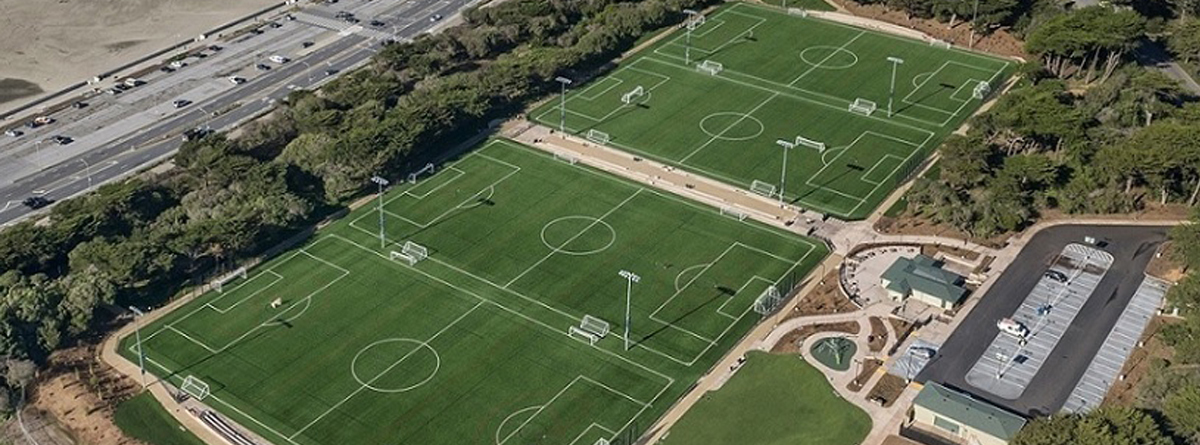
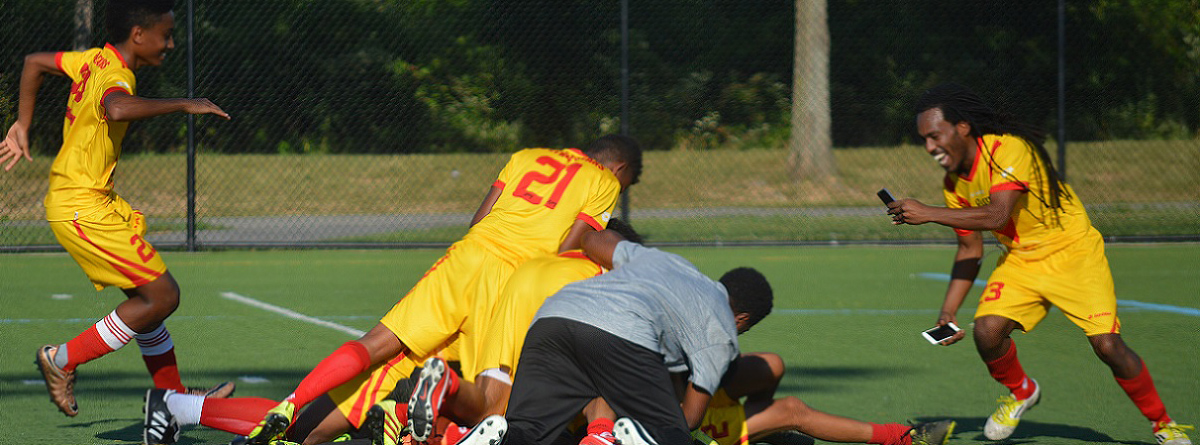
Street soccer is a popular recreational activity in Northern Ireland, where children and teenagers regularly play informal football matches in neighbourhood parks, school playgrounds, community pitches, residential areas, and local sports facilities. These games provide young players with a fun way to stay active, connect with friends, and develop their football skills outside organised competitions.
The fast-paced nature of street soccer encourages close ball control, quick passing, creative movement, and intelligent decision-making. Playing on smaller pitches helps participants improve their technique, confidence, and teamwork while adapting to different playing conditions and opponents.
Street soccer provides an accessible and affordable way for communities across Northern Ireland to enjoy football without requiring professional facilities. It promotes healthy lifestyles, strengthens community connections, and inspires many young players to continue their football journey.
Street Soccer Culture in Northern Ireland
Football has a strong presence in Northern Ireland, and street soccer is often where many children first develop their love for the game. Informal matches organised by schools, neighbours, and community groups create a welcoming environment where players of different ages and abilities can participate.
Skills Developed Through Street Soccer
Street soccer helps players improve dribbling, first touch, passing accuracy, agility, balance, ball control, and awareness. Regular games also strengthen communication, creativity, confidence, and the ability to make quick decisions during fast-moving matches.
Street Soccer and Community Development
Street soccer brings communities together through football while encouraging teamwork, positive youth engagement, and active lifestyles. It also provides aspiring players with valuable experience before progressing to school teams, local football clubs, academies, or organised youth football programmes.
The N. IRELAND in the DMV Metro

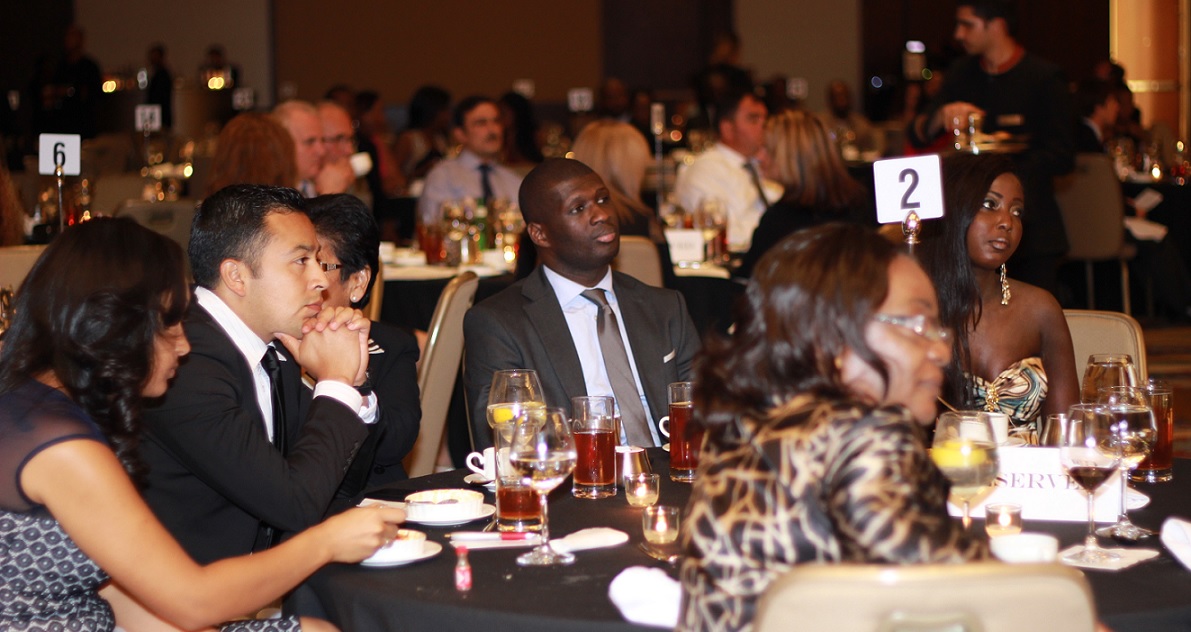
The Northern Irish diaspora in the DMV (District of Columbia, Maryland, and Virginia) is a highly educated, professional, and civically engaged community. Because Washington, D.C. is a major center for diplomacy and international policy, the local Northern Irish presence is particularly connected to peace-building, human rights, government affairs, academia, economic development, and transatlantic relations. Rather than forming a concentrated residential enclave, Northern Irish residents are dispersed throughout the metropolitan area and participate heavily in the region's broader Irish-American and British networks.
Cultural Hubs & Community Networks
- Northern Ireland Bureau: The Northern Ireland Bureau in Washington, D.C. serves as the principal institutional connection between Northern Ireland and the United States. It supports political, economic, educational, and cultural relationships while providing an important platform for visiting Northern Irish officials, business leaders, academics, and community representatives.
- British & Irish Diplomatic Networks: Northern Irish residents interact with both British and Irish diplomatic institutions in Washington. This reflects Northern Ireland's distinctive political and cultural position and creates opportunities for discussions surrounding the Good Friday Agreement, peace-building, trade, investment, and cultural exchange.
- Irish Network DC: The Irish Network DC (IN-DC) provides a broader professional and social network for Irish people living in the capital region. Northern Irish professionals participate alongside people from the Republic of Ireland in networking events, business programs, cultural gatherings, and community initiatives.
Key Cultural & Professional Gatherings
- Washington Ireland Program: The Washington Ireland Program (WIP) is one of the most important leadership pipelines connecting Northern Ireland and Ireland with Washington. Its programs bring emerging leaders and university students to the DMV for professional placements, congressional and government exposure, and leadership development.
- Good Friday Agreement & Peace-Building Events: Washington frequently hosts conferences, lectures, commemorations, and policy discussions examining the Northern Ireland peace process and the legacy of the Good Friday Agreement. These events attract Northern Irish politicians, academics, journalists, diplomats, and members of the diaspora.
- Irish Cultural Events: Northern Irish residents participate extensively in the DMV's broader St. Patrick's Day celebrations, Irish festivals, cultural performances, traditional music sessions, and sporting events, often alongside the much larger Irish-American community.
Academic & Leadership Networks
The DMV has a particularly strong connection to Northern Ireland through universities, think tanks, NGOs, and government institutions.
- University Connections: Institutions such as Georgetown University and American University provide platforms for visiting scholars, political researchers, human-rights specialists, and peace-building experts connected to Northern Ireland.
- Young Professional Networks: Leadership programs and internship exchanges create a steady flow of Northern Irish students and young professionals into Washington. Some participants remain in the region, building longer-term careers in law, government, international affairs, consulting, journalism, and nonprofit organizations.
Culinary & Social Anchors
Because the Northern Irish population is relatively small and geographically dispersed, there is no substantial standalone Northern Irish commercial district. Social life instead overlaps heavily with the DMV's established Irish and British cultural infrastructure.
- Irish Pubs: Traditional Irish pubs provide important informal gathering spaces for Northern Irish residents, particularly for football, rugby, Gaelic sports, and major international sporting events.
- Traditional Music: Irish traditional music sessions create another important social connection, allowing Northern Irish residents to participate in the broader Celtic cultural scene while maintaining connections to regional musical traditions.
- Irish-American Community: Events organized by Irish-American organizations provide additional opportunities for Northern Irish families and professionals to connect with the region's larger Irish population.
### Cultural Hubs & Community Networks
* **Northern Ireland Bureau:** The **Northern Ireland Bureau in Washington, D.C.** serves as the principal institutional connection between Northern Ireland and the United States. It supports political, economic, educational, and cultural relationships while providing an important platform for visiting Northern Irish officials, business leaders, academics, and community representatives.
* **British & Irish Diplomatic Networks:** Northern Irish residents interact with both **British and Irish diplomatic institutions** in Washington. This reflects Northern Ireland's distinctive political and cultural position and creates opportunities for discussions surrounding the **Good Friday Agreement, peace-building, trade, investment, and cultural exchange**.
* **Irish Network DC:** The **Irish Network DC (IN-DC)** provides a broader professional and social network for Irish people living in the capital region. Northern Irish professionals participate alongside people from the Republic of Ireland in networking events, business programs, cultural gatherings, and community initiatives.
### Key Cultural & Professional Gatherings
* **Washington Ireland Program:** The **Washington Ireland Program (WIP)** is one of the most important leadership pipelines connecting Northern Ireland and Ireland with Washington. Its programs bring emerging leaders and university students to the DMV for professional placements, congressional and government exposure, and leadership development.
* **Good Friday Agreement & Peace-Building Events:** Washington frequently hosts conferences, lectures, commemorations, and policy discussions examining the **Northern Ireland peace process and the legacy of the Good Friday Agreement**. These events attract Northern Irish politicians, academics, journalists, diplomats, and members of the diaspora.
* **Irish Cultural Events:** Northern Irish residents participate extensively in the DMV's broader **St. Patrick's Day celebrations, Irish festivals, cultural performances, traditional music sessions, and sporting events**, often alongside the much larger Irish-American community.
### Academic & Leadership Networks
The DMV has a particularly strong connection to Northern Ireland through **universities, think tanks, NGOs, and government institutions**.
* **University Connections:** Institutions such as **Georgetown University and American University** provide platforms for visiting scholars, political researchers, human-rights specialists, and peace-building experts connected to Northern Ireland.
* **Young Professional Networks:** Leadership programs and internship exchanges create a steady flow of Northern Irish students and young professionals into Washington. Some participants remain in the region, building longer-term careers in **law, government, international affairs, consulting, journalism, and nonprofit organizations**.
### Culinary & Social Anchors
Because the Northern Irish population is relatively small and geographically dispersed, there is **no substantial standalone Northern Irish commercial district**. Social life instead overlaps heavily with the DMV's established Irish and British cultural infrastructure.
* **Irish Pubs:** Traditional Irish pubs provide important informal gathering spaces for Northern Irish residents, particularly for **football, rugby, Gaelic sports, and major international sporting events**.
* **Traditional Music:** Irish traditional music sessions create another important social connection, allowing Northern Irish residents to participate in the broader Celtic cultural scene while maintaining connections to regional musical traditions.
* **Irish-American Community:** Events organized by Irish-American organizations provide additional opportunities for Northern Irish families and professionals to connect with the region's larger Irish population.
Overall, the **Northern Irish community in the DMV is defined by diplomacy, peace-building, professional networks, and deep integration with the wider Irish-American community rather than by a distinct geographic enclave**. The Northern Ireland Bureau provides the institutional center, while the Washington Ireland Program, Irish Network DC, universities, diplomatic organizations, Irish pubs, traditional music circles, and Good Friday Agreement–related events provide the social and professional infrastructure that keeps the community connected.
Significance
Immigration from Northern Ireland has generally reflected British governance, economic opportunity, political and sectarian conflict, educational advancement, professional employment, family reunification, and cultural exchange.
Migration from Northern Ireland has played a significant role in the history of the United States for centuries. Large numbers of people emigrated during the eighteenth and nineteenth centuries seeking religious freedom, economic opportunity, agricultural land, and improved living conditions. Migration continued throughout the twentieth century as industrial change, educational opportunities, and periods of political violence known as the Troubles encouraged many individuals and families to settle abroad. Today, immigrants from Northern Ireland include students, healthcare professionals, academics, entrepreneurs, engineers, and skilled workers who maintain strong cultural, historical, and family ties with both Northern Ireland and the United Kingdom.
Migration from Northern Ireland Before the Good Friday Agreement
Northern Ireland was established on May 3, 1921, following the partition of Ireland under the Government of Ireland Act 1920, and remained part of the United Kingdom. Migration during the early and mid-twentieth century was influenced by agriculture, shipbuilding, manufacturing, trade, education, and government service. Many people travelled to the United States as farmers, industrial workers, craftsmen, teachers, merchants, students, and professionals, often joining established Irish and Ulster communities. From the late 1960s, the period known as the Troubles brought decades of political and sectarian violence, leading some families to emigrate in search of safety, stability, and greater economic opportunities.
Late-Twentieth- and Early-Twenty-First-Century Immigration
Migration patterns evolved following the Good Friday Agreement of 1998, which helped bring greater political stability and encouraged economic growth and international cooperation. Today, migration from Northern Ireland to the United States is primarily driven by higher education, professional employment, scientific research, entrepreneurship, multinational business, and family reunification. Students, physicians, engineers, scientists, academics, information technology specialists, entrepreneurs, and business professionals increasingly travel to the United States through educational exchange programs, specialized employment, research collaboration, investment, or family sponsorship. In the United States, immigrants from Northern Ireland often rely on family networks, churches, cultural organizations, alumni associations, and professional groups for support with housing, employment, education, and community integration while preserving their cultural heritage, English language traditions, music, festivals, religious practices, and close relationships with relatives in Northern Ireland.
Latest Fixtures & Results
| 04.04.2028 |  |
Latvia | - |  |
N. Ireland |
| 04.11.2028 | |
N. Ireland | - |  |
Portugal |
| 04.18.2028 |  |
Moldova | - | |
N. Ireland |
| 04.25.2028 | |
N. Ireland | - |  |
Iran |
| 05.02.2028 |  |
Russia | - | |
N. Ireland |
| 05.09.2028 | |
N. Ireland | - |  |
Czech R. |
| 05.16.2028 |  |
Nepal | - | |
N. Ireland |
| 05.23.2028 | |
N. Ireland | - |  |
Egypt |
| 05.30.2028 |  |
Paraguay | - | |
N. Ireland |
