 Sign In











 Facebook
 X-Twitter
 Instagram
 Linkedin
 Youtube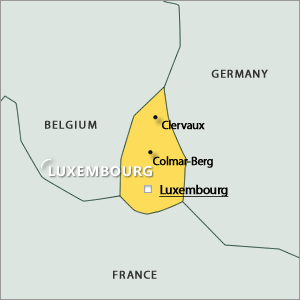
More Information
More Information
Street Soccer in Luxembourg
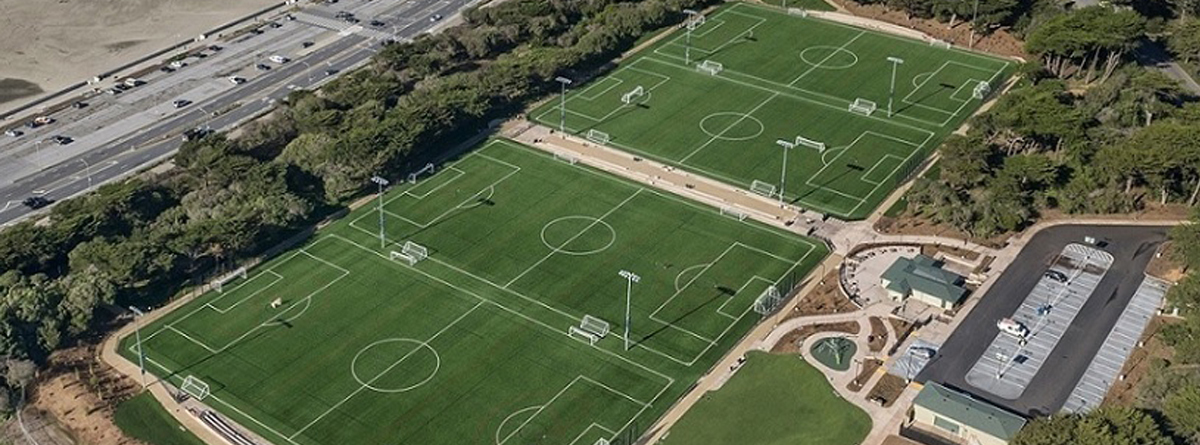
Street soccer is a popular activity in Luxembourg, where children and teenagers regularly play informal football matches in neighbourhood parks, school playgrounds, residential courtyards, and community sports areas. These games provide a fun and welcoming environment for young players to stay active while improving their football skills outside organised competitions.
The smaller playing spaces encourage quick passing, close ball control, agile movement, and smart decision-making. Street soccer helps participants develop confidence, creativity, and teamwork while adapting to different opponents and playing conditions through regular friendly matches.
Street soccer offers an accessible and affordable way for communities across Luxembourg to enjoy football without requiring professional facilities. It promotes healthy lifestyles, strengthens neighbourhood friendships, and inspires many young people to continue their passion for the sport.
Street Soccer Culture in Luxembourg
Football continues to grow in popularity throughout Luxembourg, and street soccer is often where many children first discover their interest in the game. Informal matches organised by schools, neighbours, and community groups create an inclusive atmosphere where players of different ages and skill levels can participate.
Skills Developed Through Street Soccer
Street soccer helps players improve dribbling, first touch, passing accuracy, agility, balance, ball control, and awareness. Regular games also strengthen communication, creativity, confidence, and the ability to make quick decisions during fast-paced play.
Street Soccer and Community Development
Street soccer brings communities together through football while encouraging teamwork, positive youth participation, and active outdoor recreation. It also provides aspiring players with valuable experience before progressing to school teams, local football clubs, academies, or organised youth football programmes.
The LUXEMBOURG in the DMV Metro

The Luxembourgish diaspora in the DMV (Washington, D.C., Maryland, and Virginia) is a highly specialized micro-diaspora centered on diplomacy, international finance, European affairs, and transatlantic policy. Unlike the historic Luxembourgish-American communities of the Midwest, the DMV population does not form a geographic enclave and instead relies on the Embassy, European institutions, and professional networks for community connections.
Community Hubs and Institutional Presence
-
The Embassy of the Grand Duchy of Luxembourg: Located in Washington, D.C., the Embassy serves as the principal diplomatic and community anchor for Luxembourgish nationals in the region. It provides consular services and hosts receptions and national celebrations, particularly around Luxembourg National Day on June 23.
-
Luxembourg American Cultural Society (LACS) Network: Although its principal cultural infrastructure is located outside the DMV, the LACS network provides Luxembourgish Americans with heritage resources and connections to Luxembourg, helping dispersed residents maintain cultural and genealogical ties.
-
Professional & Financial Networks: The DMV's Luxembourgish population is closely connected to Washington's international economic and diplomatic ecosystem, including professionals working in finance, international trade, European affairs, technology, diplomacy, and multilateral institutions such as the World Bank and IMF.
Cultural and Social Dynamics
-
Passport DC & Cultural Diplomacy: The annual Passport DC / Around the World Embassy Tour provides an important public platform for Luxembourgish cultural representation. Embassy programming highlights Luxembourg's European identity, multilingualism, history, tourism, cuisine, and role as an international financial center.
-
Francophone & European Networks: Luxembourgish residents frequently participate in broader Francophone and European cultural organizations in Washington. These networks provide social and professional connections that would otherwise be difficult to sustain within such a small diaspora.
-
European Union Community: Luxembourg's role as a founding European Union member creates additional connections with EU diplomatic missions, European professionals, policy organizations, and transatlantic institutions throughout the DMV.
-
National & Heritage Celebrations: Luxembourg National Day on June 23 provides an important opportunity for residents and diplomatic personnel to gather, celebrate Luxembourgish identity, and maintain connections with the homeland.
-
Community Structure: The Luxembourgish DMV population is best understood as a diplomatic and professional micro-diaspora, with the Embassy serving as the central institutional anchor and broader Francophone and European networks supplying much of the community's social and cultural infrastructure.
Significance
Immigration from Luxembourg has generally reflected economic opportunity, education, professional employment, international business, scientific research, family reunification, entrepreneurship, and cultural exchange.
Migration from Luxembourg has historically been modest because of the country's small population, strong economy, and high standard of living. During the nineteenth century, some Luxembourgers emigrated to North America seeking agricultural land and economic opportunities, with communities forming in parts of the American Midwest. In the modern era, migration to the United States has primarily involved students, researchers, healthcare professionals, financial specialists, entrepreneurs, corporate executives, and skilled workers pursuing higher education, specialized employment, multinational business, and family reunification. Today, Luxembourger immigrants maintain strong cultural, linguistic, and economic ties with their homeland while contributing to diverse professional sectors in the United States.
Luxembourger Migration Before Independence
Before achieving full sovereignty, Luxembourg experienced periods of rule under the Holy Roman Empire, the Spanish and Austrian Habsburgs, France, and the Netherlands. Migration during earlier centuries was influenced by agriculture, regional trade, craftsmanship, military service, and commerce with neighboring Belgium, France, and Germany. During the nineteenth century, economic hardship and limited farmland encouraged some Luxembourgers to emigrate to the United States as farmers, craftsmen, merchants, teachers, and skilled laborers. The Treaty of London of 1867 affirmed Luxembourg's independence and permanent neutrality, strengthening its status as a sovereign state and expanding its international diplomatic and commercial relationships.
Late-Twentieth- and Early-Twenty-First-Century Immigration
Migration patterns evolved during the late twentieth and early twenty-first centuries as globalization, higher education, and international finance created new opportunities abroad. Students, physicians, engineers, scientists, academics, entrepreneurs, financial professionals, information technology specialists, and corporate executives increasingly travelled to the United States for university education, specialized employment, research, investment, or family reunification. Academic exchange programs, multinational corporations, and financial cooperation have continued to support professional mobility between Luxembourg and the United States. In the United States, Luxembourger immigrants often rely on family networks, cultural organizations, alumni associations, and professional groups for support with housing, employment, education, and community integration while preserving Luxembourgish, French, and German languages, traditional cuisine, cultural heritage, local customs, and close relationships with relatives in Luxembourg.

Latest Fixtures & Results
| 04.03.2028 |  |
El Salvador | - |  |
Luxembourg |
| 04.10.2028 |  |
Cyprus | - | |
Luxembourg |
| 04.17.2028 | |
Luxembourg | - |  |
Namibia |
| 04.24.2028 |  |
Georgia | - | |
Luxembourg |
| 05.01.2028 | |
Luxembourg | - |  |
Niger |
| 05.08.2028 |  |
Iceland | - | |
Luxembourg |
| 05.15.2028 | |
Luxembourg | - |  |
Kazakhstan |
| 05.22.2028 |  |
St. Lucia | - | |
Luxembourg |
| 05.29.2028 | |
Luxembourg | - |  |
Cuba |
