Sign In






 Facebook
 X-Twitter
 Instagram
 Linkedin
 Youtube
More Information
More Information
Street Soccer in Iceland
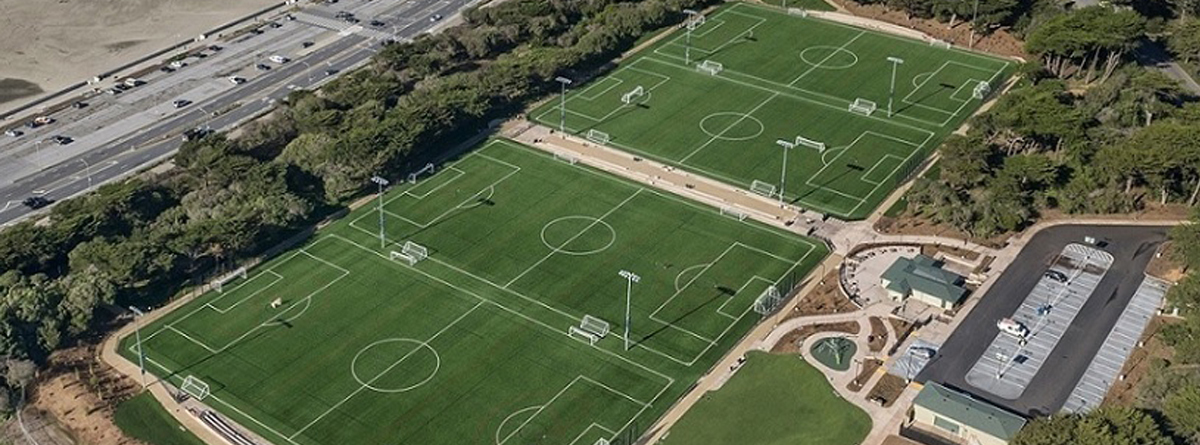
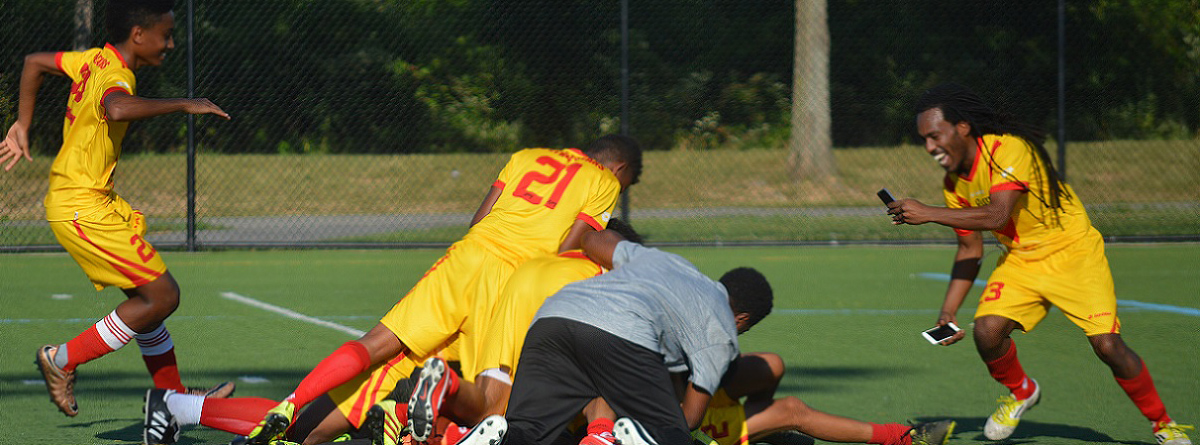
Street soccer is a popular way for children and teenagers in Iceland to enjoy football, with informal matches often taking place in neighbourhood courts, school playgrounds, public parks, and community sports areas. These games give young players the opportunity to stay active, have fun with friends, and develop their football skills outside organised training.
The smaller playing spaces encourage quick passing, close ball control, fast movement, and smart decision-making. Players learn to adapt to changing weather conditions while improving teamwork, confidence, and technical ability through regular practice and friendly competition.
Street soccer provides an accessible way for communities across Iceland to participate in football without requiring professional facilities. It supports healthy lifestyles, strengthens local connections, and inspires many young people to continue their involvement in the sport.
Street Soccer Culture in Iceland
Football has grown steadily in Iceland, and street soccer plays an important role in introducing children to the game. Informal matches organised by schools, friends, and local communities create a welcoming atmosphere where players of different ages and skill levels can enjoy football together.
Skills Developed Through Street Soccer
Street soccer helps players improve dribbling, first touch, passing accuracy, agility, balance, ball control, and awareness. The quick pace of the game also develops communication, creativity, confidence, and the ability to make fast decisions during matches.
Street Soccer and Community Development
Street soccer brings communities together through football while encouraging active lifestyles and positive social interaction. It also provides aspiring players with a strong foundation before progressing to school teams, local football clubs, academies, or organised youth football programmes.
The ICELAND in the DMV Metro

The Icelandic diaspora in the DMV (Washington, D.C., Maryland, and Virginia) is a small, highly educated, and closely connected Nordic community. Because Iceland's population is relatively small, the local community does not form a distinct residential or commercial enclave. Instead, Icelanders in the region are connected through the Embassy, Nordic institutions, professional networks, academic circles, and community events.
Community Hubs and Institutional Presence
-
The Embassy of Iceland: Located in Washington, D.C., the Embassy serves as the principal diplomatic and cultural anchor for Icelanders in the region. It supports consular affairs while hosting receptions, cultural exhibitions, literary events, and other public diplomacy programs.
-
Icelandic Association of Washington, D.C.: The local volunteer association provides a community network for Icelandic residents and families. It organizes social gatherings, helps newcomers establish local connections, and supports Icelandic language and heritage preservation.
-
Nordic & Scandinavian Networks: Because the Icelandic community is small, local residents frequently participate in broader Nordic organizations and activities alongside Danish, Swedish, Norwegian, and Finnish communities. These networks provide additional cultural, professional, and educational connections.
-
Professional & Academic Networks: The DMV Icelandic population has strong links to diplomacy, aviation, international finance, research, academia, and international development, reflecting the region's concentration of global institutions.
Cultural and Social Dynamics
-
National Day: June 17, Iceland's National Day, is the community's principal annual celebration. Families and friends gather for outdoor events, traditional foods, children's activities, music, poetry, and Icelandic cultural programming.
-
Þorrablót: The traditional mid-winter celebration provides an important heritage event featuring Icelandic music, social gatherings, traditional foods, and modern Nordic cuisine.
-
Passport DC & Embassy Open Houses: The annual Passport DC / Around the World Embassy Tour gives Iceland a public platform to showcase its culture, music, literature, geology, tourism, and culinary traditions.
-
Nordic Cultural Connections: Icelanders frequently participate in wider Scandinavian and Nordic cultural programming, which provides opportunities for joint celebrations, professional networking, arts events, and educational activities.
-
Language & Heritage Preservation: Icelandic language, literature, folklore, music, and family traditions are maintained through community gatherings, cultural associations, and intergenerational activities.
-
Culinary Traditions: Icelandic foods such as skyr, smoked lamb, rye-based breads, seafood, and traditional sweets are maintained through family cooking, specialty imports, Nordic food businesses, and community events.
-
Community Structure: The Icelandic DMV community is best understood as a small, network-based Nordic micro-diaspora, with the Embassy providing the central institutional anchor while Icelandic associations, Nordic organizations, professional networks, and cultural celebrations provide the broader social infrastructure.
Significance
Immigration from Iceland has generally reflected economic opportunity, education, professional employment, family reunification, scientific research, international business, and cultural exchange.
Migration from Iceland has historically been modest because of the country's small population and relatively high standard of living. During the late nineteenth and early twentieth centuries, many Icelanders emigrated to North America in search of farmland, economic opportunity, and improved living conditions. While Canada attracted the largest share of Icelandic emigrants, smaller numbers settled in the United States, where they established communities and contributed to agriculture, commerce, education, and skilled professions. Today, immigration from Iceland to the United States is primarily driven by higher education, scientific research, specialized employment, entrepreneurship, multinational business, and family reunification, with Icelandic immigrants maintaining strong cultural and economic ties with their homeland.
Icelandic Migration Before Independence
Before independence, Iceland was under Danish rule, although it retained a distinct cultural and linguistic identity. Migration during the nineteenth century was influenced by volcanic eruptions, harsh weather conditions, limited agricultural land, population growth, and economic hardship. Many Icelanders emigrated to North America as farmers, fishermen, merchants, teachers, and skilled workers seeking improved opportunities. Direct migration to the United States increased during the late nineteenth century as transportation links expanded, although Canada remained the primary destination for most Icelandic emigrants. Iceland became a sovereign state in 1918 under the Danish Crown and declared full independence as the Republic of Iceland on June 17, 1944. The United States recognized the new republic and established diplomatic relations shortly thereafter.
Late-Twentieth- and Early-Twenty-First-Century Immigration
Migration patterns evolved after the Second World War as Iceland experienced economic growth, modernization, and increased international cooperation. Students, physicians, engineers, scientists, academics, entrepreneurs, information technology specialists, and business professionals increasingly travelled to the United States for university education, specialized employment, research, investment, or family reunification. Academic exchange programs, scientific collaboration, and multinational industries have continued to support professional mobility between the two countries. In the United States, Icelandic immigrants often rely on family networks, cultural organizations, alumni associations, and professional groups for support with housing, employment, education, and community integration while preserving the Icelandic language, traditional cuisine, music, cultural heritage, and close relationships with relatives in Iceland.