Sign In






 Facebook
 X-Twitter
 Instagram
 Linkedin
 Youtube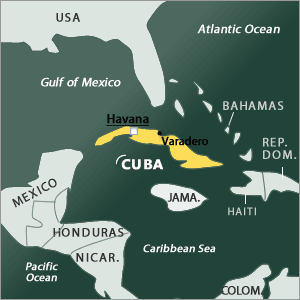
More Information
More Information
Street Soccer in Cuba
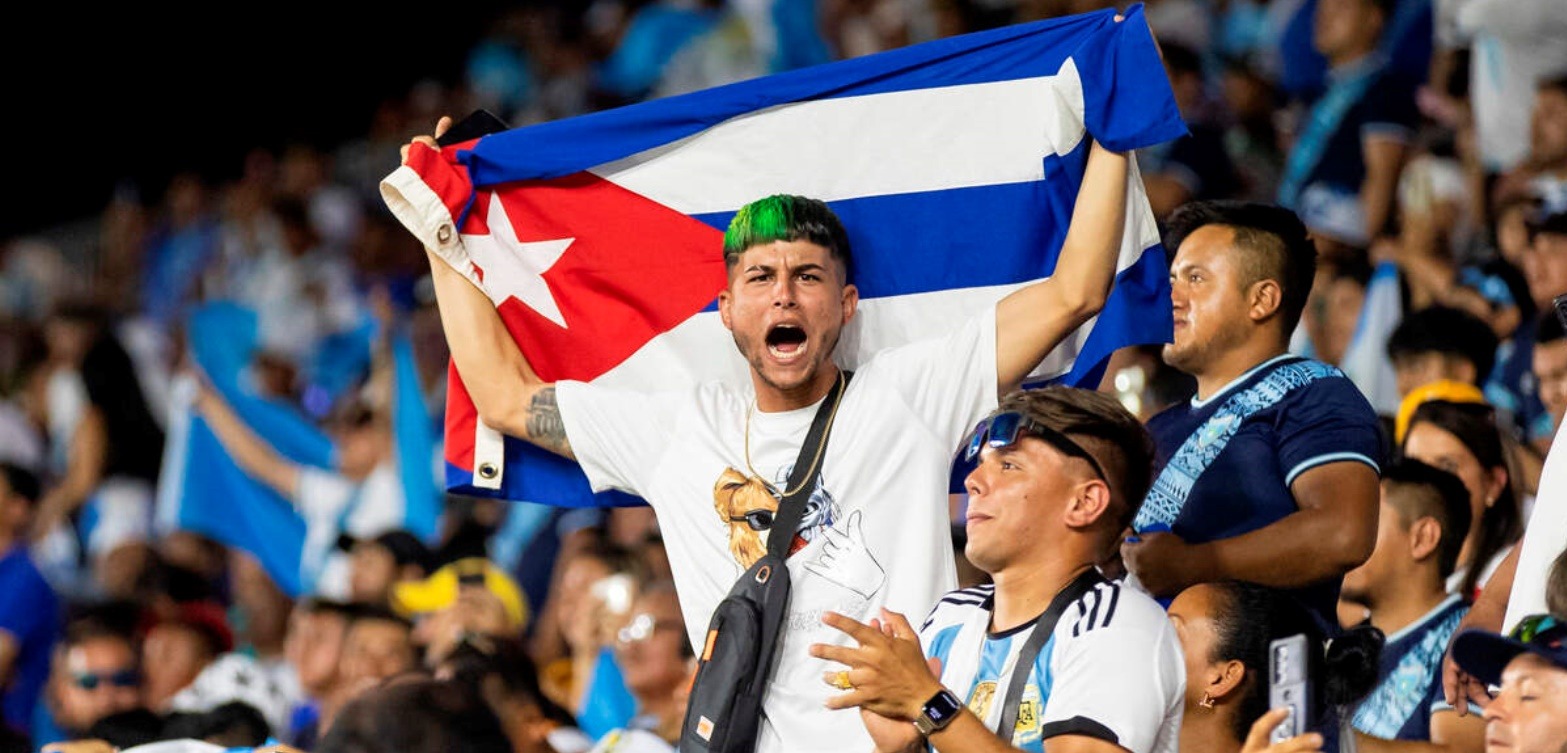
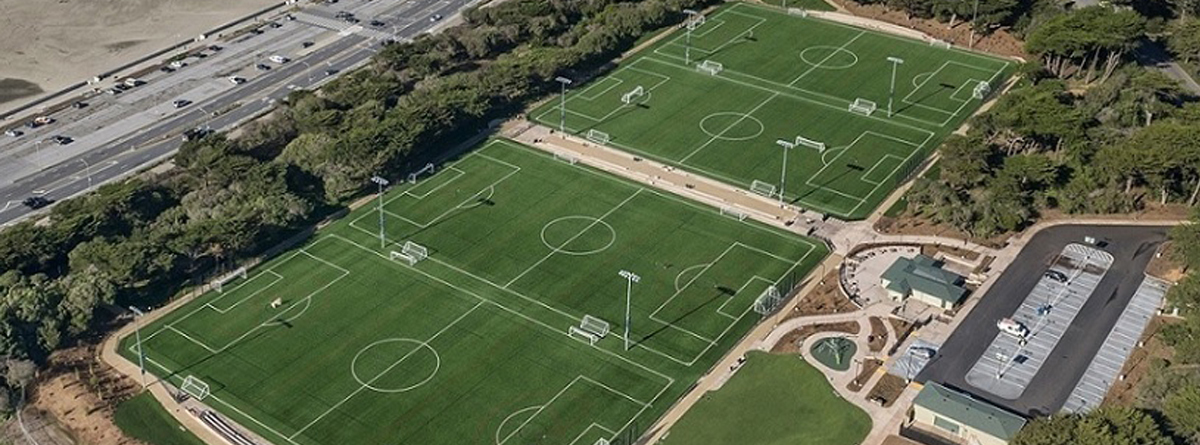
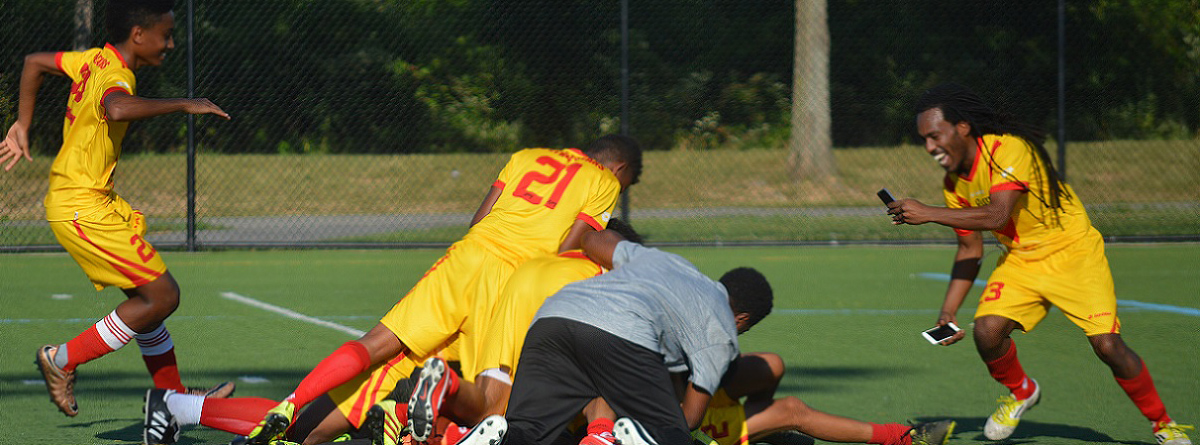
Street soccer is a popular recreational activity in Cuba, where children and teenagers often gather in neighbourhoods, school grounds, parks, and community spaces to enjoy informal football matches. These friendly games provide young players with an opportunity to stay active, build friendships, and develop their football skills in a relaxed environment.
Playing on smaller pitches helps participants improve close ball control, accurate passing, quick movement, and teamwork. The fast pace of street soccer encourages creativity, confidence, and quick decision-making, allowing players to strengthen their abilities through regular practice.
Street soccer offers an affordable and accessible way for communities across Cuba to enjoy football without requiring professional facilities. It promotes healthy lifestyles, encourages social connections, and inspires young people to continue participating in the sport.
Street Soccer Culture in Cuba
Football continues to gain interest in Cuba, and street soccer plays a role in introducing young players to the game. Informal matches organised by friends, schools, and local communities create a welcoming environment where players of different ages and abilities can enjoy football together.
Skills Developed Through Street Soccer
Street soccer helps players improve dribbling, first touch, passing accuracy, agility, balance, ball control, and awareness. Regular play also builds communication, confidence, and the ability to make quick decisions during fast-paced matches.
Street Soccer and Community Development
Street soccer brings communities together through football while encouraging active lifestyles and positive social interaction among young people. It also provides aspiring players with valuable experience before progressing to school teams, local clubs, or organised football programmes.
The Cuba in the DMV Metro

- Demographic Size: There are an estimated 6,500 to 7,000+ Caribbean immigrants of Cuban descent living across the D.C. and Baltimore metro areas.
- Suburban Hubs: The largest portions of the local population reside in Maryland's Prince George's County and Montgomery County, with growing numbers in Northern Virginia.
- Center for a Free Cuba (Falls Church, VA): An independent, non-partisan organization dedicated to promoting human rights and a transition to democracy in Cuba.
- Cuba Study Group (Washington, D.C.): A non-profit comprised of Cuban-American business and community leaders focused on advocacy and civil society development.
- Cuban American National Foundation (CANF): Maintains a critical legislative and advocacy office in Washington, D.C. to interface with federal policymakers.
- Dance & Music: Organizations like DC Casineros regularly partner with local institutions to host the DC Cuban Socials at Dance Place in D.C.'s Brookland neighborhood, drawing large crowds for salsa, timba, and casino dance lessons.
- District Cuba (Columbia Rd NW, D.C.): A foundational neighborhood hub specialized in helping local families manage passport processing, legal documentation, and essential shipping services directly to family on the island.
- Historical Landmarks: The Cuban Friendship Urn located on Ohio Drive SW stands as a physical monument symbolizing historical ties between the U.S. and Cuba.
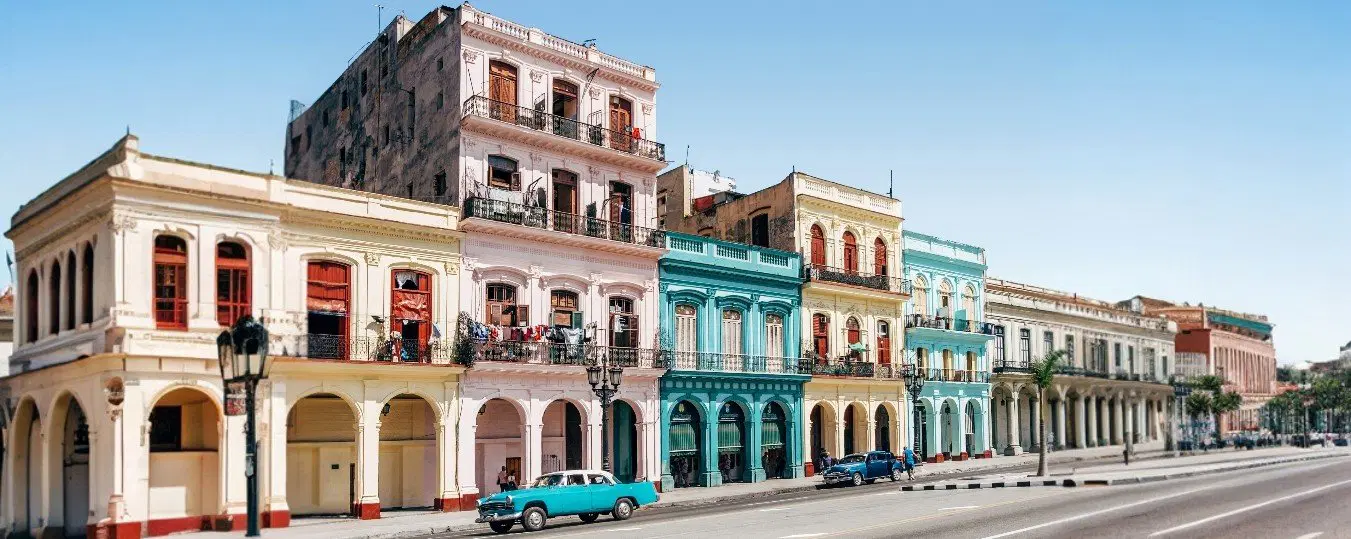
- Cuba Libre Restaurant & Rum Bar (Penn Quarter, D.C.): Known for its massive 1950s Havana-style open decor, traditional rums, and hosting community solidarity rallies during humanitarian crises on the island.
- Cuba De Ayer (Burtonsville, MD): A long-standing, family-run strip-mall gem serving homestyle favorites like ropa vieja and rabo encendido amidst walls covered in classic Cuban art.
- Cubano’s (Bethesda, MD): A popular destination celebrated by locals for traditional entrees and authentic mojitos.
Significance
Cuban immigration to the United States has generally reflected geographic proximity, political exile, cigar-industry employment, revolution, communist rule, economic hardship, refugee policies, family reunification, and the search for greater freedom and opportunity.
Cuban migration to the United States began well before the twentieth century because the two countries were connected through trade, shipping, politics, and the narrow Florida Straits. During the nineteenth century, cigar manufacturers and workers established communities in Key West, Tampa, New York, and New Orleans, while Cuban independence activists used American cities as centres for organising and publishing. Migration changed dramatically after the 1959 Cuban Revolution, when political opponents, professionals, business owners, workers, and families began leaving the island in large numbers. Later waves arrived through the Freedom Flights, the 1980 Mariel boatlift, the 1994 rafter crisis, family-sponsored immigration, and humanitarian programmes. South Florida, particularly Miami, became the principal centre of Cuban American community life.
Cuban Migration Before the Revolution
Before the Cuban Revolution, migration was shaped by Spanish colonial rule, independence movements, maritime commerce, political exile, and the tobacco industry. After social and political unrest intensified in Cuba during the nineteenth century, cigar manufacturers relocated operations to Key West and later Tampa, attracting thousands of Cuban workers and their families. Immigrants established neighbourhoods, mutual-aid societies, newspapers, labour organisations, theatres, and businesses. Political leaders such as José Martí also worked among Cuban communities in the United States while organising support for independence from Spain. Following the Spanish-American War, Spain relinquished control of Cuba, and the Republic of Cuba was established in 1902. Migration across the Florida Straits remained frequent, with many workers travelling repeatedly between Havana, Tampa, and Key West according to employment opportunities.
Post-Revolutionary Immigration
Cuban immigration increased dramatically after Fidel Castro’s revolutionary government took power in 1959. Early exiles included former officials, professionals, business owners, landowners, and families opposed to the new government. More than 200,000 Cubans had reached the United States by 1962, and approximately 300,000 arrived through the Freedom Flights between 1965 and 1973. The Cuban Adjustment Act of 1966 created a special pathway through which eligible Cuban arrivals could obtain permanent residence. Further migration occurred during the Mariel boatlift of 1980 and the balsero, or rafter, crisis of 1994. New arrivals often faced language barriers, interrupted careers, family separation, and financial hardship. Cuban Americans nevertheless created influential businesses, churches, media organisations, cultural institutions, and political networks while preserving Spanish, music, food, religious traditions, and close connections with Cuba.