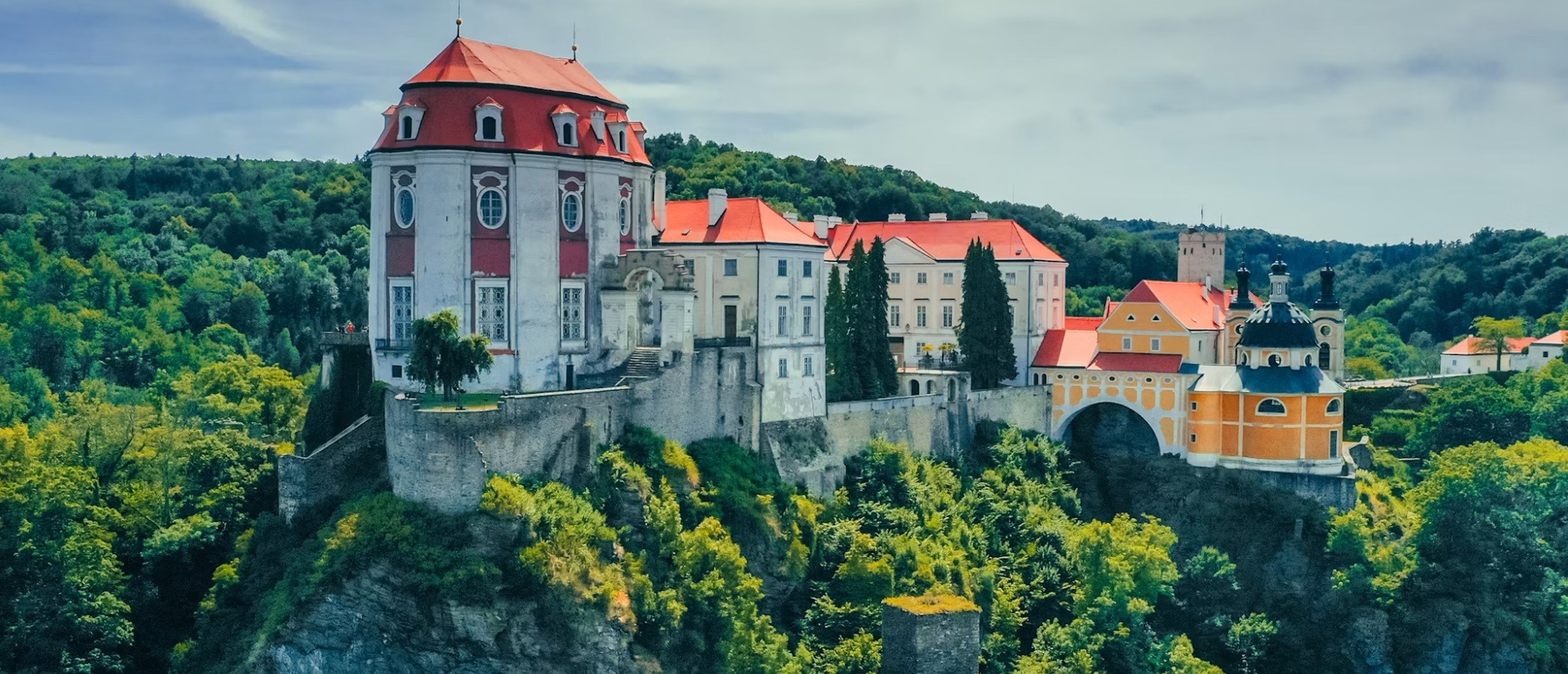
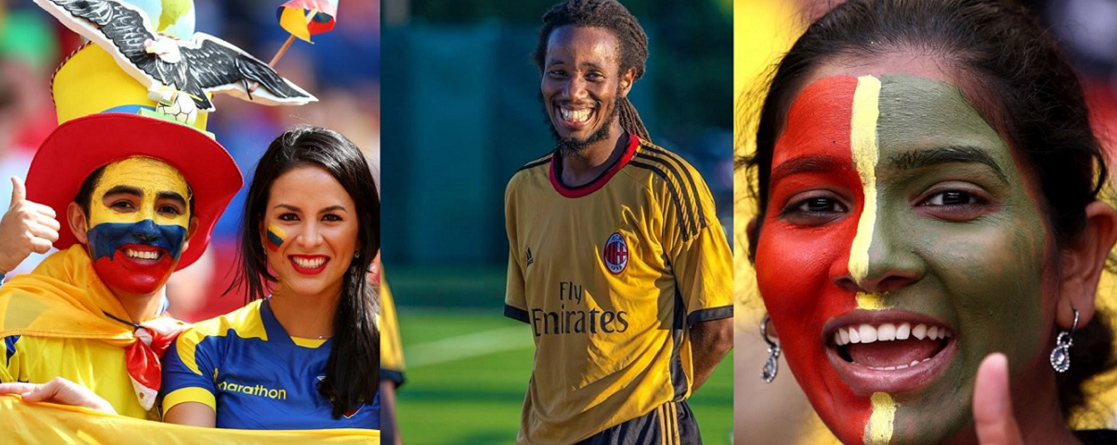
The Diaspora World Cup operates in some of the major cities and metro areas in
United States and
Canada. Our network of register players includes 20 cities, 200 countries, 400
teams, and 10,000
players. Join our movement to solve the world's most pressing challenges:
Illiteracy
Who We are text will be here Who We are text will be here Who We are text will
be here Who We
are text will be here Who We are text will be here Who We are text will be here
Who We are text
will be here Who We are text will be here Who We are text will be here
What We Do text will be here What We Do text will be here What We Do text will
be here What We
Do text will be here What We Do text will be here What We Do text will be here
What We Do text
will be here What We Do text will be here What We Do text will be here What We
Do text will be
here What We Do text will be here What We Do text will be here
Get Involved text will be here Get Involved text will be here Get Involved text
will be here Get
Involved text will be here Get Involved text will be here Get Involved text will
be here Get
Involved text will be here Get Involved text will be here Get Involved text will
be here Get
Involved text will be here
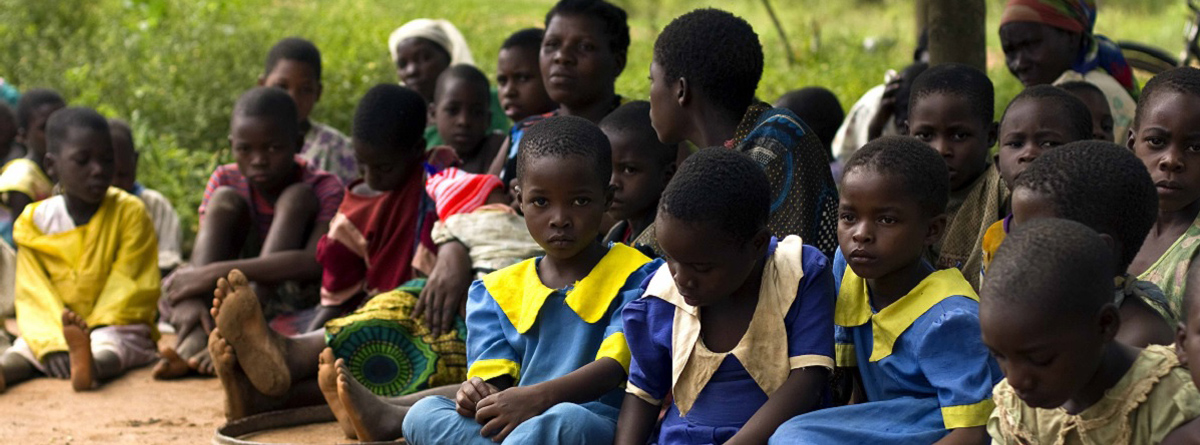
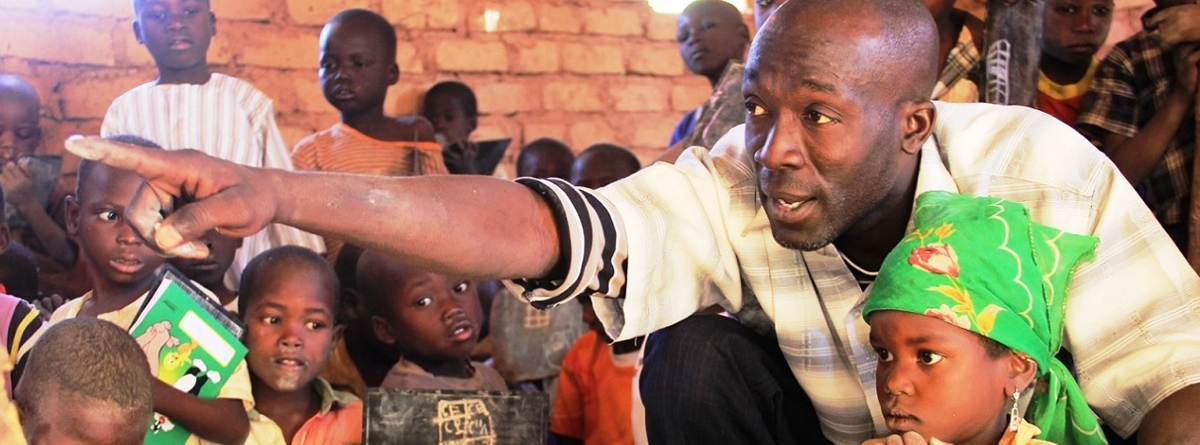
Education is a basic Human Right and the Diaspora World Cup global school
program focuses its
energy in some the poorest countries around the world. We build schools in some
of the poorest
countries around the worldthat historically had no adequate school structure.
Any member of the
World Diaspora has the power to end illiteracy around the world through the
power of soccer.
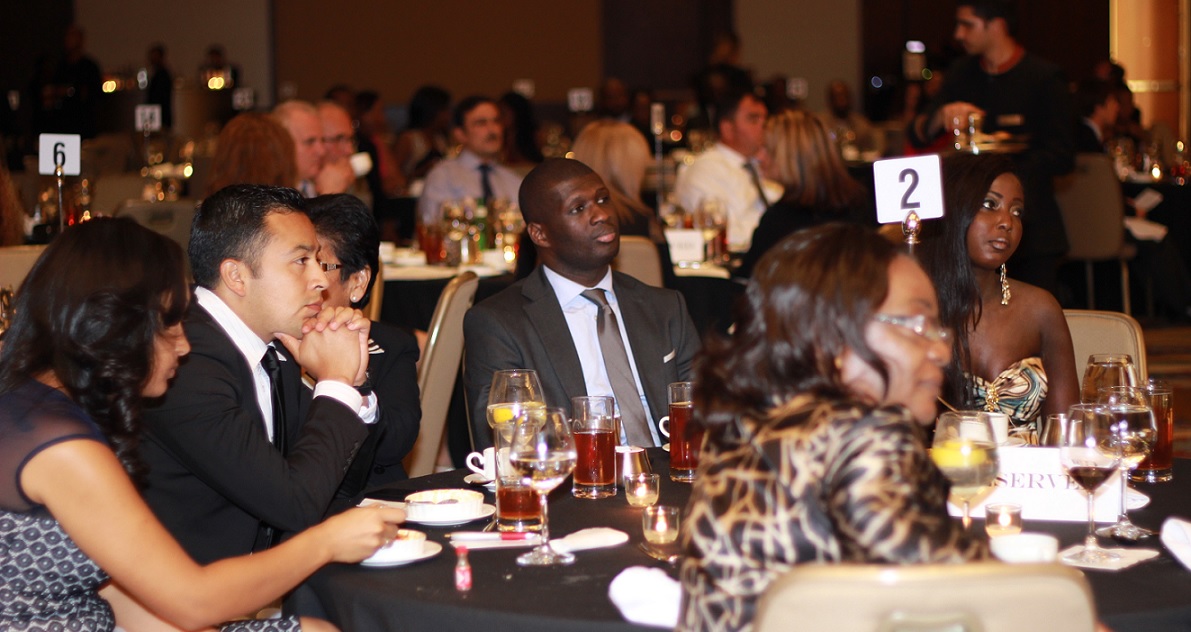
High-profile sport figures, global leaders, business leaders, political figure,
journalists,
activists, philanthropists, actors, and entrepreneurs united by their commitment
to the Diaspora
World Cup mission to eradicate illiteracy around the world through the power of
soccer. They serve
as role models and spread the Diaspora World Cup vision and commitment of a
world mobilized
through soccer.
Diaspora 2027: complete guide to all players | The Diaspora
CZECH R.
Welcome to the 2028 Diaspora World Cup. Oakdale - Frederick
Oakdale - Frederick
Welcome to the 2028 Diaspora World Cup. Oakdale - Frederick
The Czech diaspora in the Washington, D.C., Maryland, and Virginia (DMV) area is a historic community that grew notably after 1948 as a hub for political, diplomatic, and intellectual migrants. Today, the community is anchored by active cultural organizations, language schools, and regular embassy initiatives. Prominent Community Organizations American Sokol Wash...The Czech diaspora in the Washington, D.C., Maryland, and Virginia (DMV) area is a historic community that grew notably after 1948 as a hub for political, diplomatic, and intellectual migrants. Today, the community is anchored by active cultural organizations, language schools, a...
More Information
Chelsea Official
Download The 5th Stand, Chelsea’s official mobile app, to see exclusive content, match action and all the latest news from Stamford Bridge.
More Information
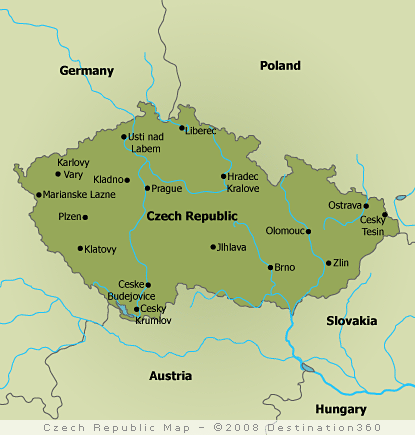
Street Soccer in Czech Republic
Street soccer is a popular activity among young people in the Czech Republic, where children and teenagers often play football in residential areas, school playgrounds, public parks, and local sports courts. These informal matches provide a simple and enjoyable way for players to spend time outdoors while developing their interest in the game.
The compact nature of street soccer helps participants improve quick passing, close ball control, movement, and decision-making. Playing in smaller spaces encourages players to be more creative, communicate with teammates, and adapt their skills to different playing conditions.
Street soccer remains an accessible form of football across the Czech Republic, allowing communities to enjoy the sport without requiring professional fields or organised competitions. It supports active lifestyles, builds friendships, and helps young players gain confidence through regular participation.
Street Soccer Culture in Czech Republic
Football has a strong presence in Czech sporting traditions, and street soccer is often where many children begin developing their connection with the sport. Local matches organised by schools, friends, and neighbourhood groups create a friendly environment for players of different abilities.
Skills Developed Through Street Soccer
Street soccer helps players strengthen dribbling, first touch, passing accuracy, balance, agility, and game awareness. The quick nature of the game also improves teamwork, concentration, and fast decision-making during challenging moments.
Street Soccer and Community Development
Street soccer encourages community involvement by creating opportunities for young people to connect through football. It also helps aspiring players build experience before moving into school teams, local clubs, academies, or organised football competitions.
The Czech R. in the DMV Metro
The Czech diaspora in the Washington, D.C., Maryland, and Virginia (DMV) area is a historic community that grew notably after 1948 as a hub for political, diplomatic, and intellectual migrants. Today, the community is anchored by active cultural organizations, language schools, and regular embassy initiatives.
Prominent Community Organizations
American Sokol Washington, DC: Focuses on community fitness, gymnastics, and cultural preservation for Czech, Slovak, and Moravian heritages.
Czechoslovak Society of Arts and Sciences (SVU): Founded in D.C. in 1958 to promote Czech and Slovak science, humanities, and arts.
Czech and Slovak Heritage Association (CSHA) of Maryland: Organizes language programs and the annual regional Czech and Slovak Festival.
American Friends of the Czech Republic (AFoCR): Focuses on fostering civil, political, and economic ties between the U.S. and the Czech Republic.
Gathering Spaces & Annual Events
Embassy of the Czech Republic: Acts as a primary cultural driver, hosting seasonal film series, public lectures, and community forums like the Connecting Czechs initiative.
Sokol Outdoor Excursions: The local diaspora gathers frequently for recurring social outings, including annual camping and canoe trips on the Shenandoah River.
Expat Networks: Platforms like InterNations Washington D.C. serve as digital hubs for new arrivals to find culinary meetups, language exchanges, and professional networking.
Significance
Czech immigration to the United States has generally reflected agricultural hardship, industrial change, political repression, war, communist rule, education, professional employment, religious freedom, and family reunification.
Czech migration to the United States became significant during the nineteenth century, particularly after restrictions on emigration from the Habsburg territories were reduced during the 1860s. Early arrivals came mainly from Bohemia, Moravia, and Czech Silesia and were often officially recorded as Bohemians, Austrians, or later Czechoslovaks. Farmers, artisans, miners, factory workers, merchants, and political activists settled in Chicago, Cleveland, New York, Wisconsin, Iowa, Nebraska, Texas, and other regions. Czech immigrants established farming communities, neighbourhoods, newspapers, schools, churches, freethinking societies, theatres, fraternal organisations, and cultural institutions. These organisations helped newcomers find employment and housing while preserving Czech language, music, food, literature, and national identity.
Czech Migration Before Czechoslovak Independence
Before an independent Czechoslovakia was established, the Czech lands formed part of the Habsburg monarchy and later Austria-Hungary. Political restrictions, the decline of traditional peasant farming, population growth, limited land, and industrial employment opportunities encouraged migration during the nineteenth and early twentieth centuries. Czech settlers worked in agriculture, meatpacking, manufacturing, mining, construction, skilled trades, and small businesses. Large communities developed in Chicago, Omaha, Cleveland, New York, and rural areas of Nebraska, Iowa, Wisconsin, and Texas. Immigrants created organisations such as mutual-aid lodges, gymnastic societies, newspapers, schools, and community halls. After World War I, Czechoslovakia emerged from the dissolution of Austria-Hungary, and the United States recognised its national council as a de facto government in 1918.
Twentieth-Century Immigration
Czech immigration continued during the twentieth century as Nazi occupation, World War II, the communist takeover of Czechoslovakia in 1948, and the Soviet-led invasion of 1968 drove refugees, political opponents, intellectuals, artists, academics, and professionals abroad. Communist authorities restricted emigration, but some Czechs escaped or received permission to leave and later settled in the United States, Canada, Australia, and Western Europe. After communist rule ended in 1989, migration increasingly involved students, scientists, engineers, businesspeople, technology specialists, and families seeking education or professional opportunities. Czechoslovakia peacefully separated at the end of 1992, and the Czech Republic—now commonly called Czechia—was established on January 1, 1993. The United States established diplomatic relations with the new country on the same day.
Lorem ipsum dolor sit amet, consectetur adipiscing elit, sed do eiusmod tempor incididunt ut
labore et dolore magna aliqua. Ut enim ad minim veniam, quis nostrud exercitation ullamco
laboris nisi ut aliquip ex ea commodo consequat. Duis aute irure dolor in
reprehenderit in voluptate velit esse cillum dolore eu fugiat nulla pariatur.
 Sign In






 Facebook
 X-Twitter
 Instagram
 Linkedin
 Youtube