Sign In






 Facebook
 X-Twitter
 Instagram
 Linkedin
 Youtube
More Information
More Information
Street Soccer in Egypt
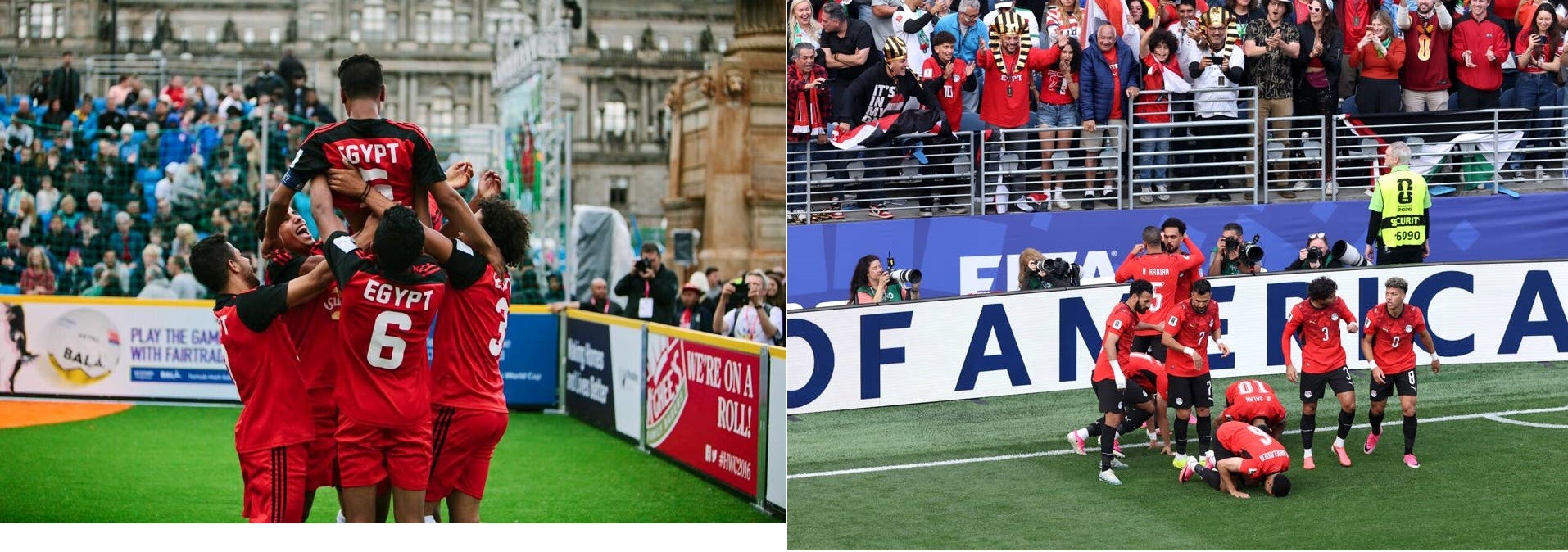
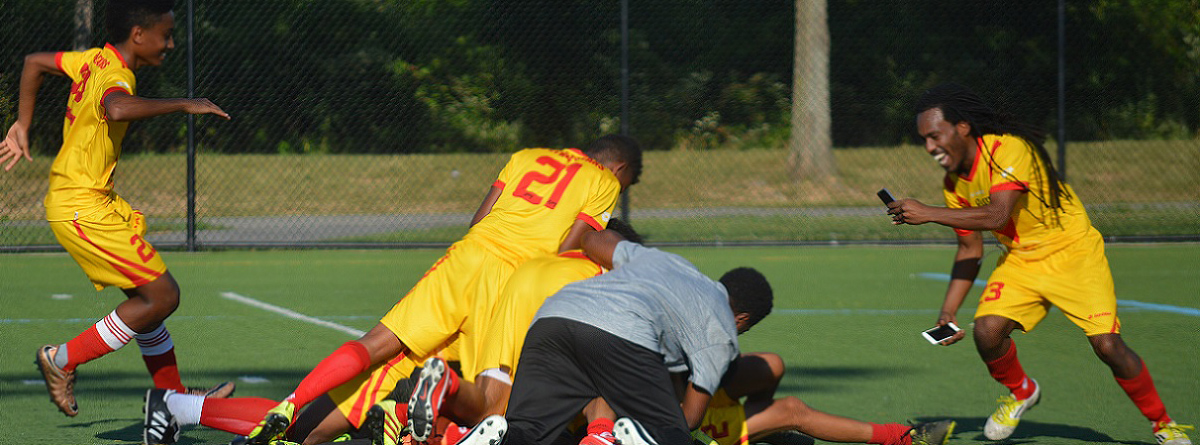
Street soccer is a lively part of everyday life in Egypt, where children and teenagers regularly play football in neighbourhood streets, school playgrounds, public parks, and open community spaces. These informal matches are especially popular during the evenings, bringing friends together to enjoy the game while improving their football skills.
The fast and competitive environment of street soccer helps players develop sharp ball control, quick passing, creative dribbling, and rapid decision-making. Playing in confined spaces encourages technical ability, teamwork, and adaptability, allowing participants to improve naturally through continuous play.
Street soccer remains one of the most accessible ways to enjoy football across Egypt, requiring minimal equipment and making the sport available to young people from all communities. It promotes active lifestyles, strengthens local friendships, and inspires future generations of footballers.
Street Soccer Culture in Egypt
Football is deeply embedded in Egyptian culture, and street soccer has long been a traditional way for young players to discover and develop their talent. Friendly matches organised by neighbours, schools, and local communities create an energetic atmosphere where passion for the game continues to grow.
Skills Developed Through Street Soccer
Street soccer helps players strengthen dribbling, first touch, passing accuracy, agility, balance, ball control, and spatial awareness. Regular games also improve confidence, creativity, communication, and the ability to make quick decisions under pressure.
Street Soccer and Community Development
Street soccer brings communities together by creating positive spaces for young people to connect through football. It also provides a valuable pathway for aspiring players before progressing to school teams, local football clubs, academies, or organised youth football programmes.
The Egypt in the DMV Metro

- Egyptian Diaspora Association (EDA): A prominent, multigenerational 501(c)(3) nonprofit based in the DMV. It hosts cultural events like soccer watch parties, game nights, and seasonal social mixers to foster local diaspora connections.
- Embassy of Egypt in Washington, D.C.: Located in Dupont Circle, the embassy serves as the central node for consular services, civic engagement, and official cultural exchange programs.
- Egyptians in Virginia, DC & Maryland: A major digital hub on Facebook utilized by thousands of local expats for professional networking, housing, and community support.
- InterNations Washington, D.C.: A dedicated networking group specifically tailored to connecting Egyptian expatriates living and working in the metro area.
- Coptic Christian Churches: A significant portion of the DMV Egyptian population belongs to the Coptic faith. Churches like St. Mark Coptic Orthodox Church in Fairfax, VA, and St. Mary Coptic Orthodox Church in Savage, MD, serve as massive cultural and spiritual community anchors.
- Islamic Centers: Egyptian Muslims are highly active across broad-based regional hubs, notably the Islamic Center of Washington on Embassy Row and various local mosques throughout Northern Virginia.
- Professional Profile: Mirroring nationwide trends where 60% of Egyptian immigrants are naturalized citizens, local diaspora members heavily populate fields like engineering, academia, international development (such as the World Bank and IMF), and federal contracting.
- Civic Engagement: Due to its proximity to the nation's capital, the DMV diaspora is uniquely focused on political advocacy, foreign policy dialogue, and navigating cross-border civic matters like voting and consular access.
Significance
Egyptian immigration to the United States has generally reflected British influence, political change, education, professional opportunities, economic hardship, religious concerns, family reunification, and the Diversity Visa programme.
Egyptian migration to the United States remained limited throughout most of the nineteenth and early twentieth centuries. Early arrivals mainly included merchants, diplomats, students, religious workers, academics, artists, and professionals travelling for trade, education, or specialised employment. Substantial immigration began during the 1970s, when political and economic changes encouraged larger numbers to seek opportunities abroad. Egyptian communities later developed most visibly in California, New York, New Jersey, Texas, and other states. Immigrants established Coptic churches, mosques, businesses, restaurants, professional associations, cultural organisations, and family networks while preserving Arabic, Coptic religious traditions, Egyptian food, music, festivals, and close relationships with relatives in Egypt.
Egyptian Migration Before the Major Immigration Waves
Before the 1970s, direct Egyptian immigration to the United States was uncommon. Egypt formally gained limited independence from Britain in 1922, and the United States recognised Egyptian independence and established diplomatic relations on April 26 of that year. Earlier movement mainly involved sailors, merchants, government representatives, students, intellectuals, religious figures, and members of internationally connected families. Egyptian professionals more commonly migrated within the Arab world, where teachers, doctors, administrators, and other skilled workers contributed to neighbouring countries. Fewer than 12,000 Egyptian immigrants settled permanently in the United States between 1820 and 1969. Restrictive American immigration quotas, travel costs, and stronger connections with Europe and the Middle East prevented the early development of a large Egyptian American population.
Late-Twentieth- and Early-Twenty-First-Century Immigration
Egyptian immigration increased during the 1970s as the United States’ 1965 immigration reforms expanded opportunities for non-European migrants through family sponsorship and skilled employment. Approximately 24,000 Egypt-born people became lawful permanent residents during the 1970s, and migration continued through the following decades. New arrivals included doctors, engineers, scientists, academics, entrepreneurs, students, religious minorities, and relatives joining established families. Family reunification and the Diversity Visa programme became especially important immigration pathways. Political unrest, economic instability, limited professional opportunities, and the events surrounding Egypt’s 2011 revolution encouraged further migration. Egyptian immigrants formed strong communities around New York City, Los Angeles, and other metropolitan areas, supported by churches, mosques, businesses, charities, media outlets, and professional organisations.