Sign In







 Facebook
 X-Twitter
 Instagram
 Linkedin
 Youtube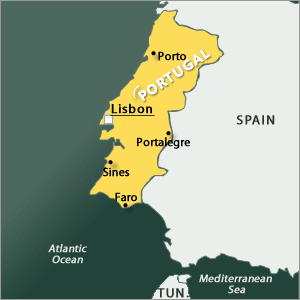
More Information
More Information
Street Soccer in Portugal
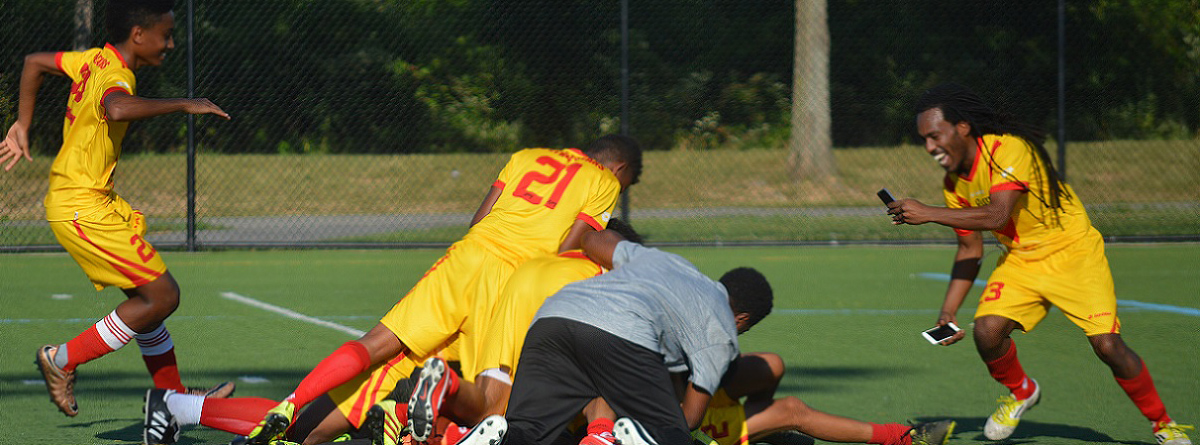
Street soccer is a major part of football culture in Portugal, where children and teenagers regularly play informal matches in neighbourhood streets, school playgrounds, public squares, parks, and community courts. These games provide young players with a natural environment to enjoy football, develop skills, and build friendships from an early age.
The technical style of Portuguese football is often reflected in street soccer, where players focus on close ball control, creative dribbling, quick passing, and intelligent movement. Playing in smaller spaces helps participants improve their technique, confidence, teamwork, and ability to make quick decisions under pressure.
Street soccer offers an accessible and affordable way for communities across Portugal to enjoy football without requiring professional facilities. It promotes healthy lifestyles, strengthens community connections, and inspires many young players to continue their football journey through schools, clubs, academies, and local competitions.
Street Soccer Culture in Portugal
Football is one of the most important sports in Portugal, and street soccer is often where many children first discover their passion for the game. Informal matches organised by schools, friends, and neighbourhood communities create a lively atmosphere where players of different ages and abilities can participate.
Skills Developed Through Street Soccer
Street soccer helps players improve dribbling, first touch, passing accuracy, agility, balance, ball control, and tactical awareness. Regular games also develop creativity, communication, confidence, and the ability to make quick decisions in tight playing spaces.
Street Soccer and Community Development
Street soccer brings communities together through football while encouraging teamwork, positive youth participation, and active lifestyles. It also provides aspiring players with valuable experience before progressing to school teams, local football clubs, academies, futsal programmes, or organised youth football competitions.
The PORTUGAL in the DMV Metro

The Portuguese (Luso-American) diaspora in the Washington, D.C., Maryland, and Virginia (DMV) area is a highly educated and professionally active Lusophone community. Unlike the historic working-class Portuguese enclaves of New England and California, the DMV community is strongly connected to diplomacy, international organizations, science, higher education, and professional services.
Core Community Organizations
-
Embassy of Portugal: Located in Washington, D.C., the embassy serves as the main diplomatic and cultural hub for Portuguese residents, providing consular services and supporting cultural, economic, and national celebrations.
-
Camões – Instituto da Cooperação e da Língua: Portugal's official language and cultural institute promotes Portuguese language and Lusophone culture through educational programs, academic partnerships, and cultural activities.
-
Portuguese American Post-Graduate Society (PAPS): Provides a professional network for Portuguese graduate students, scientists, researchers, postdocs, and academics throughout the DMV.
Lusophone & Language Networks
-
Portuguese Language Programs: Institutions such as the International Language Institute of DC provide Portuguese-language courses for students, professionals, families, and heritage learners.
-
Brazilian & PALOP Communities: Portuguese residents frequently interact with the much larger Brazilian community and Portuguese-speaking African communities from Angola, Cape Verde, Mozambique, Guinea-Bissau, and São Tomé and Príncipe.
-
Digital Portuguese Networks: Facebook and InterNations groups provide informal networks for housing, social events, professional connections, language practice, and recommendations for Portuguese businesses and services.
Cultural & Public Events
-
Passport DC: The Portuguese Embassy participates in Washington's annual embassy open-house programming, showcasing Portuguese food, music, architecture, art, and traditions.
-
Dia de Portugal: Portugal's National Day on June 10 provides an important annual occasion for Portuguese cultural celebrations, community gatherings, and diplomatic events.
-
Academic & Professional Events: Portuguese researchers and professionals participate in conferences, networking events, and cultural programs connected to universities, research institutions, and international organizations.
Community Characteristics
-
Highly educated: Strong representation among researchers, academics, graduate students, diplomats, and international professionals.
-
Professionally oriented: The presence of the World Bank, IMF, NIH, universities, and international organizations creates a significant professional network.
-
Geographically integrated: Portuguese residents are spread throughout the DMV rather than concentrated in a single ethnic neighborhood.
-
Lusophone-connected: Brazilian and African Portuguese-speaking communities provide important cultural and linguistic connections.
-
Diplomatic-centered: The Portuguese Embassy and related cultural institutions give the community a strong institutional presence in Washington, D.C.
Significance
Immigration from Portugal has generally reflected maritime exploration, economic opportunity, educational advancement, professional employment, family reunification, international business, skilled migration, and political change.
Migration from Portugal has played an important role in the history of the United States for centuries. Portuguese migration initially developed through maritime trade and later expanded during the nineteenth and twentieth centuries as many Portuguese sought employment, agricultural opportunities, and improved living conditions. Large communities were established in states such as Massachusetts, Rhode Island, California, and Hawaii. In recent decades, migration has increasingly reflected higher education, professional employment, entrepreneurship, scientific research, and multinational business. Today, Portuguese immigrants and Portuguese Americans maintain strong cultural, linguistic, and family ties with Portugal while contributing to healthcare, engineering, education, technology, business, maritime industries, and public service throughout the United States.
Portuguese Migration Before Independence
Portugal is one of Europe's oldest sovereign nations, having established its independence in 1143, with international recognition confirmed by the Treaty of Zamora. During the Age of Discovery, Portugal became a major maritime power, and migration was influenced by overseas exploration, commerce, fishing, agriculture, military service, and colonial administration. Portuguese sailors, merchants, craftsmen, missionaries, and traders travelled extensively across Europe, Africa, Asia, and the Americas. During the nineteenth century, many Portuguese, particularly from the Azores and Madeira, emigrated to the United States as whalers, fishermen, farmers, laborers, merchants, and skilled workers, establishing enduring communities along the East and West Coasts. The United States and Portugal have maintained diplomatic relations since the founding of the United States, reflecting centuries of commercial and political cooperation.
Late-Twentieth- and Early-Twenty-First-Century Immigration
Migration patterns evolved during the late twentieth and early twenty-first centuries as Portugal experienced democratic reforms following the Carnation Revolution of 1974, economic modernization, and integration into the European Union. Students, physicians, engineers, scientists, academics, entrepreneurs, information technology specialists, business professionals, and researchers increasingly travelled to the United States for university education, specialized employment, scientific research, investment, or family reunification. Academic exchange programs, multinational corporations, research partnerships, and international business have continued to strengthen migration in recent decades. In the United States, Portuguese immigrants often rely on family networks, churches, Portuguese cultural organizations, alumni associations, and professional groups for support with housing, employment, education, and community integration while preserving the Portuguese language, traditional cuisine, cultural heritage, religious practices, national celebrations, and close relationships with relatives in Portugal.