



Significance
Salvadoran immigration to the United States has generally reflected political repression, civil war, economic inequality, natural disasters, insecurity, employment opportunities, family reunification, and established migration networks.
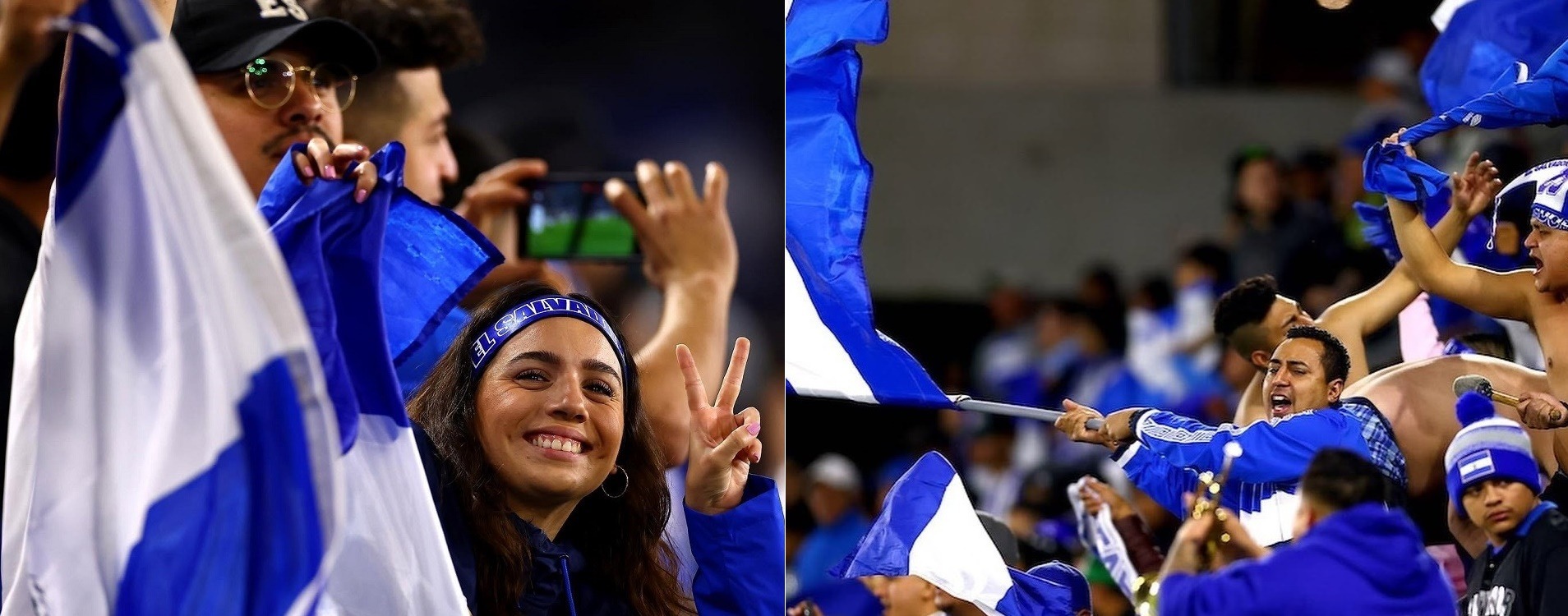
Salvadoran migration to the United States remained relatively limited until the late twentieth century. Early arrivals included merchants, agricultural workers, sailors, students, diplomats, religious workers, and professionals travelling for employment, education, or trade. Large-scale migration began during the late 1970s and 1980s as political repression and civil war forced hundreds of thousands of people to leave their homes. Many settled in California, Texas, New York, Maryland, Virginia, and the Washington, D.C., metropolitan area. Migration continued after the war through family reunification and in response to poverty, natural disasters, and insecurity. Salvadoran immigrants established churches, businesses, restaurants, newspapers, cultural associations, and community organisations while maintaining close connections with relatives in El Salvador.
Salvadoran Migration Before the Civil War
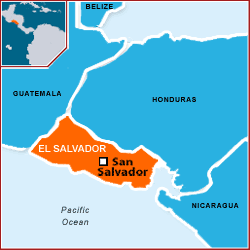
Before the civil war, direct migration from El Salvador to the United States was comparatively uncommon. El Salvador became independent from Spain in 1821 and later joined the Federation of Central American States with Guatemala, Honduras, Nicaragua, and Costa Rica. Early connections with the United States were based mainly on diplomacy, agriculture, maritime commerce, education, and the export of coffee and other products. Salvadorans travelling north were commonly merchants, students, government representatives, sailors, religious workers, professionals, or political exiles. Most international migrants initially moved within Central America because neighbouring countries were easier and less expensive to reach. During the 1960s and 1970s, land inequality, unemployment, political conflict, and increasing violence began encouraging greater movement toward the United States.
Late-Twentieth- and Early-Twenty-First-Century Immigration
Salvadoran immigration increased dramatically during the 1980–1992 civil war, when government repression, guerrilla warfare, massacres, and economic disruption displaced large numbers of people. Many travelled through Mexico and settled in Los Angeles, Houston, New York, Washington, D.C., and nearby communities. Although numerous Salvadorans initially struggled to receive asylum, American churches, legal organisations, and immigrant groups helped refugees obtain protection and employment. The Immigration Reform and Control Act of 1986 enabled approximately 146,000 Salvadorans to gain legal status. After the war ended, migration continued through family reunification and in response to earthquakes, hurricanes, poverty, inequality, and violence. Salvadoran communities preserved Spanish, traditional food, music, religious customs, festivals, and family relationships while supporting their homeland through remittances and community projects.