Sign In












 Facebook
 X-Twitter
 Instagram
 Linkedin
 Youtube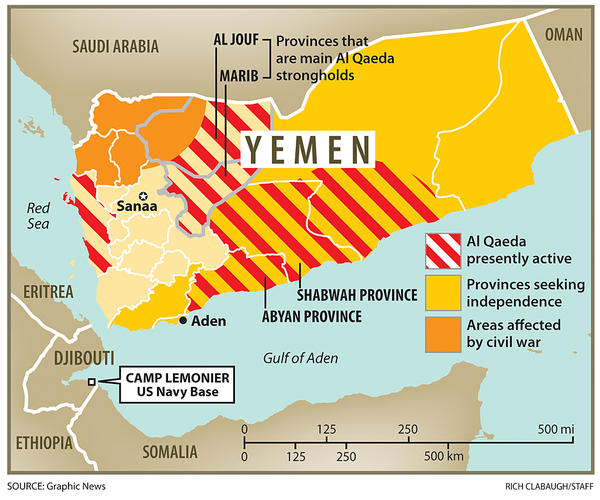

Significance
Yemeni immigration to the United States has generally reflected maritime employment, economic hardship, political conflict, family reunification, education, industrial work, refugee displacement, and the search for security and better opportunities.
Yemeni migration to the United States began in small numbers during the late nineteenth and early twentieth centuries. Early arrivals were mainly sailors, labourers, merchants, and young men seeking temporary employment. Some worked in shipping and steel production, while others joined automobile factories and other industries around Detroit and Dearborn. Communities also developed in New York, Buffalo, California, and parts of the Midwest. Immigration increased after the 1965 reform of American immigration law expanded family-based migration. Political instability, unemployment, regional conflicts, and established family networks encouraged additional settlement. Yemeni immigrants created mosques, businesses, restaurants, grocery stores, cultural organisations, and community associations while preserving Arabic, Islamic traditions, food, music, and close family connections with Yemen.
Yemeni Migration Before Unification
Before Yemen became a unified country, migration was influenced by maritime trade, Ottoman administration in the north, British control of Aden in the south, poverty, and limited employment. Britain occupied Aden in 1839 and developed it as an important port, attracting sailors, traders, dockworkers, and labourers from across the region. Northern Yemen became independent after the collapse of Ottoman rule in 1918, while South Yemen gained independence from Britain in 1967. Early Yemeni migrants reached the United States through international shipping routes and commonly found employment in automobile plants, steel mills, farms, and maritime industries. Many initially intended to work temporarily and send earnings to relatives, but permanent communities gradually formed through marriage and family migration. The United States formally recognised the Kingdom of Yemen in 1946.
Late-Twentieth- and Early-Twenty-First-Century Immigration
North and South Yemen united to form the Republic of Yemen in 1990, but political conflict, the 1994 civil war, unemployment, and economic hardship continued to encourage emigration. Yemeni immigration to the United States expanded through family sponsorship, education, employment, asylum, and humanitarian pathways. The conflict that intensified in 2015 caused extensive destruction, displacement, food insecurity, and separation of families, encouraging further movement within Yemen and toward neighbouring countries and overseas destinations. Yemeni American communities grew especially in Dearborn and Hamtramck, Michigan; New York City; Buffalo and Lackawanna, New York; and areas of California. Mosques, shops, schools, media organisations, and community groups helped newcomers obtain housing, employment, education, and language assistance while maintaining religious traditions, regional identities, and support for relatives affected by the continuing humanitarian crisis.