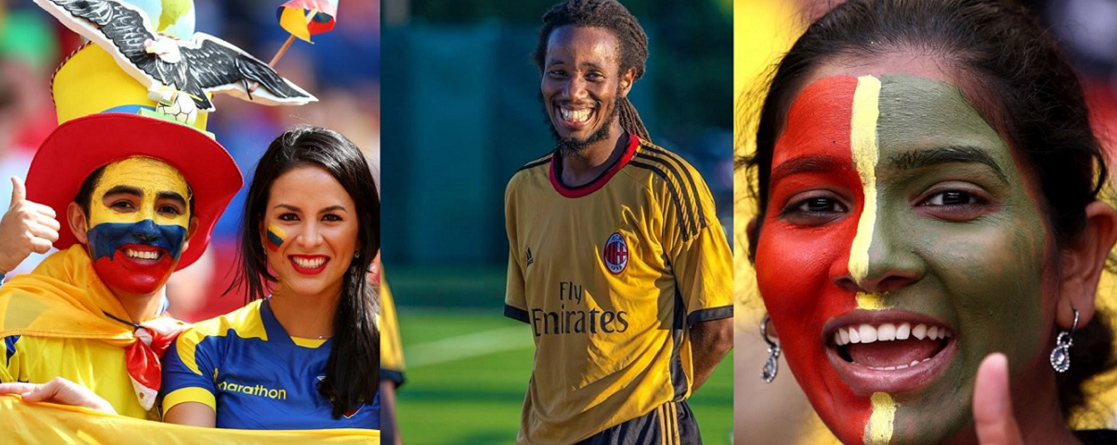
The Diaspora World Cup operates in some of the major cities and metro areas in
United States and
Canada. Our network of register players includes 20 cities, 200 countries, 400
teams, and 10,000
players. Join our movement to solve the world's most pressing challenges:
Illiteracy
Who We are text will be here Who We are text will be here Who We are text will
be here Who We
are text will be here Who We are text will be here Who We are text will be here
Who We are text
will be here Who We are text will be here Who We are text will be here
What We Do text will be here What We Do text will be here What We Do text will
be here What We
Do text will be here What We Do text will be here What We Do text will be here
What We Do text
will be here What We Do text will be here What We Do text will be here What We
Do text will be
here What We Do text will be here What We Do text will be here
Get Involved text will be here Get Involved text will be here Get Involved text
will be here Get
Involved text will be here Get Involved text will be here Get Involved text will
be here Get
Involved text will be here Get Involved text will be here Get Involved text will
be here Get
Involved text will be here
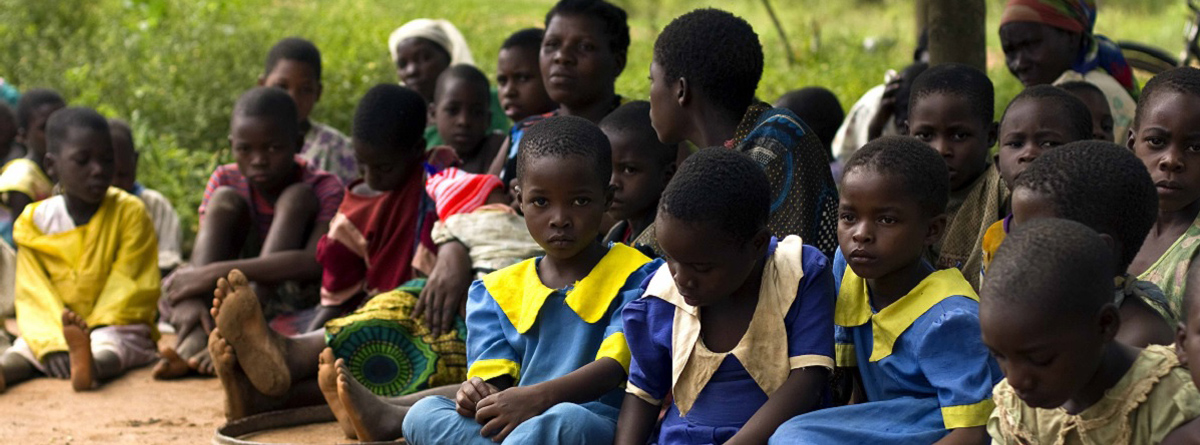
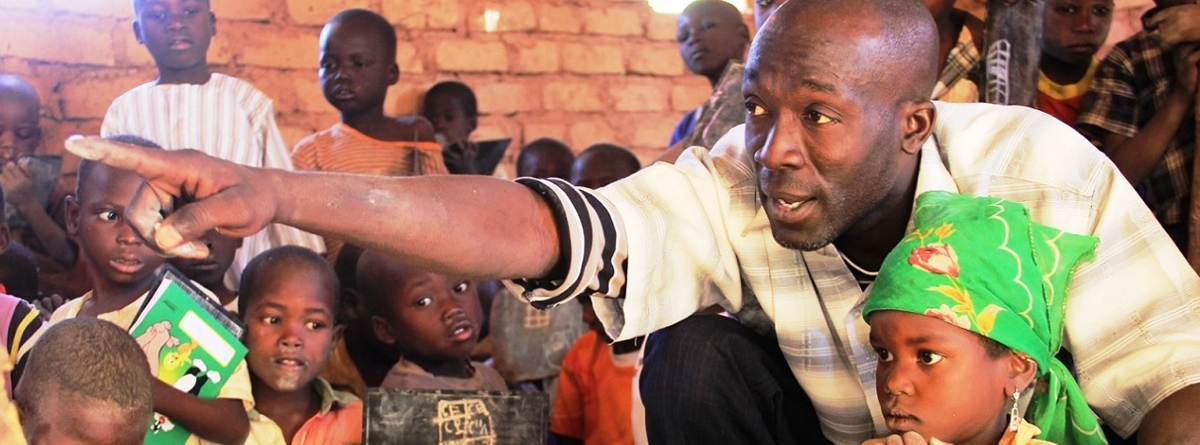
Education is a basic Human Right and the Diaspora World Cup global school
program focuses its
energy in some the poorest countries around the world. We build schools in some
of the poorest
countries around the worldthat historically had no adequate school structure.
Any member of the
World Diaspora has the power to end illiteracy around the world through the
power of soccer.
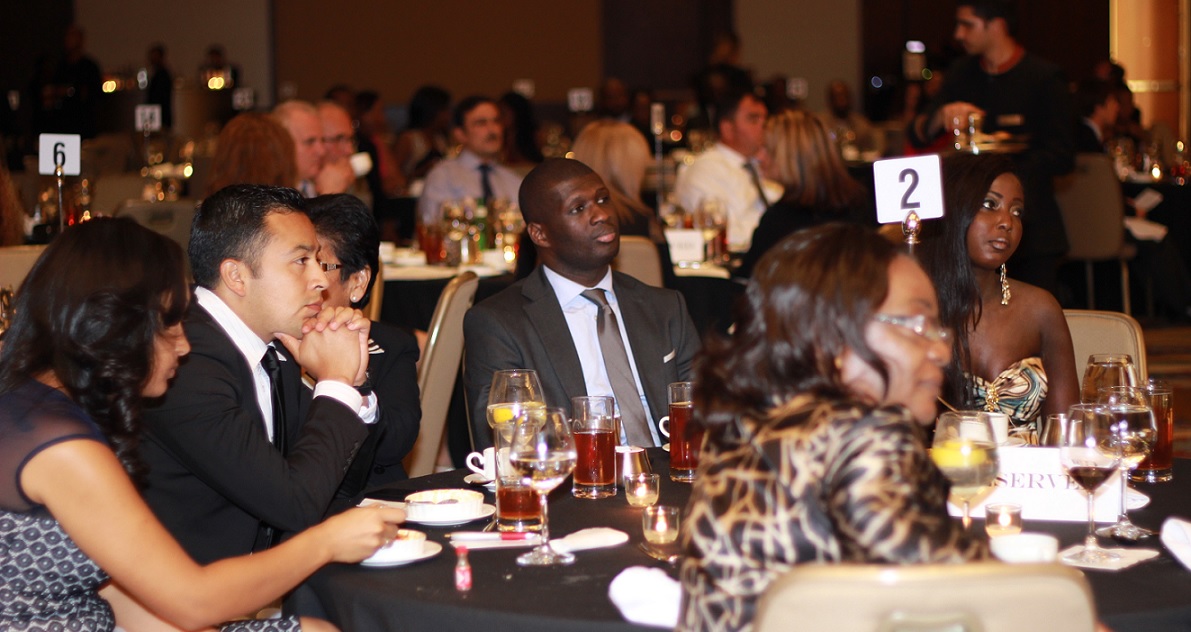
High-profile sport figures, global leaders, business leaders, political figure,
journalists,
activists, philanthropists, actors, and entrepreneurs united by their commitment
to the Diaspora
World Cup mission to eradicate illiteracy around the world through the power of
soccer. They serve
as role models and spread the Diaspora World Cup vision and commitment of a
world mobilized
through soccer.
Diaspora 2027: complete guide to all players | The Diaspora
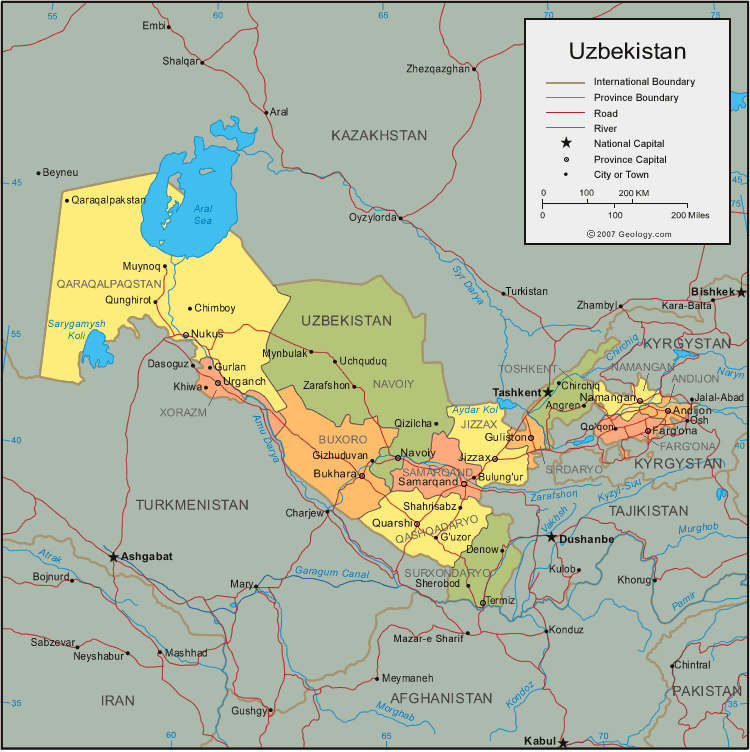
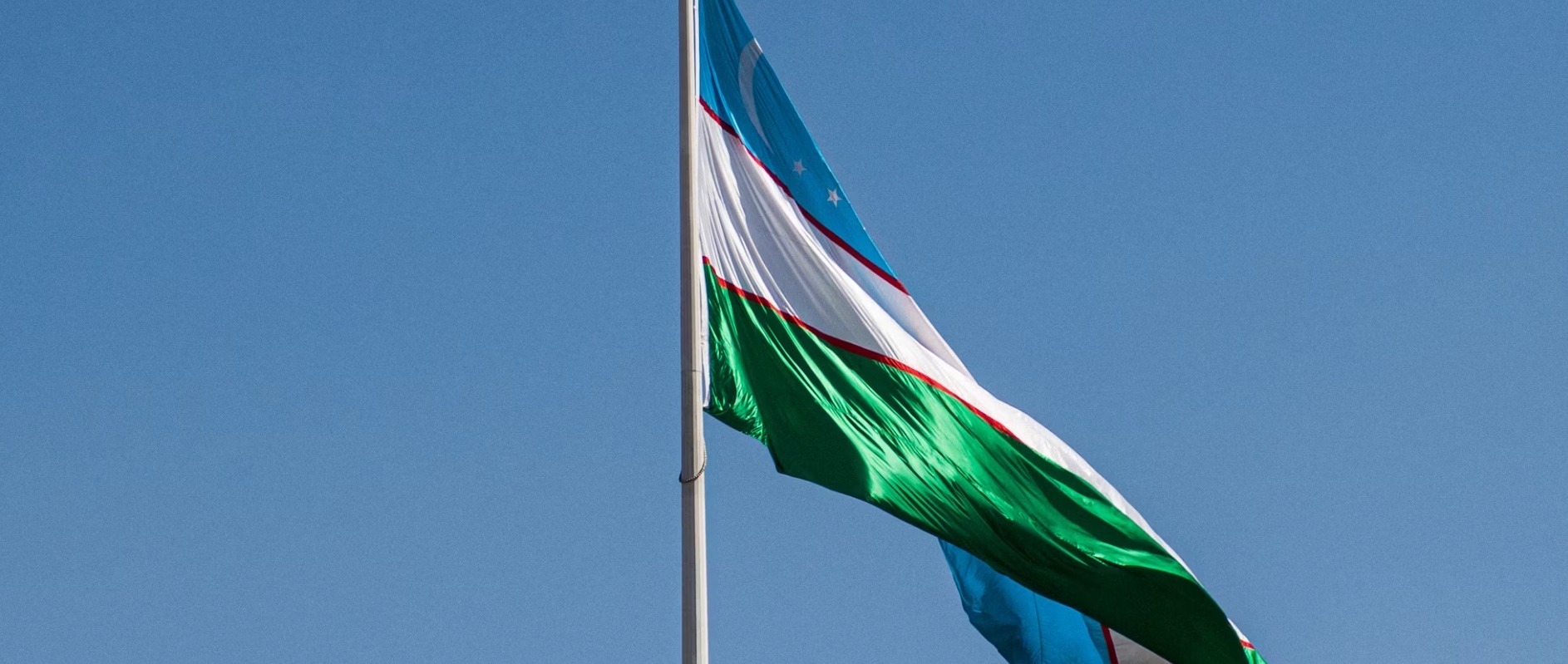
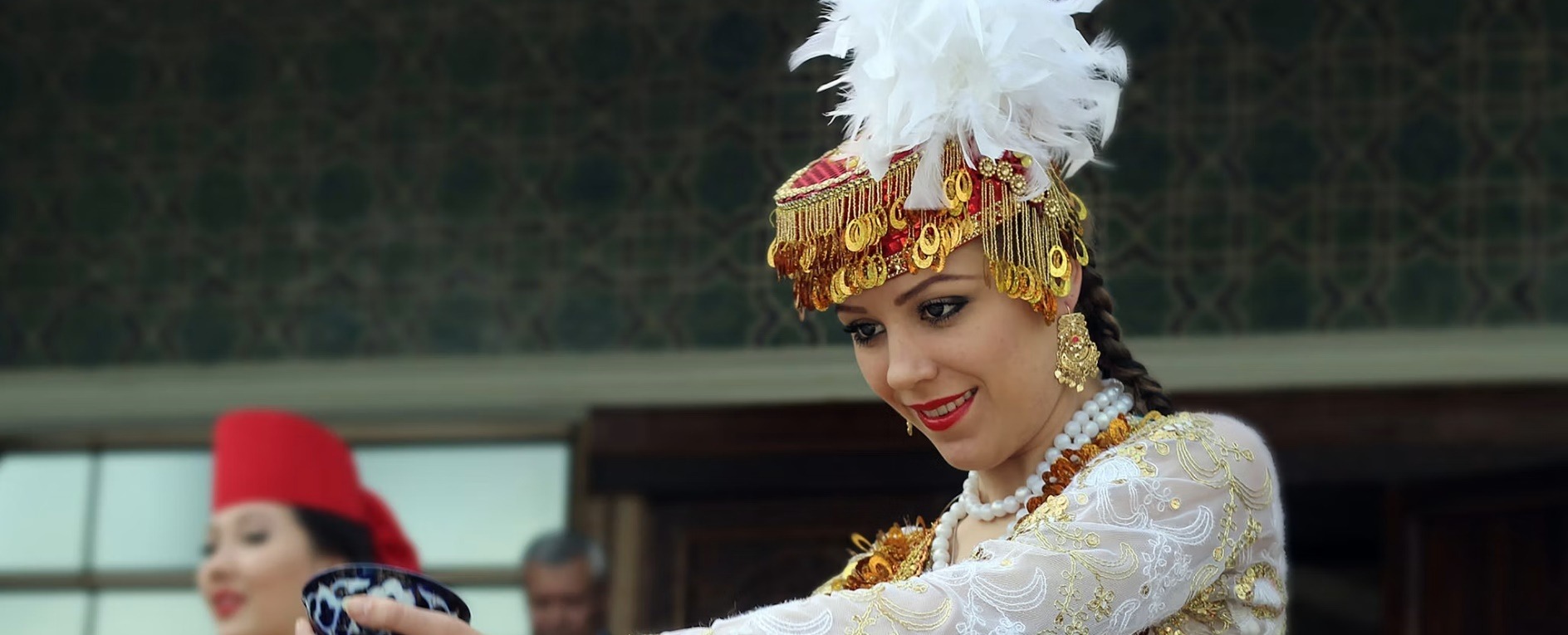
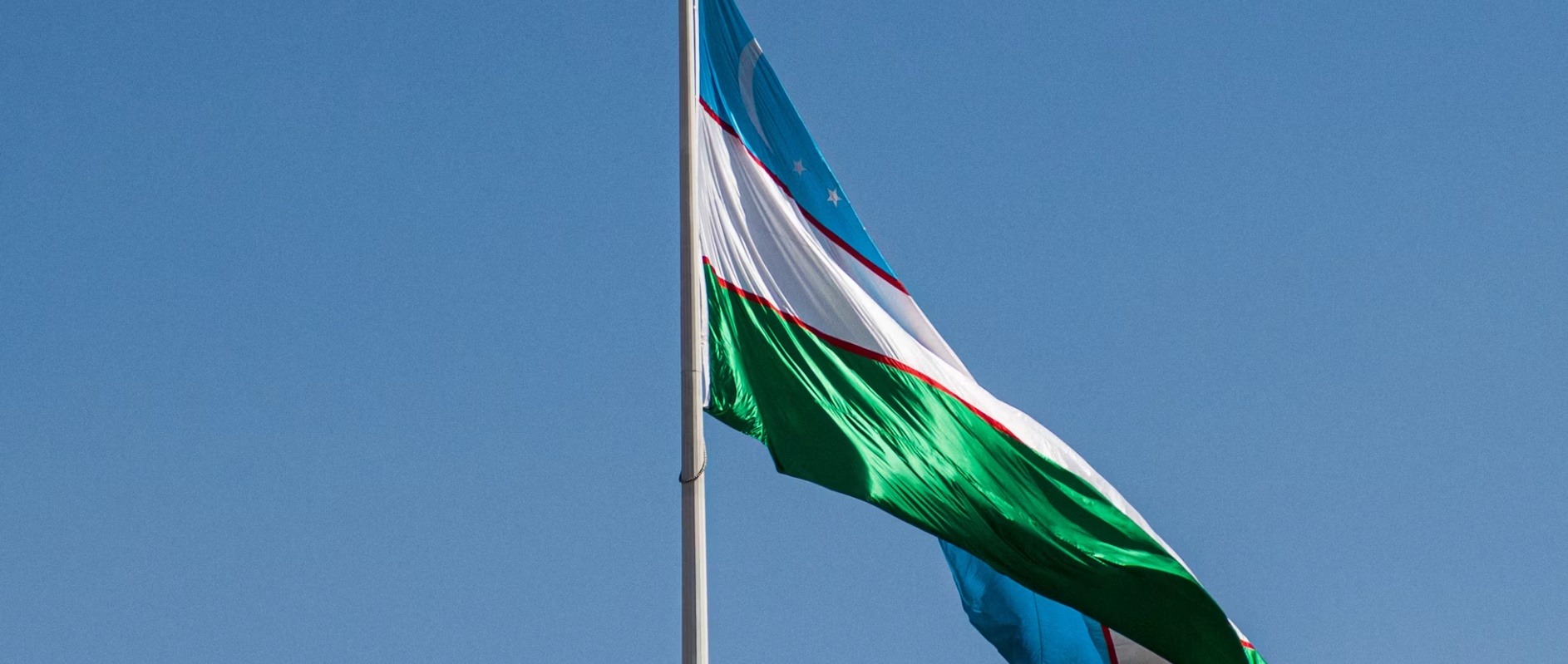
UZBEKISTAN
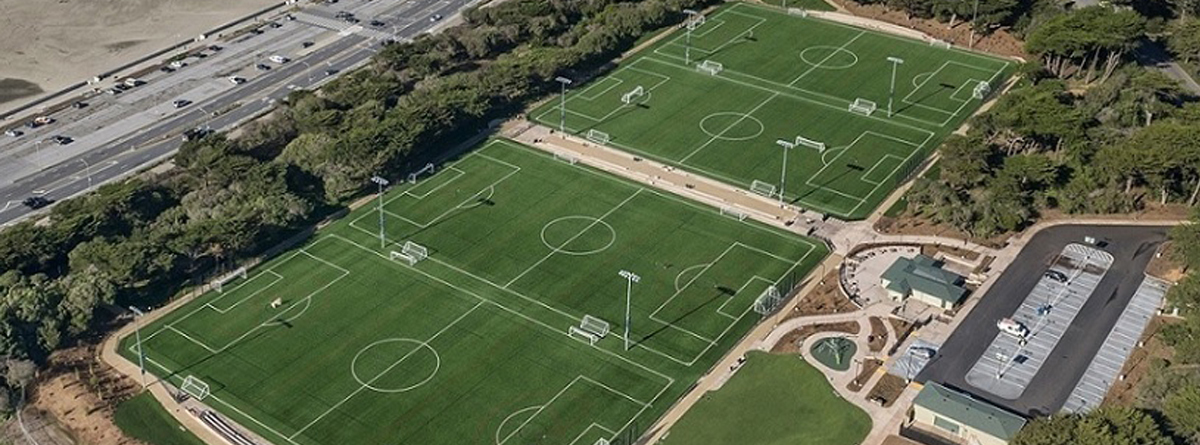
Welcome to the 2028 Diaspora World Cup. Hyattsville – Langley P.
Hyattsville – Langley P.
Welcome to the 2028 Diaspora World Cup. Hyattsville – Langley P.
The Uzbek diaspora in the DMV (District of Columbia, Maryland, and Virginia) region is an emerging, tight-knit, and rapidly growing community. While the largest historic pockets of Uzbek-Americans reside in the New York metropolitan area, the DMV population has carved out a unique profile, heavily driven by technology professionals, government and diplomatic cont...The Uzbek diaspora in the DMV (District of Columbia, Maryland, and Virginia) region is an emerging, tight-knit, and rapidly growing community. While the largest historic pockets of Uzbek-Americans reside in the New York metropolitan area, the DMV population has carved out a uniqu...
More Information
Chelsea Official
Download The 5th Stand, Chelsea’s official mobile app, to see exclusive content, match action and all the latest news from Stamford Bridge.
More Information
Street Soccer in Uzbekistan
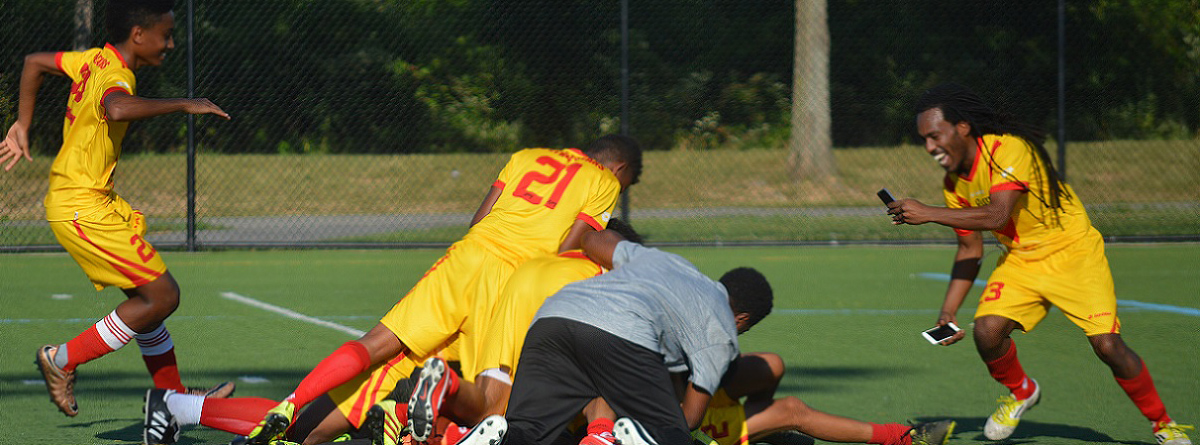
Street soccer is a popular recreational activity in Uzbekistan, where children and teenagers regularly play informal football matches in neighbourhood streets, school playgrounds, community sports grounds, village areas, public parks, and open spaces. These games provide young players with an enjoyable way to stay active, improve their football skills, and strengthen friendships through the sport.
The fast-paced and technical nature of street soccer encourages close ball control, quick passing, creative dribbling, and intelligent movement. Playing in smaller spaces helps participants improve their technical ability, confidence, teamwork, and quick decision-making while adapting to different playing surfaces and match situations.
Street soccer offers an accessible and affordable way for communities across Uzbekistan to enjoy football without requiring professional facilities. It promotes healthy lifestyles, strengthens neighbourhood connections, and inspires many young players to continue their football journey through schools, local clubs, academies, futsal programmes, and organised competitions.
Street Soccer Culture in Uzbekistan
Football is one of the most popular sports in Uzbekistan, and street soccer is often where many children first develop their passion for the game. Informal matches organised by schools, friends, and neighbourhood communities create a welcoming atmosphere where players of different ages and skill levels can participate while sharing their enthusiasm for football.
Skills Developed Through Street Soccer
Street soccer helps players improve dribbling, first touch, passing accuracy, shooting technique, agility, balance, ball control, tactical awareness, and spatial awareness. Regular games also strengthen communication, creativity, confidence, composure, and the ability to make quick decisions during fast-paced matches.
Street Soccer and Community Development
Street soccer brings communities together through football while encouraging teamwork, positive youth participation, and active lifestyles. It also provides aspiring players with valuable experience before progressing to school teams, local football clubs, academies, futsal programmes, or organised youth football competitions.
The UZBEKISTAN in the DMV Metro
The Uzbek diaspora in the DMV (District of Columbia, Maryland, and Virginia) region is an emerging, tight-knit, and rapidly growing community. While the largest historic pockets of Uzbek-Americans reside in the New York metropolitan area, the DMV population has carved out a unique profile, heavily driven by technology professionals, government and diplomatic contractors, multilateral finance staff, and transport logistics entrepreneurs.
🏛️ Diplomatic Infrastructure and Strategic Relocation
Because the community is located in the nation's capital, it plays a vital role in connecting Central Asian professionals with transatlantic policy channels
The Uzbekistan Embassy in Washington, D.C.: The official Embassy of the Republic of Uzbekistan acts as a central institutional anchor. The embassy frequently hosts diaspora town halls, independence day banquets, and economic briefings to facilitate professional ties between expats and Tashkent.
Diversification Pathways: Amid shifts in global migration dynamics, the DMV has increasingly become a prime destination for newly arriving, highly educated Uzbek professionals entering the fields of American defense, aviation, software development, and international economics.
🤝 Cultural Preservation and Community Scaffolding
The diaspora relies on specific regional associations to pass down cultural memory and assist with social integration:
The American Uzbekistan Association (AUA): Headquartered in Northern Virginia, the American Uzbekistan Association serves as the primary regional non-profit anchor. The AUA organizes networking mixers for Uzbek professionals, language maintenance workshops, and coordinates local support systems for new families.
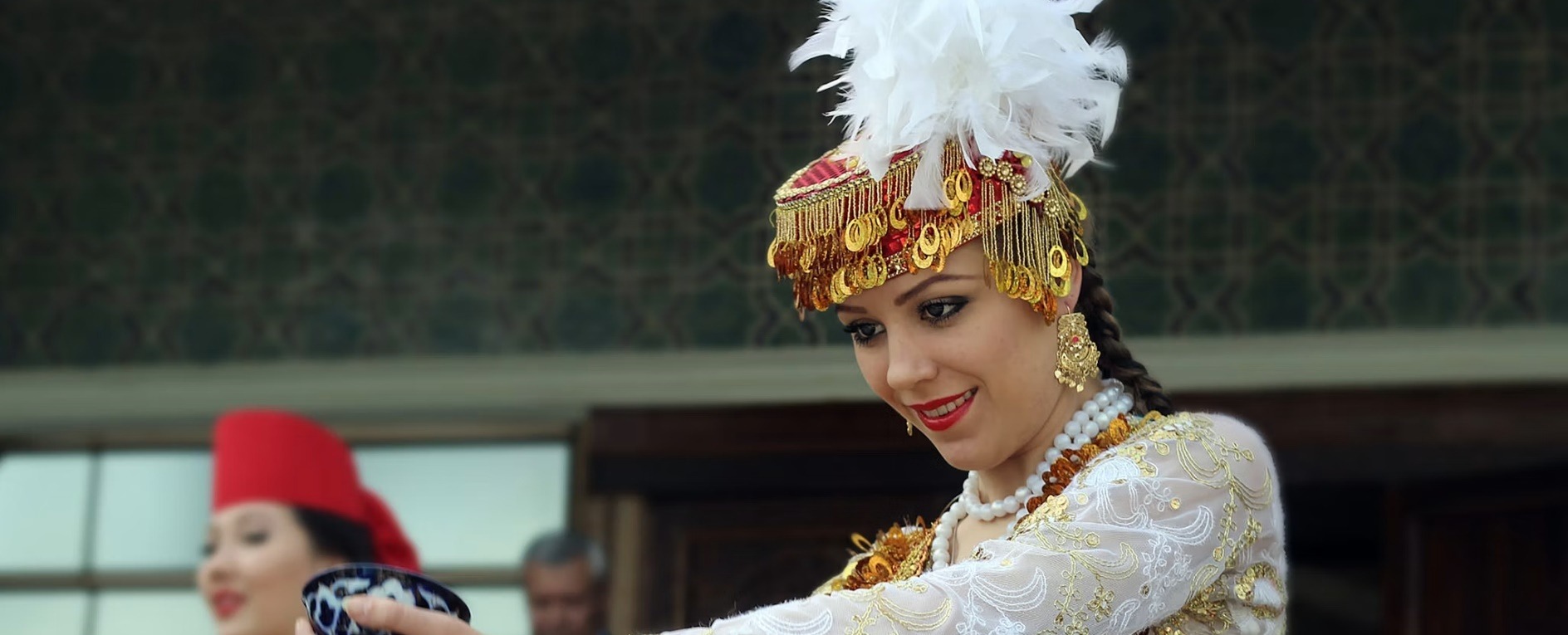
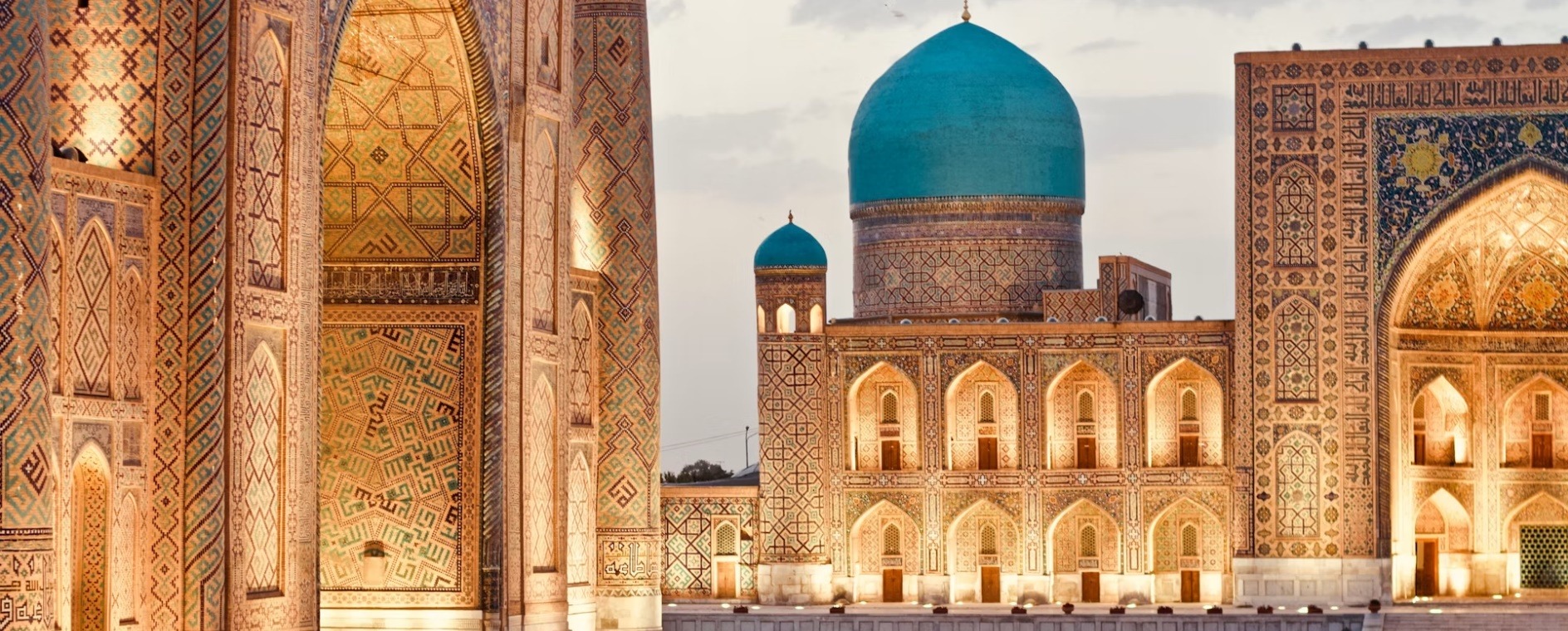
The Uzbek Cultural Center (UCC): Operating heavily across Northern Virginia and the D.C. metro region, the Uzbek Cultural Center fosters cross-cultural dialogue. They actively showcase Uzbekistan’s ancient Silk Road history, traditional arts, and textile heritages to the wider American public.
Digital Support Networks: Grassroots coordination operates through digital communities like the DC Area UZBEKS Group, allowing community members to organize seasonal picnics, multi-sport activities, and share housing or legal resources.
Significance
Immigration from Uzbekistan to the United States has generally reflected Soviet restrictions, political and economic change, religious and ethnic migration, education, skilled employment, family reunification, asylum, and the Diversity Visa programme.
Migration from Uzbekistan to the United States remained limited while the country formed part of the Soviet Union. Early arrivals primarily included students, diplomats, academics, artists, professionals, political exiles, and members of Jewish communities from cities such as Bukhara, Samarkand, and Tashkent. Immigration increased after Uzbekistan became independent in 1991, when greater freedom of movement, economic uncertainty, educational opportunities, and overseas family networks encouraged more residents to migrate. Later arrivals included doctors, engineers, scientists, technology workers, entrepreneurs, students, and relatives joining established families. Uzbek and Bukharian Jewish communities developed particularly in New York City and other major metropolitan areas, supported by businesses, religious institutions, cultural organisations, and family networks.
Migration from Uzbekistan Before Independence
Before independence, present-day Uzbekistan was governed first within the Russian Empire and later as the Uzbek Soviet Socialist Republic. Regional movement involved merchants, farmers, artisans, soldiers, religious scholars, and labourers travelling across Central Asia, Russia, Afghanistan, and neighbouring territories. International emigration remained tightly controlled during the Soviet era, so direct settlement in the United States was uncommon. Small numbers reached America through diplomatic assignments, academic exchanges, specialised employment, political exile, or broader Soviet Jewish emigration. Bukharian Jewish families were among those who gradually established communities abroad while preserving religious customs, languages, music, and Central Asian traditions. Because immigrants were usually documented as Soviet citizens rather than Uzbekistanis, their precise numbers were difficult to identify separately.
Late-Twentieth- and Early-Twenty-First-Century Immigration
Uzbekistan declared independence from the Soviet Union in 1991, and the United States formally recognised the new country on December 25 of that year. Immigration subsequently expanded through university education, skilled employment, family sponsorship, refugee or asylum pathways, and the Diversity Visa programme. Uzbekistan has regularly produced thousands of Diversity Visa selectees, making that programme an important connection to permanent migration opportunities in the United States. At the same time, most Uzbek labour migration continued to be directed toward Russia, Kazakhstan, and other regional destinations. Uzbekistani immigrants in America established restaurants, shops, mosques, synagogues, professional networks, and cultural associations while preserving Uzbek, Russian, Tajik, and Bukharian traditions and maintaining relationships with relatives in Uzbekistan.
Lorem ipsum dolor sit amet, consectetur adipiscing elit, sed do eiusmod tempor incididunt ut
labore et dolore magna aliqua. Ut enim ad minim veniam, quis nostrud exercitation ullamco
laboris nisi ut aliquip ex ea commodo consequat. Duis aute irure dolor in
reprehenderit in voluptate velit esse cillum dolore eu fugiat nulla pariatur.
 Sign In






 Facebook
 X-Twitter
 Instagram
 Linkedin
 Youtube