Sign In









 Facebook
 X-Twitter
 Instagram
 Linkedin
 Youtube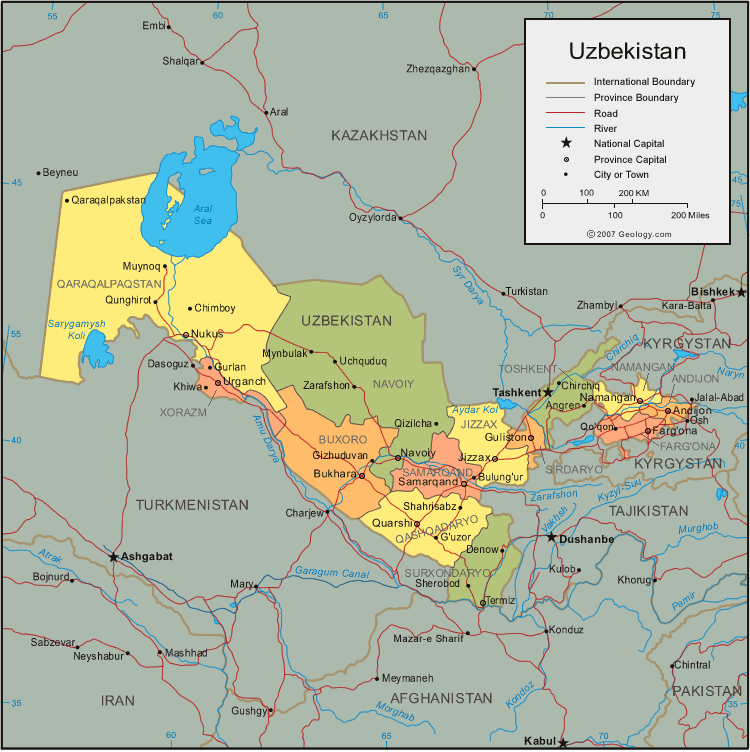

Significance
Immigration from Uzbekistan to the United States has generally reflected Soviet restrictions, political and economic change, religious and ethnic migration, education, skilled employment, family reunification, asylum, and the Diversity Visa programme.
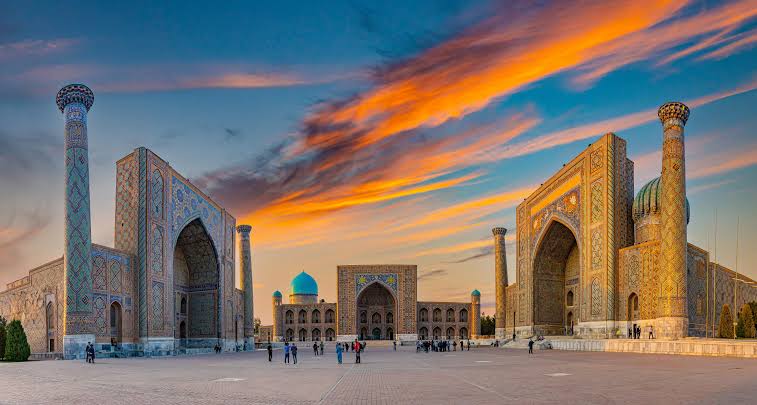
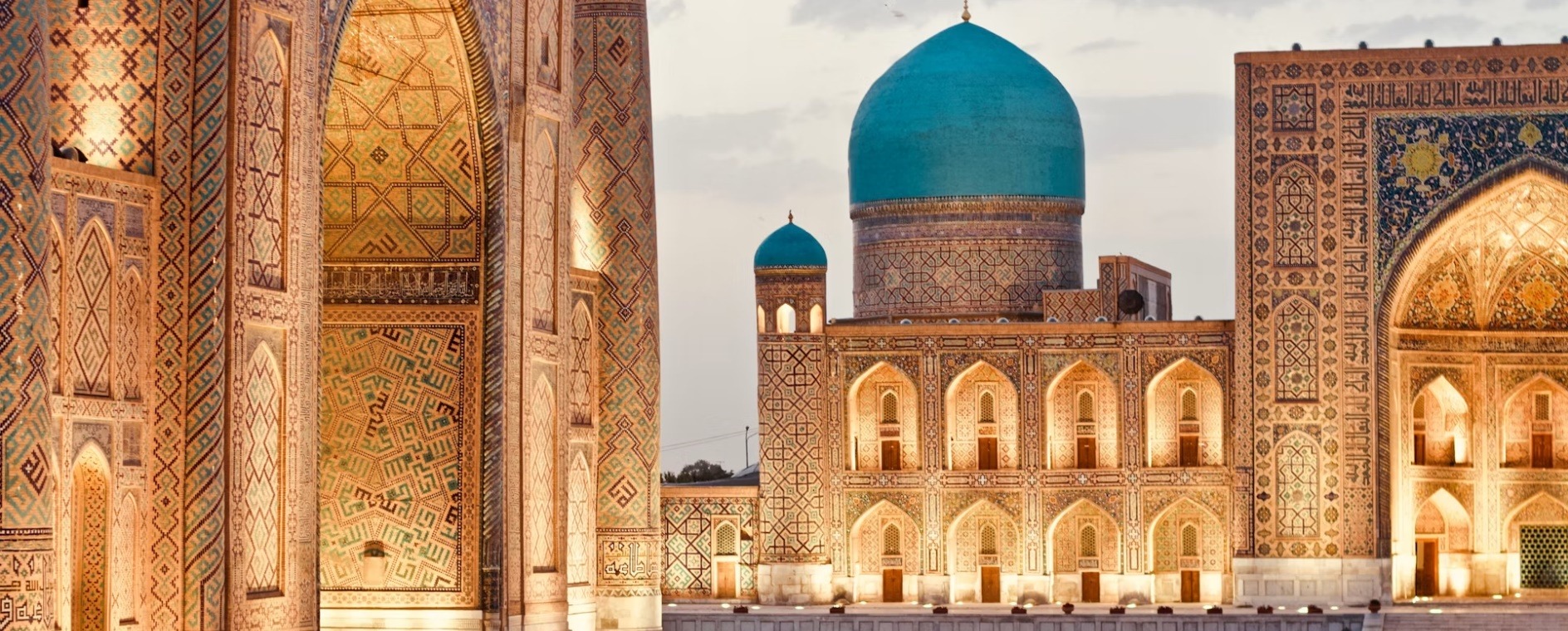
Migration from Uzbekistan to the United States remained limited while the country formed part of the Soviet Union. Early arrivals primarily included students, diplomats, academics, artists, professionals, political exiles, and members of Jewish communities from cities such as Bukhara, Samarkand, and Tashkent. Immigration increased after Uzbekistan became independent in 1991, when greater freedom of movement, economic uncertainty, educational opportunities, and overseas family networks encouraged more residents to migrate. Later arrivals included doctors, engineers, scientists, technology workers, entrepreneurs, students, and relatives joining established families. Uzbek and Bukharian Jewish communities developed particularly in New York City and other major metropolitan areas, supported by businesses, religious institutions, cultural organisations, and family networks.
Migration from Uzbekistan Before Independence
Before independence, present-day Uzbekistan was governed first within the Russian Empire and later as the Uzbek Soviet Socialist Republic. Regional movement involved merchants, farmers, artisans, soldiers, religious scholars, and labourers travelling across Central Asia, Russia, Afghanistan, and neighbouring territories. International emigration remained tightly controlled during the Soviet era, so direct settlement in the United States was uncommon. Small numbers reached America through diplomatic assignments, academic exchanges, specialised employment, political exile, or broader Soviet Jewish emigration. Bukharian Jewish families were among those who gradually established communities abroad while preserving religious customs, languages, music, and Central Asian traditions. Because immigrants were usually documented as Soviet citizens rather than Uzbekistanis, their precise numbers were difficult to identify separately.
Late-Twentieth- and Early-Twenty-First-Century Immigration
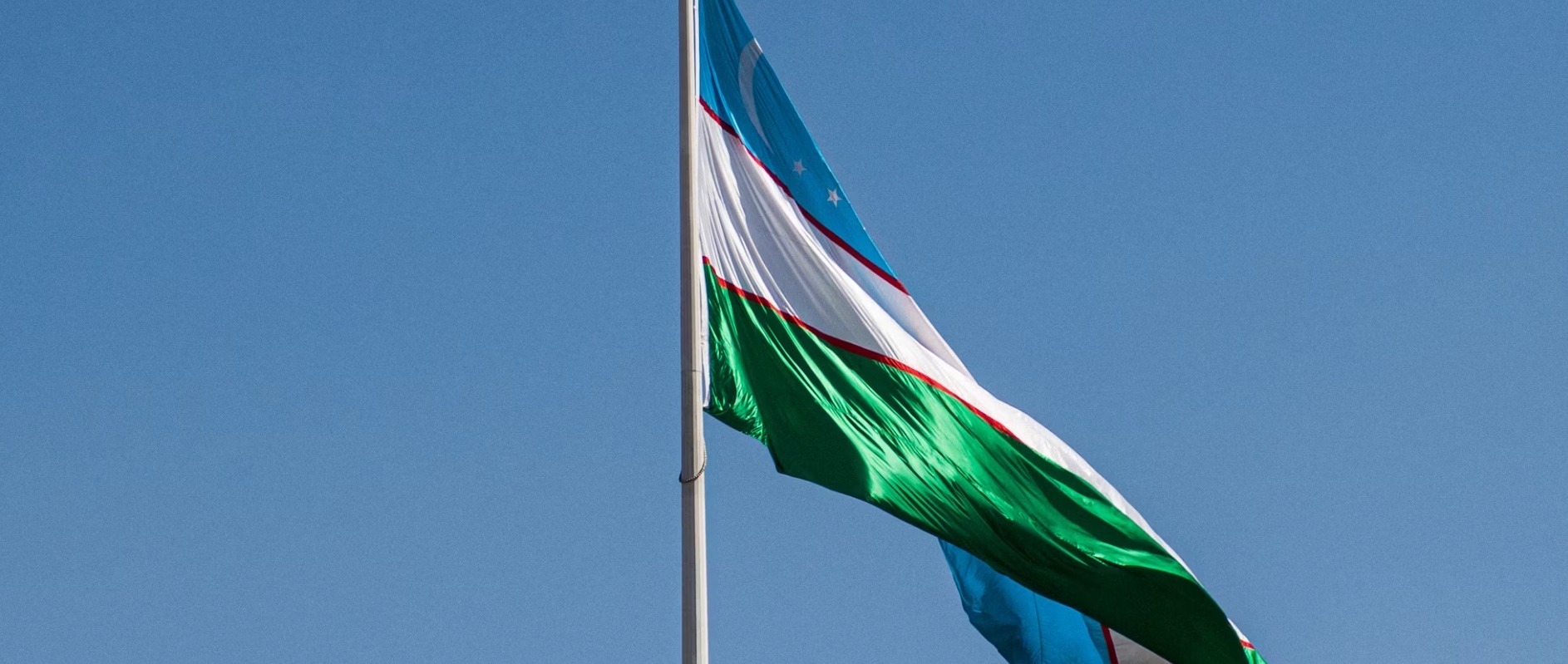
Uzbekistan declared independence from the Soviet Union in 1991, and the United States formally recognised the new country on December 25 of that year. Immigration subsequently expanded through university education, skilled employment, family sponsorship, refugee or asylum pathways, and the Diversity Visa programme. Uzbekistan has regularly produced thousands of Diversity Visa selectees, making that programme an important connection to permanent migration opportunities in the United States. At the same time, most Uzbek labour migration continued to be directed toward Russia, Kazakhstan, and other regional destinations. Uzbekistani immigrants in America established restaurants, shops, mosques, synagogues, professional networks, and cultural associations while preserving Uzbek, Russian, Tajik, and Bukharian traditions and maintaining relationships with relatives in Uzbekistan.