 Sign In








 Facebook
 X-Twitter
 Instagram
 Linkedin
 Youtube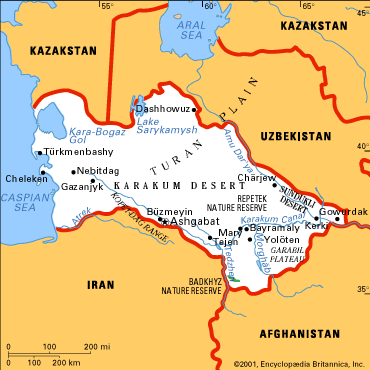
More Information
More Information
Street Soccer in Turkmenistan
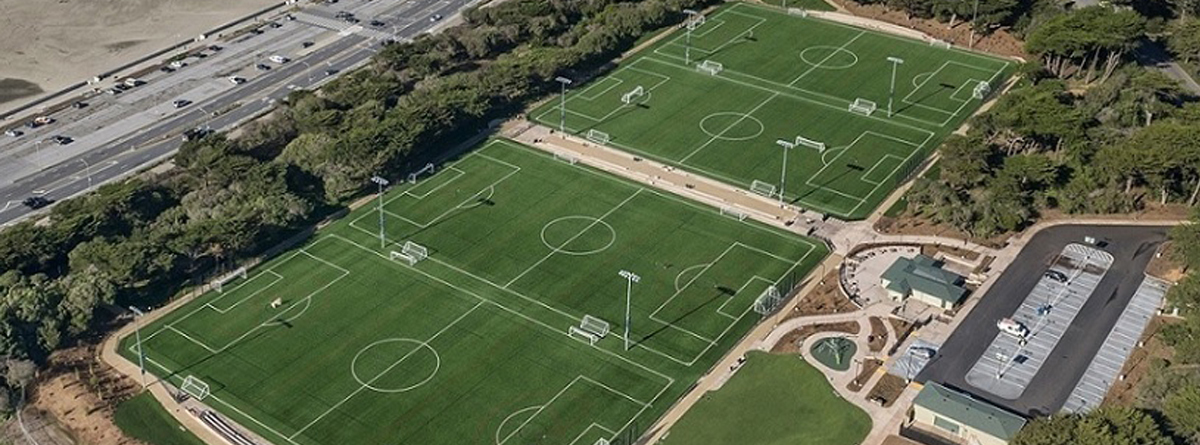
Street soccer is a popular recreational activity in Turkmenistan, where children and teenagers regularly play informal football matches in neighbourhood streets, school playgrounds, community sports grounds, village areas, public parks, and open spaces. These games provide young players with an enjoyable way to stay active, improve their football skills, and build strong friendships through the sport.
The fast-paced nature of street soccer encourages close ball control, quick passing, creative dribbling, and intelligent movement. Playing in smaller spaces helps participants develop technical ability, confidence, teamwork, and quick decision-making while adapting to different playing surfaces and match situations.
Street soccer offers an accessible and affordable way for communities across Turkmenistan to enjoy football without requiring professional facilities. It promotes healthy lifestyles, strengthens local relationships, and inspires many young people to continue their football journey through schools, local clubs, academies, and organised competitions.
Street Soccer Culture in Turkmenistan
Football is one of the most popular sports in Turkmenistan, and street soccer is often where many children first discover their passion for the game. Informal matches organised by schools, friends, and neighbourhood communities create a welcoming atmosphere where players of different ages and abilities can participate while enjoying the spirit of football.
Skills Developed Through Street Soccer
Street soccer helps players improve dribbling, first touch, passing accuracy, shooting technique, agility, balance, ball control, tactical awareness, and spatial awareness. Regular games also strengthen communication, creativity, confidence, resilience, and the ability to make quick decisions during fast-paced play.
Street Soccer and Community Development
Street soccer brings communities together through football while encouraging teamwork, positive youth participation, and active lifestyles. It also provides aspiring players with valuable experience before progressing to school teams, local football clubs, academies, futsal programmes, or organised youth football competitions.
Chelsea Official

Significance
Turkmen immigration to the United States has generally reflected Russian and Soviet rule, restrictions on international movement, political and economic change, overseas education, professional employment, family reunification, asylum, and the Diversity Visa programme.
Migration from Turkmenistan to the United States remained very limited throughout most of the twentieth century. Early arrivals mainly included students, diplomats, academics, artists, scientists, political exiles, and professionals travelling for education, government service, or specialised work. Larger migration became possible after Turkmenistan gained independence from the Soviet Union in 1991. Economic difficulties, limited employment, education, family connections, and professional opportunities encouraged some residents to move abroad. Most Turkmen labour migration was directed toward Turkey, Russia, Kazakhstan, and other regional destinations, while comparatively small communities developed in the United States through study, employment, family sponsorship, asylum, and immigrant-visa programmes.
Turkmen Migration Before Independence
Before independence, present-day Turkmenistan was incorporated into the Russian Empire during the late nineteenth century and later became the Turkmen Soviet Socialist Republic in 1924. Soviet policies transformed traditional pastoral life through collectivised agriculture, industrial development, urbanisation, and government-directed labour movement. Turkmen workers, soldiers, students, engineers, and officials travelled mainly within the Soviet Union rather than overseas. International emigration was tightly controlled, making direct settlement in the United States uncommon. The few Turkmen who reached America generally arrived through diplomatic assignments, academic exchanges, specialised professional work, political exile, or broader Soviet immigration pathways. Because they travelled as Soviet citizens, American records often classified them under the Soviet Union rather than identifying them separately as Turkmen immigrants.
Late-Twentieth- and Early-Twenty-First-Century Immigration
Turkmenistan declared independence in 1991, and the United States formally recognised the country on December 25 of that year. Independence created greater opportunities for international education, employment, business, and family migration, although overseas movement remained more restricted than in several neighbouring Central Asian countries. Turkmen migrants commonly travelled to Turkey, Russia, and Kazakhstan for employment, while students, doctors, engineers, academics, entrepreneurs, and families gradually reached the United States. Immigration pathways included university programmes, skilled employment, family sponsorship, asylum, and the Diversity Visa programme, which has regularly selected applicants from Turkmenistan. Turkmen communities abroad preserved their language, Islamic traditions, carpets, food, music, national celebrations, and close family relationships through cultural associations, businesses, and regular communication with relatives at home.
Latest Fixtures & Results
| 04.03.2028 |  |
Vietnam | - |  |
Turkmenistan |
| 04.10.2028 | |
Turkmenistan | - |  |
Kyrgyzstan |
| 04.18.2028 | |
Turkmenistan | - |  |
Austria |
| 04.25.2028 | |
Turkmenistan | - |  |
Yemen |
| 05.02.2028 |  |
Andorra | - | |
Turkmenistan |
| 05.09.2028 | |
Turkmenistan | - |  |
Uruguay |
| 05.16.2028 |  |
Kuwait | - | |
Turkmenistan |
| 05.23.2028 | |
Turkmenistan | - |  |
Uzbekistan |
| 05.30.2028 |  |
Timor-L. | - | |
Turkmenistan |
