The Diaspora World Cup operates in some of the major cities and metro areas in
United States and
Canada. Our network of register players includes 20 cities, 200 countries, 400
teams, and 10,000
players. Join our movement to solve the world's most pressing challenges:
Illiteracy
Who We are text will be here Who We are text will be here Who We are text will
be here Who We
are text will be here Who We are text will be here Who We are text will be here
Who We are text
will be here Who We are text will be here Who We are text will be here
What We Do text will be here What We Do text will be here What We Do text will
be here What We
Do text will be here What We Do text will be here What We Do text will be here
What We Do text
will be here What We Do text will be here What We Do text will be here What We
Do text will be
here What We Do text will be here What We Do text will be here
Get Involved text will be here Get Involved text will be here Get Involved text
will be here Get
Involved text will be here Get Involved text will be here Get Involved text will
be here Get
Involved text will be here Get Involved text will be here Get Involved text will
be here Get
Involved text will be here
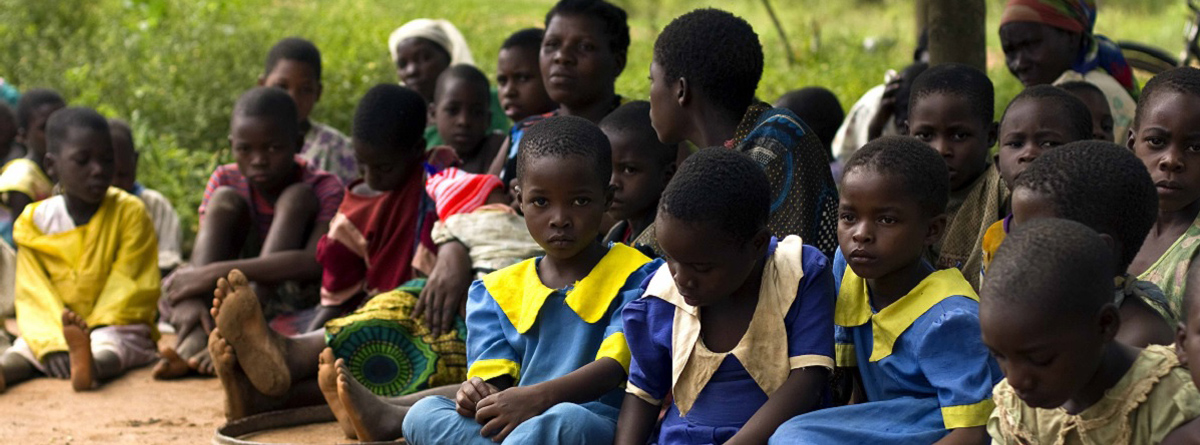
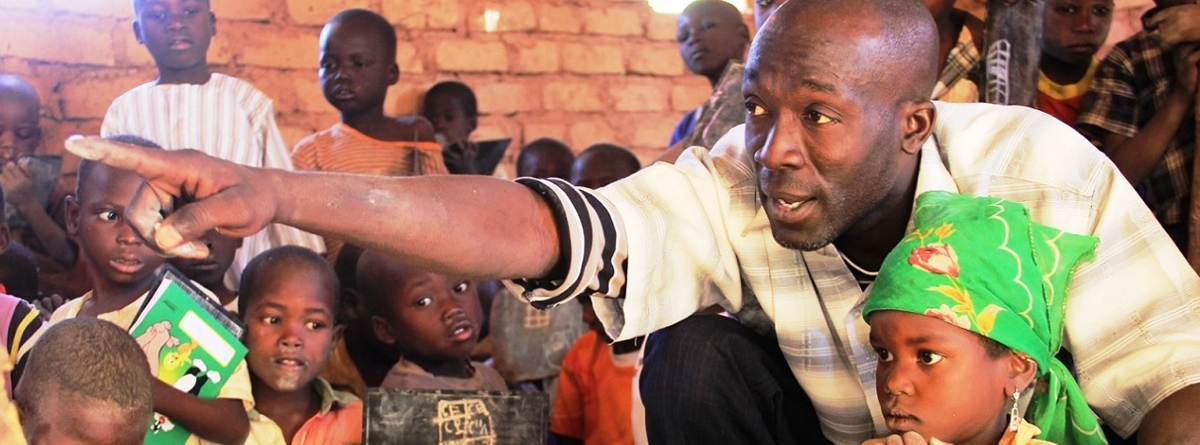
Education is a basic Human Right and the Diaspora World Cup global school
program focuses its
energy in some the poorest countries around the world. We build schools in some
of the poorest
countries around the worldthat historically had no adequate school structure.
Any member of the
World Diaspora has the power to end illiteracy around the world through the
power of soccer.
High-profile sport figures, global leaders, business leaders, political figure,
journalists,
activists, philanthropists, actors, and entrepreneurs united by their commitment
to the Diaspora
World Cup mission to eradicate illiteracy around the world through the power of
soccer. They serve
as role models and spread the Diaspora World Cup vision and commitment of a
world mobilized
through soccer.
Diaspora 2027: complete guide to all players | The Diaspora
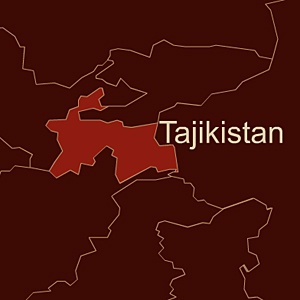
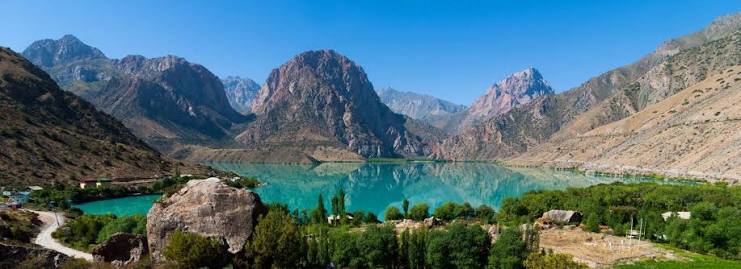
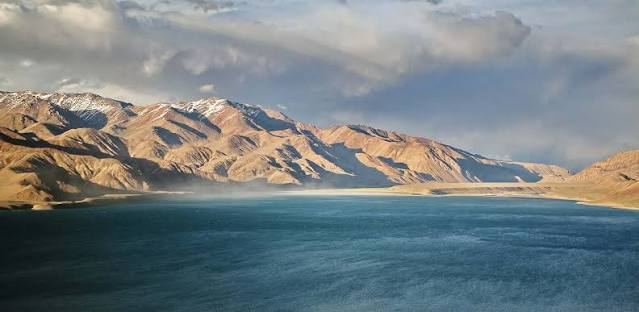
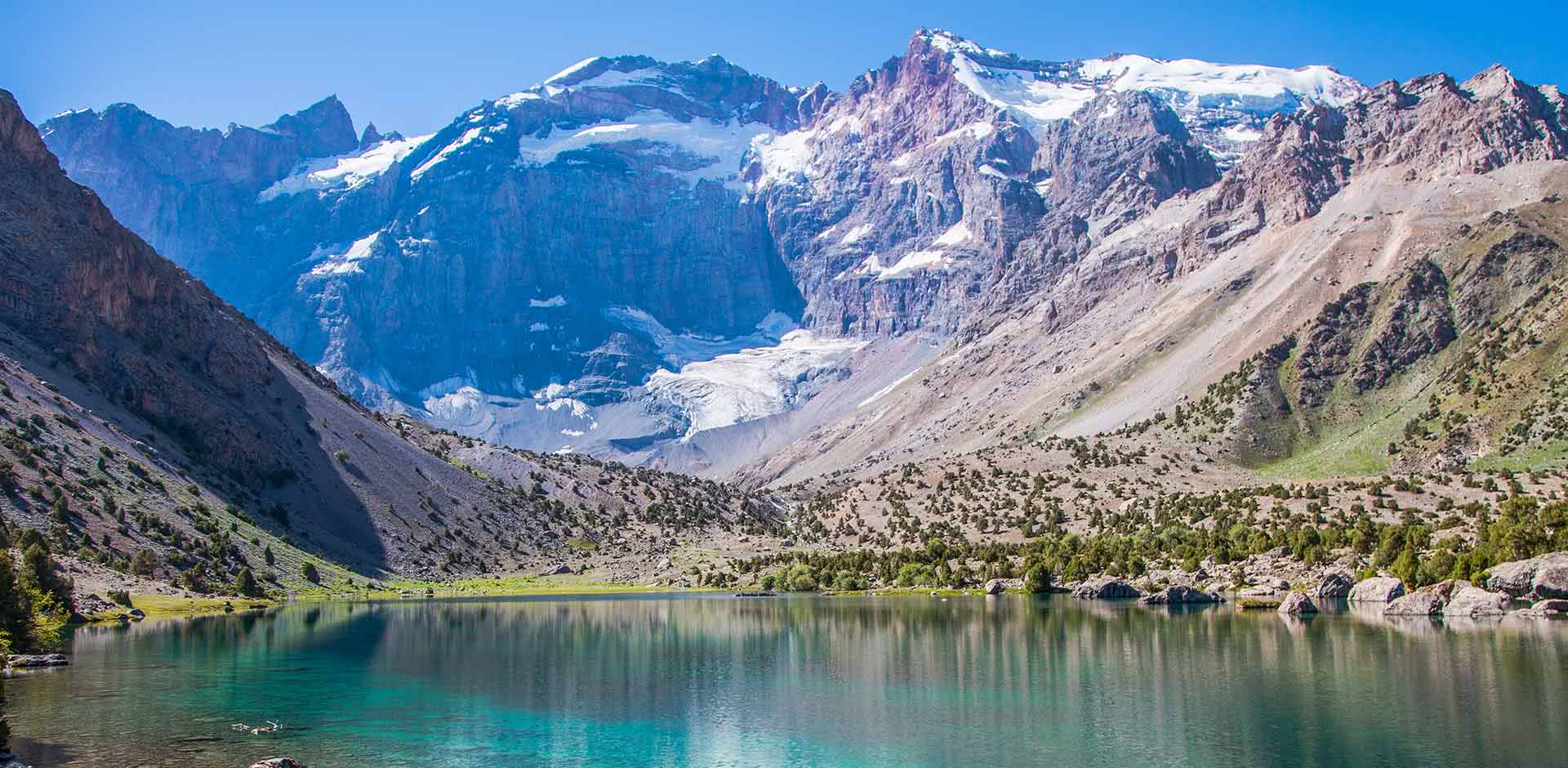
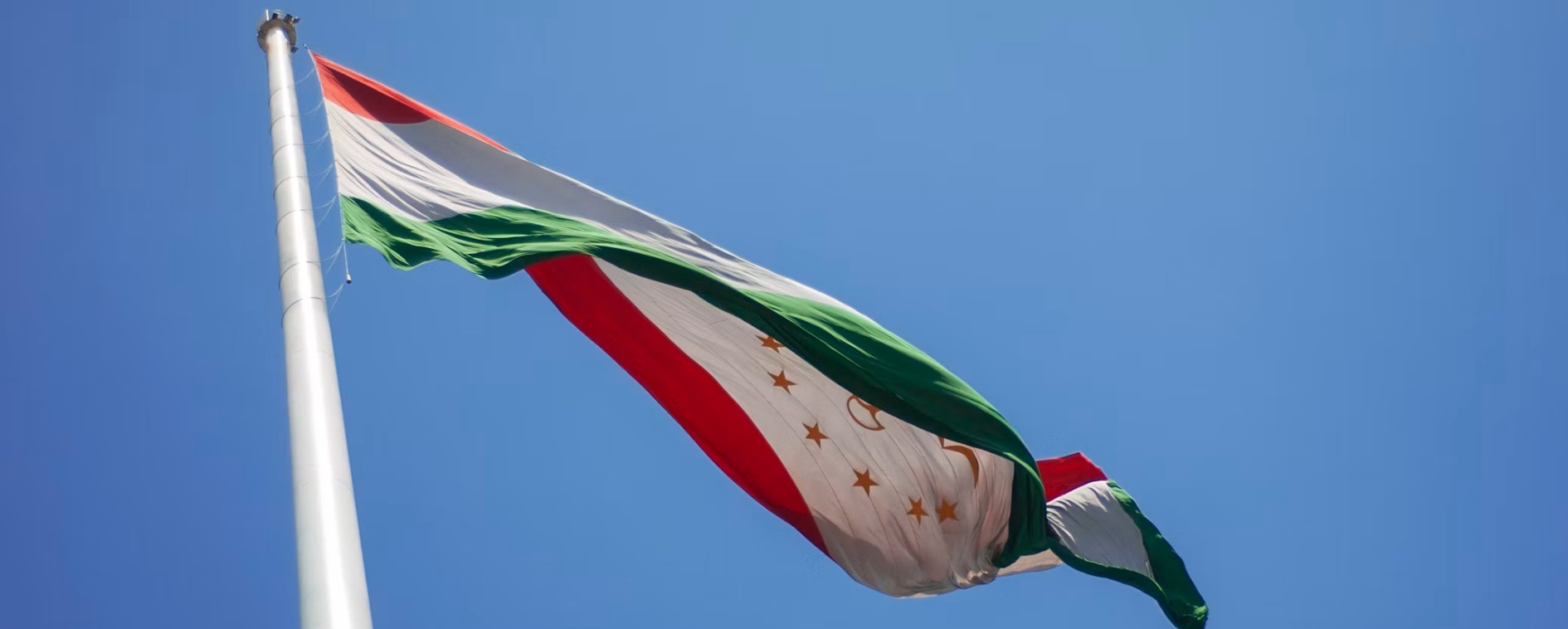
TAJIKISTAN
Welcome to the 2028 Diaspora World Cup. Hyattsville – Langley P.
Hyattsville – Langley P.
Welcome to the 2028 Diaspora World Cup. Hyattsville – Langley P.
The Tajik diaspora in the DMV (District of Columbia, Maryland, and Virginia) region is a rapidly growing, young, and highly interconnected Central Asian community. While the largest historic pockets of Tajik-Americans live in New York City (especially Brooklyn) and Chicago, the DMV has emerged as a premier East Coast hub for international policy professionals, IT...The Tajik diaspora in the DMV (District of Columbia, Maryland, and Virginia) region is a rapidly growing, young, and highly interconnected Central Asian community. While the largest historic pockets of Tajik-Americans live in New York City (especially Brooklyn) and Chicago, the D...
More Information
Chelsea Official
Download The 5th Stand, Chelsea’s official mobile app, to see exclusive content, match action and all the latest news from Stamford Bridge.
More Information
Street Soccer in Tajikistan
Street soccer is a popular recreational activity in Tajikistan, where children and teenagers regularly play informal football matches in neighbourhood streets, school playgrounds, village squares, public parks, and community sports areas. These games provide young players with an enjoyable way to stay active, improve their football skills, and strengthen friendships through the sport.
The fast-paced nature of street soccer encourages close ball control, quick passing, creative dribbling, and intelligent movement. Playing in compact spaces helps participants enhance their technical ability, confidence, teamwork, and decision-making while adapting to different playing surfaces and local conditions.
Street soccer provides an affordable and accessible way for communities across Tajikistan to enjoy football without requiring professional facilities. It promotes healthy lifestyles, encourages positive social interaction, and inspires many young players to continue their football journey through schools, local clubs, academies, and organised competitions.
Street Soccer Culture in Tajikistan
Football is one of the most popular sports in Tajikistan, and street soccer is often where many children first develop their passion for the game. Informal matches organised by friends, schools, and neighbourhood communities create a welcoming atmosphere where players of different ages and skill levels can participate while enjoying the spirit of football.
Skills Developed Through Street Soccer
Street soccer helps players improve dribbling, first touch, passing accuracy, shooting technique, agility, balance, ball control, and tactical awareness. Regular games also strengthen communication, creativity, confidence, resilience, and the ability to make quick decisions in fast-moving situations.
Street Soccer and Community Development
Street soccer brings communities together through football while encouraging teamwork, positive youth participation, and active lifestyles. It also provides aspiring players with valuable experience before progressing to school teams, local football clubs, academies, futsal programmes, or organised youth football competitions.
The TAJIKISTAN in the DMV Metro
The Tajik diaspora in the DMV (District of Columbia, Maryland, and Virginia) region is a rapidly growing, young, and highly interconnected Central Asian community. While the largest historic pockets of Tajik-Americans live in New York City (especially Brooklyn) and Chicago, the DMV has emerged as a premier East Coast hub for international policy professionals, IT specialists, security contractors, and university researchers.
Because it surrounds the political core of Washington, D.C., this diaspora bridges distinct corporate and academic success with active diplomatic partnerships and grassroots cultural preservation.
🏛️ Diplomatic Intersections and Transatlantic Alliances
Given its position in the nation’s capital, the DMV's Tajik community serves as an essential channel linking Central Asian strategic frameworks with U.S. federal and defense entities:
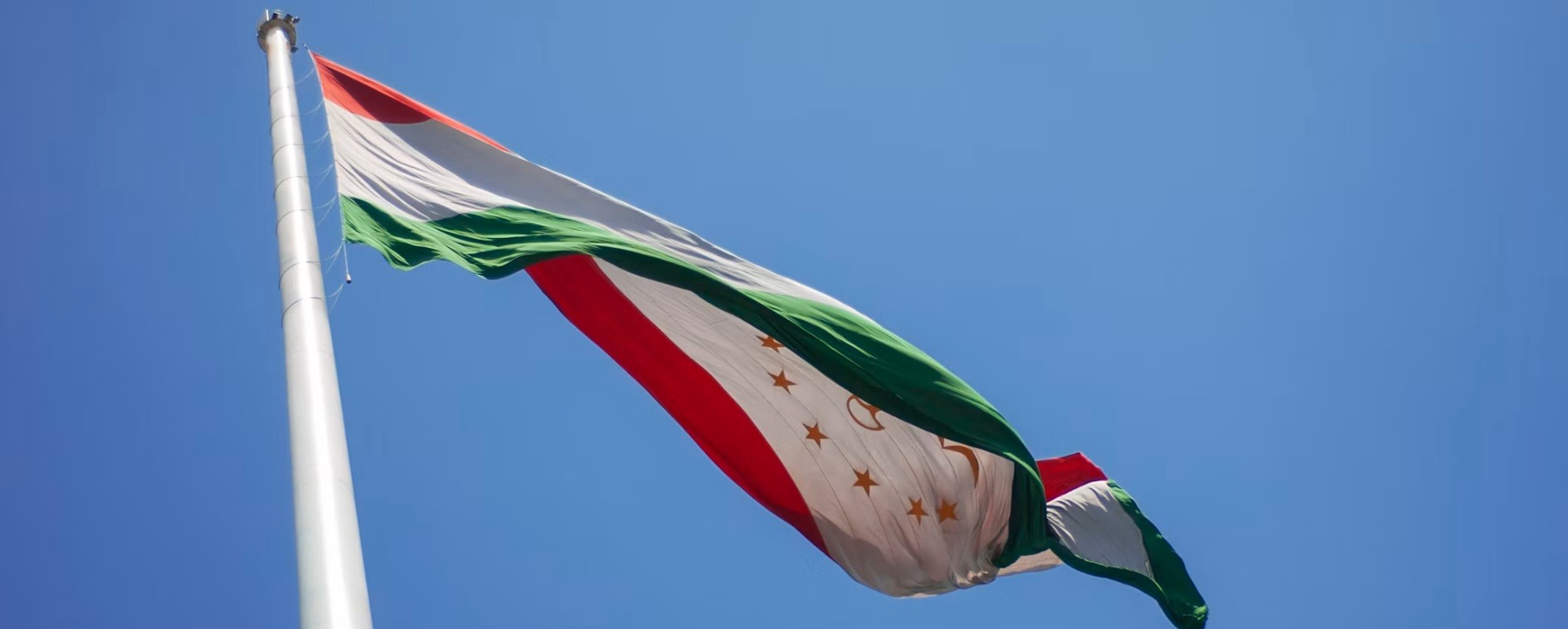
The Embassy of Tajikistan: Housed in a historic red-brick Victorian building on New Hampshire Avenue NW, the official Embassy of the Republic of Tajikistan is the absolute institutional and administrative core of the diaspora. Led by diplomatic officials, the embassy regularly acts as a civic gathering place for national observances like the Day of National Unity (June 29) and Independence Day (September 9).
Bilateral Defense and Energy Relations: Reflecting the high-profile professional footprint of the local diaspora, embassy officials and Tajik policy experts in the District frequently negotiate critical transcontinental partnerships. These include strategic military readiness briefings alongside the Virginia National Guard and regional resource cooperation panels with the U.S. Department of Energy.
🤝 Grassroots Scaffolding: TACA and Digital Spaces
Because the community is tightly knit, Tajik families and young professionals rely on specialized non-profit frameworks to maintain their ancestral roots and support new arrivals:
TACA (Tajik American Cultural Association): Headquartered in Fairfax, Virginia, TACA is the premier 501(c)(3) cultural and educational anchor for the entire mid-Atlantic diaspora. TACA focuses heavily on youth integration and community development—organizing annual back-to-school kit supplies, packing Ramadan food packages, and sponsoring cultural literacy programs to keep the Tajik language alive for second-generation children.
Digital Support Networks: The everyday social tissue of the diaspora relies heavily on active digital coordination. Grassroots spaces like the Tajiks in DC Area Group function as essential multi-lingual hubs (operating in Tajik, English, and Russian). This network allows thousands of local expats to share job openings, coordinate legal housing navigation, and promote Tajik-owned small businesses.
The Navruz Festival and Shared Central Asian Spaces
The most visible public expression of the Tajik diaspora in the DMV is the celebration of Navruz (the Persian New Year):
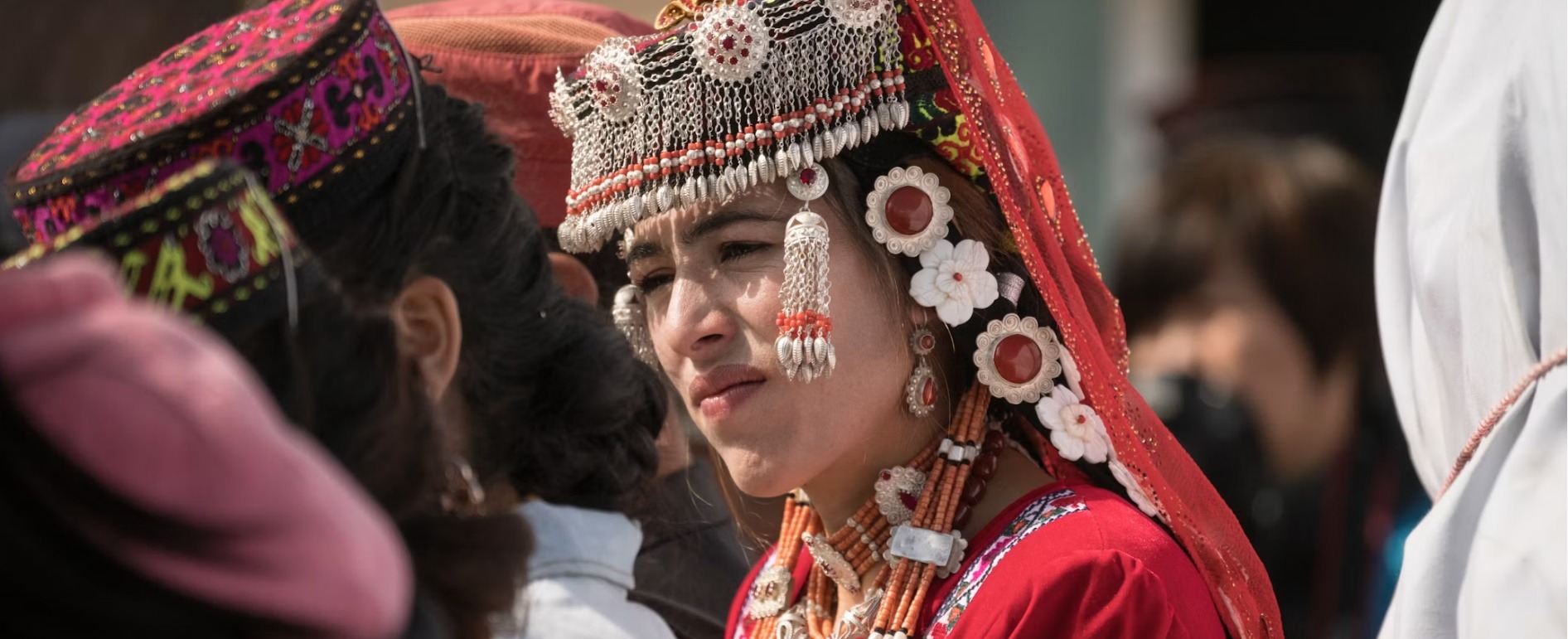
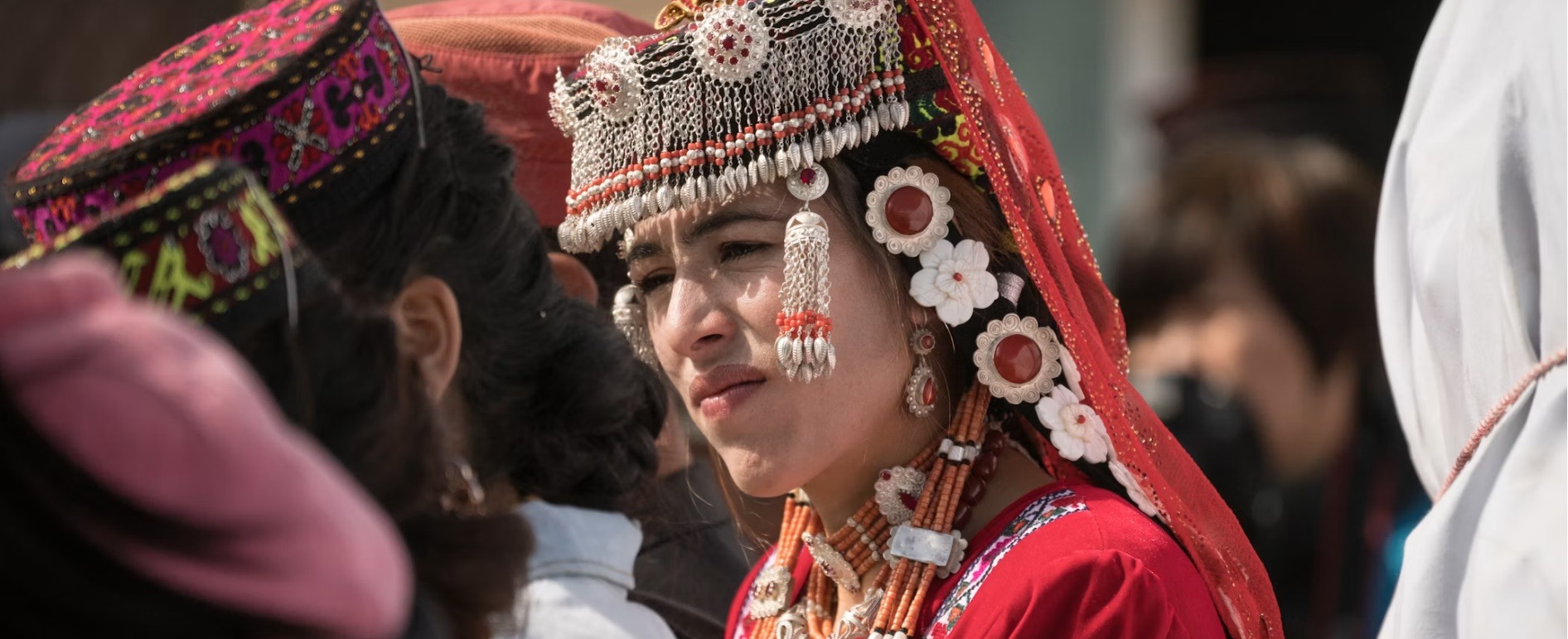
Cultural Showcases: Every March, TACA and the embassy host massive, high-profile Navruz festivals in public parks across Northern Virginia. These gatherings function as an immersive sensory showcase for the broader American public, featuring traditional Tajik clothing (Chapan and Atlas silks), classical folk instruments like the rubab, and live poetry recitations celebrating ancient Persian heritages.
Shared Gastronomy: While the DMV lacks a purely standalone Tajik restaurant, the community anchors its culinary heritage through large-scale communal cooking at festivals and by frequenting established Central Asian hubs. Tajik families regularly gather over massive platters of slow-cooked plov (rice pilaf), savory samsa pastries, and traditional flatbreads (non) at regional spots like Rus Uz in Arlington, VA, or Silk Road Choyhona in Gaithersburg, MD.
Significance
Tajik migration has generally reflected regional trade, Soviet-era population movements, armed conflict, family relationships, education, limited employment opportunities, and the search for higher wages in Russia and other countries.
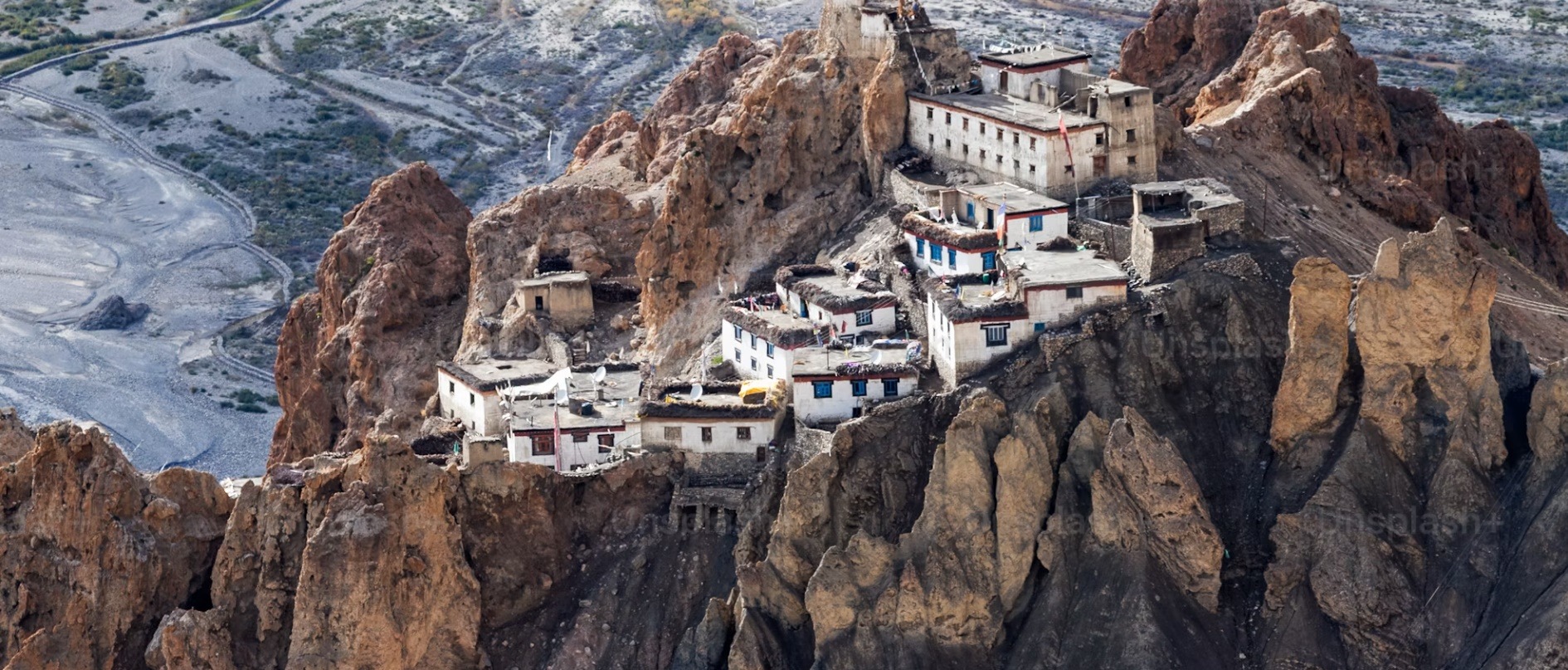
Tajik migration developed from long-established Central Asian traditions of travel, trade, farming, pastoralism, marriage, and family connections between neighbouring communities. The territory of present-day Tajikistan was located along important Silk Road routes connecting Central Asia with Persia, Afghanistan, India, and China. Movement increased under Russian and Soviet rule as workers, soldiers, students, administrators, and specialists travelled between Tajikistan and other parts of the Soviet Union. Independence in 1991 and the civil war that followed caused widespread displacement and migration to Afghanistan, Uzbekistan, Russia, and other countries. After the conflict ended, limited employment, low wages, education, and family reunification encouraged many Tajiks to work abroad. Migrants continued to maintain close relationships with Tajikistan through financial support, family visits, cultural organisations, and the preservation of the Tajik language and traditions.
Tajik Migration Before Soviet Rule
Movement across the region existed centuries before Russian and Soviet rule, as merchants, farmers, pastoralists, craftspeople, scholars, and religious travellers moved in search of trade opportunities, fertile land, water, security, marriage, and new settlements. The historical regions of Sogdiana and Bactria were connected with major commercial routes linking East and West. Persian-speaking communities developed close cultural and economic relationships with neighbouring areas that are now part of Uzbekistan, Afghanistan, Kyrgyzstan, and China. During the nineteenth century, the Russian Empire expanded into Central Asia and gained control over much of the region. Following the Russian Revolution, Soviet authorities reorganised Central Asian territories. Tajikistan first became an autonomous republic within Soviet Uzbekistan and was established as a separate Soviet republic in 1929.
Twentieth-Century Migration
Tajik migration increased during the twentieth century as Soviet agricultural programmes, industrial development, education, military service, and government employment moved people within Tajikistan and across the Soviet Union. Rural residents relocated to Dushanbe and other growing towns, while students and workers travelled to Russia and neighbouring Soviet republics. Tajikistan declared independence on September 9, 1991, following the collapse of the Soviet Union. A civil war from 1992 to 1997 caused extensive displacement, with many residents fleeing their homes or seeking safety in neighbouring countries. After a peace agreement ended the conflict, labour migration became increasingly important. Large numbers of Tajiks travelled mainly to Russia and other former Soviet countries for seasonal construction, agriculture, transportation, and service-sector employment. Tajik cultural associations, mosques, businesses, and extended-family networks helped migrants find housing and work while preserving their language, religious traditions, family responsibilities, and close relationships with relatives living in Tajikistan.
Lorem ipsum dolor sit amet, consectetur adipiscing elit, sed do eiusmod tempor incididunt ut
labore et dolore magna aliqua. Ut enim ad minim veniam, quis nostrud exercitation ullamco
laboris nisi ut aliquip ex ea commodo consequat. Duis aute irure dolor in
reprehenderit in voluptate velit esse cillum dolore eu fugiat nulla pariatur.
 Sign In






 Facebook
 X-Twitter
 Instagram
 Linkedin
 Youtube