Sign In










 Facebook
 X-Twitter
 Instagram
 Linkedin
 Youtube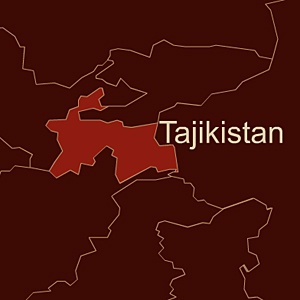

Significance
Tajik migration has generally reflected regional trade, Soviet-era population movements, armed conflict, family relationships, education, limited employment opportunities, and the search for higher wages in Russia and other countries.
Tajik migration developed from long-established Central Asian traditions of travel, trade, farming, pastoralism, marriage, and family connections between neighbouring communities. The territory of present-day Tajikistan was located along important Silk Road routes connecting Central Asia with Persia, Afghanistan, India, and China. Movement increased under Russian and Soviet rule as workers, soldiers, students, administrators, and specialists travelled between Tajikistan and other parts of the Soviet Union. Independence in 1991 and the civil war that followed caused widespread displacement and migration to Afghanistan, Uzbekistan, Russia, and other countries. After the conflict ended, limited employment, low wages, education, and family reunification encouraged many Tajiks to work abroad. Migrants continued to maintain close relationships with Tajikistan through financial support, family visits, cultural organisations, and the preservation of the Tajik language and traditions.
Tajik Migration Before Soviet Rule
Movement across the region existed centuries before Russian and Soviet rule, as merchants, farmers, pastoralists, craftspeople, scholars, and religious travellers moved in search of trade opportunities, fertile land, water, security, marriage, and new settlements. The historical regions of Sogdiana and Bactria were connected with major commercial routes linking East and West. Persian-speaking communities developed close cultural and economic relationships with neighbouring areas that are now part of Uzbekistan, Afghanistan, Kyrgyzstan, and China. During the nineteenth century, the Russian Empire expanded into Central Asia and gained control over much of the region. Following the Russian Revolution, Soviet authorities reorganised Central Asian territories. Tajikistan first became an autonomous republic within Soviet Uzbekistan and was established as a separate Soviet republic in 1929.
Twentieth-Century Migration
Tajik migration increased during the twentieth century as Soviet agricultural programmes, industrial development, education, military service, and government employment moved people within Tajikistan and across the Soviet Union. Rural residents relocated to Dushanbe and other growing towns, while students and workers travelled to Russia and neighbouring Soviet republics. Tajikistan declared independence on September 9, 1991, following the collapse of the Soviet Union. A civil war from 1992 to 1997 caused extensive displacement, with many residents fleeing their homes or seeking safety in neighbouring countries. After a peace agreement ended the conflict, labour migration became increasingly important. Large numbers of Tajiks travelled mainly to Russia and other former Soviet countries for seasonal construction, agriculture, transportation, and service-sector employment. Tajik cultural associations, mosques, businesses, and extended-family networks helped migrants find housing and work while preserving their language, religious traditions, family responsibilities, and close relationships with relatives living in Tajikistan.