Significance
Immigration from Palestine has generally reflected the end of the British Mandate, armed conflict, displacement, economic opportunity, educational advancement, family reunification, professional employment, asylum, and humanitarian migration.
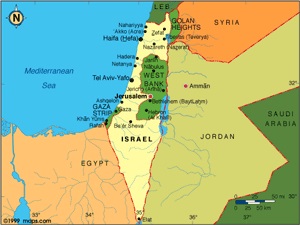
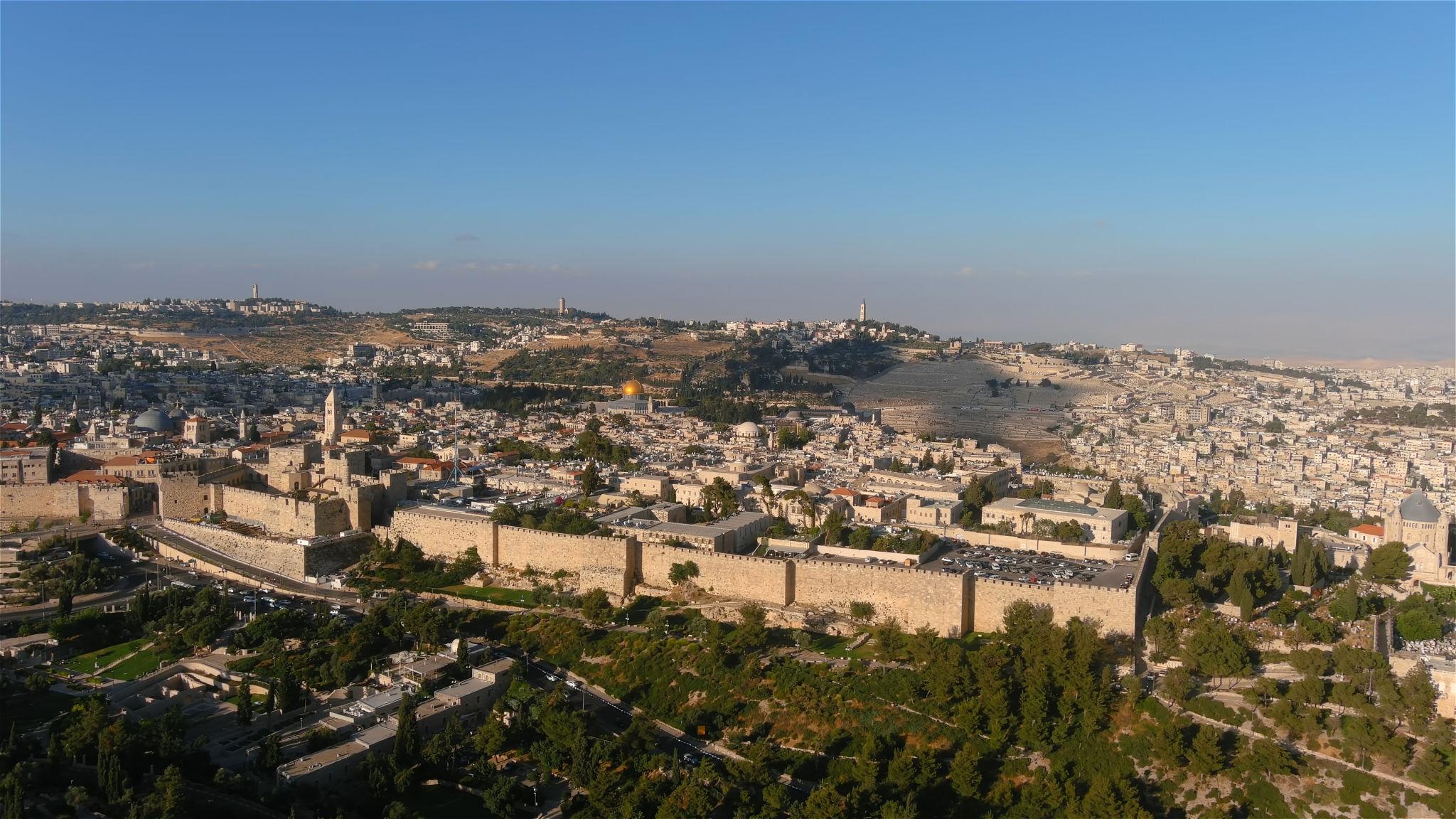
Migration from Palestine has historically been shaped by political conflict, displacement, and changing conditions in the Middle East. Large-scale Palestinian migration began during the mid-twentieth century as wars and regional instability displaced many families. Palestinians commonly migrated to Jordan, Lebanon, Syria, the Gulf states, Europe, and later the United States for safety, education, employment, and family reunification. In recent decades, continuing conflict, economic hardship, and humanitarian concerns have contributed to ongoing migration. Today, Palestinian immigrants in the United States include students, healthcare professionals, academics, entrepreneurs, business owners, and skilled workers who maintain strong cultural, linguistic, and family ties with their communities of origin.
Palestinian Migration Before the British Mandate Ended
Before the modern era, Palestine formed part of the Ottoman Empire until the end of the First World War, after which it was administered as the British Mandate for Palestine from 1920 to 1948. Migration during these periods was influenced by agriculture, trade, religious pilgrimage, commerce, education, and government administration. Residents travelled throughout the Middle East as farmers, merchants, teachers, students, religious scholars, civil servants, and members of extended families. Direct migration to the United States remained relatively limited but gradually increased during the late nineteenth and early twentieth centuries as some Palestinians sought economic opportunities and joined established Arab communities in North America. Following the end of the British Mandate in 1948, the region experienced significant political change and armed conflict, leading to widespread displacement.
Late-Twentieth- and Early-Twenty-First-Century Immigration
Migration increased following the 1948 Arab–Israeli War, the 1967 Six-Day War, and subsequent periods of conflict and instability, which displaced large numbers of Palestinians across the Middle East. Many later reached the United States through family reunification, educational opportunities, employment, asylum, or humanitarian pathways. Students, physicians, engineers, scientists, academics, entrepreneurs, information technology specialists, business professionals, and researchers increasingly travelled to the United States for university education, specialized employment, scientific research, investment, or family sponsorship. In the United States, Palestinian immigrants often rely on family networks, mosques, churches, cultural associations, community organizations, and professional groups for support with housing, employment, education, language services, and community integration while preserving Arabic, traditional cuisine, cultural heritage, religious practices, and close relationships with relatives in Palestine and the broader Palestinian diaspora.
 Sign In











 Facebook
 X-Twitter
 Instagram
 Linkedin
 Youtube