Sign In










 Facebook
 X-Twitter
 Instagram
 Linkedin
 Youtube

Significance
Chadian immigration to the United States has generally reflected French colonial rule, regional labour migration, drought, political instability, armed conflict, education, professional employment, asylum, and family reunification.
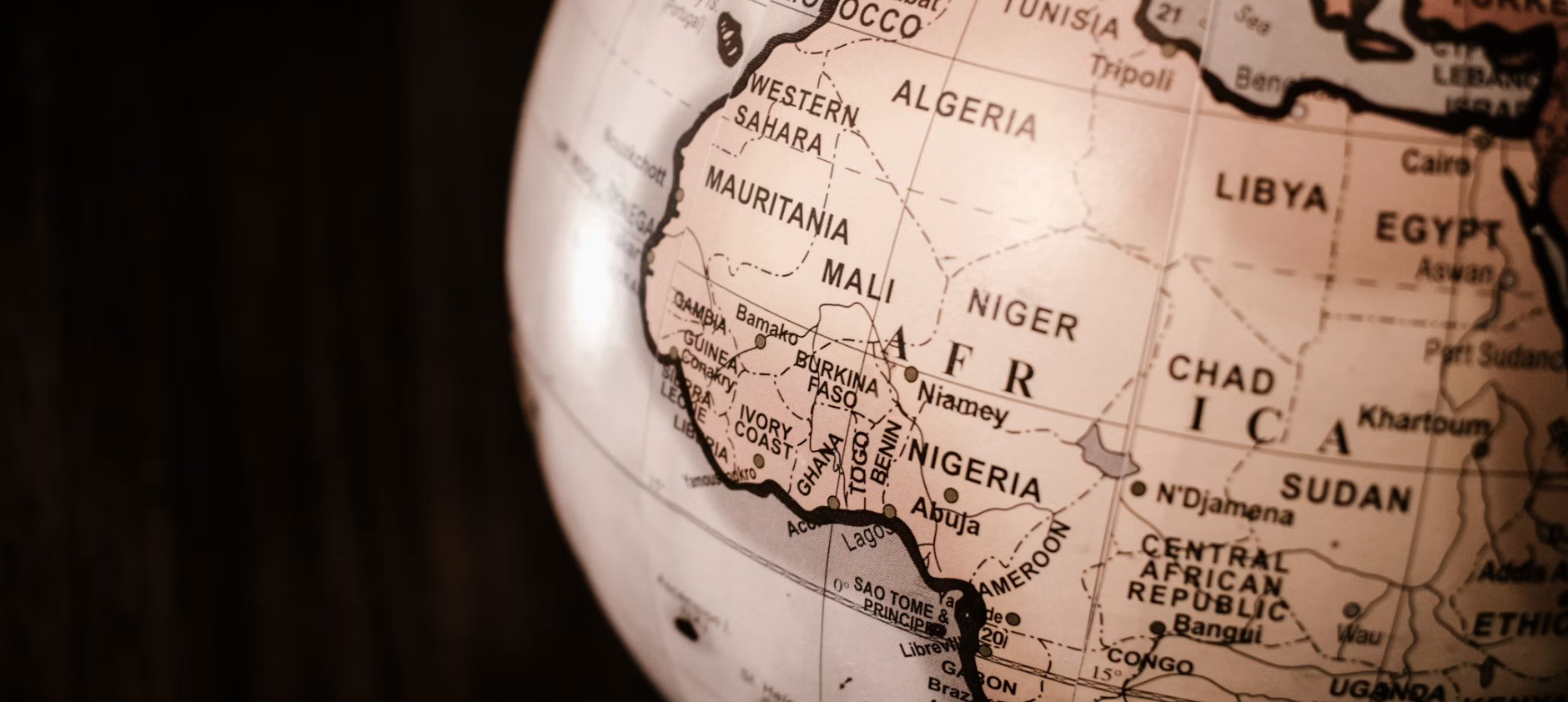
Chadian migration has historically occurred mainly within Central and North Africa rather than through large-scale movement directly to the United States. Pastoralists, traders, labourers, students, and families travelled across borders to Sudan, Cameroon, Nigeria, the Central African Republic, Libya, and other neighbouring countries for employment, commerce, education, seasonal movement, and safety. Smaller numbers later moved to France, the United States, Canada, and other overseas destinations. Chadians reaching the United States commonly arrived through university education, professional employment, diplomatic service, family sponsorship, asylum, or other immigration programmes. Political violence, drought, unemployment, regional insecurity, and established family networks continued to influence migration, while diaspora communities maintained connections through remittances, cultural organisations, and support for relatives at home.
Chadian Migration Before Independence
Before independence, Chad formed part of French Equatorial Africa, and migration was shaped by colonial administration, military recruitment, forced labour, regional trade, farming, livestock herding, and transportation projects. Residents travelled across what later became national borders as pastoralists, merchants, soldiers, domestic workers, agricultural labourers, religious students, and government employees. Movement toward Sudan, Cameroon, Nigeria, the Central African Republic, and Libya was more common than overseas migration because communities had long-standing commercial, ethnic, and family connections across the region. Direct migration to the United States remained uncommon, while most international educational and political relationships operated through France. Chad proclaimed independence on August 11, 1960, and the United States recognised the new republic and established diplomatic relations on the same date.
Late-Twentieth- and Early-Twenty-First-Century Immigration
Migration increased after independence as civil war, military coups, political repression, drought, poverty, and regional conflicts displaced communities and disrupted employment. Chadians sought safety or opportunity in neighbouring African countries, France, Libya, and other international destinations. Students, doctors, academics, businesspeople, diplomats, religious workers, and families also travelled to the United States for education, specialised work, asylum, or family reunification. Violence in the Lake Chad region and instability in Libya and Sudan later produced additional displacement, return migration, and humanitarian needs. Those settling in the United States often relied on relatives, religious institutions, African community associations, and immigrant-support organisations for housing, language assistance, education, employment, and legal guidance while preserving Arabic, French, Indigenous languages, food, music, religious traditions, and family connections with Chad.