The Diaspora World Cup operates in some of the major cities and metro areas in
United States and
Canada. Our network of register players includes 20 cities, 200 countries, 400
teams, and 10,000
players. Join our movement to solve the world's most pressing challenges:
Illiteracy
Who We are text will be here Who We are text will be here Who We are text will
be here Who We
are text will be here Who We are text will be here Who We are text will be here
Who We are text
will be here Who We are text will be here Who We are text will be here
What We Do text will be here What We Do text will be here What We Do text will
be here What We
Do text will be here What We Do text will be here What We Do text will be here
What We Do text
will be here What We Do text will be here What We Do text will be here What We
Do text will be
here What We Do text will be here What We Do text will be here
Get Involved text will be here Get Involved text will be here Get Involved text
will be here Get
Involved text will be here Get Involved text will be here Get Involved text will
be here Get
Involved text will be here Get Involved text will be here Get Involved text will
be here Get
Involved text will be here
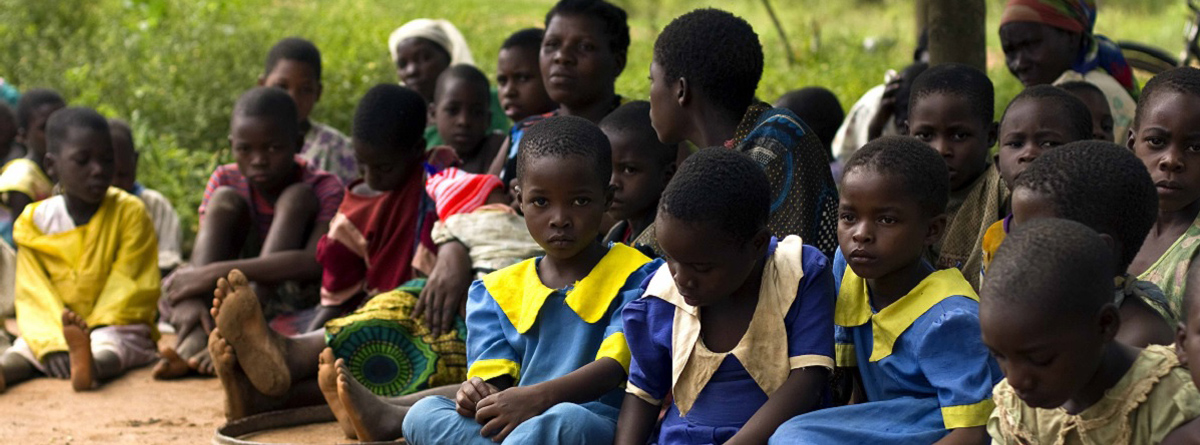
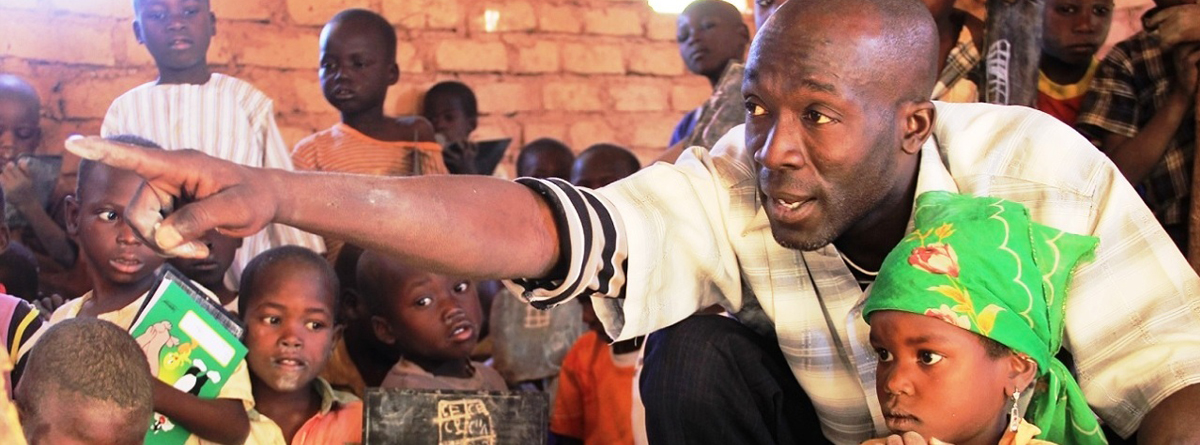
Education is a basic Human Right and the Diaspora World Cup global school
program focuses its
energy in some the poorest countries around the world. We build schools in some
of the poorest
countries around the worldthat historically had no adequate school structure.
Any member of the
World Diaspora has the power to end illiteracy around the world through the
power of soccer.
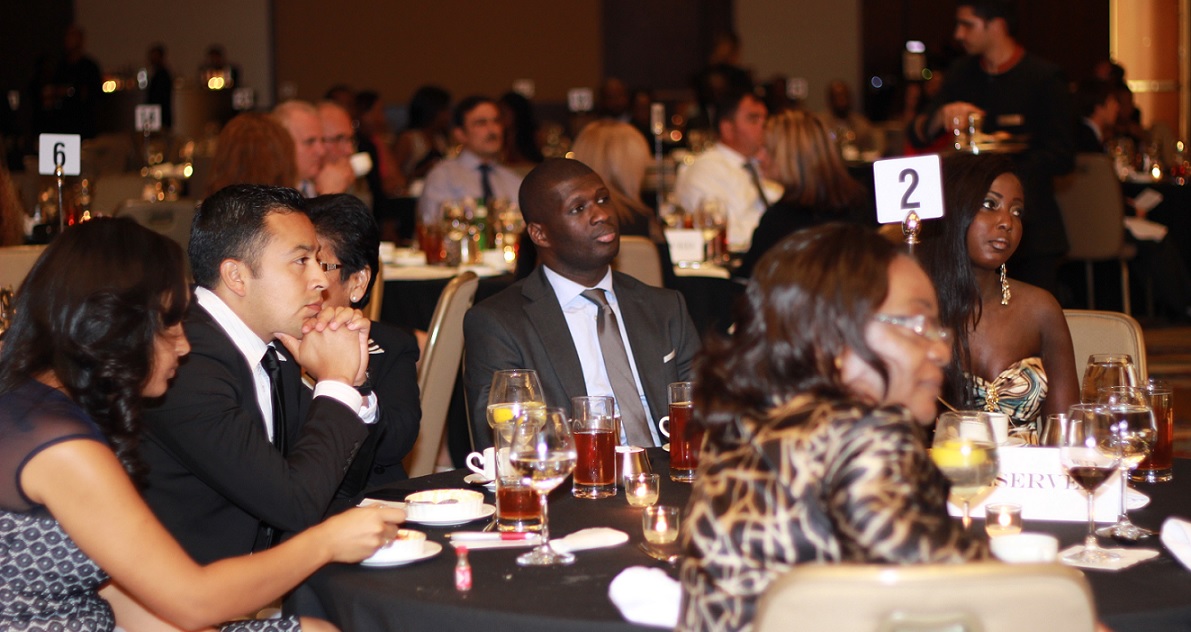
High-profile sport figures, global leaders, business leaders, political figure,
journalists,
activists, philanthropists, actors, and entrepreneurs united by their commitment
to the Diaspora
World Cup mission to eradicate illiteracy around the world through the power of
soccer. They serve
as role models and spread the Diaspora World Cup vision and commitment of a
world mobilized
through soccer.
Diaspora 2027: complete guide to all players | The Diaspora
CAPE V.
Welcome to the 2028 Diaspora World Cup. Hyattsville – Langley P.
Hyattsville – Langley P.
Welcome to the 2028 Diaspora World Cup. Hyattsville – Langley P.
The Cape Verdean (Cabo Verdean) diaspora in the DMV (DC-Maryland-Virginia) region is a tight-knit professional and cultural community centered around the Embassy of Cape Verde in Washington, D.C.. While the largest U.S. Cape Verdean populations historically live in New England, the DMV hosts an active network of expatriates, diplomats, and second-generation local...The Cape Verdean (Cabo Verdean) diaspora in the DMV (DC-Maryland-Virginia) region is a tight-knit professional and cultural community centered around the Embassy of Cape Verde in Washington, D.C.. While the largest U.S. Cape Verdean populations historically live in New England, t...
More Information
Chelsea Official
Download The 5th Stand, Chelsea’s official mobile app, to see exclusive content, match action and all the latest news from Stamford Bridge.
More Information
Street Soccer in Cape Verde
Street soccer is a popular recreational activity in Cape Verde, where children and teenagers regularly play informal football matches in neighbourhood streets, school playgrounds, community courts, village squares, public parks, and coastal open spaces. These games provide young players with an enjoyable way to stay active, improve their football skills, and strengthen friendships through the sport.
The fast-paced and creative style of street soccer encourages close ball control, quick passing, skillful dribbling, and intelligent movement. Playing in compact spaces helps participants improve their technique, confidence, teamwork, and quick decision-making while adapting to different playing surfaces and environments.
Street soccer offers an accessible and affordable way for communities across Cape Verde to enjoy football without requiring professional facilities. It promotes healthy lifestyles, strengthens community relationships, and inspires many young players to continue their football journey through schools, local clubs, academies, and organised competitions.
Street Soccer Culture in Cape Verde
Football is one of the most popular sports in Cape Verde, and street soccer is often where many children first develop their passion for the game. Informal matches organised by schools, friends, and neighbourhood communities create a lively and welcoming atmosphere where players of different ages and abilities can participate while sharing their enthusiasm for football.
Skills Developed Through Street Soccer
Street soccer helps players improve dribbling, first touch, passing accuracy, shooting technique, agility, balance, ball control, tactical awareness, and spatial awareness. Regular games also strengthen communication, creativity, confidence, composure, and the ability to make quick decisions during fast-paced matches.
Street Soccer and Community Development
Street soccer brings communities together through football while encouraging teamwork, positive youth participation, and active lifestyles. It also provides aspiring players with valuable experience before progressing to school teams, local football clubs, academies, or organised youth football programmes.
The Cape V. in the DMV
The Cape Verdean (Cabo Verdean) diaspora in the DMV (DC-Maryland-Virginia) region is a tight-knit professional and cultural community centered around the Embassy of Cape Verde in Washington, D.C.. While the largest U.S. Cape Verdean populations historically live in New England, the DMV hosts an active network of expatriates, diplomats, and second-generation locals connected via regional groups like the Cape Verdean Network DC and active community messaging circles.
Community & Connection
Diplomatic Hub: The Embassy of Cape Verde in Washington, D.C. anchors the region, frequently hosting national celebrations, official delegations, and cultural events.
Social Networks: Local organizations like the Cape Verdean Network DC organize professional mixers, cultural awareness events, and community gatherings.
Digital Spaces: Members of the diaspora heavily utilize localized channels, with users on platforms like Facebook noting that active WhatsApp chat groups serve as the primary hub for daily connection and meetups in the DMV area.
Significance
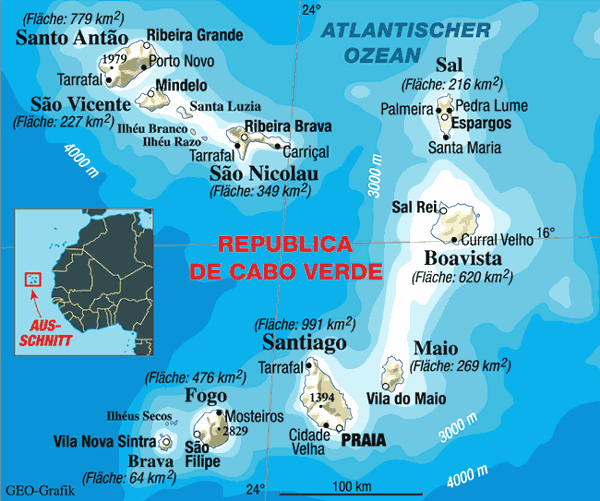
Cape Verdean immigration to the United States has generally reflected Portuguese colonial rule, recurring drought and famine, maritime employment, limited economic opportunities, family networks, education, professional work, and family reunification.
Cape Verdean migration to the United States has a long history closely connected with New England’s maritime industries. Beginning during the nineteenth century, American whaling vessels recruited sailors from the islands, especially Brava and Fogo. Some crew members later settled in Massachusetts and Rhode Island and helped relatives migrate through established family and shipping networks. Drought, famine, poverty, limited farmland, and compulsory military service encouraged further emigration from the Portuguese-controlled islands. Communities developed most visibly in New Bedford, Boston, Brockton, Providence, and nearby coastal areas. Cape Verdean immigrants worked in whaling, shipping, cranberry farming, textile manufacturing, construction, domestic service, and other industries while preserving Kriolu language, music, food, religious traditions, and strong connections with their home islands.
Cape Verdean Migration Before Independence
Before independence, Cape Verde was governed by Portugal and experienced recurring droughts, food shortages, unemployment, and limited natural resources. New England whaling companies began recruiting Cape Verdean men during the nineteenth century, providing one of the earliest regular migration routes from sub-Saharan Africa to the United States. Sailors frequently joined ships visiting the islands and later settled around New Bedford, Massachusetts, and Providence, Rhode Island. Over time, women and children also migrated through family reunification, transforming temporary maritime settlements into permanent communities. Some immigrants found employment in cranberry bogs, factories, docks, domestic service, construction, and local businesses. Because they travelled using Portuguese documents, many early Cape Verdeans were officially recorded as Portuguese rather than as a separate national group, making their precise immigration numbers difficult to determine.
Late-Twentieth-Century Immigration
Cape Verde gained independence from Portugal on July 5, 1975, and the United States recognised the new republic that same day. Immigration continued through family sponsorship, employment, education, and established community networks. The Immigration and Nationality Act of 1965 had already removed restrictive national-origin quotas and made family reunification an increasingly important pathway. Later arrivals included students, healthcare workers, educators, business owners, skilled employees, and relatives joining communities in Massachusetts, Rhode Island, Connecticut, and other states. Cape Verdean organisations, churches, businesses, newspapers, music groups, and cultural festivals helped newcomers adapt while preserving Kriolu, Portuguese, morna music, traditional food, and island identities. The historic schooner Ernestina, which transported cargo and passengers between Cape Verde and the United States from 1948 to 1965, remains an important symbol of these transatlantic connections.
Lorem ipsum dolor sit amet, consectetur adipiscing elit, sed do eiusmod tempor incididunt ut
labore et dolore magna aliqua. Ut enim ad minim veniam, quis nostrud exercitation ullamco
laboris nisi ut aliquip ex ea commodo consequat. Duis aute irure dolor in
reprehenderit in voluptate velit esse cillum dolore eu fugiat nulla pariatur.
 Sign In







 Facebook
 X-Twitter
 Instagram
 Linkedin
 Youtube