Sign In






 Facebook
 X-Twitter
 Instagram
 Linkedin
 Youtube
More Information
More Information
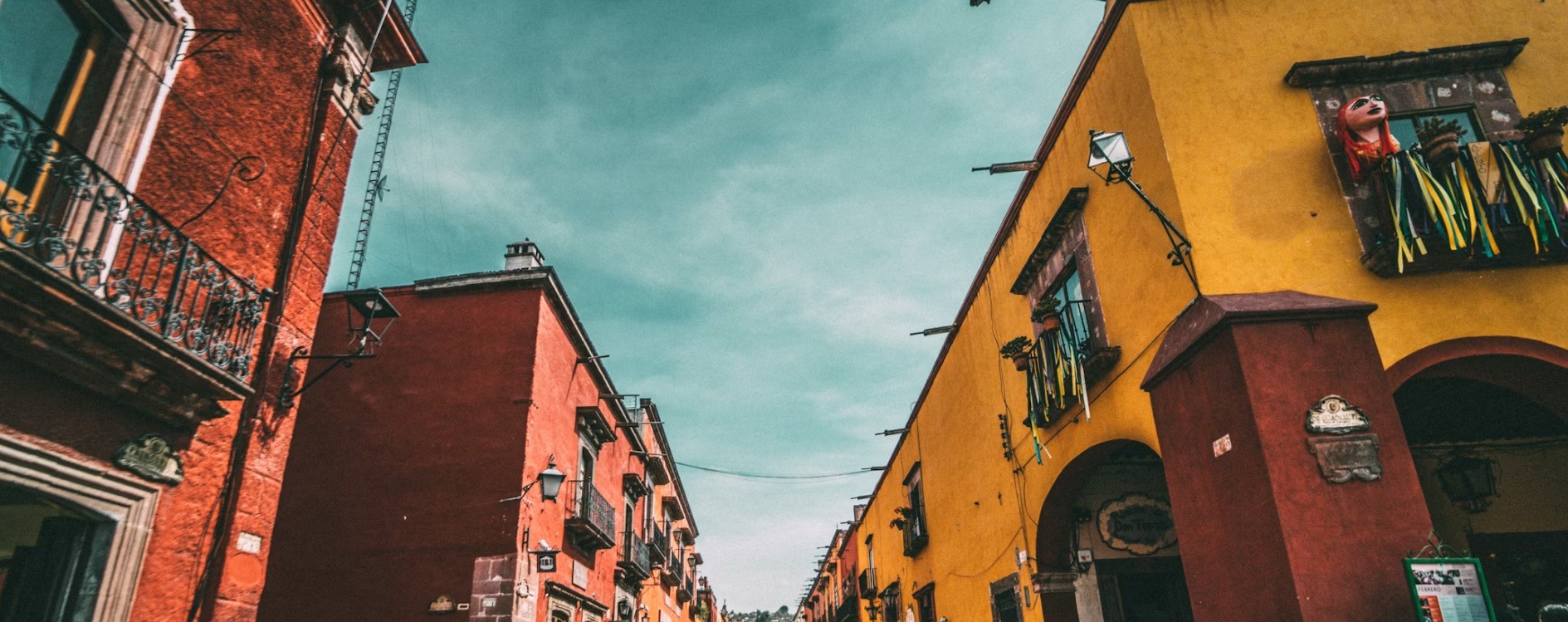
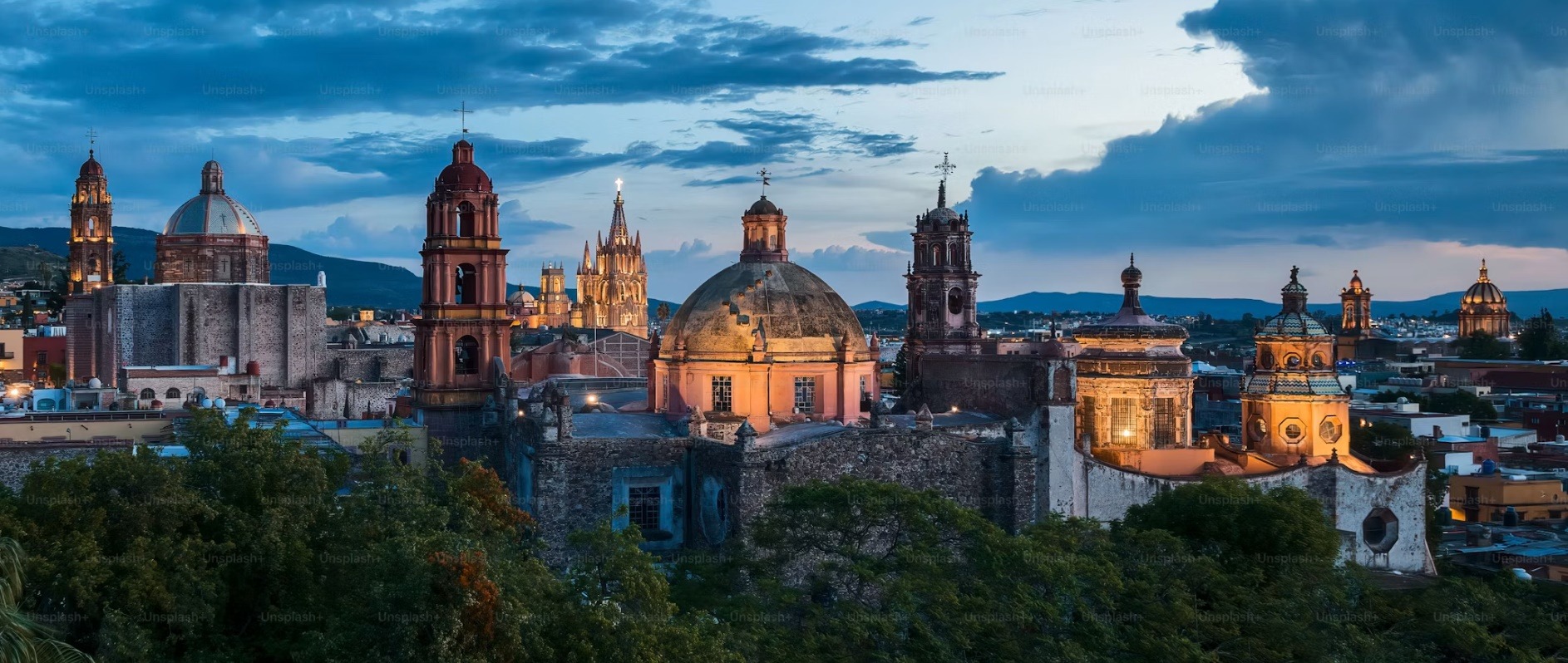
Street Soccer in Mexico
Street soccer is a deeply popular part of football culture in Mexico, where children and teenagers regularly play informal matches in neighbourhood streets, school playgrounds, public parks, plazas, and community fields. These games provide a natural environment for young players to enjoy football, build friendships, and develop their skills from an early age.
The energetic style of street soccer encourages creative dribbling, quick passing, close ball control, and intelligent movement. Playing in small spaces challenges players to think faster, improve their technique, and develop confidence while adapting to different opponents and playing conditions.
Street soccer offers an affordable and accessible way for communities across Mexico to enjoy football without requiring professional facilities. It promotes healthy lifestyles, strengthens community connections, and continues to inspire many young players to pursue football through schools, clubs, and local competitions.
Street Soccer Culture in Mexico
Football is one of Mexico’s most passionate sports, and street soccer is often the first place where many children discover their love for the game. Informal matches organised by friends, schools, and neighbourhood communities create a lively atmosphere where players of different ages and abilities can participate.
Skills Developed Through Street Soccer
Street soccer helps players improve dribbling, first touch, passing accuracy, agility, balance, ball control, and tactical awareness. Regular games also develop creativity, communication, confidence, and quick decision-making during intense match situations.
Street Soccer and Community Development
Street soccer plays an important role in bringing communities together through football. It encourages teamwork, positive youth engagement, and active lifestyles while providing aspiring players with valuable experience before progressing to school teams, football academies, local clubs, or organised youth football programmes.
The MEXICO in the DMV Metro

The Mexican diaspora in the DMV (Washington, D.C., Maryland, and Virginia) is a large and highly diverse community with strong cultural, diplomatic, professional, and economic networks. The population spans both long-established working-class communities and a growing professional class involved in government, international organizations, technology, business, and public policy.
Community Hubs and Institutional Presence
- Mexican Cultural Institute: Located on 16th Street NW in Washington, D.C., the Mexican Cultural Institute serves as a major cultural anchor for the Mexican community. It promotes Mexican art, history, music, education, cuisine, and cultural exchange through exhibitions, performances, educational programs, and public events.
- Consular Section of the Embassy of Mexico: The Mexican consular network provides essential services to the region's large Mexican population, including passports, identification documents, legal assistance, and support for Mexican nationals. It also works with immigrant, community, and faith-based organizations throughout the DMV.
- MXDC – Mexican Professionals Network: This professional network connects Mexican scientists, technology professionals, entrepreneurs, policy specialists, and other highly skilled workers in the Washington region. It provides networking, mentorship, and opportunities for professional collaboration.
- Mexican Community Organizations: A broad network of immigrant associations, churches, nonprofits, and community groups supports Mexican families, particularly in suburban Maryland and Virginia, providing assistance with education, employment, legal resources, cultural programming, and civic participation.
Cultural and Social Dynamics
- Professional & Economic Diversity: The DMV Mexican community spans construction, hospitality, agriculture, landscaping, food services, and other traditional immigrant industries while also maintaining a significant professional population in government, international development, technology, finance, diplomacy, and policy.
- Cultural Preservation: Mexican identity is maintained through Spanish-language programs, traditional celebrations, music, dance, food, religious festivals, and community events. Mexican cuisine has also become a major part of the DMV's broader restaurant and culinary landscape.
- Suburban Community Networks: Mexican families are increasingly distributed throughout suburban Maryland and Northern Virginia, where churches, schools, restaurants, businesses, and community organizations function as important social hubs.
- Civic & Advocacy Engagement: Community organizations and consular institutions play an important role in voter education, immigrant-rights advocacy, legal assistance, workforce support, and engagement with local government.
- Cross-Border Connections: The diaspora maintains strong economic and family ties with Mexico through remittances, entrepreneurship, travel, cultural exchange, and professional relationships, creating a community that operates across both the United States and Mexico.
Significance
Immigration from Mexico has generally reflected colonial history, economic opportunity, labor demand, family reunification, educational advancement, political change, and regional mobility.
Migration from Mexico has played a central role in the history of the United States for centuries. Because of geographic proximity, historical connections, and economic integration, Mexican migration has been one of the largest and most significant migration movements in North America. Mexicans have migrated to the United States for agricultural work, industrial employment, education, entrepreneurship, and family reunification. Political changes, economic conditions, labor demands, and trade relationships have continued to influence migration patterns. Today, Mexican immigrants represent one of the largest immigrant communities in the United States, contributing significantly to agriculture, construction, healthcare, education, technology, business, and cultural life while maintaining strong linguistic, cultural, and family ties with Mexico.
Mexican Migration Before Independence
Before independence, Mexico was part of the Spanish Empire and was known as New Spain, one of Spain's most important colonies in the Americas. Migration during the colonial period was influenced by mining, agriculture, trade, missionary activity, military service, and government administration. Indigenous peoples, Europeans, Africans, and mixed communities contributed to the development of colonial society, while movement occurred throughout New Spain and other Spanish territories. Following the Mexican War of Independence (1810–1821), Mexico gained independence from Spain on September 16, 1821. The relationship between Mexico and the United States was shaped by geographic proximity, including the Mexican-American War (1846–1848), after which large territories became part of the United States. Many Mexican communities remained in these regions, creating longstanding cultural connections between both countries.
Late-Twentieth- and Early-Twenty-First-Century Immigration
Migration from Mexico increased significantly during the twentieth century due to agricultural labor demand, industrial growth, economic differences between the two countries, and established family networks. Programs such as the Bracero Program (1942–1964) brought Mexican workers to the United States for temporary agricultural employment, while later migration expanded through family sponsorship, employment opportunities, and economic integration. Students, physicians, engineers, scientists, academics, entrepreneurs, information technology specialists, business professionals, and skilled workers increasingly travelled to the United States for education, specialized employment, investment, or family reunification. In the United States, Mexican immigrants often rely on family networks, churches, cultural organizations, community groups, and professional associations for support with housing, employment, education, and community integration while preserving Spanish, Indigenous languages, traditional cuisine, music, festivals, cultural heritage, religious practices, and close relationships with relatives in Mexico.