Sign In








 Facebook
 X-Twitter
 Instagram
 Linkedin
 Youtube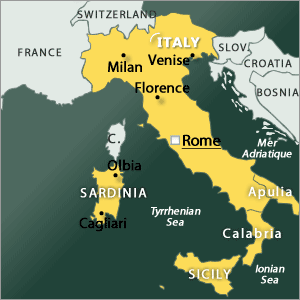
More Information
More Information
Street Soccer in Italy
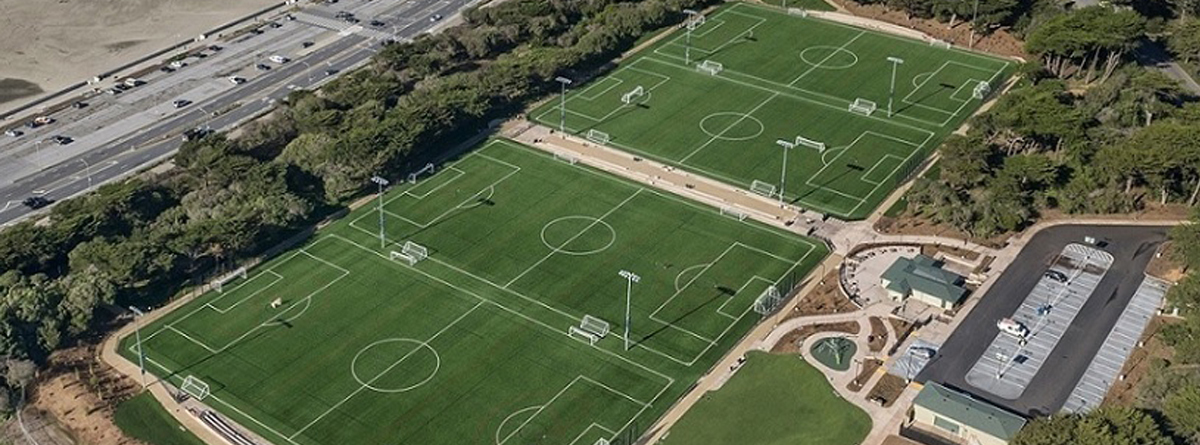
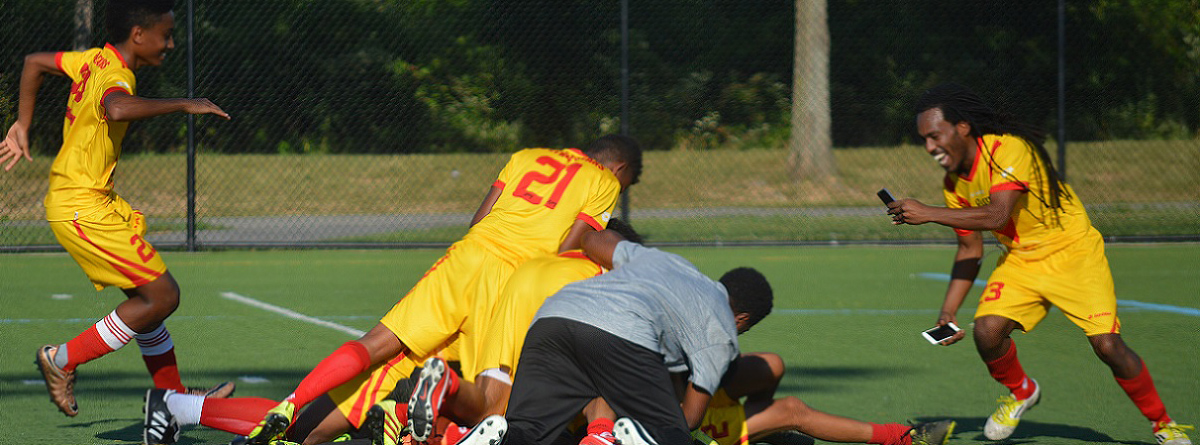
Street soccer has long been a cherished part of football culture in Italy, where children and teenagers regularly play informal matches in neighbourhood squares, school courtyards, public parks, and community sports areas. These games give young players the freedom to enjoy football in a relaxed setting while building friendships and improving their skills through regular play.
The quick tempo of street soccer encourages precise ball control, accurate passing, creative dribbling, and intelligent movement. Playing on smaller pitches challenges participants to think faster, adapt to tight spaces, and develop teamwork while expressing their individual playing style.
Street soccer provides an accessible way for communities across Italy to enjoy football without requiring professional stadiums or large playing fields. It promotes active lifestyles, strengthens neighbourhood connections, and continues to inspire generations of young football enthusiasts.
Street Soccer Culture in Italy
Football is deeply rooted in Italian culture, and street soccer has traditionally been where many children first develop their love for the game. Friendly matches organised by schools, neighbours, and local communities create an inclusive environment where players of all ages and abilities can participate.
Skills Developed Through Street Soccer
Street soccer helps players improve dribbling, first touch, passing accuracy, agility, balance, ball control, and tactical awareness. Regular games also strengthen communication, creativity, confidence, and quick decision-making under pressure.
Street Soccer and Community Development
Street soccer brings communities together through football while encouraging teamwork, healthy recreation, and positive youth participation. It also provides aspiring players with a strong foundation before progressing to school teams, local football clubs, academies, or organised youth football programmes.