Sign In








 Facebook
 X-Twitter
 Instagram
 Linkedin
 Youtube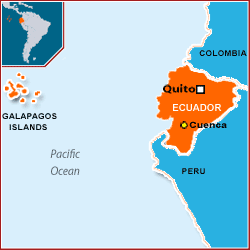
More Information
More Information
Street Soccer in Ecuador
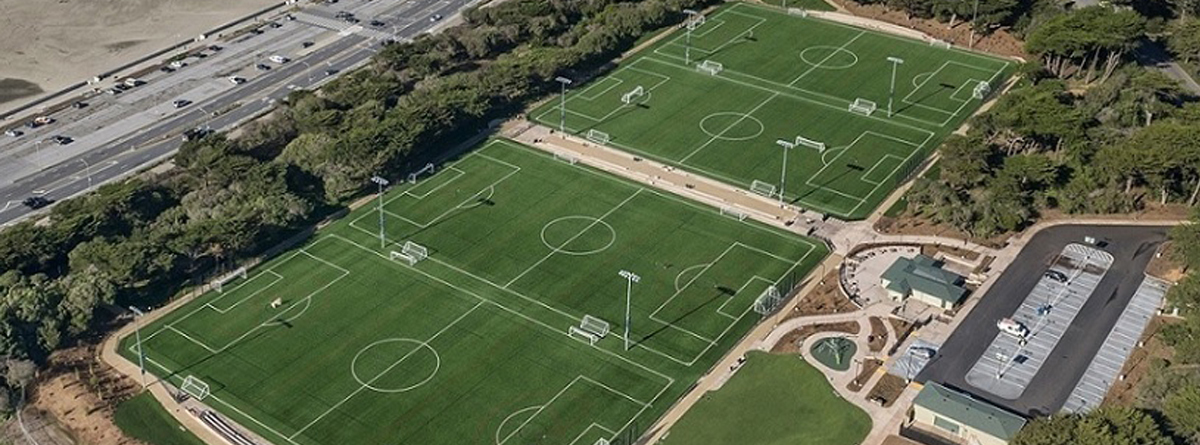
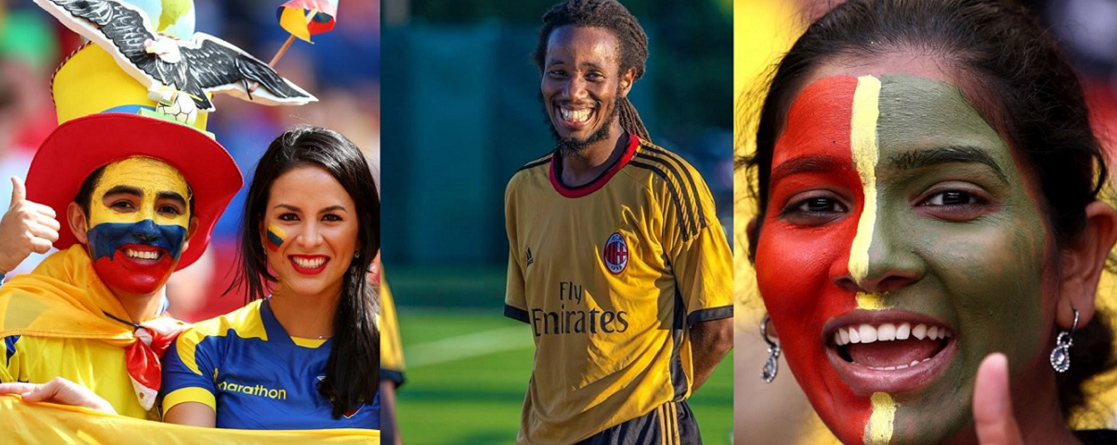
Street soccer is an important part of football culture in Ecuador, where children and teenagers often play informal matches in neighbourhood streets, school courts, community fields, and open public spaces. These games allow young players to enjoy football in their daily surroundings while building friendships and improving their skills.
The energetic style of street soccer helps players develop quick footwork, close ball control, passing ability, and creativity. Playing in smaller areas encourages fast reactions, individual expression, and teamwork, helping participants become more confident and adaptable during matches.
Street soccer provides an affordable way for communities across Ecuador to enjoy football without requiring professional facilities. It supports active lifestyles, creates social connections, and gives young players an opportunity to develop their passion for the sport.
Street Soccer Culture in Ecuador
Football holds a special place in Ecuadorian culture, and street soccer is often the first experience many children have with the game. Local matches organised by friends, schools, and neighbourhood groups create a strong sense of community and encourage participation among young players.
Skills Developed Through Street Soccer
Street soccer helps players improve dribbling, first touch, passing accuracy, balance, agility, and awareness. The limited playing space also strengthens creativity, communication, and quick decision-making during competitive situations.
Street Soccer and Community Development
Street soccer brings communities together by creating positive spaces for young people to connect through football. It also helps aspiring players gain experience before progressing to school teams, local clubs, football academies, or organised competitions.
The Ecuador in the DMV Metro

- Metropolitan Size: The DMV is home to an estimated 10,189 residents of Ecuadorian descent, ranking it among the notable hubs outside of major epicentres like New York City and Miami.
- City Density: Within Washington, D.C. proper, there are roughly 8,830 foreign-born Ecuadorian residents, making it the 38th largest immigrant community in the district.
- Growth Profile: Nationwide, the Ecuadorian population surged by 208% between 2000 and 2021, a trajectory mirrored by the influx of young families and professionals settling in the DMV suburbs of Maryland and Northern Virginia.
- Raíces Ecuatorianas Foundation: Originally founded in September 2022 as a traditional dance group, this group officially incorporated as a 501(c)(3) nonprofit to promote cultural heritage, educational opportunities, and unified community events across the DMV.
- Annual Cultural Showcases: The community gathers for landmark cultural events such as Expo Ecuador 2026, which brings art, cuisine, and business networking to venues like the Catholic University of America. The diaspora is also a highly visible contingent at Fiesta DC, the region's massive annual Latino festival.
- Diplomatic Core: The Embajada y Consulado del Ecuador situated in Adams Morgan serves as both a bureaucratic lifeline for passports and IDs (cédulas) and a central anchoring landmark for local community engagement.
- Authentic Cuisine: For years, finding true Ecuadorian flavors was tough in the DMV, but weekend pop-ups and dedicated restaurants have filled the void. Las Delicias del Gato (operating out of H Street NE) has become a primary community favorite, serving traditional dishes like encebollado, ceviche, and local specialties.
- Specialty Products: Local culinary entrepreneurs are carving out niches, with brands like Ecuadorian Essence showcasing native cacao, guayusa blends, and floral chocolates at major regional food expos.
Significance
Ecuadorian immigration to the United States has generally reflected rural poverty, declining agricultural employment, political instability, economic crises, higher wages, education, professional opportunities, family networks, and family reunification.
Ecuadorian migration to the United States remained limited until the middle of the twentieth century. Early arrivals included merchants, sailors, diplomats, students, academics, artists, businesspeople, and professionals travelling for trade, education, or specialised employment. A significant migration network developed during the 1950s and 1960s, particularly among residents of the southern provinces of Azuay and Cañar. The decline of the Panama-hat trade weakened local employment, while commercial connections with New York helped pioneer migrants establish routes to the United States. Migration continued during the 1970s and increased again during the severe economic and political crisis of the late 1990s. Ecuadorian communities became especially visible in New York, New Jersey, Connecticut, Florida, and California.
Ecuadorian Migration Before the Major Immigration Waves
Before the 1950s, direct Ecuadorian immigration to the United States was uncommon. Ecuador separated from Gran Colombia in 1830 and developed as an independent republic, while formal diplomatic relations with the United States were established in 1848. Early connections between the countries were based mainly on diplomacy, maritime trade, agriculture, education, and commerce. Ecuadorians travelling to America were commonly government representatives, merchants, sailors, students, religious workers, intellectuals, or members of internationally connected families. Most people who migrated abroad remained within Latin America because nearby countries were easier and less expensive to reach. However, the export of Panama hats from southern Ecuador to New York created commercial and personal networks that later supported larger migration from Azuay and Cañar.
Late-Twentieth-Century Immigration
Ecuadorian immigration expanded during the late twentieth century as unemployment, declining rural livelihoods, inflation, political instability, and economic uncertainty encouraged families to seek opportunities abroad. The Immigration Reform and Control Act of 1986 allowed more than 16,000 Ecuadorians to obtain lawful permanent residence, enabling many to sponsor relatives later. A second major emigration wave began during the late 1990s, when a severe banking, economic, and political crisis affected the country. Migrants travelled primarily to the United States, Spain, and Italy through employment, education, family sponsorship, and established community networks. New York and New Jersey became major centres of Ecuadorian American life. Immigrants created restaurants, grocery stores, churches, businesses, newspapers, cultural associations, and festivals while preserving Spanish, Indigenous languages, regional food, music, religious customs, and close family connections with Ecuador.