Sign In






 Facebook
 X-Twitter
 Instagram
 Linkedin
 Youtube
More Information
More Information
Street Soccer in Laos
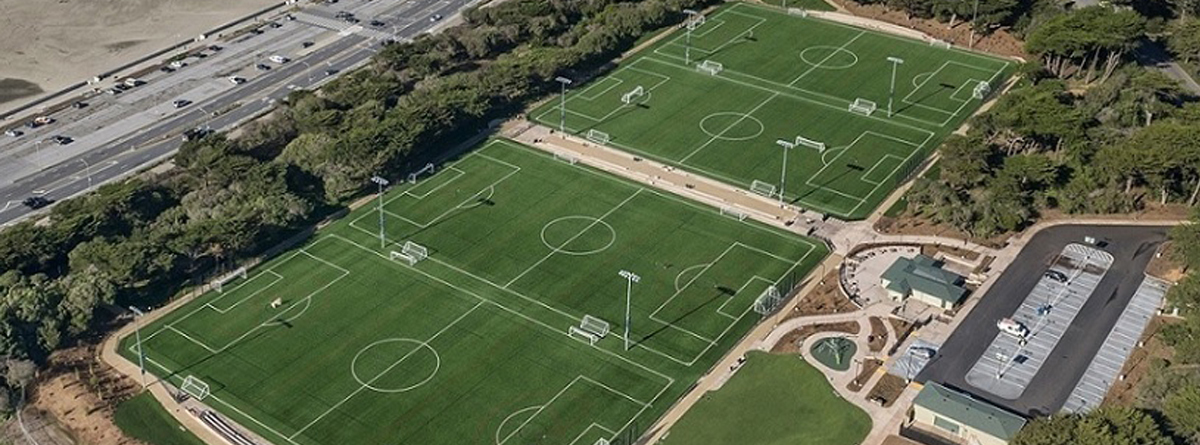
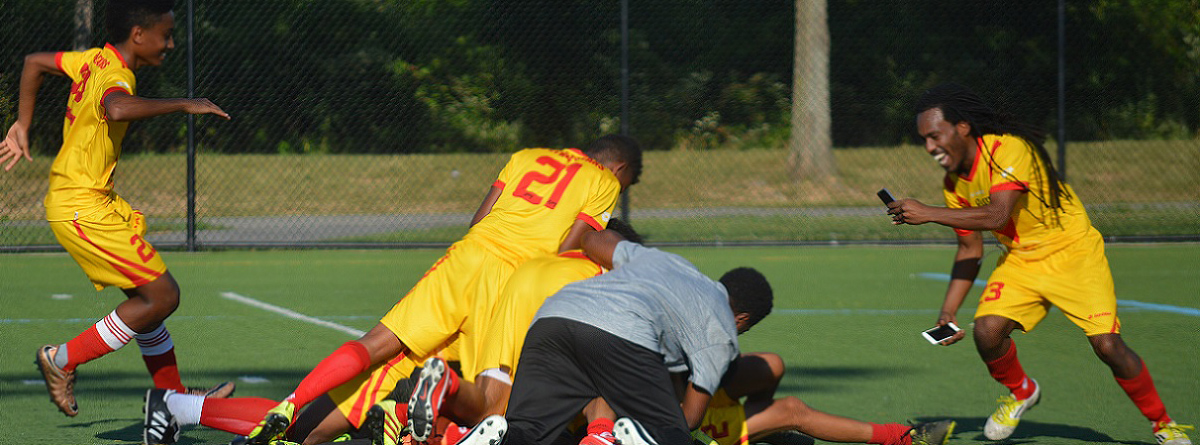
Street soccer is a popular activity in Laos, where children and teenagers regularly play informal football matches in village roads, neighbourhood spaces, school grounds, public parks, and community fields. These games give young players a fun and accessible way to stay active while developing their football skills and enjoying time with friends.
The relaxed yet competitive nature of street soccer encourages quick passing, close ball control, creative dribbling, and smart movement. Playing on smaller pitches helps participants improve their confidence, teamwork, and adaptability while learning to make fast decisions in different match situations.
Street soccer provides an affordable way for communities across Laos to enjoy football without requiring professional facilities or expensive equipment. It promotes healthy lifestyles, strengthens local friendships, and encourages many young people to continue their passion for the sport.
Street Soccer Culture in Laos
Football is steadily growing in popularity throughout Laos, and street soccer is often where many children first discover their interest in the game. Informal matches organised by schools, neighbours, and community groups create a welcoming environment where players of different ages and abilities can participate.
Skills Developed Through Street Soccer
Street soccer helps players improve dribbling, first touch, passing accuracy, agility, balance, ball control, and awareness. Regular games also strengthen communication, creativity, confidence, and the ability to make quick decisions during fast-paced play.
Street Soccer and Community Development
Street soccer brings communities together through football while encouraging teamwork, positive youth participation, and active lifestyles. It also provides aspiring players with valuable experience before progressing to school teams, local football clubs, academies, or organised youth football programmes.
The LAOS in the DMV Metro

The Laotian diaspora in the DMV (Washington, D.C., Maryland, and Virginia) is a culturally vibrant refugee-rooted community with strong political, cultural, and civil-rights networks. While smaller than major Laotian-American concentrations in California and Minnesota, the DMV community has an outsized role in national advocacy, heritage preservation, Southeast Asian civic engagement, and the promotion of Lao culture.
Community Hubs and Institutional Presence
-
Legacies of War: Based in Washington, D.C., the organization is a major advocacy platform focused on the legacy of the U.S. Secret War in Laos. Its work includes raising awareness of unexploded ordnance (UXO), supporting clearance efforts, and connecting the Lao-American community with policymakers.
-
Lao Heritage Foundation (LHF): Based in Virginia, LHF provides one of the region's most important cultural-preservation infrastructures. Its programs teach traditional Lao music, dance, instruments such as the khaen, and other cultural traditions to younger generations.
-
Southeast Asia Resource Action Center (SEARAC): Located in Washington, D.C., SEARAC provides a broader Southeast Asian advocacy platform, addressing civil rights, immigration, education, health, and economic equity issues affecting Lao and other Southeast Asian communities.
-
Laotian American National Alliance (LANA): A national advocacy and leadership network that strengthens civic participation, community leadership, and federal visibility for Lao Americans.
Cultural and Social Dynamics
-
Refugee Heritage: Much of the DMV Lao community's identity is rooted in refugee migration following the Vietnam War and the political transition in Laos after 1975. Family histories, displacement, resettlement, and intergenerational memory remain important aspects of community life.
-
Cultural Preservation: Traditional music, dance, language, Buddhist traditions, festivals, textiles, and cuisine are preserved through community organizations, temples, family networks, and youth programs.
-
Buddhist & Spiritual Networks: Lao Buddhist temples and Southeast Asian religious communities provide important social gathering points, particularly around Pi Mai Lao (Lao New Year) and other religious and cultural celebrations.
-
Political & Civic Advocacy: Washington's proximity to Congress, federal agencies, and international organizations makes the DMV particularly significant for advocacy concerning refugee policy, civil rights, immigration, UXO removal, and U.S.–Laos relations.
-
Southeast Asian Community Connections: Lao Americans frequently participate in broader Cambodian, Vietnamese, Thai, and other Southeast Asian organizations and cultural networks, particularly through civil-rights organizations and shared religious and culinary spaces.
-
Culinary Identity: Lao cuisine—including sticky rice, laap, papaya salad, grilled meats, and other traditional dishes—serves as an important vehicle for cultural preservation and community interaction, while also contributing to the wider DMV food scene.
-
Community Structure: The Laotian DMV community is best understood as a refugee-rooted cultural and advocacy diaspora, with national organizations and cultural institutions providing the organizational foundation while temples, family networks, food, and traditional arts sustain intergenerational identity.
Significance
Immigration from Laos has generally reflected French colonial rule, war, political change, refugee resettlement, educational opportunities, professional employment, family reunification, and humanitarian migration.
Migration from Laos has historically been shaped by regional conflict, political transformation, and humanitarian displacement. Before the mid-twentieth century, migration primarily occurred within Southeast Asia for trade, agriculture, education, and family connections. Following the Laotian Civil War and the establishment of the Lao People's Democratic Republic in 1975, hundreds of thousands of Laotians fled to neighboring Thailand and other countries as refugees. Many were later resettled in the United States through refugee and humanitarian programs, while others arrived through education, employment, and family sponsorship. Today, Laotian immigrants have established vibrant communities across the United States while maintaining strong cultural, linguistic, and family ties with their homeland.
Laotian Migration Before Independence
Before independence, Laos formed part of French Indochina under French colonial rule. Migration during the colonial period was influenced by agriculture, regional trade, government administration, missionary education, military service, and commerce along the Mekong River. Residents frequently travelled throughout present-day Thailand, Vietnam, Cambodia, and other parts of Southeast Asia as farmers, traders, fishermen, students, civil servants, and members of extended families. Direct migration to the United States remained relatively uncommon because political, educational, and commercial connections were centred primarily on France and neighboring territories. Laos gained full independence from France on October 22, 1953, and the United States recognized the newly independent nation while establishing diplomatic relations.
Late-Twentieth- and Early-Twenty-First-Century Immigration
Migration increased dramatically after the Laotian Civil War (1959–1975) and the political changes of 1975, which displaced large numbers of people. Many Laotians, including members of the Hmong, Khmu, and other ethnic communities, fled to refugee camps in Thailand before being resettled in the United States and other countries through humanitarian programs. Students, physicians, engineers, academics, entrepreneurs, business professionals, and skilled workers have also travelled to the United States for higher education, specialized employment, research, investment, or family reunification. In the United States, Laotian immigrants often rely on family networks, Buddhist temples, churches, cultural associations, refugee assistance organizations, and community groups for support with housing, employment, education, language services, and social integration while preserving Lao, Hmong, Khmu, and other native languages, traditional cuisine, music, religious practices, cultural heritage, and close relationships with relatives in Laos.