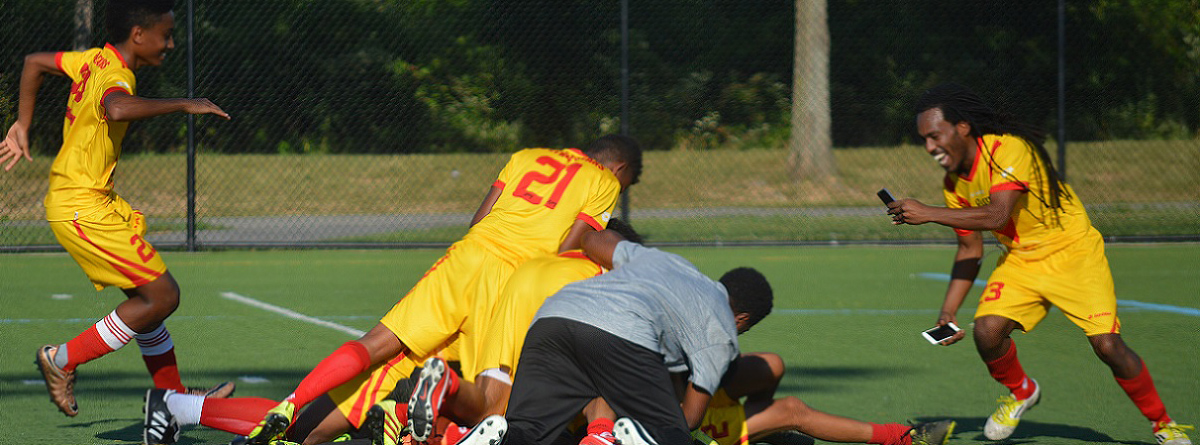
The Diaspora World Cup operates in some of the major cities and metro areas in
United States and
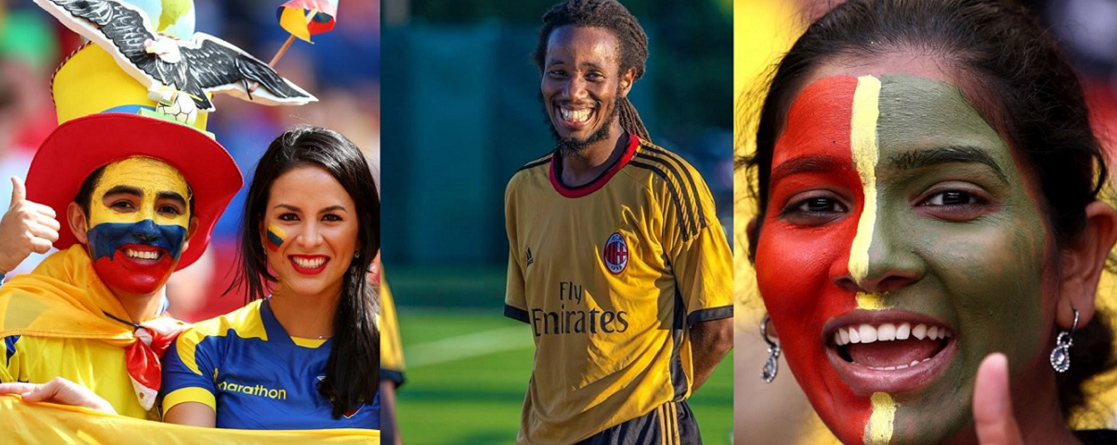
Canada. Our network of register players includes 20 cities, 200 countries, 400
teams, and 10,000
players. Join our movement to solve the world's most pressing challenges:
Illiteracy
Who We are text will be here Who We are text will be here Who We are text will
be here Who We
are text will be here Who We are text will be here Who We are text will be here
Who We are text
will be here Who We are text will be here Who We are text will be here
What We Do text will be here What We Do text will be here What We Do text will
be here What We
Do text will be here What We Do text will be here What We Do text will be here
What We Do text
will be here What We Do text will be here What We Do text will be here What We
Do text will be
here What We Do text will be here What We Do text will be here
Get Involved text will be here Get Involved text will be here Get Involved text
will be here Get
Involved text will be here Get Involved text will be here Get Involved text will
be here Get
Involved text will be here Get Involved text will be here Get Involved text will
be here Get
Involved text will be here
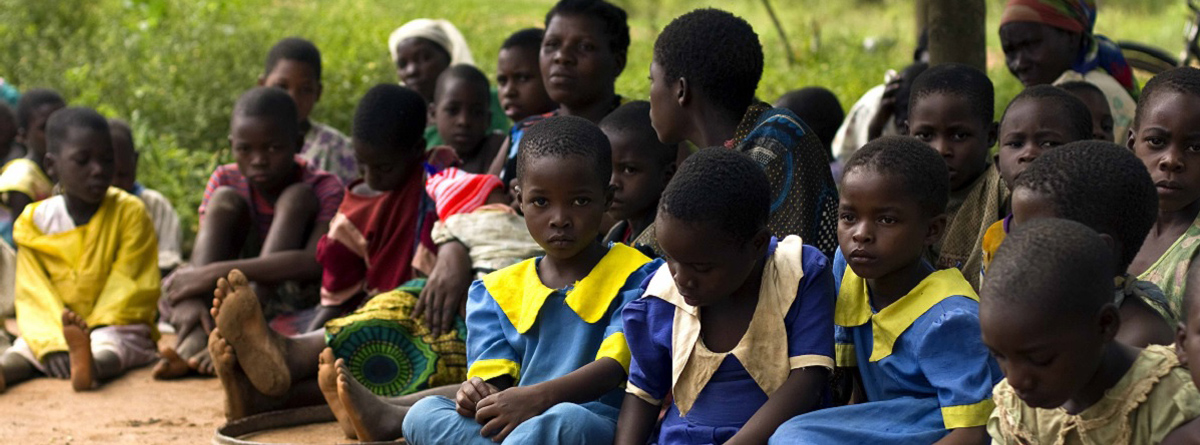
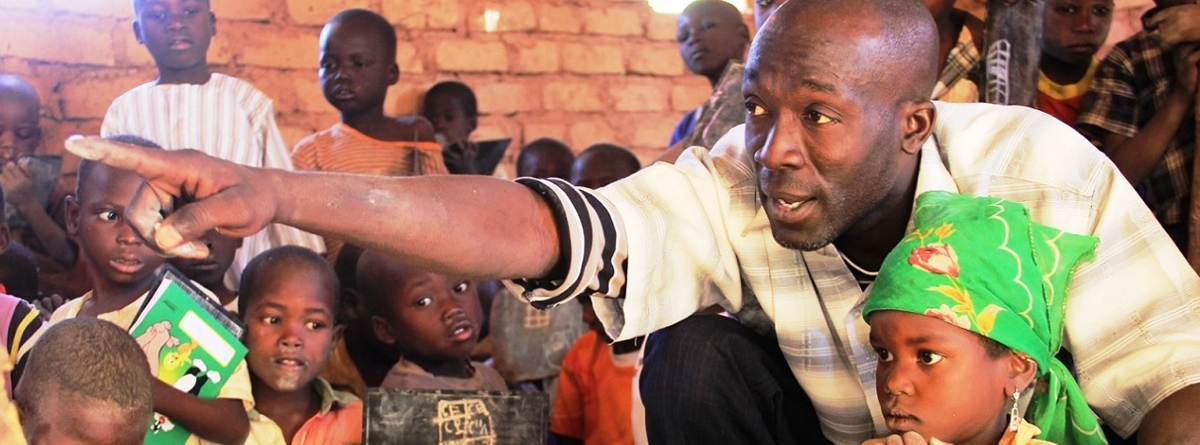
Education is a basic Human Right and the Diaspora World Cup global school
program focuses its
energy in some the poorest countries around the world. We build schools in some
of the poorest
countries around the worldthat historically had no adequate school structure.
Any member of the
World Diaspora has the power to end illiteracy around the world through the
power of soccer.
High-profile sport figures, global leaders, business leaders, political figure,
journalists,
activists, philanthropists, actors, and entrepreneurs united by their commitment
to the Diaspora
World Cup mission to eradicate illiteracy around the world through the power of
soccer. They serve
as role models and spread the Diaspora World Cup vision and commitment of a
world mobilized
through soccer.
Diaspora 2027: complete guide to all players | The Diaspora
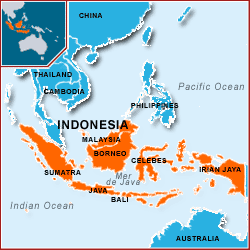
INDONESIA
Welcome to the 2028 Diaspora World Cup. Germantown – Clarksburg
Germantown – Clarksburg
Welcome to the 2028 Diaspora World Cup. Germantown – Clarksburg
The Indonesian diaspora in the DMV (Washington, D.C., Maryland, and Virginia) is a professionally accomplished, organized, and multi-generational Southeast Asian community. It combines long-term immigrant families, diplomats, international-development professionals, technology workers, academics, entrepreneurs, and a substantial student population. Community life...The Indonesian diaspora in the DMV (Washington, D.C., Maryland, and Virginia) is a professionally accomplished, organized, and multi-generational Southeast Asian community. It combines long-term immigrant families, diplomats, international-development professionals, technology wo...
More Information
Chelsea Official
Download The 5th Stand, Chelsea’s official mobile app, to see exclusive content, match action and all the latest news from Stamford Bridge.
More Information
Street Soccer in Indonesia
Street soccer is widely enjoyed across Indonesia, where children and teenagers regularly gather in neighbourhood alleys, school grounds, village squares, futsal courts, and community spaces for informal football matches. These games are a common part of daily life, offering young players a fun way to stay active while developing their football skills with friends.
The compact playing areas encourage quick dribbling, sharp passing, close ball control, and fast decision-making. Street soccer's energetic style helps players become more creative, adaptable, and confident while learning to work effectively as a team in fast-moving situations.
Street soccer provides an affordable and accessible way for communities throughout Indonesia to enjoy football without requiring professional facilities. It encourages healthy lifestyles, strengthens local friendships, and motivates many young people to continue their football journey through schools, clubs, or community competitions.
Street Soccer Culture in Indonesia
Football is one of the most popular sports in Indonesia, and street soccer plays an important role in introducing young players to the game. Informal matches organised by friends, schools, and neighbourhood communities create a lively atmosphere where football is enjoyed by people of all backgrounds.
Skills Developed Through Street Soccer
Street soccer helps players improve dribbling, first touch, passing accuracy, agility, balance, ball control, and awareness. Regular games also develop communication, creativity, confidence, and the ability to react quickly under pressure.
Street Soccer and Community Development
Street soccer strengthens communities by bringing young people together through football while encouraging positive social interaction and active lifestyles. It also provides aspiring players with a solid foundation before progressing to school teams, local football clubs, academies, or organised youth football programmes.
The INDONESIA in the DMV Metro
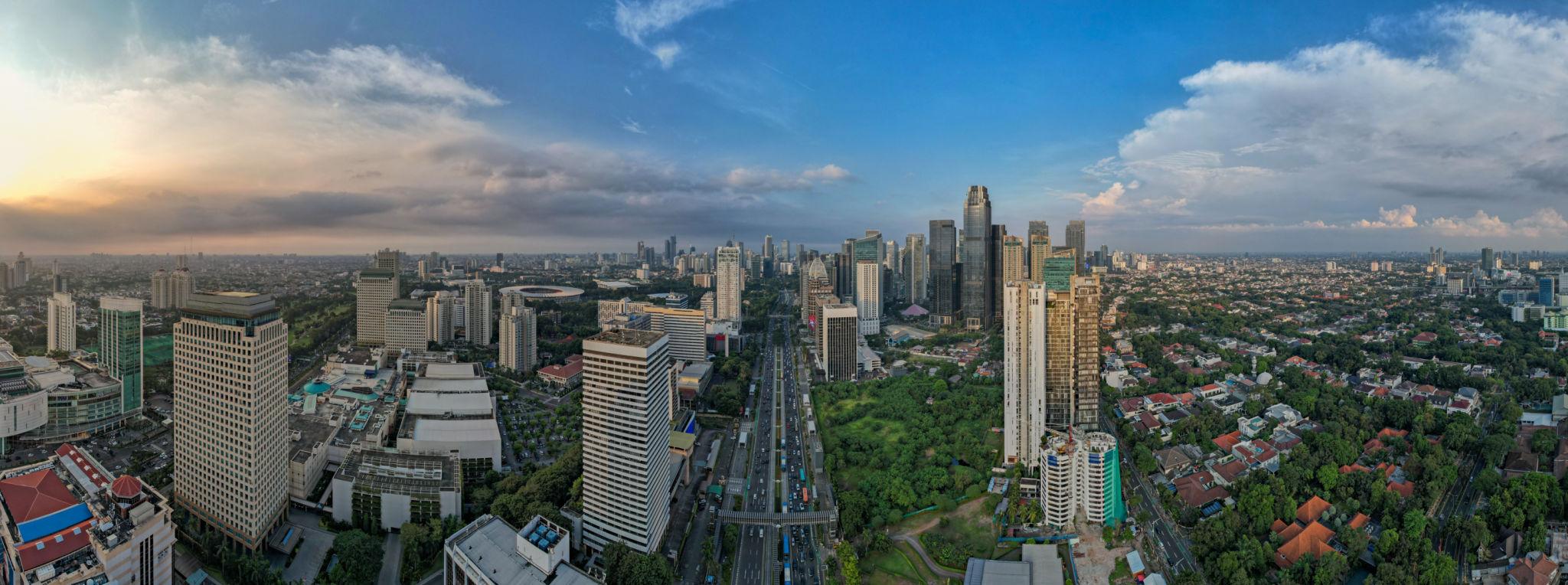
The Indonesian diaspora in the DMV (Washington, D.C., Maryland, and Virginia) is a professionally accomplished, organized, and multi-generational Southeast Asian community. It combines long-term immigrant families, diplomats, international-development professionals, technology workers, academics, entrepreneurs, and a substantial student population. Community life is strongly connected to Indonesia's diplomatic presence, professional associations, student networks, charitable organizations, and food-centered cultural programming.
Community Hubs and Institutional Presence
The Embassy of the Republic of Indonesia (KBRI Washington): Located on Massachusetts Avenue NW in Washington, D.C., the Embassy serves as the principal diplomatic and community anchor. It provides consular services while hosting community consultations, cultural programs, national celebrations, and forums connecting Indonesians abroad with government initiatives.
Indonesian American Association (IAA): An established nonprofit community organization supporting Indonesian families and Indonesian-Americans across the region. Its activities include social integration, charitable programs, community assistance, and connections among families and professionals.
Indonesian Professionals Association – Washington, D.C. (IPA-DC): Provides a professional networking platform for Indonesian professionals working in international development, technology, government, consulting, business, and other fields. Mentorship, networking events, and career programs are key components.
PERMIAS DC: The Indonesian student association provides a younger-generation network connecting Indonesian students at universities such as George Washington University, Georgetown University, and the University of Maryland with the broader community.
Indonesia Relief USA (IRUSA): Provides a humanitarian and charitable platform connecting the Indonesian-American community with relief and development initiatives in Indonesia, while also supporting cultural and youth-oriented programs.
Cultural and Social Dynamics
Professional & Academic Networks: The DMV community has particularly strong links to the World Bank, IMF, federal agencies, universities, technology companies, consulting firms, and international-development organizations, giving Indonesian professionals substantial engagement with Washington's institutional ecosystem.
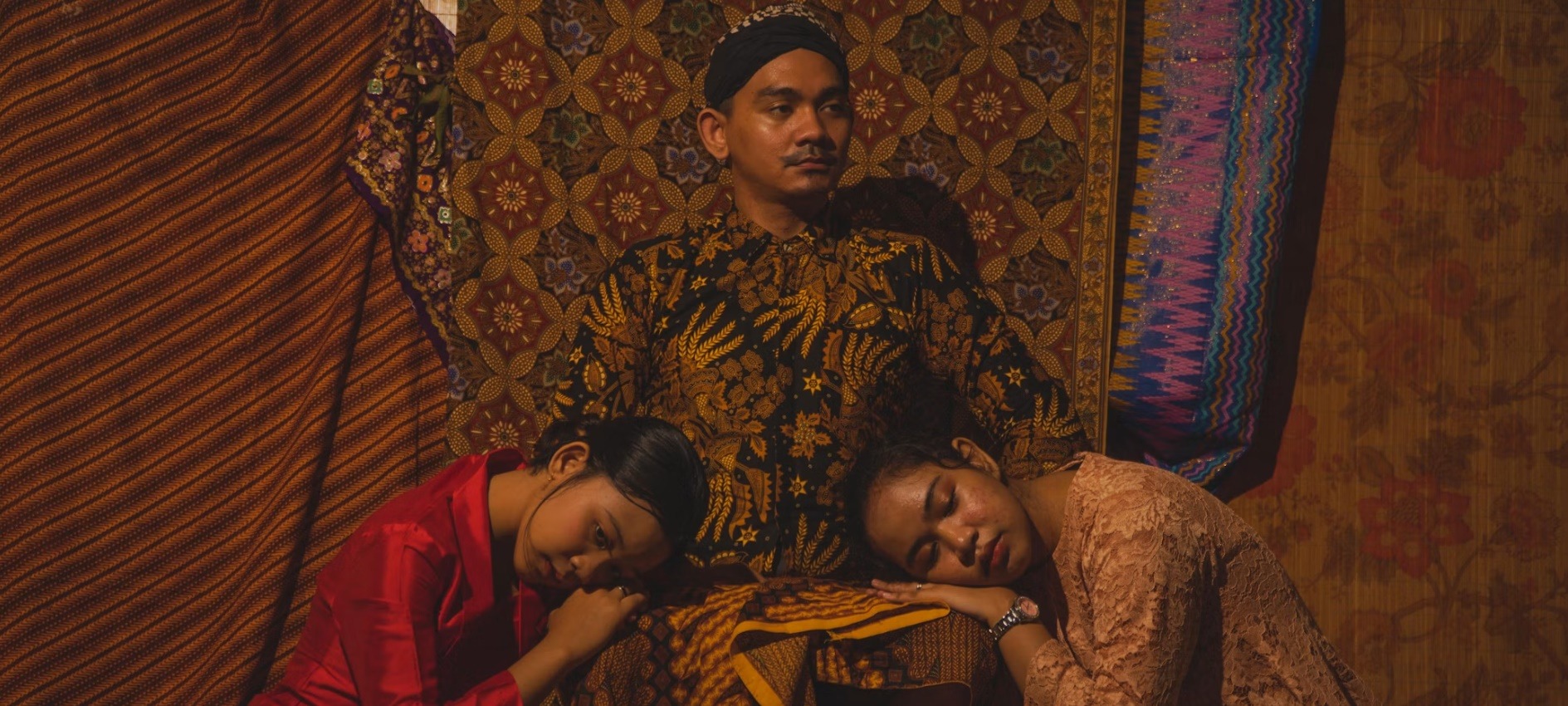
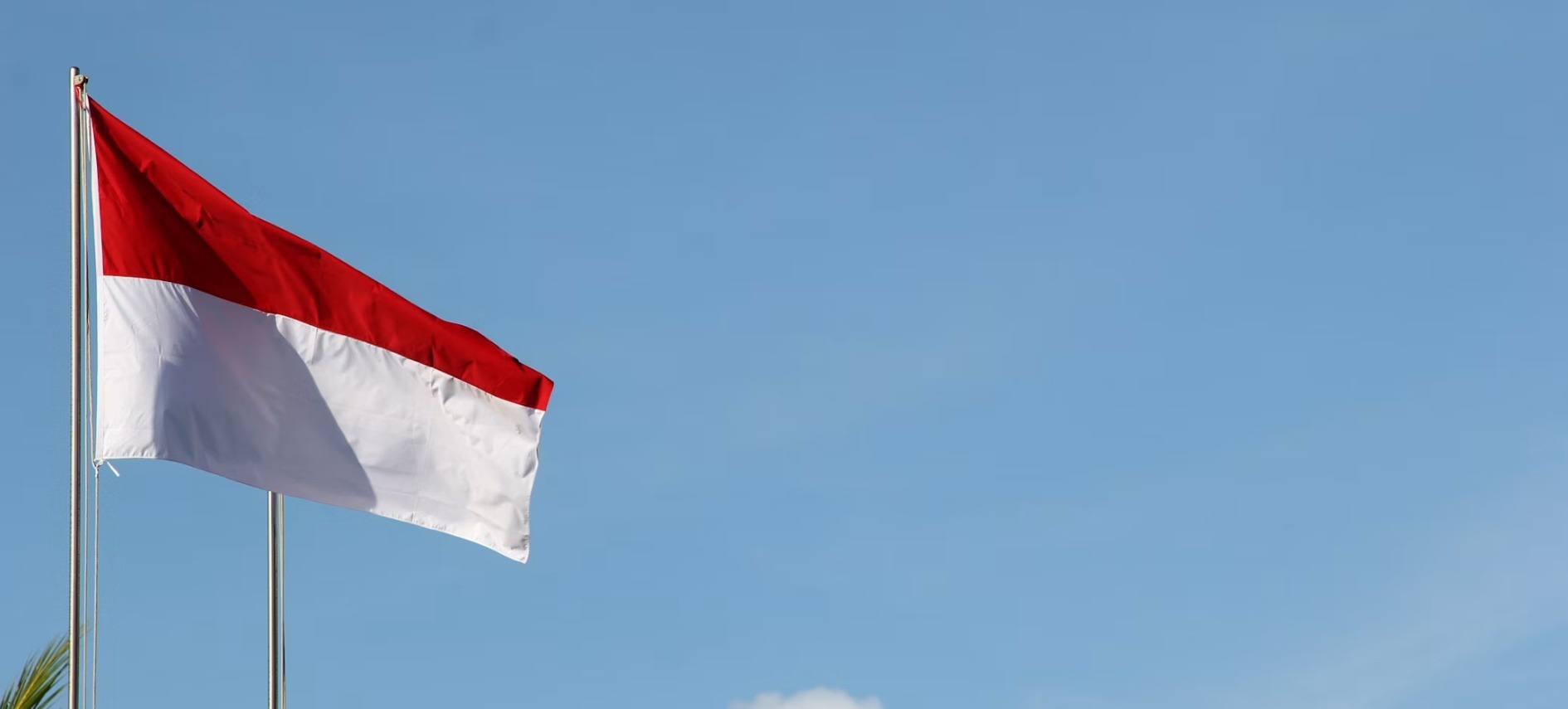
Independence Day:August 17 is a major national celebration, with embassy and community events featuring flag ceremonies, performances, family gatherings, traditional clothing, and Indonesian food.
Embassy Food Bazaars: Indonesian cultural and food bazaars provide major gathering points for the community and the wider DMV public. Traditional dishes such as rendang, sate ayam, nasi goreng, and other regional specialties provide a highly visible form of cultural diplomacy.
Cultural Preservation: Indonesian music, dance, traditional clothing, language, children's programs, and performing arts are maintained through community organizations, student associations, cultural groups, and family networks.
Youth & Student Engagement: The large student component creates an important pipeline between Indonesia and the DMV, with student organizations providing social activities, cultural events, professional networking, and connections to Indonesian-American professionals.
Humanitarian & Transnational Engagement: Indonesian-American organizations maintain strong connections with Indonesia through charitable giving, disaster relief, education projects, family ties, and professional collaborations.
Culinary Community: Because Indonesian cuisine is highly regional and diverse, community food culture often operates through embassy bazaars, caterers, pop-ups, home-based businesses, and family events rather than a single concentrated Indonesian commercial district.
Community Structure: The Indonesian DMV community is best understood as a professionally integrated, institutionally connected Southeast Asian diaspora, with the Embassy providing diplomatic infrastructure while professional associations, student groups, nonprofits, family networks, and culinary events sustain everyday community life.
Significance
Immigration from Indonesia has generally reflected Dutch colonial rule, educational opportunities, professional employment, economic development, political change, family reunification, international business, and religious and cultural exchange.
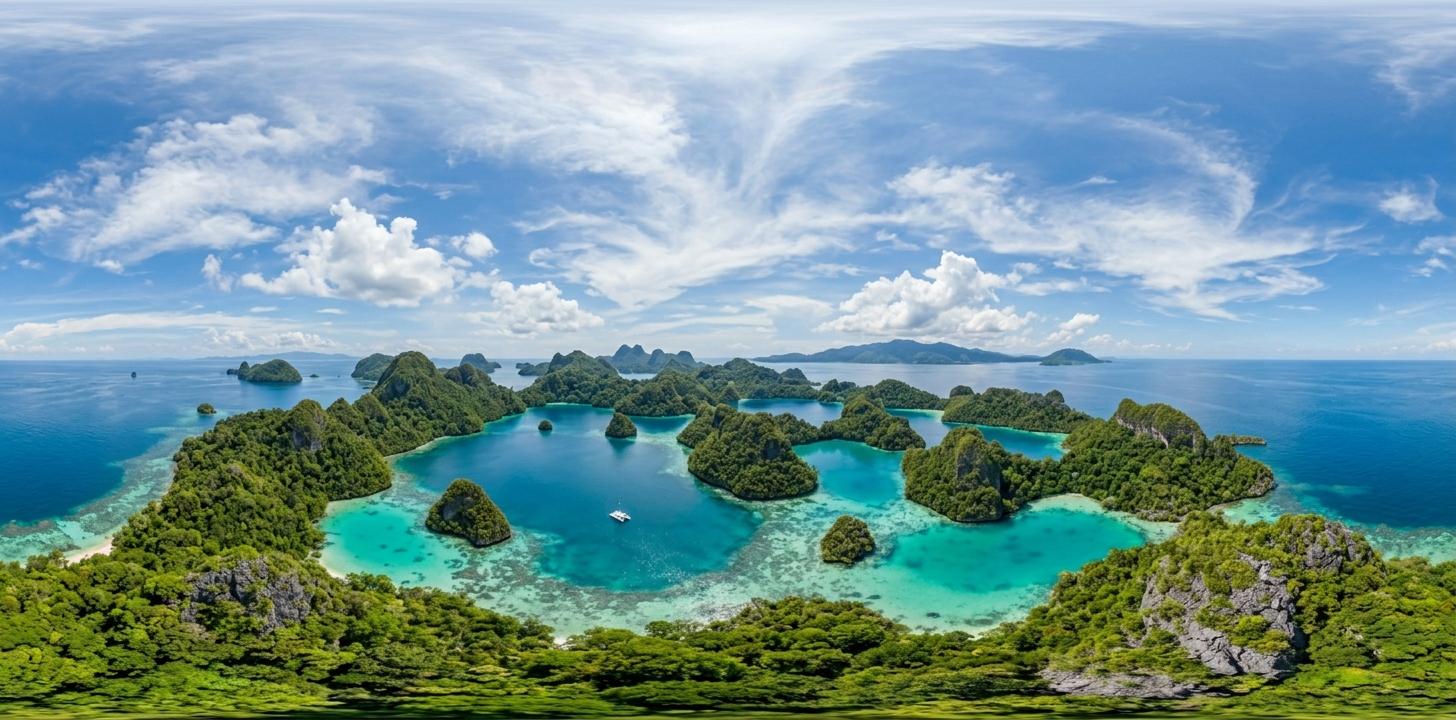
Migration from Indonesia has historically been shaped by its vast archipelago, regional mobility, and colonial ties with the Netherlands. Indonesians commonly migrated within Southeast Asia and to the Netherlands for education, employment, trade, and family connections. Overseas migration expanded after independence as students, healthcare professionals, academics, government officials, entrepreneurs, and skilled workers sought higher education and career opportunities in the United States and other countries. In recent decades, economic growth, globalization, family sponsorship, and professional opportunities have contributed to continued migration to the United States, where Indonesian immigrants have established diverse communities while maintaining strong cultural, linguistic, and family ties with their homeland.
Indonesian Migration Before Independence
Before independence, Indonesia was known as the Dutch East Indies and was administered by the Netherlands. Migration during the colonial period was influenced by agriculture, spice trade, mining, plantation work, maritime commerce, missionary education, government administration, and military service. Residents frequently travelled throughout Southeast Asia as traders, fishermen, labourers, students, civil servants, and members of extended families. Direct migration to the United States remained relatively limited because political, educational, and commercial connections were centred primarily on the Netherlands and other parts of Southeast Asia. Indonesia proclaimed independence on August 17, 1945, and after the Dutch formally recognized Indonesian sovereignty on December 27, 1949, the United States established full diplomatic relations with the new nation.
Late-Twentieth- and Early-Twenty-First-Century Immigration
Migration increased after independence as Indonesians pursued higher education, specialized careers, and improved economic opportunities abroad. Students, physicians, nurses, engineers, scientists, academics, entrepreneurs, information technology specialists, and business professionals increasingly travelled to the United States for university education, specialized employment, research, investment, or family reunification. Academic exchange programs, multinational companies, and expanding trade have continued to strengthen migration in recent decades, while family sponsorship has supported the growth of Indonesian communities across the United States. In the United States, Indonesian immigrants often rely on family networks, mosques, churches, cultural associations, alumni organizations, and professional groups for support with housing, employment, education, and social integration while preserving Bahasa Indonesia, Javanese, Sundanese, and other regional languages, traditional cuisine, music, religious practices, cultural festivals, and close relationships with relatives in Indonesia.
Lorem ipsum dolor sit amet, consectetur adipiscing elit, sed do eiusmod tempor incididunt ut
labore et dolore magna aliqua. Ut enim ad minim veniam, quis nostrud exercitation ullamco
laboris nisi ut aliquip ex ea commodo consequat. Duis aute irure dolor in
reprehenderit in voluptate velit esse cillum dolore eu fugiat nulla pariatur.
 Sign In






 Facebook
 X-Twitter
 Instagram
 Linkedin
 Youtube