Sign In






 Facebook
 X-Twitter
 Instagram
 Linkedin
 Youtube
More Information
More Information
Street Soccer in Slovenia
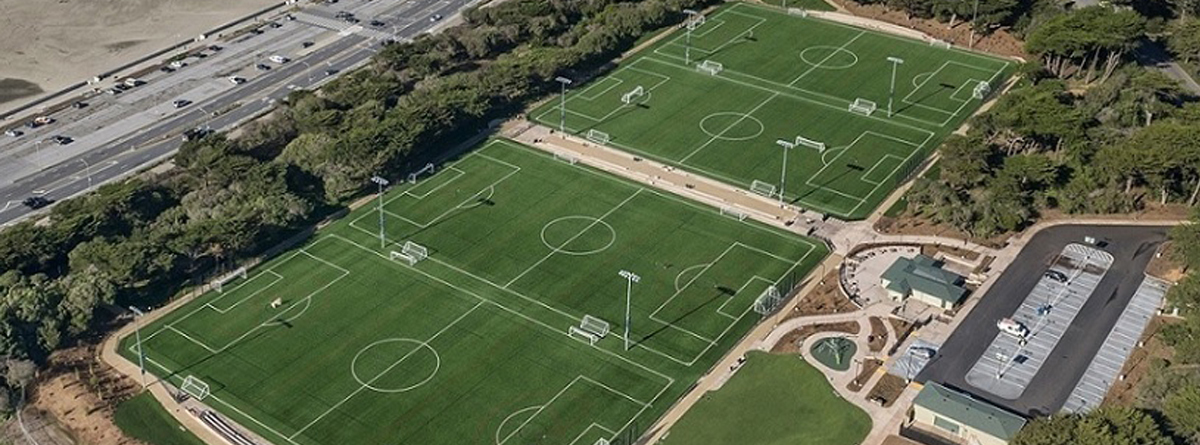
Street soccer is a popular recreational activity in Slovenia, where children and teenagers regularly gather in neighbourhood parks, school playgrounds, residential courtyards, public courts, and community sports areas to play informal football matches. These games provide an enjoyable way for young players to stay active, improve their football skills, and spend quality time with friends.
The fast-flowing nature of street soccer encourages precise passing, close ball control, creative dribbling, and intelligent movement. Playing in compact spaces challenges participants to react quickly, improve their technical ability, and develop confidence while adapting to different playing environments.
Street soccer provides an affordable and accessible way for communities across Slovenia to enjoy football without requiring professional facilities. It encourages healthy lifestyles, strengthens neighbourhood relationships, and motivates many young players to continue their development through local clubs, schools, and football academies.
Street Soccer Culture in Slovenia
Football is widely enjoyed throughout Slovenia, and street soccer is often where many children first build their connection with the sport. Informal games organised by schools, friends, and local communities create a friendly atmosphere where players of different ages and abilities can participate, learn, and compete together.
Skills Developed Through Street Soccer
Street soccer helps players improve dribbling, first touch, passing precision, shooting technique, agility, balance, ball control, and tactical awareness. Regular matches also enhance communication, creativity, confidence, composure, and the ability to make quick decisions in tight spaces.
Street Soccer and Community Development
Street soccer strengthens local communities by bringing people together through football. It encourages teamwork, sportsmanship, and positive youth engagement while providing aspiring players with valuable experience before progressing to school teams, local football clubs, academies, futsal programmes, or organised youth football competitions.
The Slovenia in the DMV Metro

- The Launch of the ASC: Established as a dedicated regional force, the American-Slovenian Club (ASC) serves to unite the tri-state community. Co-led by local diaspora executives like Saša Mrak Hendrickson, the club acts as a unifying platform bridging American entrepreneurs of Slovenian origin with local policy and business channels.
- Transatlantic Business Synergies: The ASC frequently hosts cross-cultural leadership events. They partner with institutions like the Slovenian Business Club (SBC) to run economic panels featuring high-profile executives, maximizing business outreach between Washington and Ljubljana.
- The Embassy of Slovenia: Located in the historic Kalorama neighborhood just off Embassy Row, the Embassy of the Republic of Slovenia acts as the absolute cultural, administrative, and spatial core for local families. The chancery features an expansive reception hall that functions daily as a public art gallery, a concert venue, and a lecture space.
- Science and Education Showcases: Reflecting the highly academic profile of local expats, the embassy orchestrates annual science symposiums. They work alongside the Association of Slovenes Educated Abroad (VTIS) and the Society for Slovene Studies to support Slovenian researchers, Fulbright scholars, and tech professionals working across DMV laboratories.
- Concerts and Cross-Cultural Jazz: The diaspora frequently shapes the D.C. musical landscape. The community partners with city institutions—such as co-hosting summer courtyard concert series alongside the National Geographic Museum of Exploration—to feature touring Slovenian-American jazz ensembles like the Slavo Rican Assembly, blending traditional Slovenian folk heritage with Latin jazz.
- The EU Open House Festival: Every May, the Slovenian Embassy draws thousands of DMV residents through its doors for the landmarkEU Open House event. Expats gather to showcase traditional accordion tunes, mini-basketball games, premium Slovenian honey, and custom photo ops with the Kurenti—Slovenia’s iconic, historic carnival mascots.
- Anatolian and European Wine Cultures: The community frequently organizes formalEmbassy Experiences dinners, bringing Grammy-nominated native artists like classical guitarist Mak Grgić to the District. These gatherings serve as premier social spaces where local families share authentic Slovenian food buffets and native wine varietals.
Significance
Slovenian immigration to the United States has generally reflected rural poverty, limited farmland, industrial employment, political change, war, communist rule, refugee displacement, education, professional opportunities, and family reunification.
Slovenian migration to the United States became significant during the late nineteenth and early twentieth centuries. Early arrivals included farmers, miners, steelworkers, factory labourers, railway workers, artisans, merchants, and families seeking higher wages and improved living conditions. Many settled in Ohio, Pennsylvania, Illinois, Minnesota, Wisconsin, California, and other industrial regions. Cleveland became one of the most important centres of Slovenian-American life because its expanding industries required large numbers of workers. Immigrants established Catholic parishes, newspapers, mutual-aid societies, cultural halls, singing groups, businesses, and community organisations that helped preserve the Slovenian language, religious traditions, music, food, and national identity.
Slovenian Migration Before Yugoslavia
Before Yugoslavia was created, most Slovenian lands belonged to the Habsburg monarchy and later Austria-Hungary. Migration was shaped by rural poverty, population growth, limited agricultural land, industrial change, military obligations, and employment opportunities abroad. The heaviest movement to the United States occurred from the 1890s until World War I, when many Slovenes travelled as young workers intending to earn money before returning home. They commonly found employment in coal mines, steel mills, factories, railways, construction, forestry, and agriculture. Because Slovenia was not yet an independent country, American records often classified these migrants as Austrians rather than Slovenes. World War I interrupted immigration, but another important movement followed between 1919 and 1924.
Late-Twentieth- and Early-Twenty-First-Century Immigration
After World War II, a new migration wave brought political refugees who opposed communist rule in Yugoslavia. These arrivals generally included a larger proportion of educated professionals, intellectuals, religious figures, artists, and politically active families than earlier labour migrants. Later immigrants came through university education, skilled employment, marriage, business, and family sponsorship. Slovenia declared independence from Yugoslavia in 1991, and the United States formally recognised it on April 7, 1992, establishing diplomatic relations later that year. Modern Slovenian migrants include students, scientists, engineers, healthcare workers, academics, businesspeople, and relatives joining established families. Slovenian-American communities continue preserving their heritage through churches, language programmes, festivals, cultural centres, newspapers, museums, and professional organisations.