Sign In






 Facebook
 X-Twitter
 Instagram
 Linkedin
 Youtube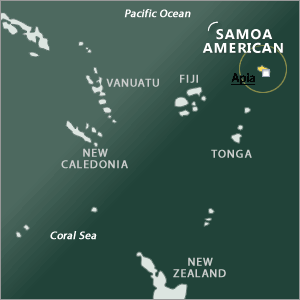
More Information
More Information
Street Soccer in American Samoa
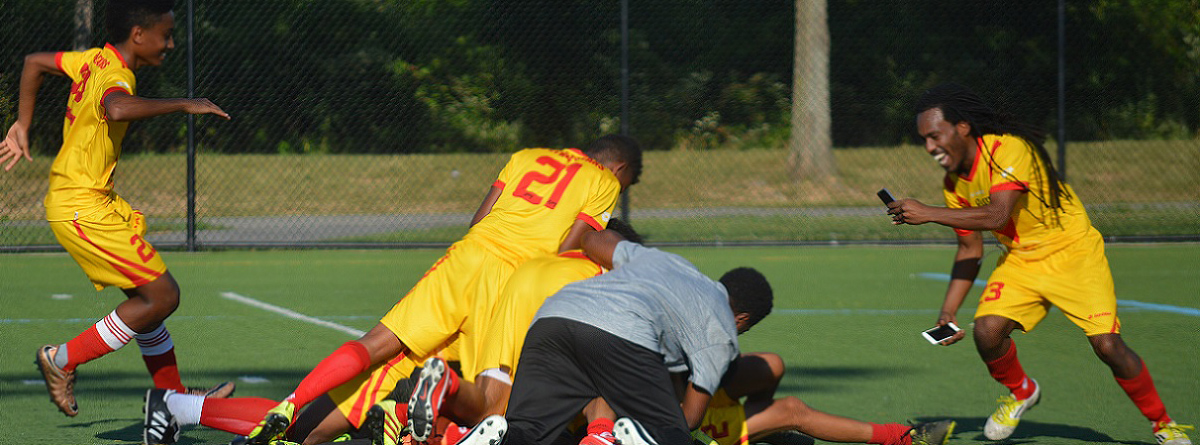
Street soccer is popular in American Samoa and is commonly played by children and teenagers in villages, school grounds, public parks, and open community spaces. Players often gather after school, during weekends, and at local community events to enjoy informal football matches.
This informal form of soccer helps young players improve teamwork, confidence, coordination, and quick decision-making. Since matches are usually played on smaller grounds with limited space, players learn to control the ball carefully and respond quickly during the game.
Street soccer also provides an accessible way for communities to enjoy the sport without requiring large stadiums or professional facilities. It encourages physical activity, friendship, and cooperation among young people from different villages.
Street Soccer Culture in American Samoa
Street soccer forms part of American Samoa’s growing football culture. Games are usually organised informally by friends, families, schools, or local communities, with simple rules and small teams that allow everyone to participate.
Skills Developed Through Street Soccer
Playing street soccer helps participants develop dribbling, passing, balance, speed, and close ball control. The fast-paced nature of the game encourages players to communicate with teammates and make quick decisions while under pressure.
Street Soccer and Community Development
Street soccer brings young people together and strengthens relationships within local communities. It also creates opportunities for talented players to develop their abilities before joining school teams, community clubs, or organised football programmes.
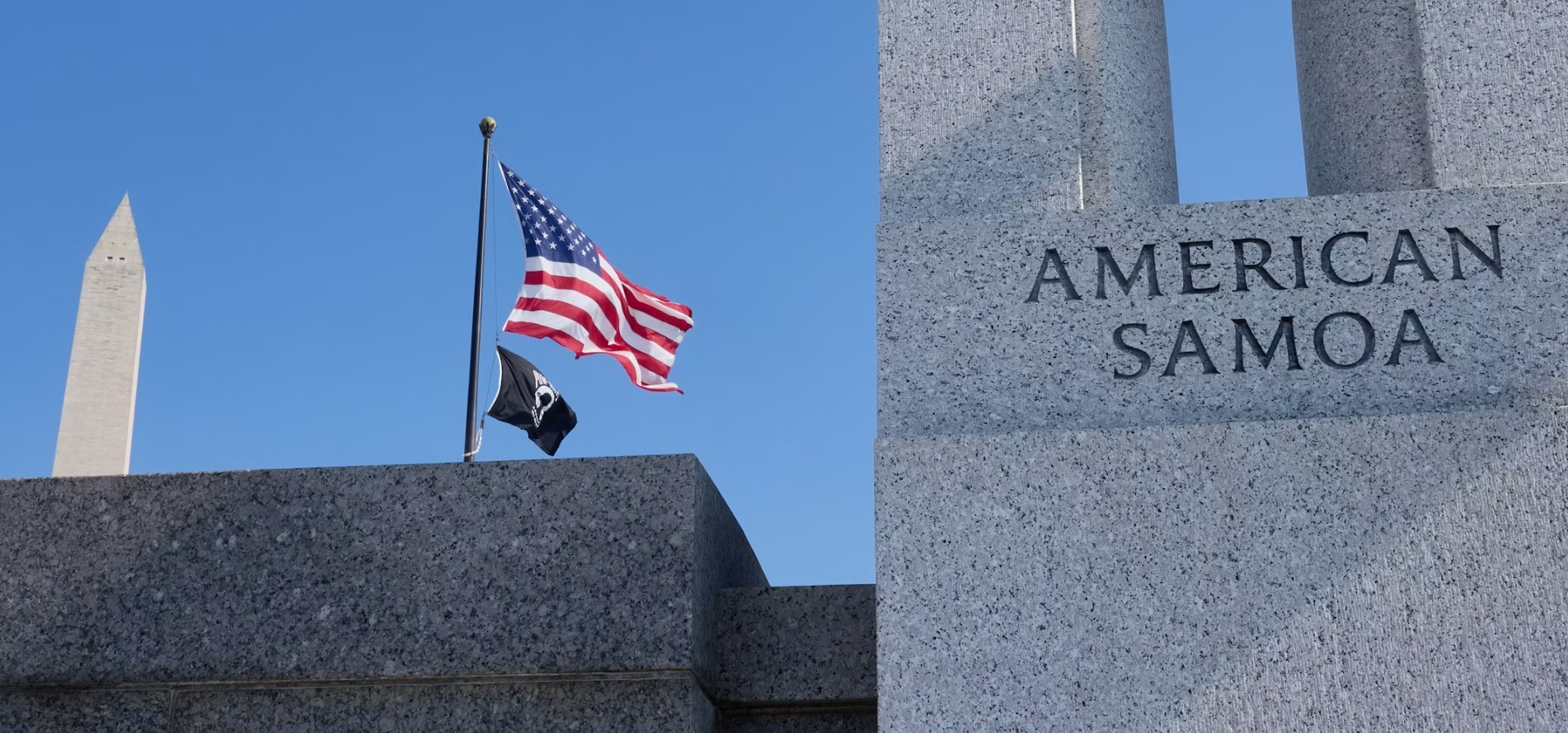
The A. Samoan in the DMV Metro

- The American Samoa Society of Washington, DC: A primary local organization helping connect the diaspora, hosting activities, and maintaining community ties in the metropolitan region. Contact can be reached via their The American Samoa Society of Washington.
- Faith and Cultural Groups: Regional networks like the Asian and Pacific Catholic Network (APCN) and local diocese ministries engage with Pacific Islander and Samoan community members in the D.C. and Arlington areas.
- Military and Federal Presence: A notable portion of the DMV-based diaspora and transient community consists of individuals connected to federal service, government, and military installations across the mid-Atlantic East Coast (such as nearby bases in Virginia and the D.C. policy sphere).
- Broader Context: While major U.S. Samoan population clusters traditionally reside in the West Coast (California, Washington), Hawaii, and parts of Utah and Nevada, the DMV diaspora functions largely around professional, military, and governmental representation relating to the U.S. territory.
Significance
American Samoan migration to the United States has generally reflected military service, family relationships, education, employment opportunities, and the territory’s political association with the United States.
American Samoan migration developed from long-established Polynesian traditions of travel, trade, marriage, and family connections between Pacific islands. Movement to Hawaii and the continental United States increased after American Samoa came under U.S. administration in 1900. During and after World War II, military service, government employment, education, healthcare, and higher-paying jobs encouraged many residents to relocate. American Samoan communities gradually developed in Hawaii, California, Washington, Utah, and other states. Migrants continued to maintain close relationships with their home islands through family support, church organisations, cultural events, financial assistance, and the preservation of the Samoan language and traditional way of life.
American Samoan Migration Before U.S. Administration
Migration across the Samoan Islands existed centuries before European contact, as Polynesian navigators travelled between islands for fishing, trade, agriculture, marriage, political alliances, and family responsibilities. European explorers, missionaries, merchants, and naval powers began arriving during the eighteenth and nineteenth centuries. Pago Pago’s protected harbour attracted international interest because it provided a useful location for ships travelling across the Pacific. Competition among foreign powers eventually divided the Samoan archipelago. In 1900, the traditional leaders of Tutuila transferred authority over the island to the United States. Despite increasing foreign influence, Samoan communities continued to preserve fa’a Samoa, or the Samoan way of life.
Twentieth-Century Migration
American Samoan migration increased during the twentieth century as transportation and economic connections with the United States expanded. Pago Pago developed as an American naval station, while World War II introduced military activity, infrastructure projects, wage employment, and greater contact with other Pacific territories. After the war, many American Samoans moved to Hawaii and the continental United States for military service, education, healthcare, professional employment, and family reunification. Limited land and employment opportunities also encouraged families to settle elsewhere. Samoan churches, cultural associations, and extended-family networks helped new arrivals preserve their language, religious traditions, community responsibilities, and close relationships with relatives living in American Samoa.