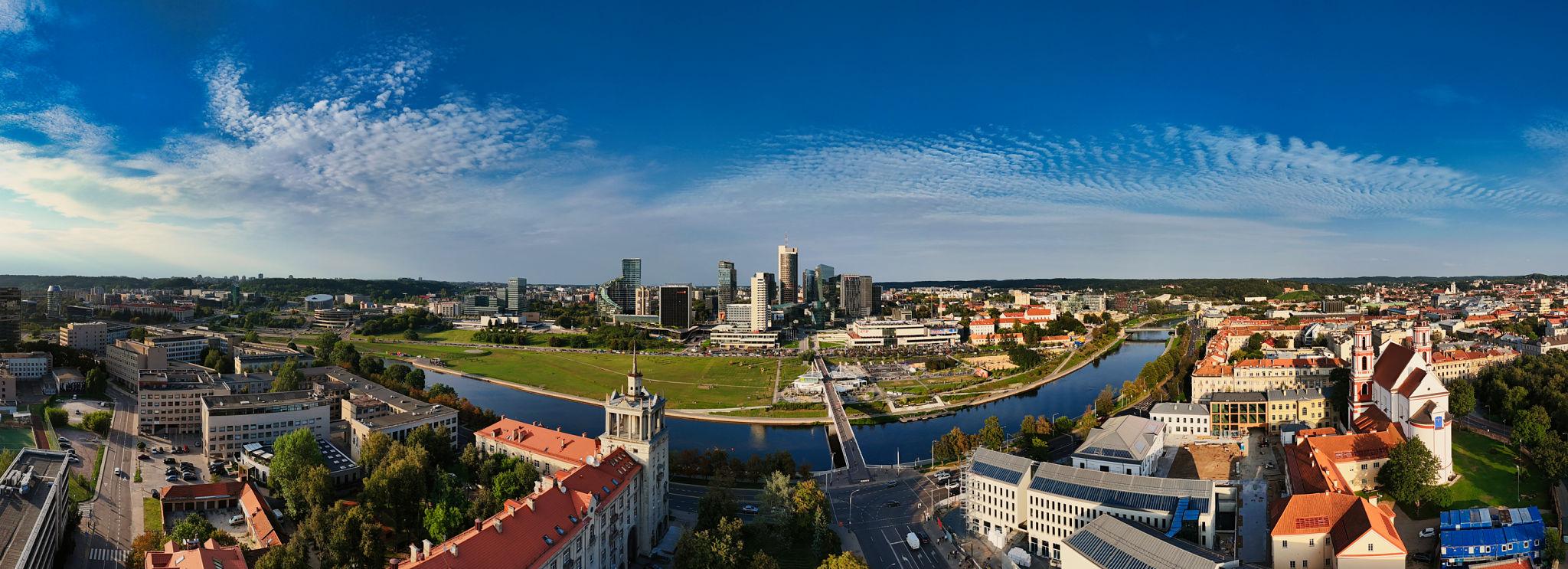
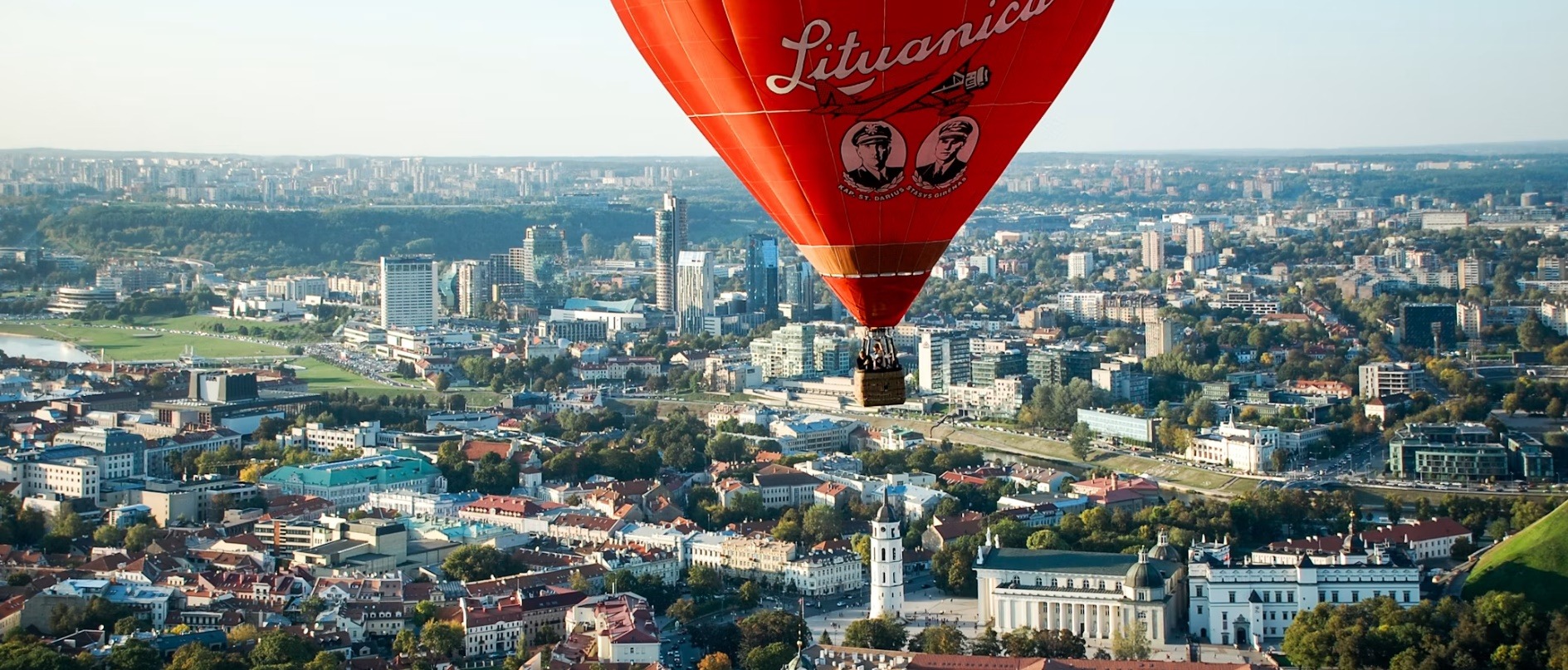
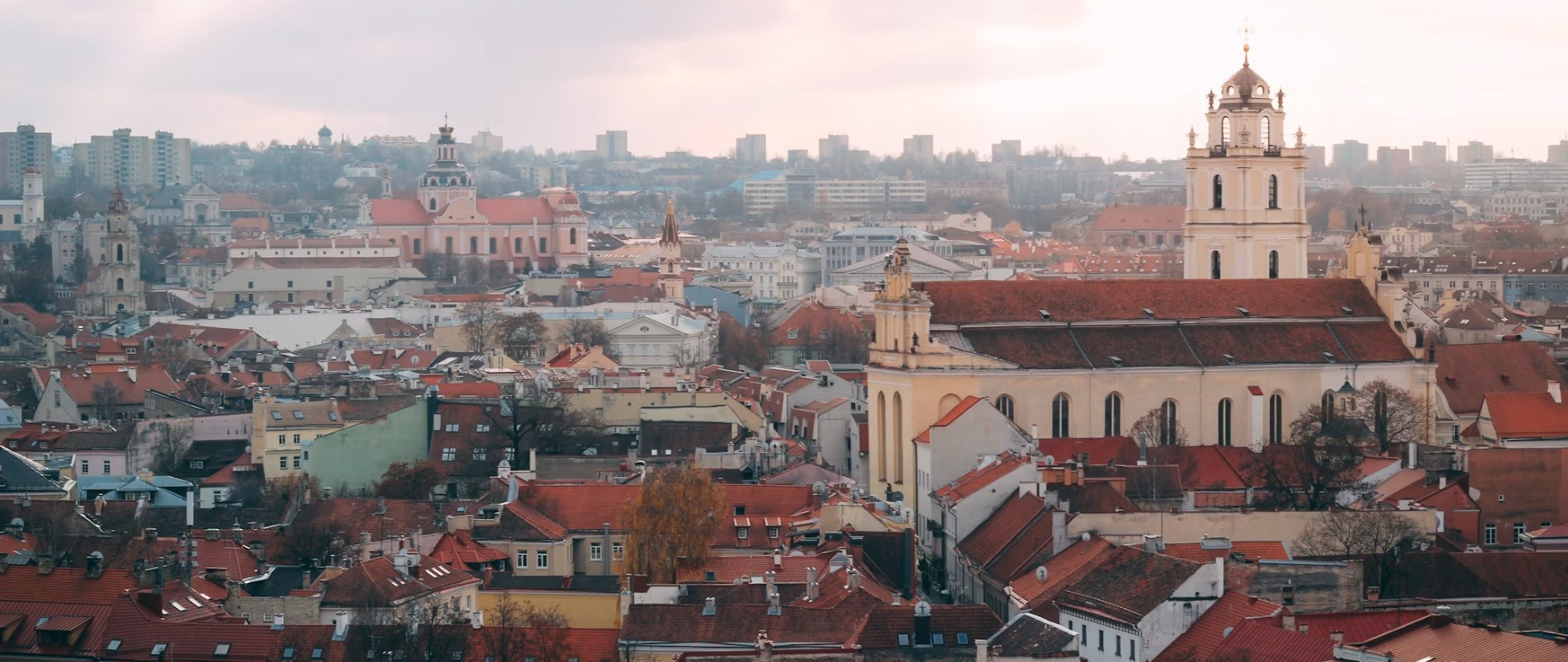
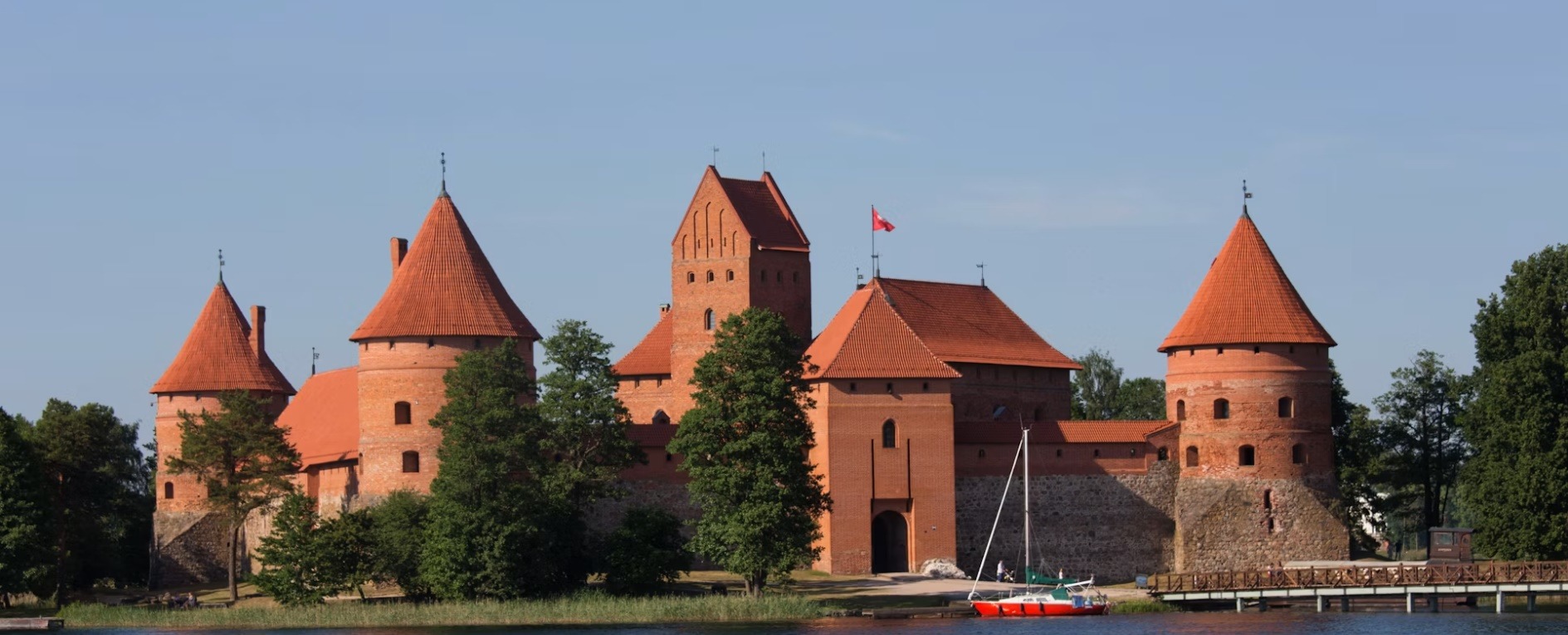
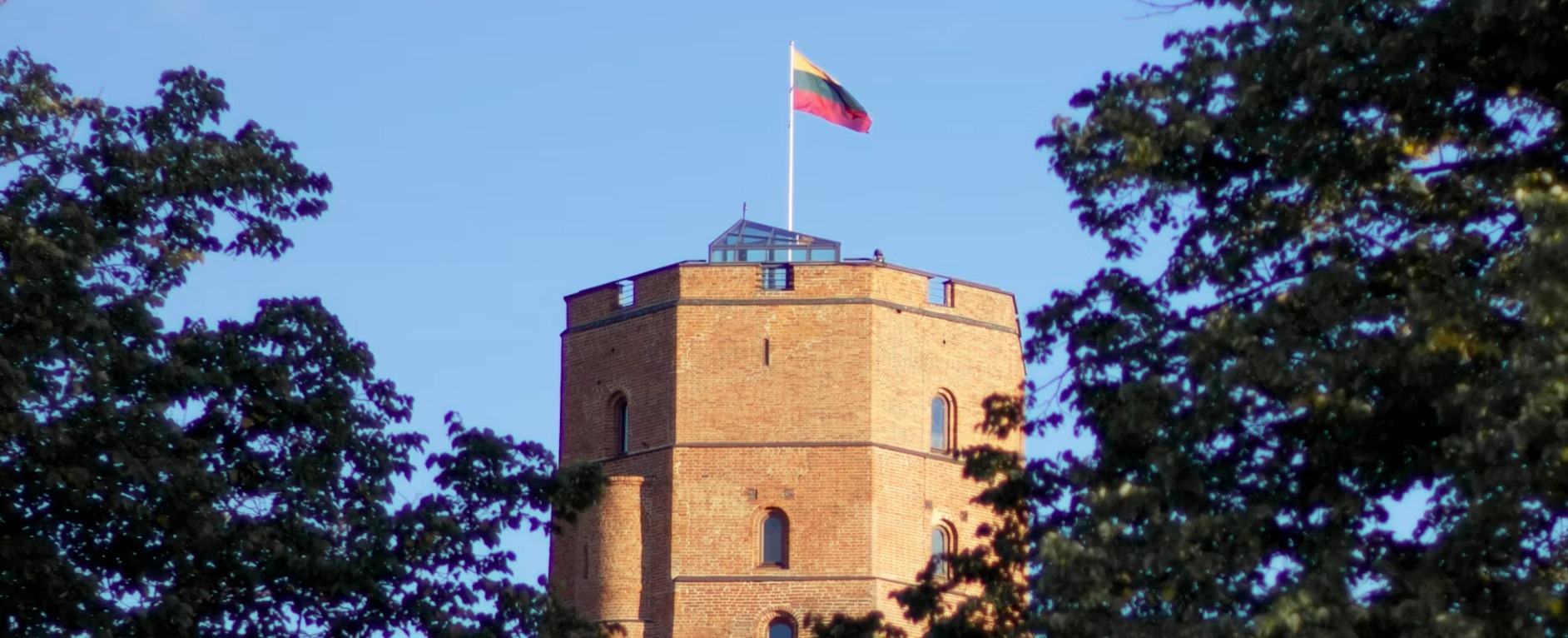
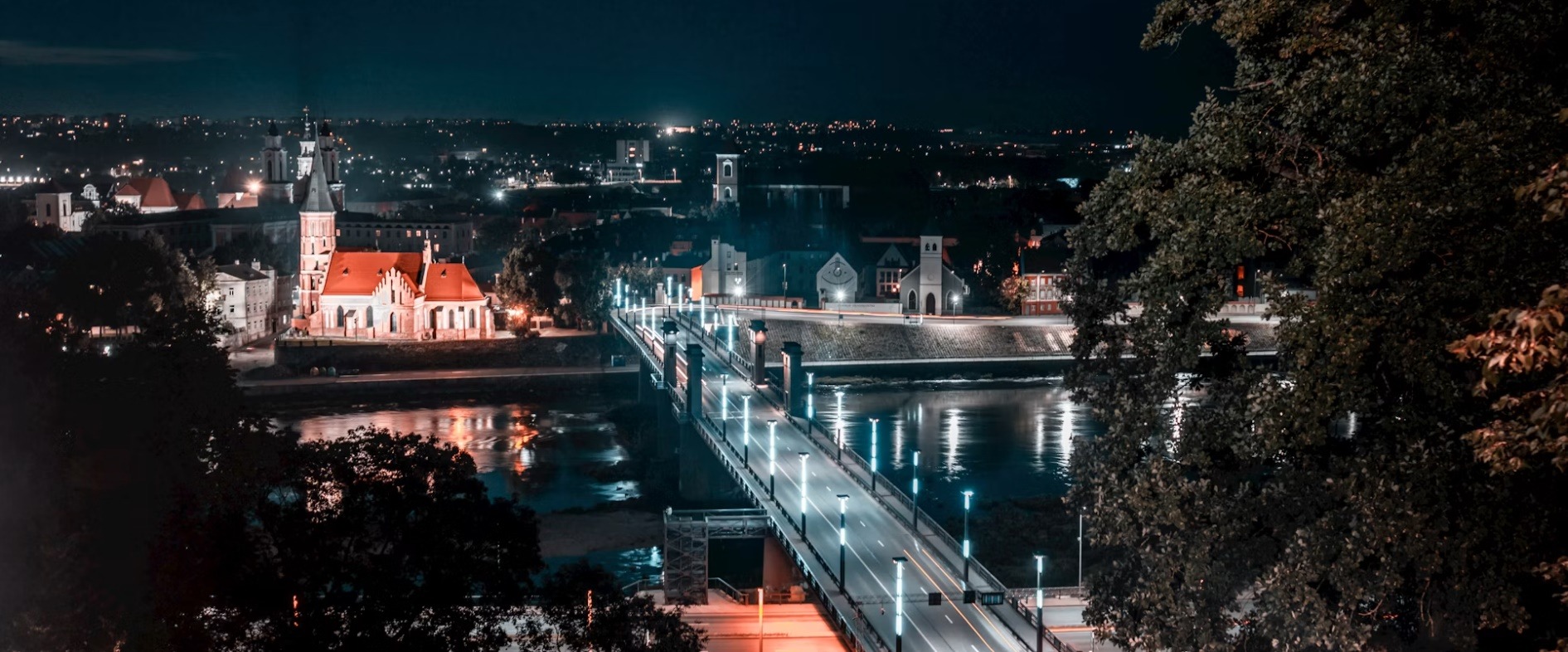
Significance
Immigration from Lithuania has generally reflected the legacy of the Russian Empire and the Soviet Union, political change, war, economic opportunity, educational advancement, professional employment, family reunification, and international business.
Migration from Lithuania has played an important role in the history of the United States since the late nineteenth century. Large numbers of Lithuanians emigrated during periods of political oppression, economic hardship, and social change under the Russian Empire, seeking greater opportunity and religious freedom abroad. Additional waves of migration followed the First and Second World Wars and the Soviet occupation, when many Lithuanians fled persecution or sought refuge in Western countries. Following the restoration of Lithuanian independence in 1990, migration increasingly reflected higher education, professional employment, entrepreneurship, and international business. Today, Lithuanian immigrants in the United States maintain strong cultural, linguistic, and family ties with their homeland.
Lithuanian Migration Before Independence
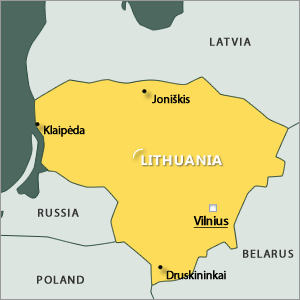
Before independence, Lithuania formed part of the Russian Empire after the partitions of the Polish-Lithuanian Commonwealth. Migration during the late nineteenth and early twentieth centuries was influenced by economic hardship, industrialization, political repression, military conscription, and religious discrimination. Many Lithuanians emigrated to the United States as farmers, miners, factory workers, craftsmen, merchants, teachers, and skilled laborers, establishing communities throughout the Midwest and Northeast. Lithuania first declared independence on February 16, 1918, but the country was occupied and incorporated into the Soviet Union during the Second World War. International migration remained limited during the Soviet period because foreign travel was tightly controlled. Lithuania restored its independence on March 11, 1990, becoming the first Soviet republic to declare the restoration of its independence, and the United States strengthened diplomatic relations with the restored state.
Late-Twentieth- and Early-Twenty-First-Century Immigration
Migration increased after the restoration of independence as economic reforms, globalization, and expanding educational opportunities encouraged many Lithuanians to pursue careers abroad. Students, physicians, engineers, scientists, academics, entrepreneurs, information technology specialists, researchers, and business professionals increasingly travelled to the United States for university education, specialized employment, research, investment, or family reunification. Academic exchange programs, multinational companies, and scientific collaboration have continued to support migration in recent decades. In the United States, Lithuanian immigrants often rely on family networks, churches, Lithuanian cultural organizations, alumni associations, and professional groups for support with housing, employment, education, and community integration while preserving the Lithuanian language, traditional cuisine, music, cultural heritage, religious traditions, and close relationships with relatives in Lithuania
 Sign In









 Facebook
 X-Twitter
 Instagram
 Linkedin
 Youtube