 Sign In








 Facebook
 X-Twitter
 Instagram
 Linkedin
 Youtube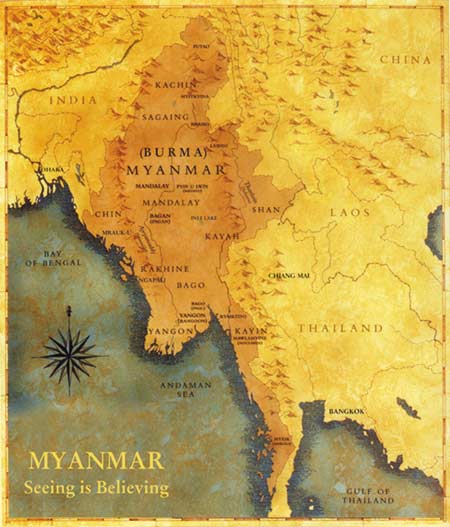
More Information
More Information
Street Soccer in Myanmar (Burma)
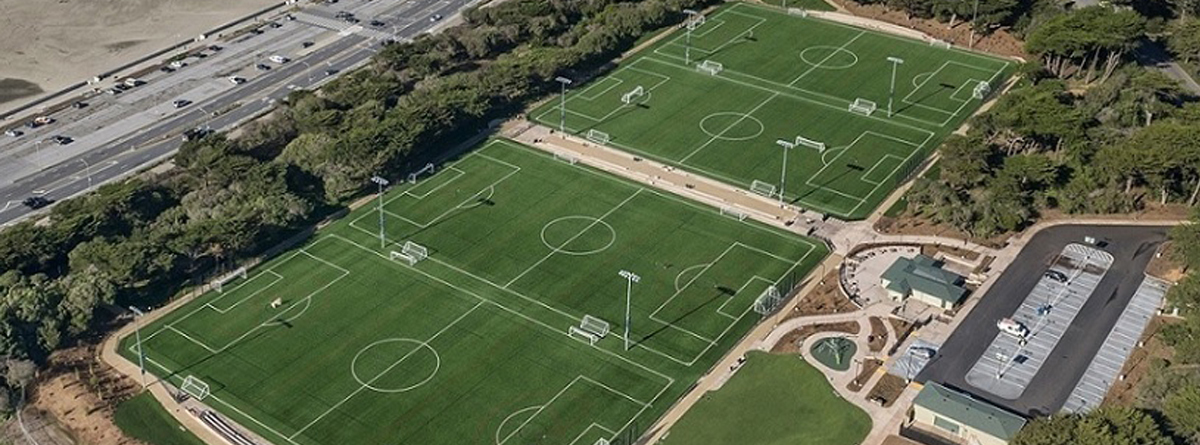
Street soccer is a popular activity in Myanmar (Burma), where children and teenagers regularly play football in neighbourhood streets, school playgrounds, monastery grounds, public parks, and community open spaces. These informal matches provide a fun way for young people to stay active while enjoying the game with friends and family.
Playing on smaller pitches helps participants improve close ball control, accurate passing, quick footwork, and teamwork. The fast pace of street soccer encourages creativity and confidence, allowing players to develop their football skills through regular practice and friendly competition.
Street soccer offers an accessible and affordable way for communities across Myanmar to enjoy football without requiring professional facilities. It promotes healthy lifestyles, strengthens friendships, and inspires many young players to continue their passion for the sport.
Street Soccer Culture in Myanmar (Burma)
Football is widely followed in Myanmar, and street soccer plays an important role in introducing children to the game. Friendly matches organised by neighbours, schools, and local communities create a welcoming atmosphere where players of all ages and abilities can participate.
Skills Developed Through Street Soccer
Street soccer helps players improve dribbling, first touch, passing accuracy, agility, balance, close ball control, and awareness. Regular play also develops communication, quick decision-making, and confidence in different match situations.
Street Soccer and Community Development
Street soccer brings communities together through a shared love of football while encouraging active participation among young people. It also provides aspiring players with a strong foundation before progressing to school teams, local football clubs, or organised youth football programmes.
The Burma in the DMV Metro

- Diverse Ethnic Makeup: The community reflects Myanmar’s diverse population, comprising the majority Bamar (Burman) group alongside significant ethnic minority groups such as the Chin, Karen, and Rohingya.
- Resettlement Hubs: Families and individuals are predominantly settled in the greater Washington, D.C. metro area, with highly active sub-communities in Ellicott City, Maryland, and Frederick, Maryland.
- Dual Immigrant Profile: The population consists of older waves of highly educated professionals, diplomats, and students, alongside more recent waves of refugees fleeing political persecution and civil conflict following the 1962, 1988, and 2021 military coups.
- Burma-America Buddhist Association: Located in Silver Spring, Maryland, this primary monastery serves as the cultural and spiritual anchor for Burmese-American Buddhists in the metro area. It hosts resident monks, Dhamma meetings, meditation sessions, and traditional holy festivals.
- Burma Research Institute Ellicott City: Based in Ellicott City, Maryland, this non-profit focuses heavily on research, congressional briefings, and advocacy for human rights and religious freedom in Myanmar. It also directly empowers and integrates the local Chin community in Maryland.
- Burmese American Resource Network (BARN): Operating out of Frederick, Maryland, this vital resource network provides newly arrived refugees and immigrants with legal aid, healthcare navigation, career development, and English classes. They also provide critical interpretation services spanning over 15 distinct languages spoken in Myanmar (including Karen, Chin, Shan, and Rohingya).
Significance
Burmese immigration to the United States has generally reflected British colonial rule, political repression, military government, ethnic conflict, refugee displacement, education, professional employment, and family reunification.
Burmese migration to the United States remained relatively limited until the late twentieth century. Early arrivals from Burma—officially known as Myanmar—mainly included students, diplomats, merchants, sailors, academics, and professionals seeking education or specialised work. Migration increased after decades of military rule, economic hardship, political persecution, and armed conflict between the central government and ethnic minority groups. Karen, Karenni, Chin, Kachin, Shan, Rohingya, and other communities fled to Thailand, Malaysia, Bangladesh, and India before some were admitted to the United States as refugees. Large-scale American resettlement from camps along the Thailand–Burma border began during the 2000s, helping establish Burmese communities in Indiana, California, New York, Minnesota, Texas, and other states.
Burmese Migration Before Military Rule
Before military rule, migration was shaped by British colonisation, regional commerce, World War II, independence, and early ethnic conflicts. Britain gradually took control of Burma during the nineteenth century and administered it as part of British India before making it a separate colony in 1937. Residents travelled within the British Empire as soldiers, sailors, civil servants, traders, students, and labourers, but direct settlement in the United States remained uncommon. Burma experienced extensive destruction during World War II and became independent from Britain on January 4, 1948. The United States had already established diplomatic relations with Burma in 1947. Political instability and armed rebellions followed independence, causing some officials, students, professionals, and members of ethnic communities to seek safety or opportunities abroad.
Late-Twentieth- and Early-Twenty-First-Century Immigration
Burmese immigration increased after the military seized power in 1962 and imposed authoritarian rule, economic restrictions, censorship, and political repression. The suppression of nationwide demonstrations in 1988 and continuing military campaigns against ethnic minorities forced many people into exile or refugee camps in neighbouring countries. Beginning in 2005, the United States supported a major group-resettlement programme for refugees living along the Thai border; by 2014, more than 70,000 Myanmar refugees from those camps had been resettled in the United States. New arrivals often needed assistance with English, employment, housing, healthcare, and education. Churches, Buddhist monasteries, mosques, community associations, and refugee organisations helped families rebuild their lives while preserving Burmese and ethnic languages, food, music, religious practices, festivals, and connections with relatives abroad
Latest Fixtures & Results
| 04.03.2027 |  |
Burma | - |  |
Bangladesh |
| 04.10.2027 |  |
Algeria | - | |
Burma |
| 04.17.2027 | |
Burma | - |  |
Montenegro |
| 04.24.2027 |  |
Spain | - | |
Burma |
| 05.01.2027 | |
Burma | - |  |
Afghanistan |
| 05.08.2027 |  |
Sweden | - | |
Burma |
| 05.15.2027 | |
Burma | - |  |
Switzerland |
| 05.22.2027 |  |
Malta | - | |
Burma |
| 05.29.2027 | |
Burma | - |  |
Costa R. |
