


Responsive Header
  • Where We Work
  • Cameroon
  • The Diaspora World Cup operates in some of the major cities and metro areas in United States and Canada. Our network of register players includes 20 cities, 200 countries, 400 teams, and 10,000 players. Join our movement to solve the world's most pressing challenges: Illiteracy
  • Who We are text will be here Who We are text will be here Who We are text will be here Who We are text will be here Who We are text will be here Who We are text will be here Who We are text will be here Who We are text will be here Who We are text will be here
  • What We Do text will be here What We Do text will be here What We Do text will be here What We Do text will be here What We Do text will be here What We Do text will be here What We Do text will be here What We Do text will be here What We Do text will be here What We Do text will be here What We Do text will be here What We Do text will be here
  • Get Involved text will be here Get Involved text will be here Get Involved text will be here Get Involved text will be here Get Involved text will be here Get Involved text will be here Get Involved text will be here Get Involved text will be here Get Involved text will be here Get Involved text will be here
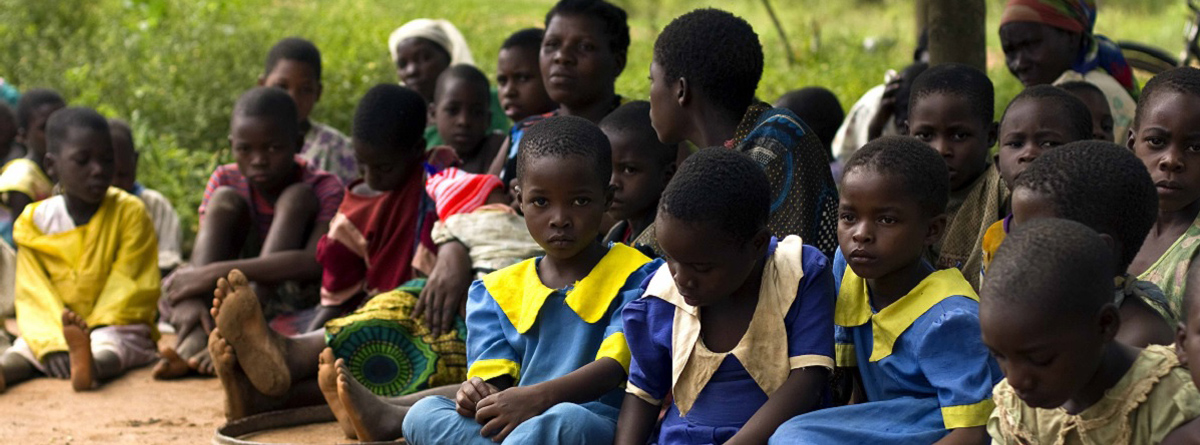
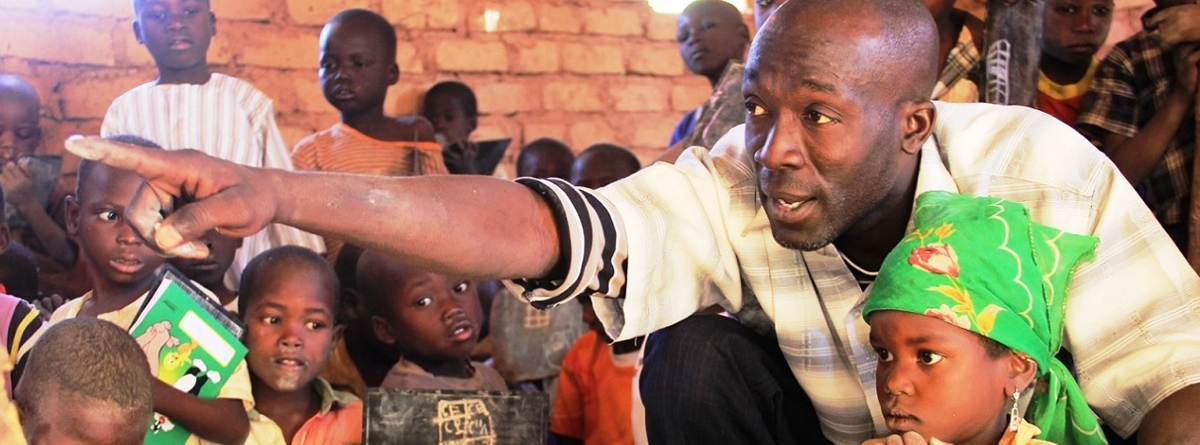
  • Education is a basic Human Right and the Diaspora World Cup global school program focuses its energy in some the poorest countries around the world. We build schools in some of the poorest countries around the worldthat historically had no adequate school structure. Any member of the World Diaspora has the power to end illiteracy around the world through the power of soccer.
  • High-profile sport figures, global leaders, business leaders, political figure, journalists, activists, philanthropists, actors, and entrepreneurs united by their commitment to the Diaspora World Cup mission to eradicate illiteracy around the world through the power of soccer. They serve as role models and spread the Diaspora World Cup vision and commitment of a world mobilized through soccer.
  •  
  •  
Diaspora 2027: complete guide to all players | The Diaspora
THAILAND
Gaithersburg – M. Village
Welcome to the 2027 Diaspora World Cup.
Gaithersburg – M. Village

Significance

Thai migration has generally reflected regional trade, family relationships, education, employment opportunities, economic development, and the search for higher wages in other Asian countries, the Middle East, Europe, Australia, and the United States.

Thai migration developed from long-established Southeast Asian traditions of travel, trade, marriage, agriculture, and family connections between neighbouring territories. Movement across present-day Thailand, Myanmar, Laos, Cambodia, Malaysia, and southern China existed centuries before modern borders were created. Migration increased during the nineteenth and twentieth centuries as transportation, urban development, education, and international employment opportunities expanded. From the 1970s onward, many Thai workers travelled to the Middle East and East Asia for construction, factory, agricultural, and service-sector employment. Thai communities gradually developed in the United States, Australia, Japan, South Korea, Taiwan, and European countries. Migrants continued to maintain close relationships with Thailand through family support, religious organisations, cultural events, financial assistance, and the preservation of the Thai language and traditional customs.

Thai Migration Before the Twentieth Century

Migration across mainland Southeast Asia existed centuries before the formation of modern Thailand, as Tai-speaking peoples and other communities travelled in search of fertile land, water, security, trade opportunities, marriage, and new settlements. Mon, Khmer, Lao, Malay, Chinese, and other groups also contributed to the development of the region’s population. Kingdoms such as Sukhothai and Ayutthaya attracted merchants, religious travellers, craftspeople, soldiers, and workers from neighbouring territories and other parts of Asia. Chinese migration increased during the eighteenth and nineteenth centuries as merchants and labourers participated in shipping, trade, rice production, canal construction, and urban development. Although Siam remained independent from European colonial rule, expanding international commerce created stronger economic, transportation, and cultural connections with foreign countries.

Twentieth-Century Migration

Thai migration increased during the twentieth century as industrialisation, education, transportation, and international labour markets expanded. Many rural residents moved to Bangkok and other cities for factory, construction, government, and service-sector employment. During the 1970s and 1980s, large numbers of Thai workers travelled to Middle Eastern countries where construction projects created demand for foreign labour. Later, Japan, Taiwan, South Korea, Singapore, Malaysia, Brunei, and Israel became important destinations for Thai workers. Others moved to the United States, Australia, and Europe for education, marriage, professional employment, and family reunification. Thai Buddhist temples, cultural associations, businesses, and extended-family networks helped new arrivals preserve their language, religious traditions, community responsibilities, and close relationships with relatives living in Thailand.

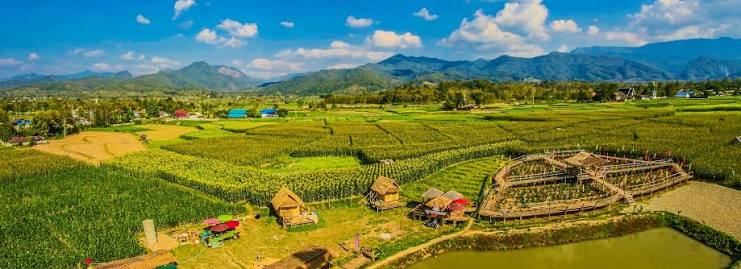
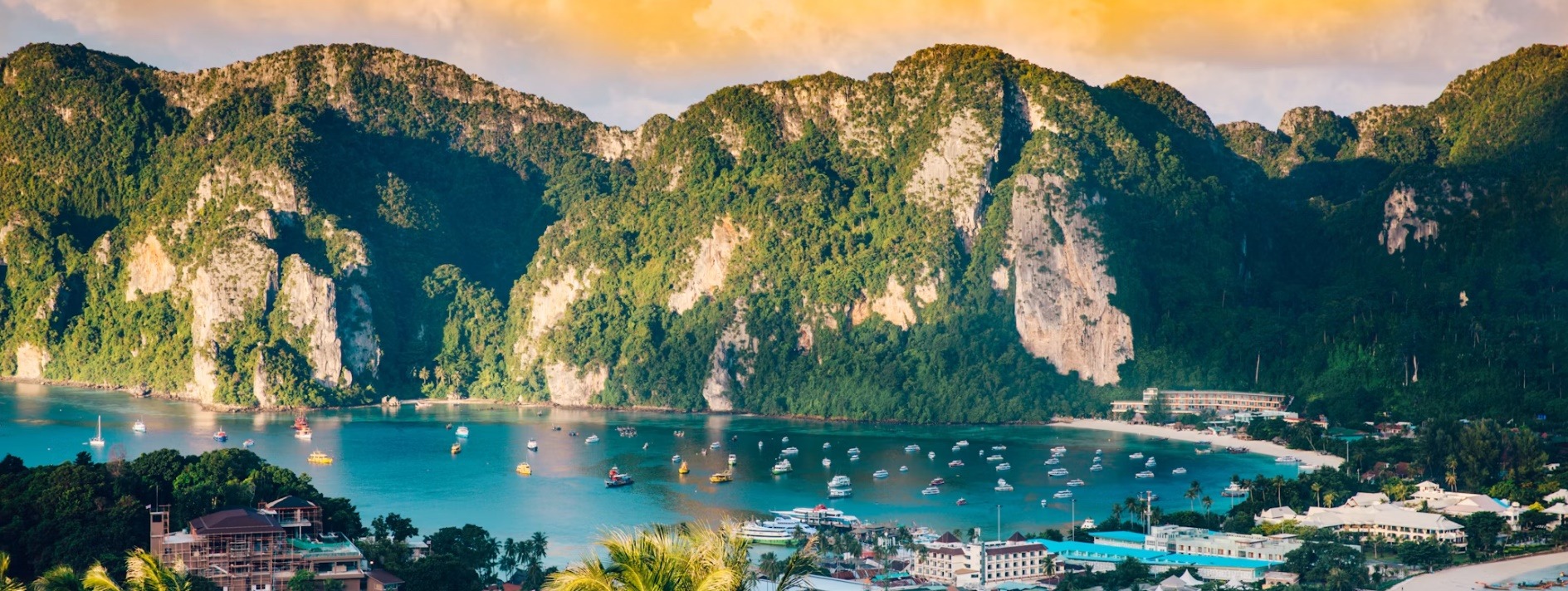
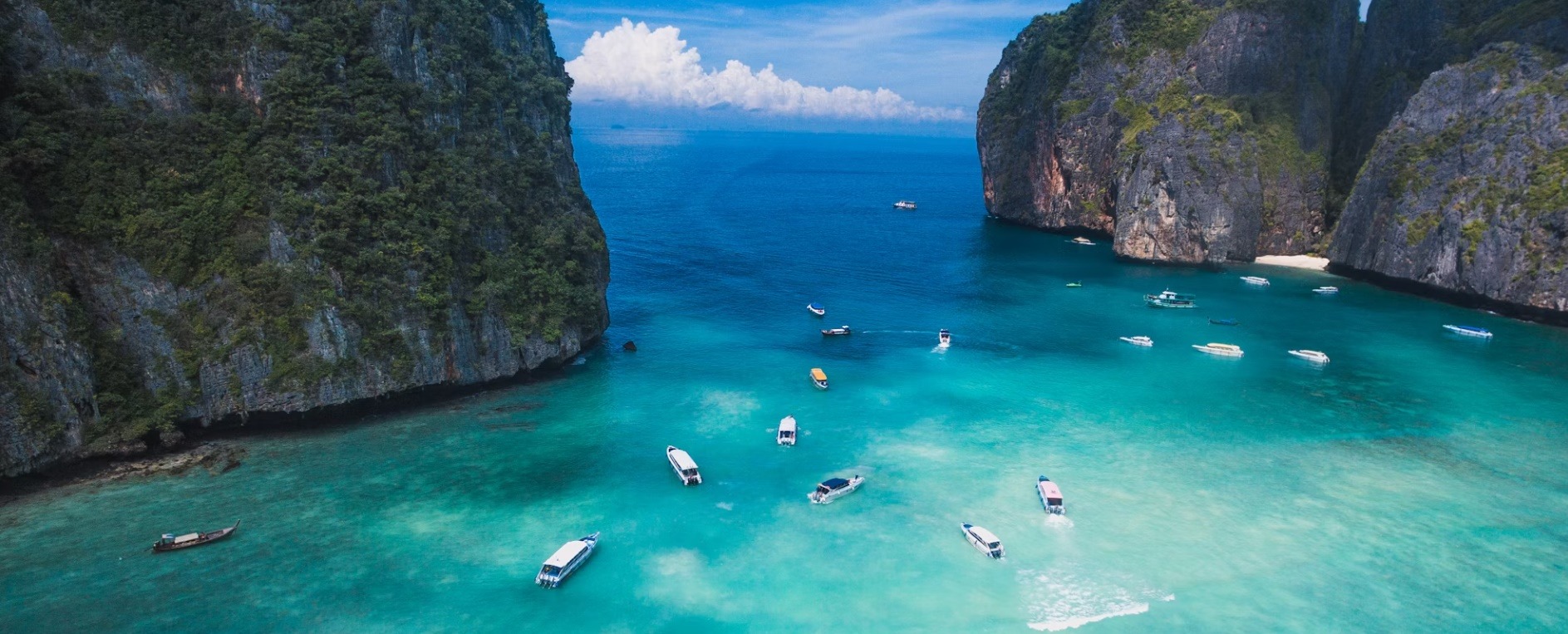
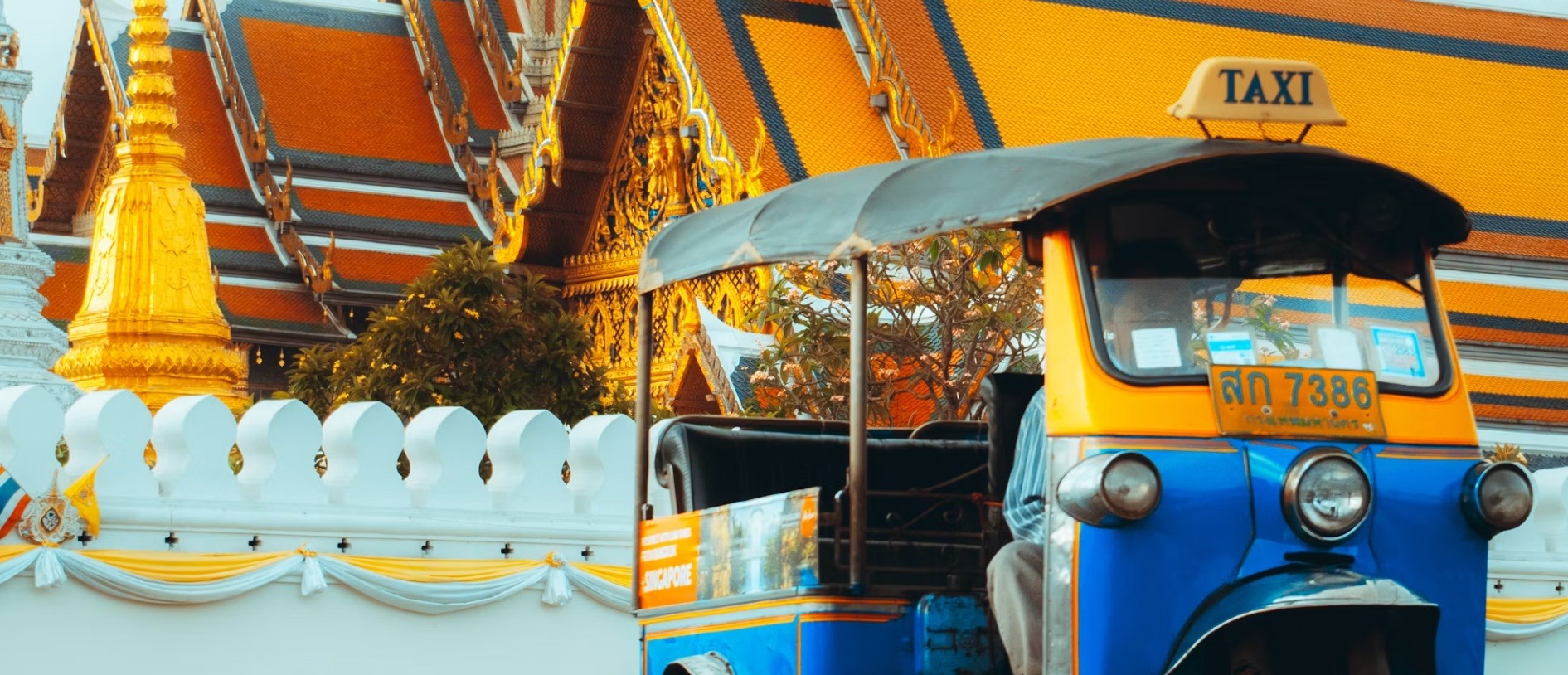
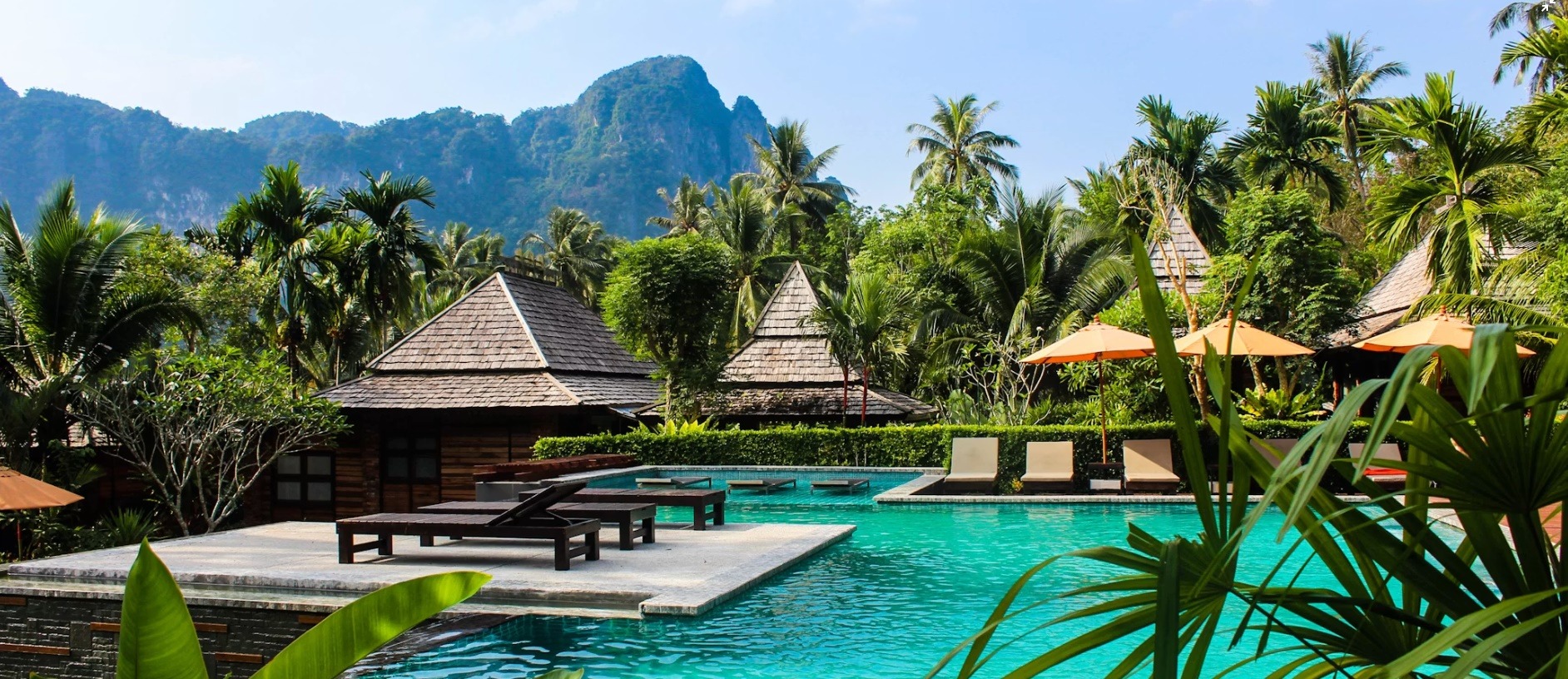
Thailand country image
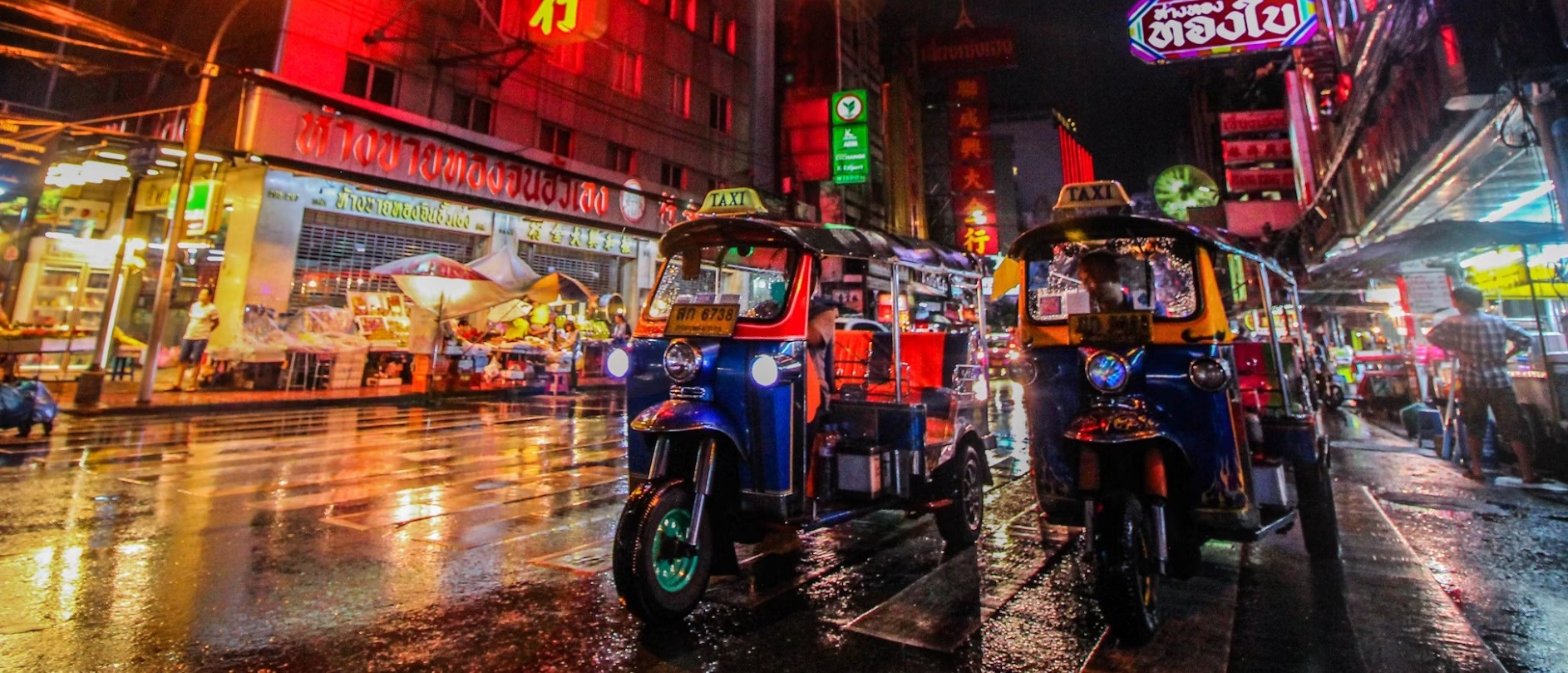
Thailand overview image
Thailand anthem image

Team Standings

Teams Mp W D L GF GA Pt
A. Samoa A. Samoa 0 0 0 0 0 0 0
Bhutan Bhutan 0 0 0 0 0 0 0
Cambodia Cambodia 0 0 0 0 0 0 0
China China 0 0 0 0 0 0 0
Iraq Iraq 0 0 0 0 0 0 0
Lithuania Lithuania 0 0 0 0 0 0 0
Philippines Philippines 0 0 0 0 0 0 0
Sri Lanka Sri Lanka 0 0 0 0 0 0 0
Syria Syria 0 0 0 0 0 0 0
Thailand Thailand 0 0 0 0 0 0 0

Squad List

Bless Atabong
Midfielder
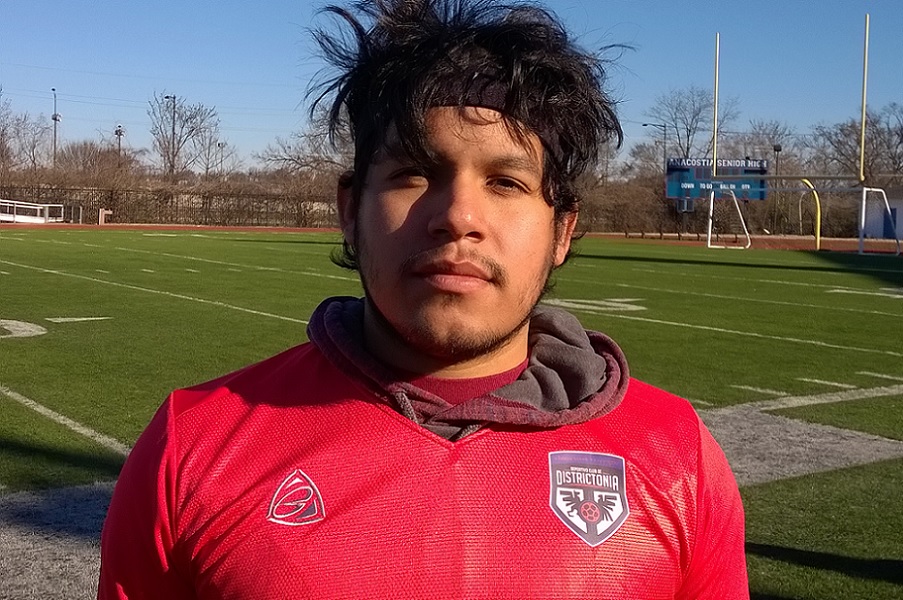
Erick Lozano
Midfielder
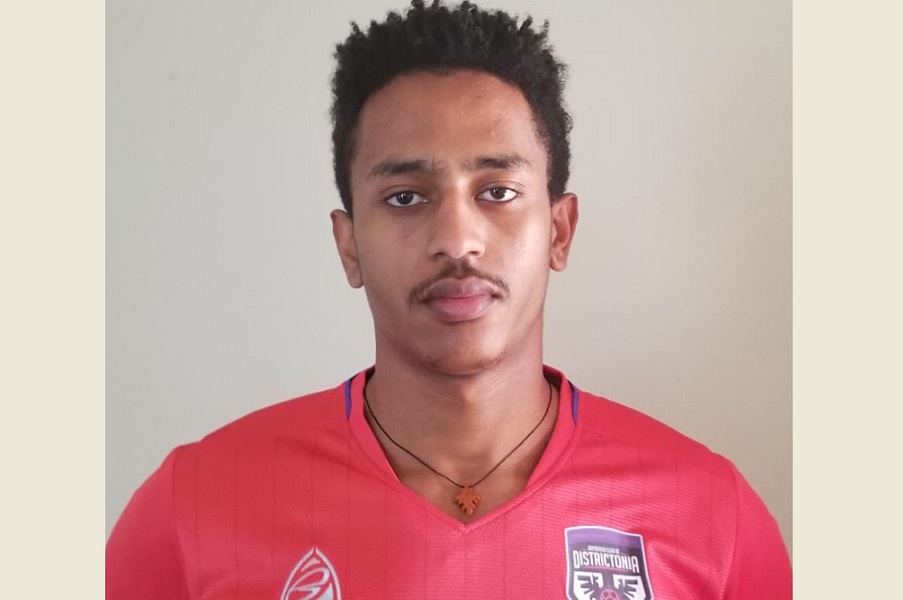
Erkyihun Asresah
Midfielder

Huthman Orelesi
Midfielder
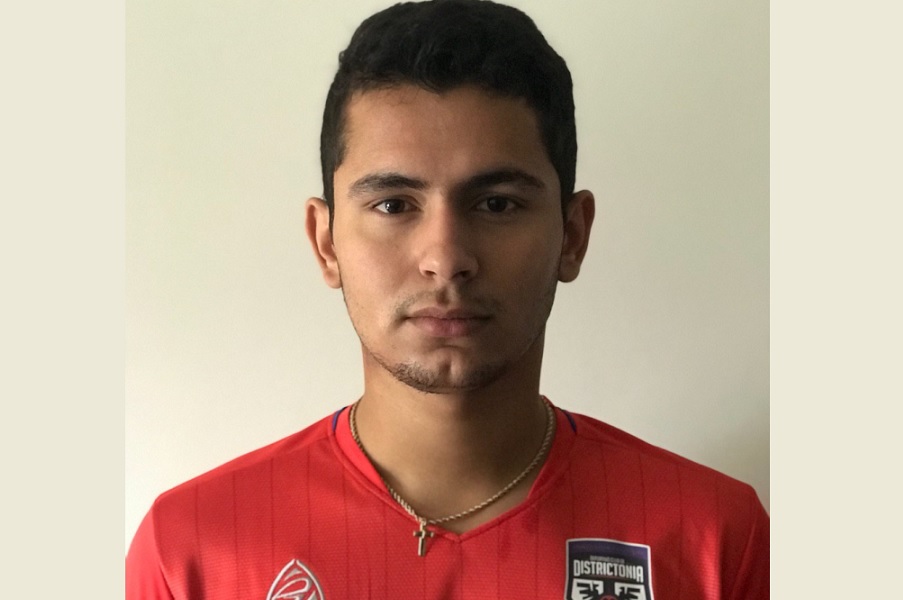
Jaime Salazar
Midfielder

Jasper Muwud
Defender
Jesus E. G. Solis
Goalkeeper

Juan C. Castillo
Forward
Jules I. Djomo
Forward

Lanfranco N.
Forward

Marvin Lemus
Defender

Mathieu Assale
Goalkeeper
Matteo Sabbata
Defender

Njie T. Tanjong
Midfielder
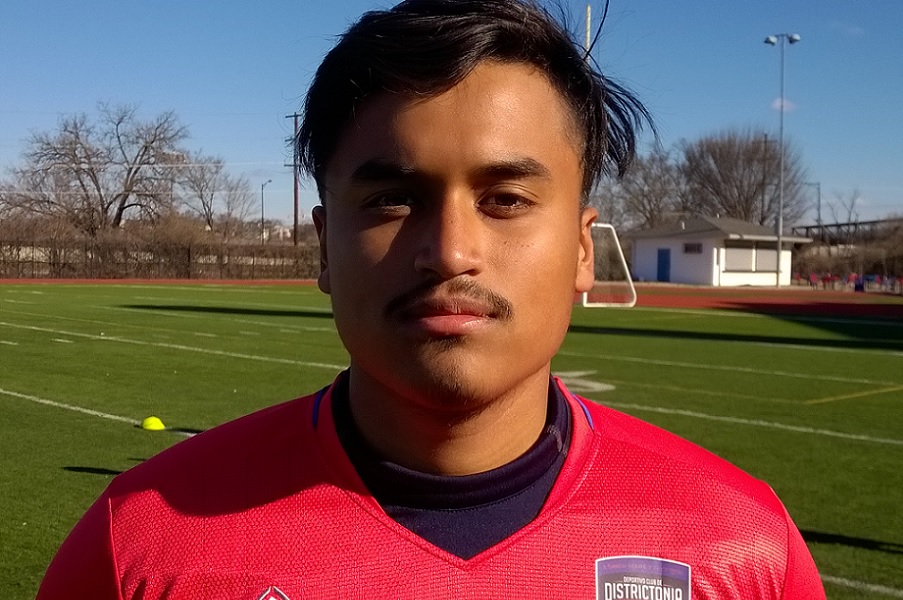
Ruben Delgado
Midfielder
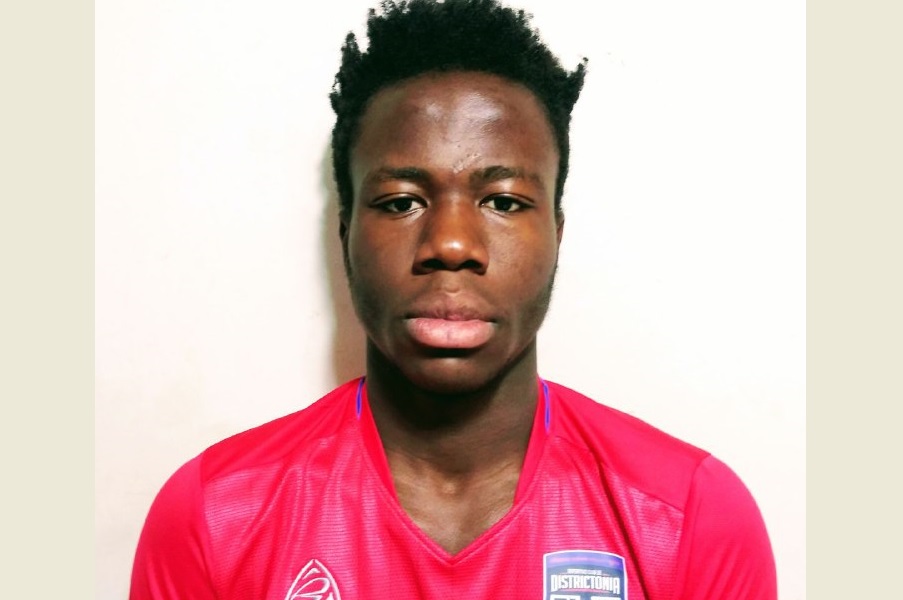
Thierry Awide
Defender
William Alvarado
Midfielder