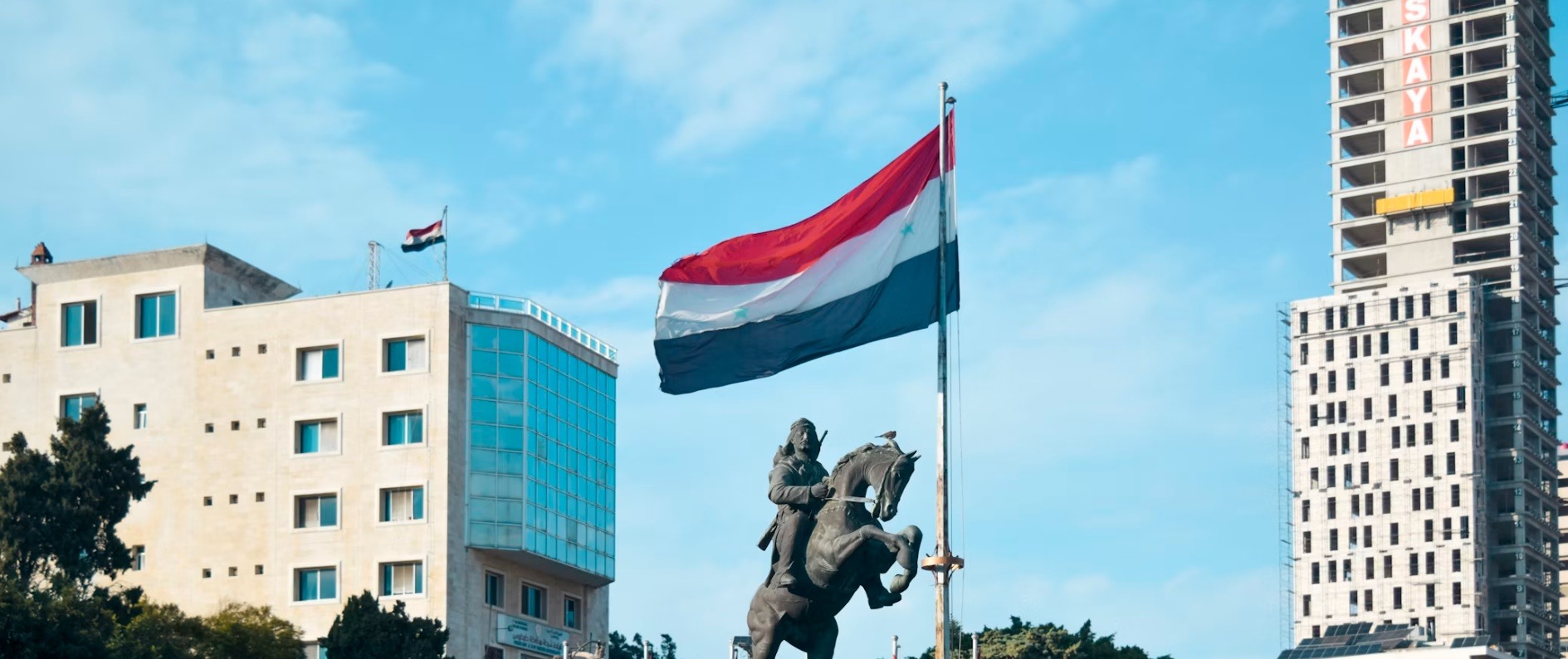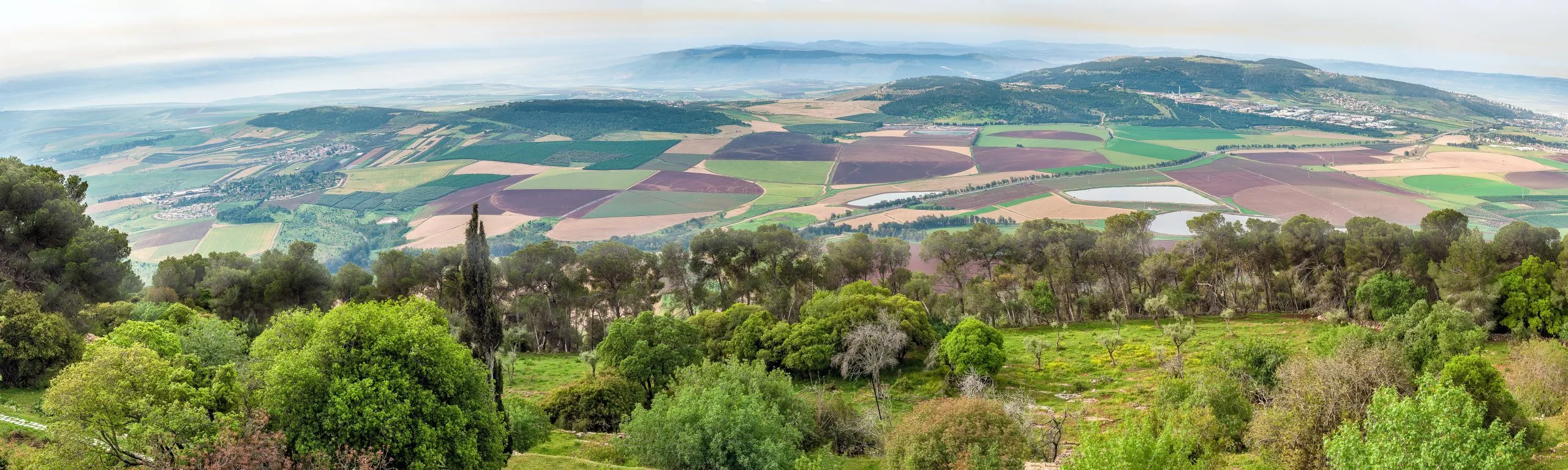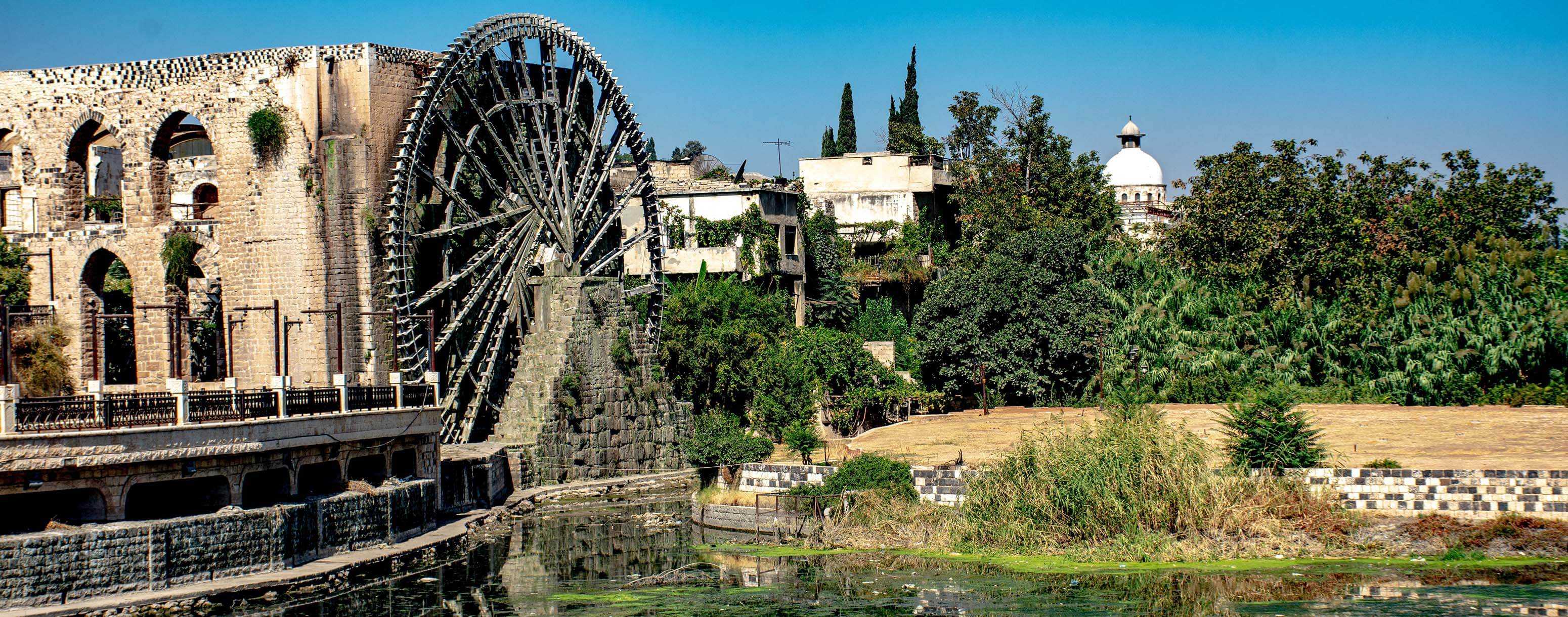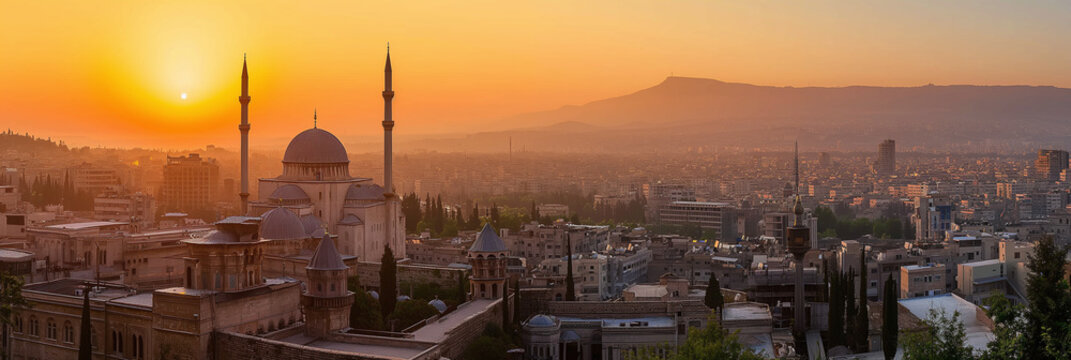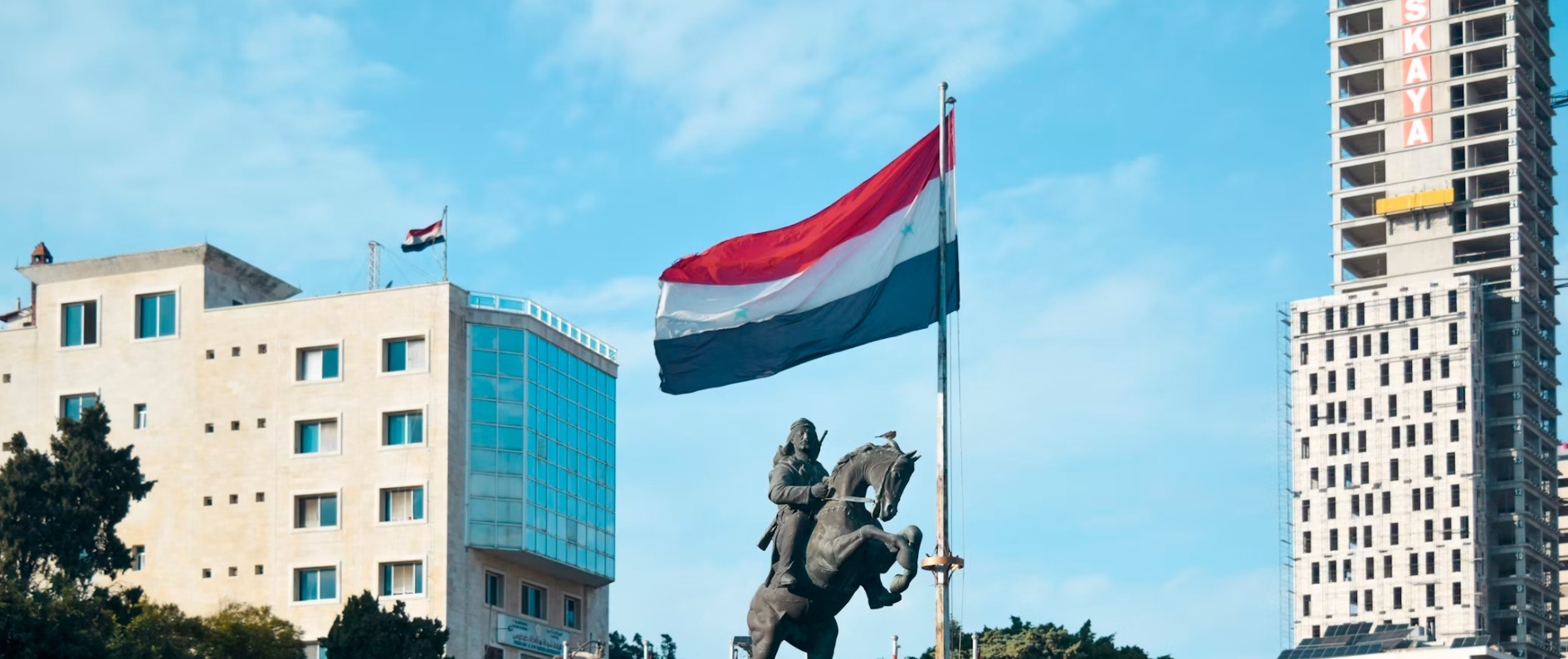

The Syrian diaspora in the DMV (Washington, D.C., Maryland, and Virginia) is a vibrant, resilient, and highly engaged community of professionals, scholars, physicians, humanitarian advocates, and entrepreneurs.
Key Community Hubs & Organizations
Syrian American Medical Society (SAMS): Headquartered in the Washington metropolitan area, SAMS represents Syrian-American healthcare professionals providing vital humanitarian relief, medical assistance, and professional networking both locally and abroad.
American Relief Coalition for Syria (ARCS): A coalition of humanitarian organizations based across the DMV region coordinating educational advocacy, crisis relief, and civic engagement.
Cultural Gatherings & Community Life: Syrian families and cultural associations frequently gather across Northern Virginia (including Falls Church, Vienna, and Fairfax) and suburban Maryland for cultural heritage exhibitions, culinary celebrations, and community fundraisers.
Through dedicated civic leadership, cultural initiatives, and academic contributions, the Syrian community maintains strong bonds to its rich ancestral heritage while playing an active and meaningful role across the DMV region.
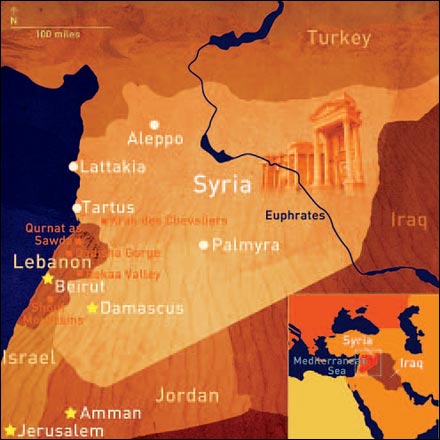
Syrian migration has generally reflected regional trade, family relationships, education, employment opportunities, religious and ethnic diversity, political instability, and armed conflict. Syrian migration to the United States began on a noticeable scale during the late nineteenth century, primarily consisting of Christian merchants, artisans, and labourers from the Ottoman province of Syria. Movement expanded significantly throughout the twentieth century as Syrian professionals, physicians, engineers, and scholars arrived for advanced education and career opportunities. Following the outbreak of the Syrian civil conflict in 2011, humanitarian migration increased, leading to new waves of resettlement across American metropolitan areas. Syrian Americans have made profound contributions to medicine, business, technology, academia, and the arts, while actively preserving their rich cultural heritage, traditions, and family networks.
Early Syrian immigration to the United States began during the 1880s while the region was still under Ottoman rule. Known historically as part of the early Levantine pioneer movement, the earliest immigrants settled predominantly in New York City (around lower Manhattan's Little Syria), Boston, Detroit, and Cleveland. Many early Syrian immigrants engaged in commerce, working as peddlers, shopkeepers, and textile merchants before establishing permanent dry goods stores and family businesses. They founded community associations, Arabic-language newspapers, and religious parishes—including Eastern Orthodox, Melkite Greek Catholic, and Maronite churches—that served as cultural anchors. This early pioneer generation established the economic foundations and civic reputation that welcomed later generations of Syrian arrivals.
Syrian immigration evolved significantly during the late twentieth and early twenty-first centuries. Following the U.S. Immigration and Nationality Act of 1965, arrivals increasingly included highly trained physicians, academics, researchers, and entrepreneurs who settled in major metropolitan centers including Washington, D.C., Chicago, Los Angeles, and Houston. The devastating Syrian civil conflict that began in 2011 catalyzed a new wave of humanitarian refugees seeking safety and rebuilding their lives in the United States. Today, the Syrian diaspora is distinguished by prominent national organizations such as the Syrian American Medical Society (SAMS), active cultural foundations, and extensive civic engagement, forming a respected and vital part of American society.

Sign In