


Responsive Header
  • Where We Work
  • Cameroon
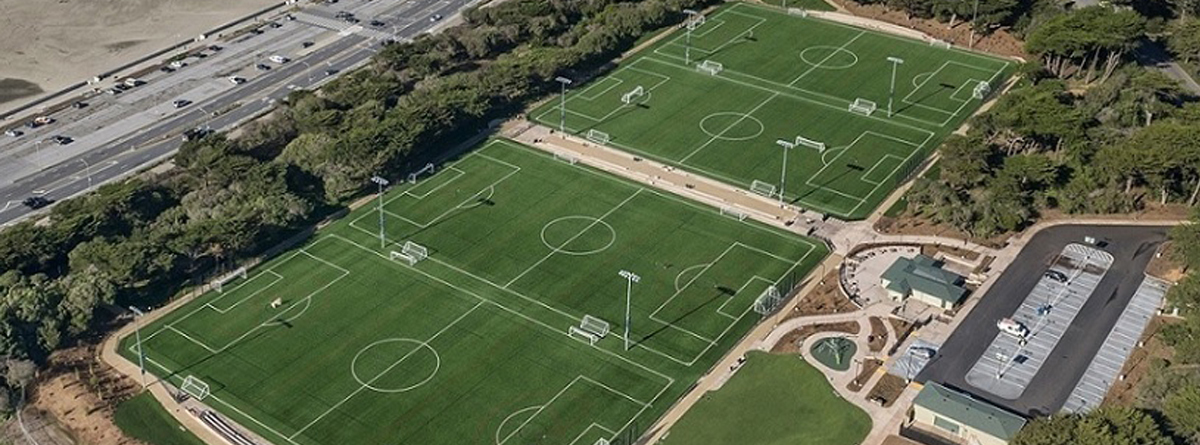
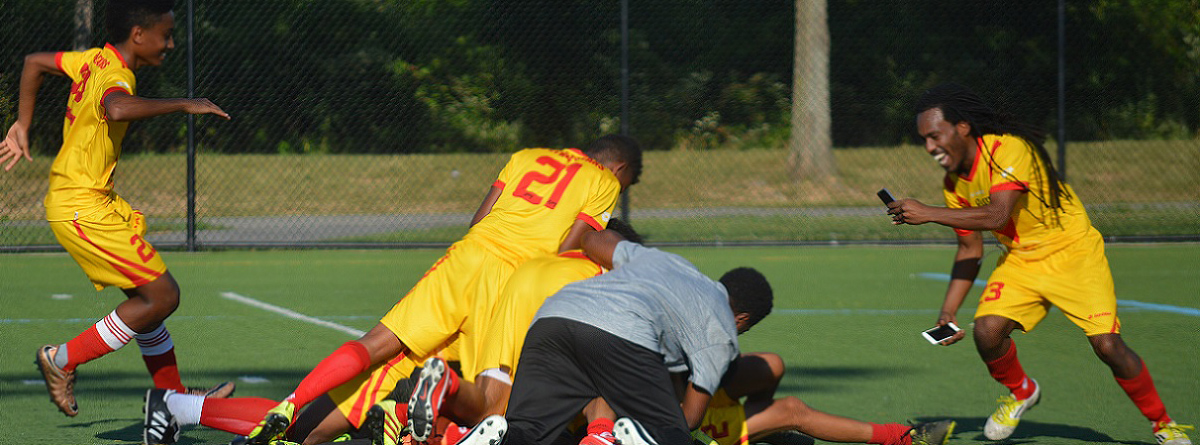
  • The Diaspora World Cup operates in some of the major cities and metro areas in United States and Canada. Our network of register players includes 20 cities, 200 countries, 400 teams, and 10,000 players. Join our movement to solve the world's most pressing challenges: Illiteracy
  • Who We are text will be here Who We are text will be here Who We are text will be here Who We are text will be here Who We are text will be here Who We are text will be here Who We are text will be here Who We are text will be here Who We are text will be here
  • What We Do text will be here What We Do text will be here What We Do text will be here What We Do text will be here What We Do text will be here What We Do text will be here What We Do text will be here What We Do text will be here What We Do text will be here What We Do text will be here What We Do text will be here What We Do text will be here
  • Get Involved text will be here Get Involved text will be here Get Involved text will be here Get Involved text will be here Get Involved text will be here Get Involved text will be here Get Involved text will be here Get Involved text will be here Get Involved text will be here Get Involved text will be here
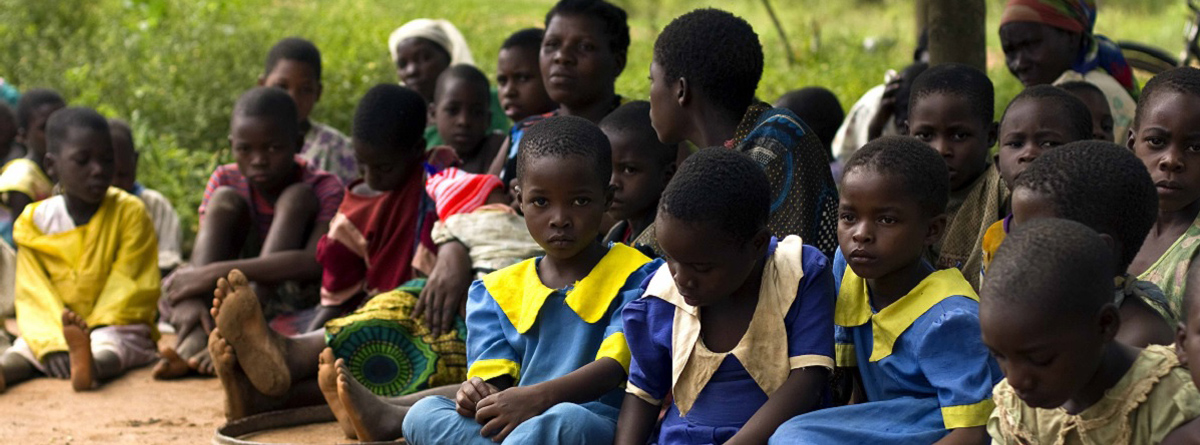
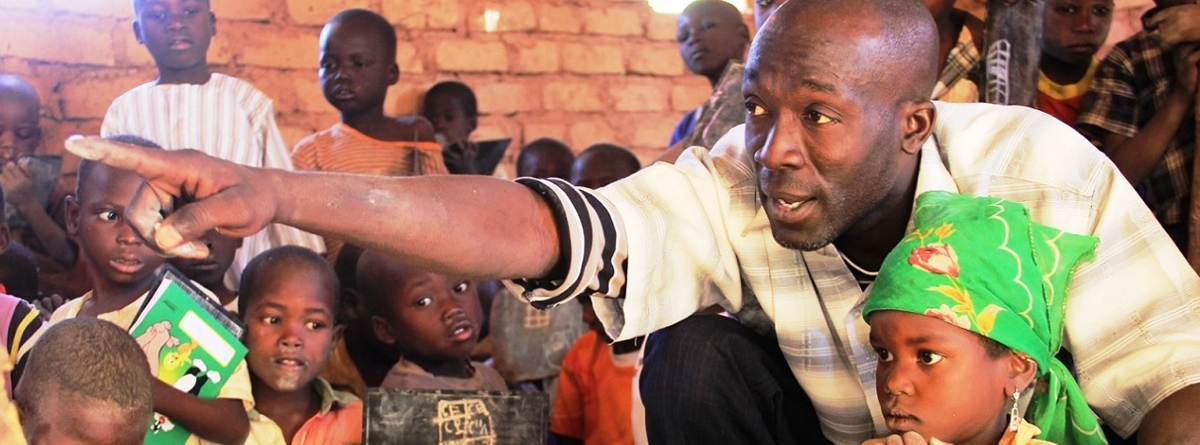
  • Education is a basic Human Right and the Diaspora World Cup global school program focuses its energy in some the poorest countries around the world. We build schools in some of the poorest countries around the worldthat historically had no adequate school structure. Any member of the World Diaspora has the power to end illiteracy around the world through the power of soccer.
  • High-profile sport figures, global leaders, business leaders, political figure, journalists, activists, philanthropists, actors, and entrepreneurs united by their commitment to the Diaspora World Cup mission to eradicate illiteracy around the world through the power of soccer. They serve as role models and spread the Diaspora World Cup vision and commitment of a world mobilized through soccer.
  •  
  •  
Diaspora 2027: complete guide to all players | The Diaspora
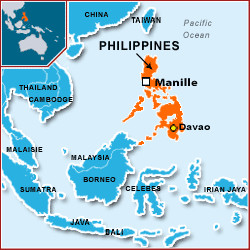
PHILIPPINES
Gaithersburg – M. Village
Welcome to the 2027 Diaspora World Cup.
Gaithersburg – M. Village

Significance

Immigration from the Philippines has generally reflected American colonial administration, educational advancement, professional employment, military service, economic opportunity, family reunification, skilled migration, and international business.

Migration from the Philippines has played a significant role in the history of the United States for more than a century. Historical ties established during the American colonial period created strong educational, political, and economic connections between the two countries. Throughout the twentieth century, Filipinos migrated to the United States as students, military personnel, healthcare professionals, agricultural workers, educators, engineers, and skilled workers. Changes in U.S. immigration laws, expanding professional opportunities, and family sponsorship further accelerated migration. Today, Filipino immigrants represent one of the largest Asian immigrant communities in the United States, contributing significantly to healthcare, education, engineering, technology, business, public service, and the armed forces while maintaining strong cultural, linguistic, and family ties with the Philippines.

Filipino Migration Before Independence

Before independence, the Philippines was a colony of the Spanish Empire for more than three centuries before being ceded to the United States under the Treaty of Paris (1898) following the Spanish-American War. During the American colonial period, migration was influenced by education, military service, agriculture, trade, and government administration. Many Filipinos travelled to the United States as students through the Pensionado Program, as agricultural and cannery workers on the West Coast and in Hawaii, as sailors, teachers, and members of the U.S. military. The Philippines gained full independence on July 4, 1946, and the United States recognized the new republic immediately while maintaining close diplomatic relations.

Late-Twentieth- and Early-Twenty-First-Century Immigration

Migration increased substantially after independence as educational opportunities, professional careers, and family sponsorship encouraged many Filipinos to pursue opportunities abroad. The Immigration and Nationality Act of 1965 significantly expanded opportunities for family reunification and skilled immigration to the United States, leading to rapid growth of the Filipino American community. Students, physicians, nurses, engineers, scientists, academics, entrepreneurs, information technology specialists, business professionals, and researchers increasingly travelled to the United States for university education, specialized employment, scientific research, investment, or family reunification. In the United States, Filipino immigrants often rely on family networks, churches, cultural associations, alumni organizations, and professional societies for support with housing, employment, education, and community integration while preserving Filipino, English, Tagalog, Cebuano, Ilocano, and other regional languages, traditional cuisine, cultural heritage, religious practices, and close relationships with relatives in the Philippines.


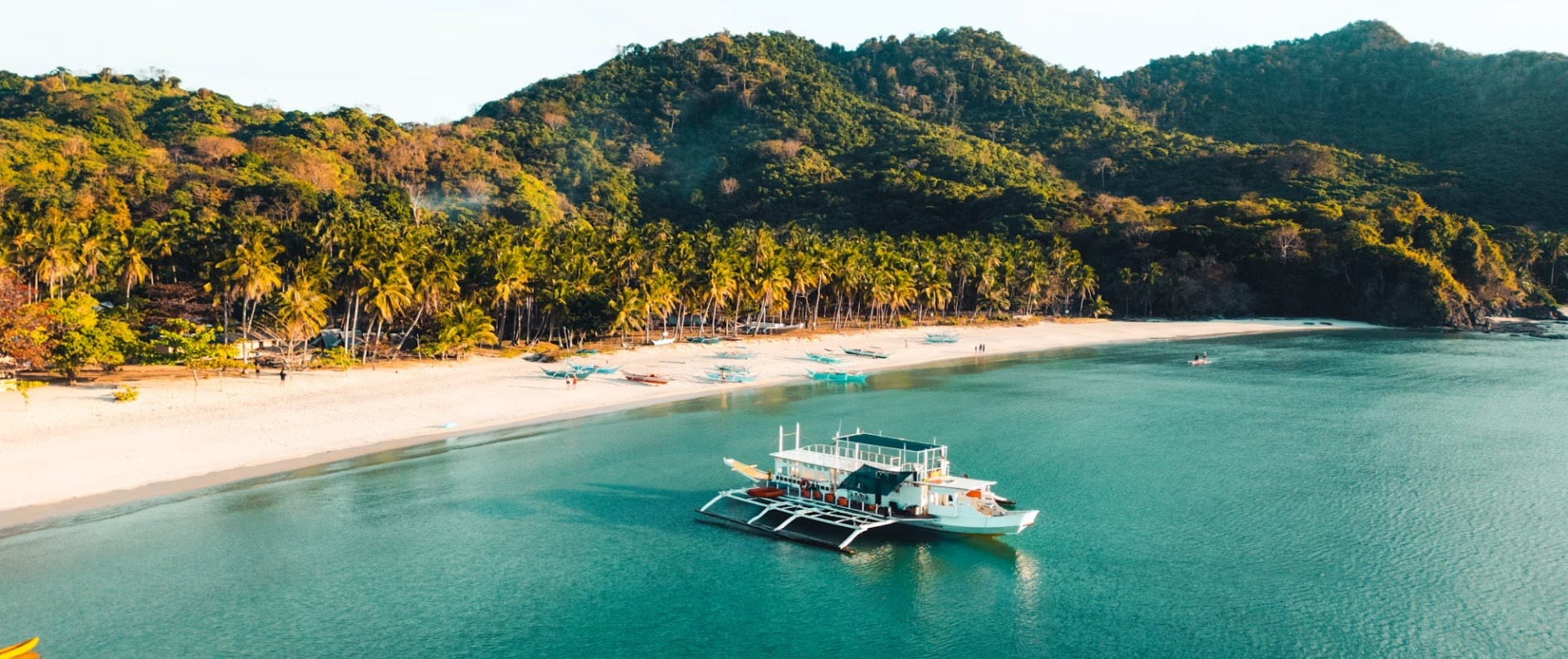
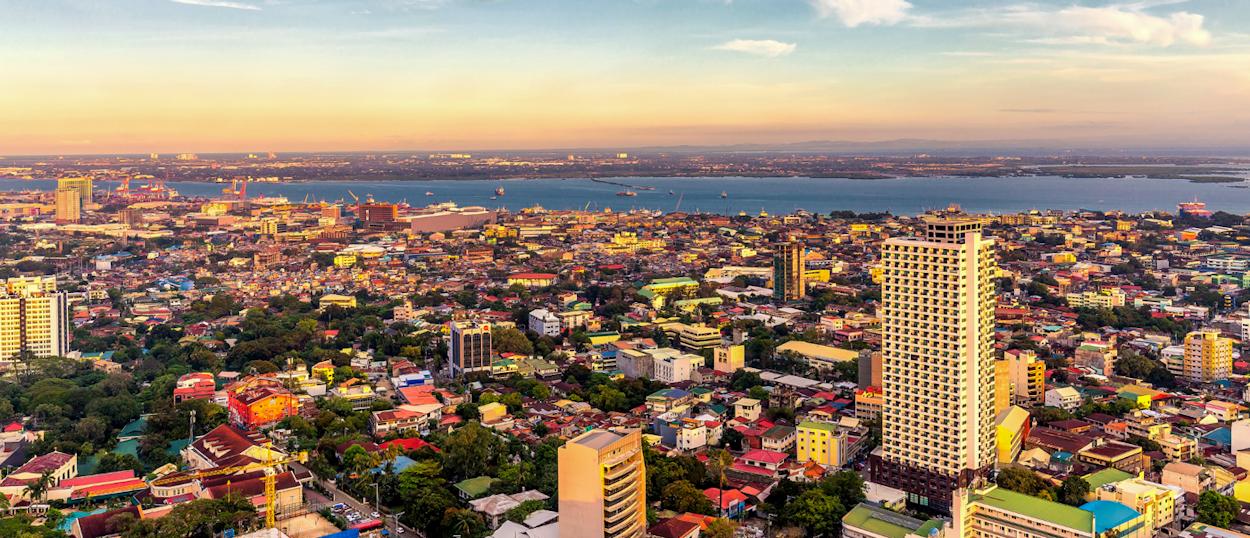
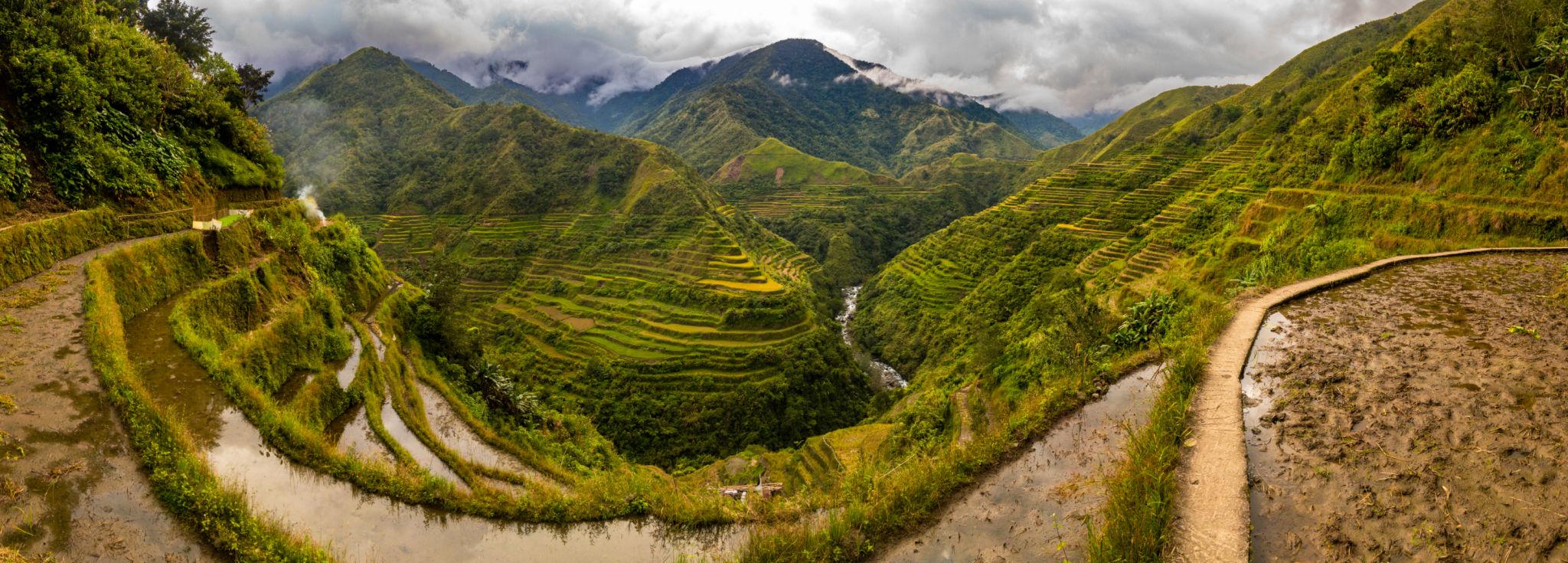
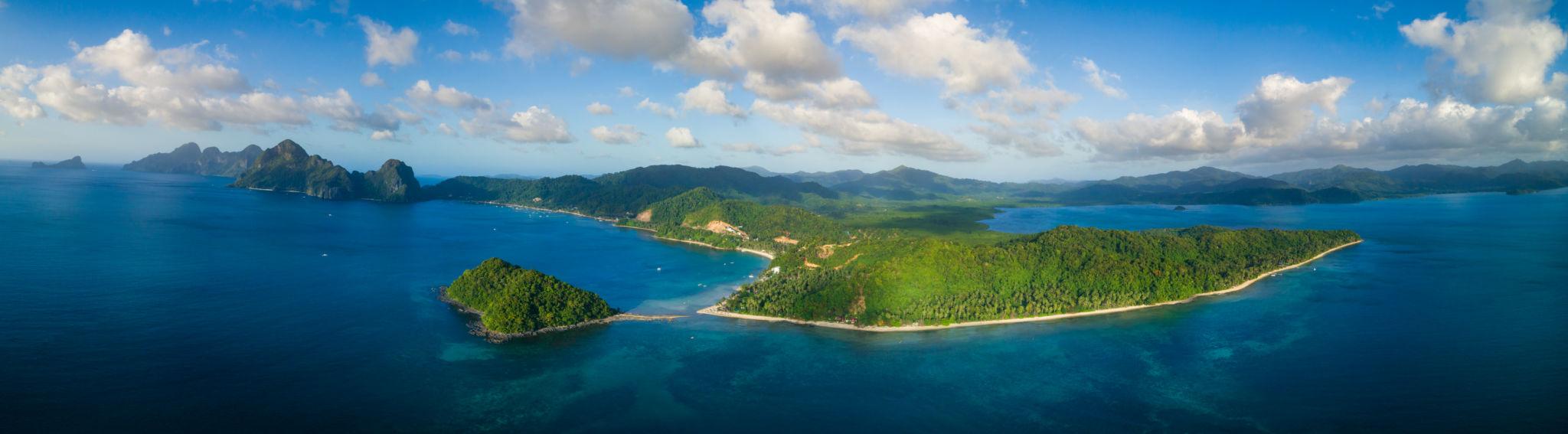
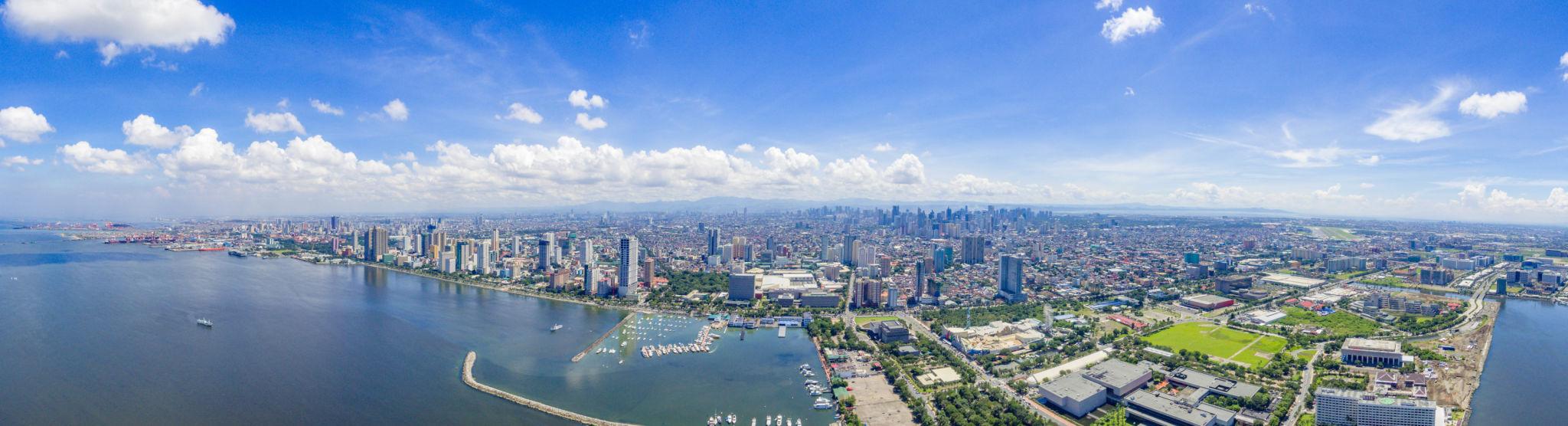
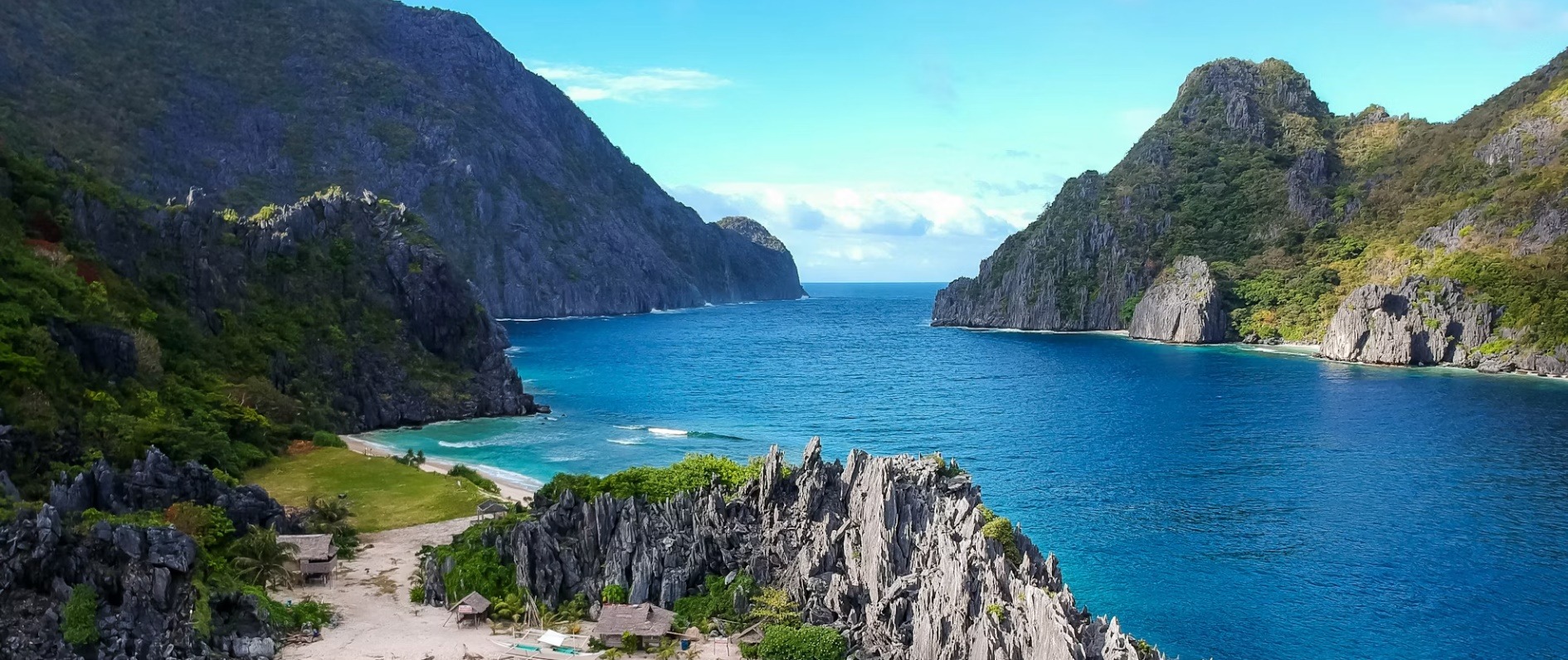
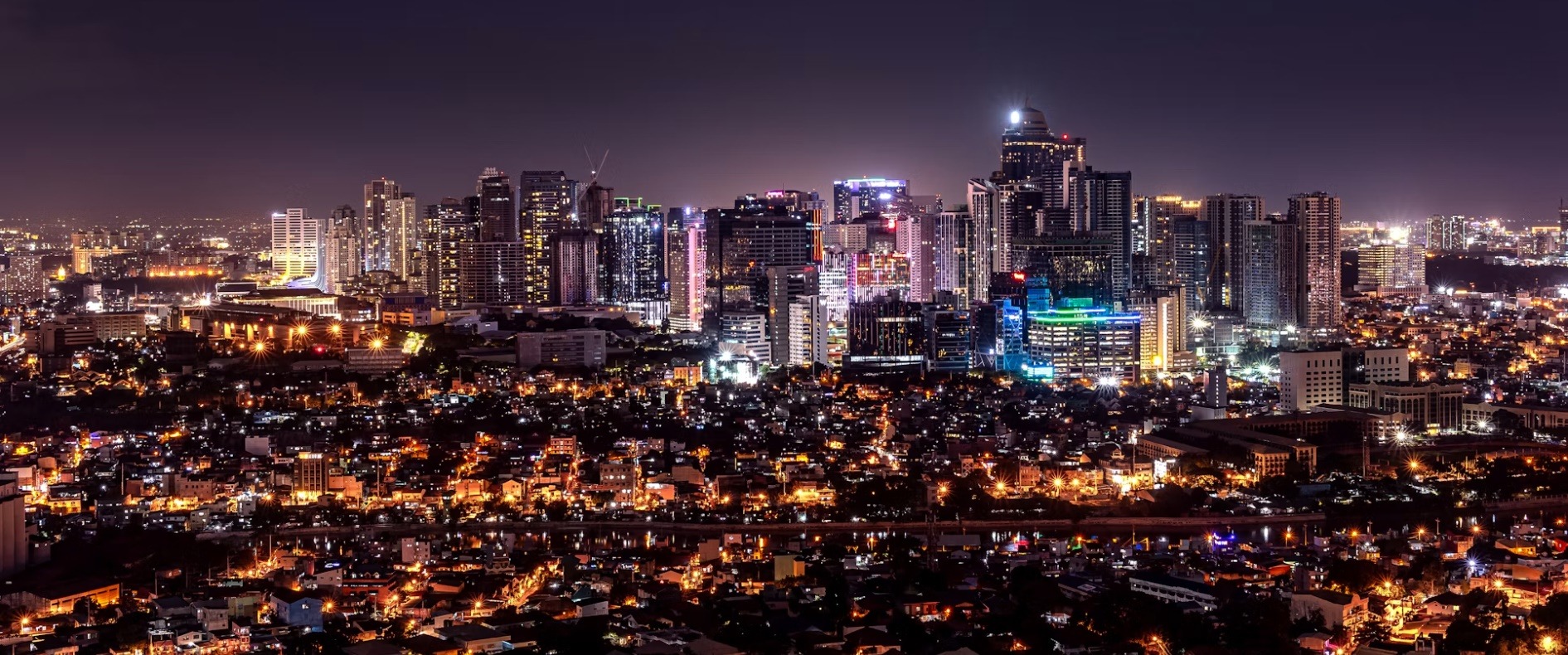
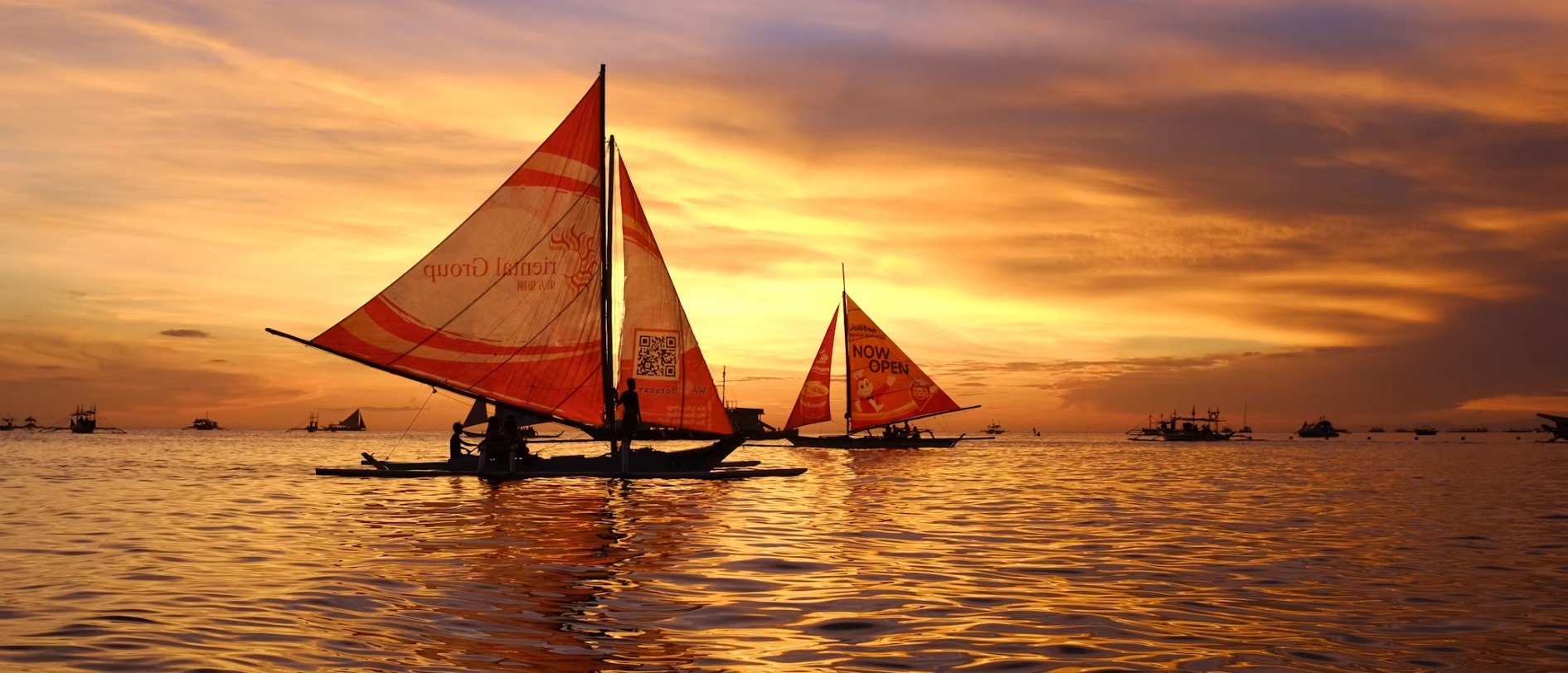
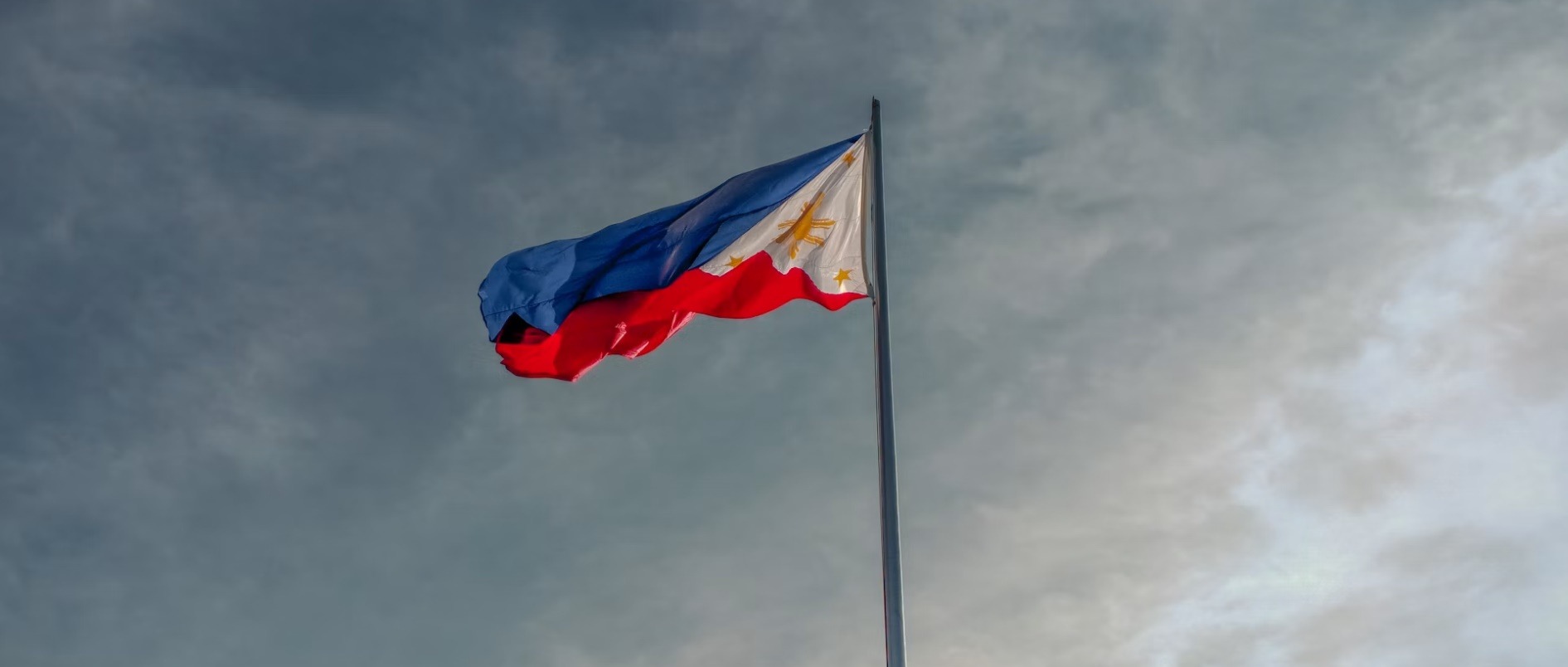
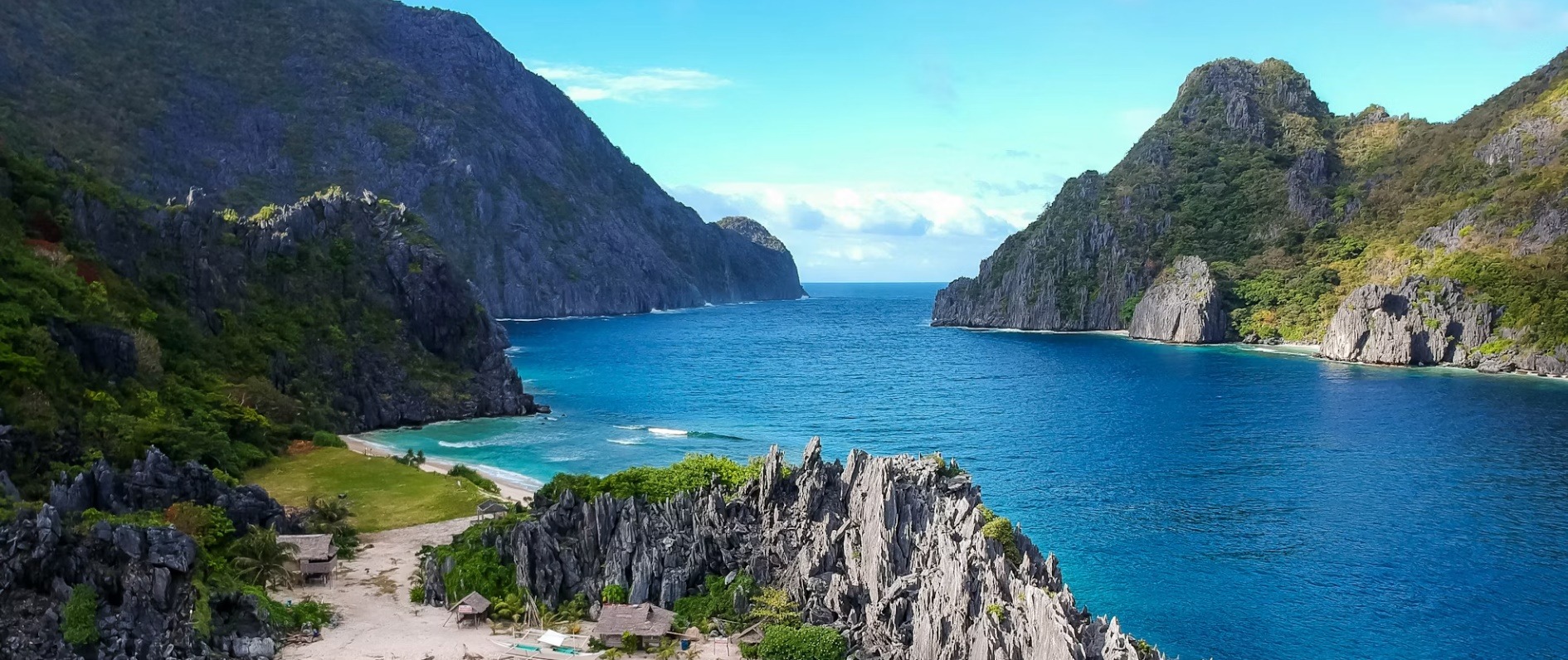
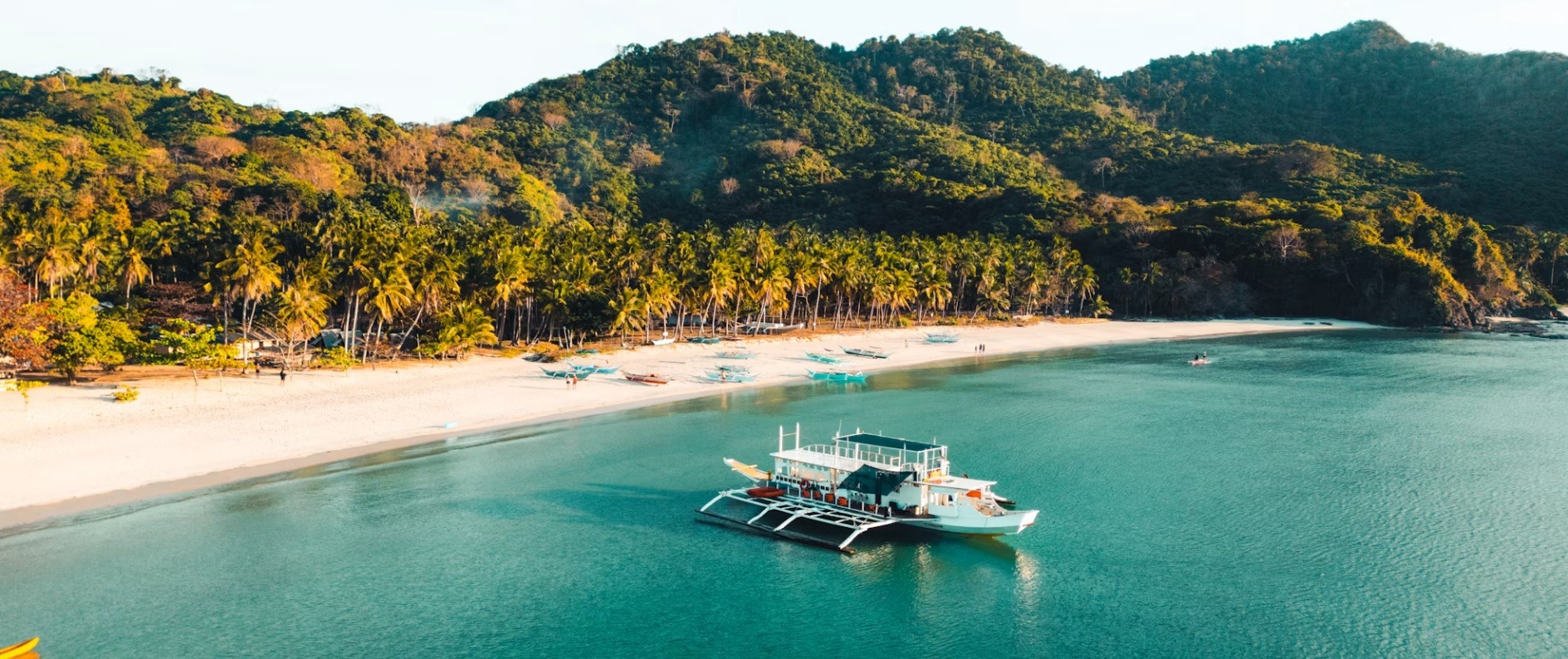
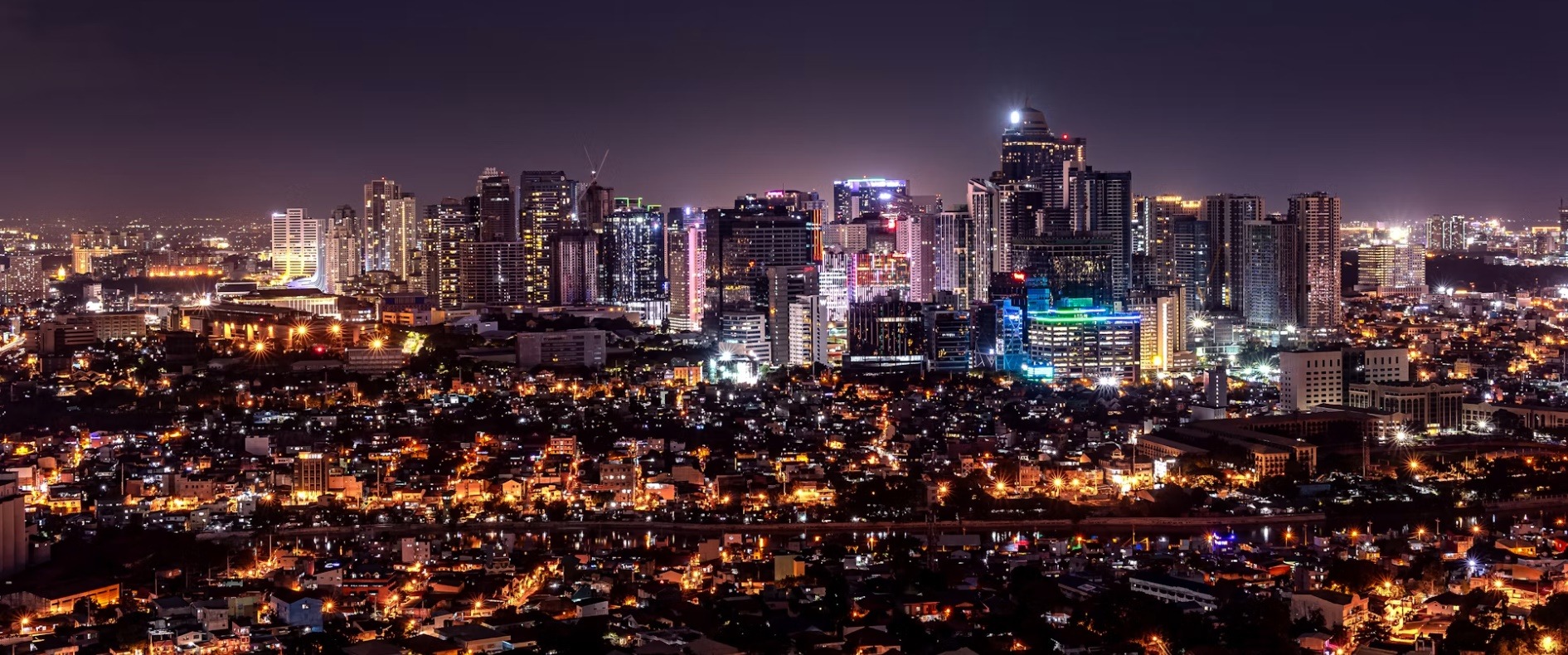
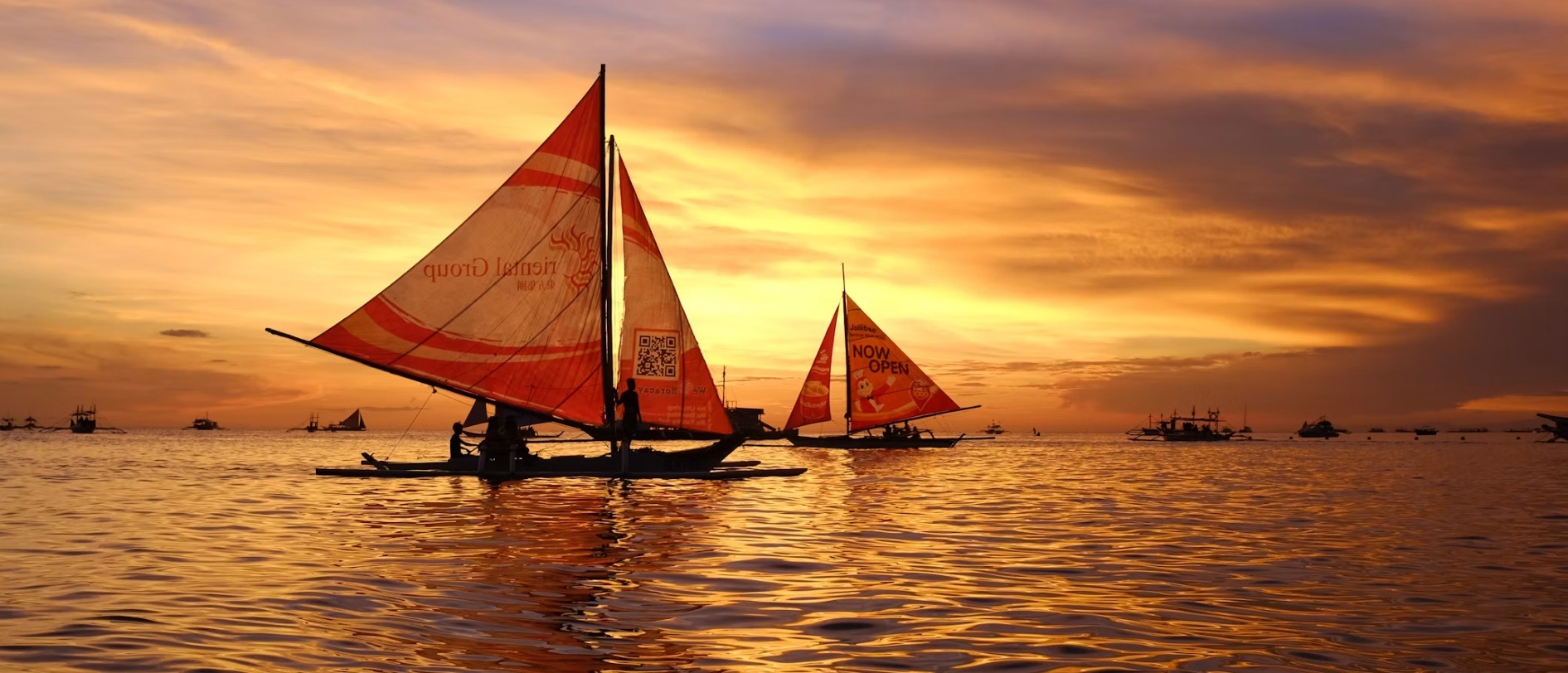
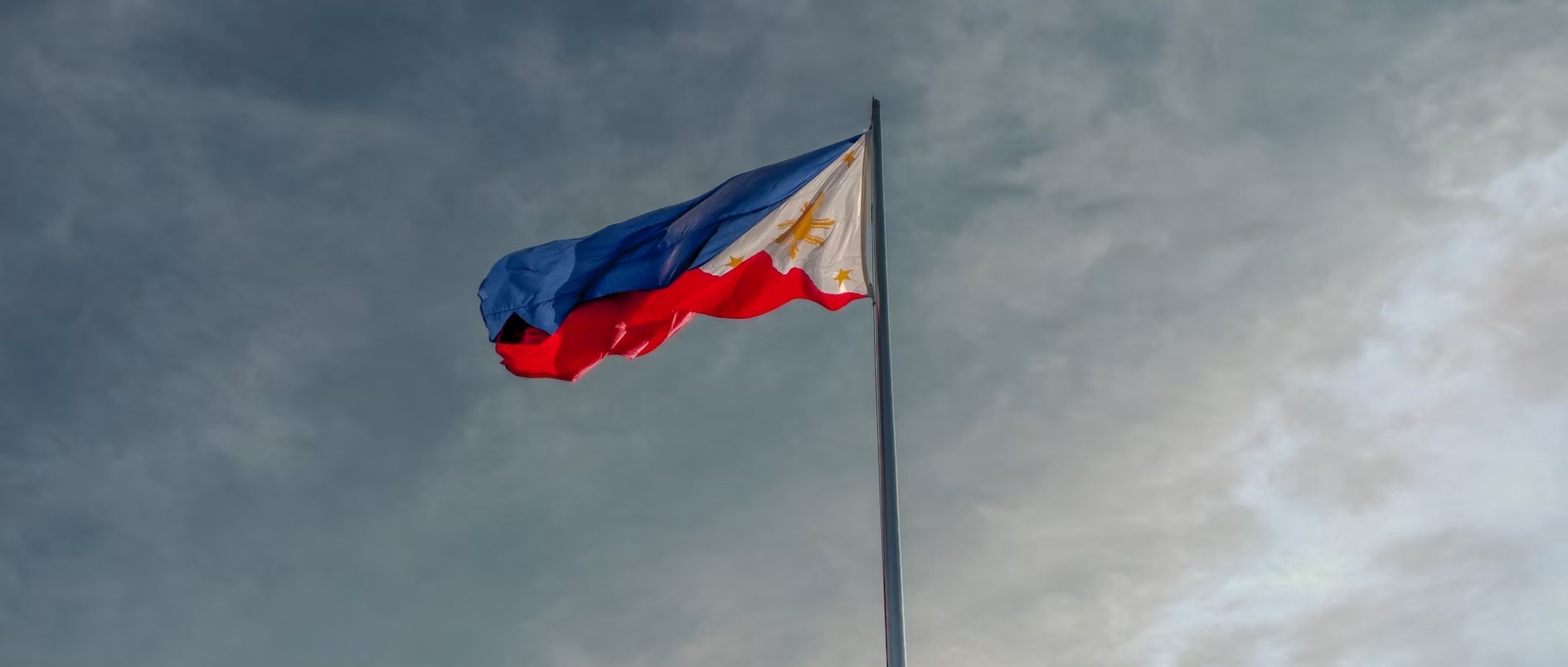
Philippines country image
Philippines overview image

Team Standings

Teams Mp W D L GF GA Pt
A. Samoa A. Samoa 0 0 0 0 0 0 0
Bhutan Bhutan 0 0 0 0 0 0 0
Cambodia Cambodia 0 0 0 0 0 0 0
China China 0 0 0 0 0 0 0
Iraq Iraq 0 0 0 0 0 0 0
Lithuania Lithuania 0 0 0 0 0 0 0
Philippines Philippines 0 0 0 0 0 0 0
Sri Lanka Sri Lanka 0 0 0 0 0 0 0
Syria Syria 0 0 0 0 0 0 0
Thailand Thailand 0 0 0 0 0 0 0

Squad List

Brian Barry
Midfielder
Bryan Moffa
Defender
Chad Muesel
Midfielder
Chris Ports
Midfielder
Chris Williams
Defender
Cody Pearson
Defender
Craig Nearhood
Forward
Danny Baxter
Midfielder
Elton Joe
Forward
George Cover
Midfielder
Gillis Andrew
Midfielder
Glenn Leitch
Forward
Jon Ports
Forward
Josh Taylor
Defender
Kris Ward
Goalkeeper
Marcus Green
Midfielder
Matt Beckman
Defender
Matt Shell
Defender
Maxx Hurkamp
Defender
Mike Gill
Midfielder
Mike Novotny
Midfielder
Mikias Teketele
Midfielder
Nick Gill
Defender
Paul Ankrah
Goalkeeper
Phil Latham
Goalkeeper
Powell Cucciella
Forward
Ray Kuemmer
Midfielder
Taron Beale
Defender
Tommy Appel
Midfielder
Zua Antonio
Forward

Coaching Staff
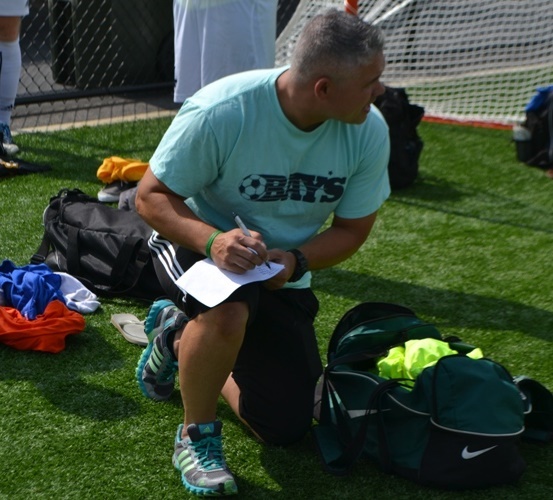
Bryan Bugarin
C
Bryan Bugarin
Head Coach