Sign In






 Facebook
 X-Twitter
 Instagram
 Linkedin
 Youtube
More Information
More Information
Street Soccer in Iraq
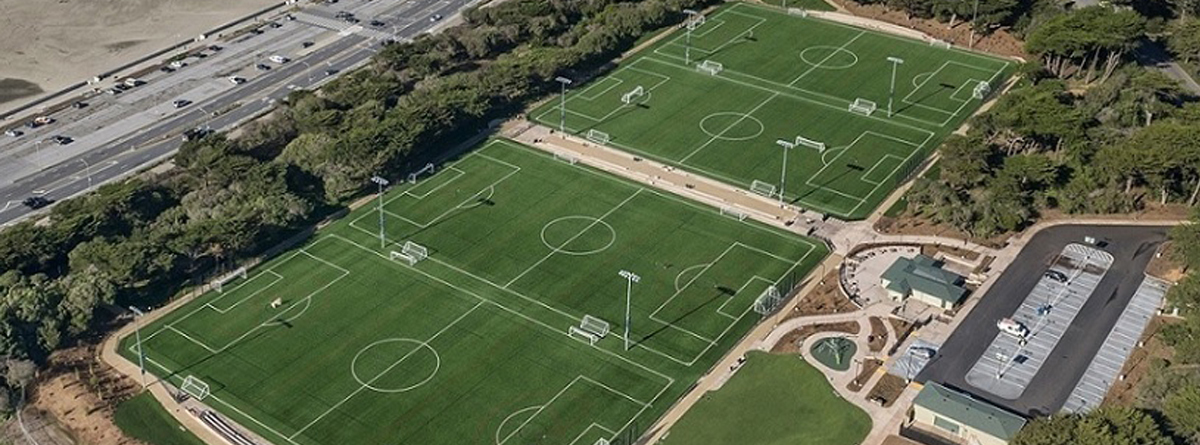
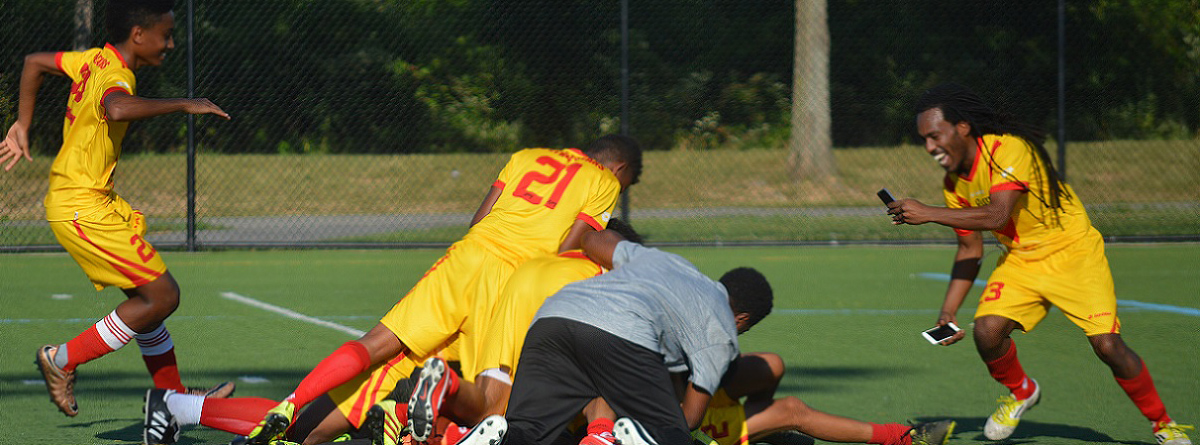
Street soccer is a widely enjoyed activity in Iraq, where children and teenagers regularly gather in neighbourhood streets, school playgrounds, parks, and open community spaces for informal football matches. These games offer young players a chance to stay active, enjoy friendly competition, and improve their football skills outside organised training.
Playing on small and often improvised pitches encourages quick passing, close ball control, agile movement, and smart decision-making. The fast-paced nature of street soccer helps players develop confidence, creativity, and teamwork while adapting to different playing conditions and opponents.
Street soccer provides an affordable and accessible way for communities across Iraq to enjoy football without requiring professional facilities. It promotes healthy recreation, strengthens social connections, and inspires many young people to continue developing their passion for the sport.
Street Soccer Culture in Iraq
Football is one of the most popular sports in Iraq, and street soccer is often the first experience many children have with the game. Informal matches organised by friends, schools, and local communities create a welcoming environment where players of different ages and abilities can participate.
Skills Developed Through Street Soccer
Street soccer helps players improve dribbling, first touch, passing accuracy, agility, balance, ball control, and awareness. Regular games also strengthen communication, creativity, confidence, and the ability to make quick decisions in fast-paced situations.
Street Soccer and Community Development
Street soccer brings communities together through football while encouraging teamwork, positive youth participation, and active lifestyles. It also provides aspiring players with a strong foundation before progressing to school teams, local football clubs, academies, or organised youth football programmes.
The IRAQ in the DMV Metro

The Iraqi diaspora in the DMV (Washington, D.C., Maryland, and Virginia) is a highly educated, resilient, and diverse Middle Eastern community shaped by multiple waves of migration. It combines established families and post-2003 arrivals with physicians, engineers, researchers, journalists, academics, government professionals, and international-development specialists. The community is geographically distributed and relies on diplomatic institutions, civic organizations, religious communities, and professional networks.
Community Hubs and Institutional Presence
-
The Embassy of the Republic of Iraq: Located in Washington, D.C., the Embassy serves as the principal diplomatic and administrative anchor for Iraqis in the region. It provides consular services and supports cultural programming, diplomatic forums, community outreach, and engagement with Iraqi nationals.
-
Iraqi American Community Organizations: Local volunteer and nonprofit networks assist newly arrived families with housing, employment, English-language education, immigration navigation, and integration into the DMV economy.
-
EPIC – Education for Peace in Iraq Center: Based in Washington, D.C., EPIC provides an important humanitarian and policy platform focused on Iraq. Its work connects local advocates and professionals with humanitarian, development, and educational initiatives in Iraq.
-
Chaldean & Assyrian Community Institutions: Iraqi Christian communities maintain distinct cultural and religious networks through churches and community organizations in Maryland and Northern Virginia. These institutions help preserve Aramaic/Syriac traditions, religious practices, music, and heritage.
-
Professional & Policy Networks: Washington's concentration of federal agencies, defense organizations, universities, media institutions, and international organizations creates significant professional opportunities for Iraqi Americans.
Cultural and Social Dynamics
-
Northern Virginia Community Hubs: Iraqi families are integrated throughout the Northern Virginia suburbs, with restaurants, bakeries, grocery stores, churches, mosques, and family businesses serving as informal community gathering points.
-
Iraqi Cuisine: Food is a major expression of cultural identity. Traditional dishes such as masgouf, kubba, dolma, kebab, and samoon bread are maintained through restaurants, bakeries, home cooking, and community gatherings.
-
Tea & Social Culture: Iraqi tea, coffee, family gatherings, conversation, and games such as backgammon provide important intergenerational social traditions and informal spaces for community interaction.
-
Religious Networks: Mosques, Chaldean Catholic churches, Assyrian churches, and other religious institutions provide social services, family support, youth programming, holiday celebrations, and mutual aid.
-
National & Cultural Celebrations: Iraqi national occasions and cultural evenings bring together families through music, traditional dance, poetry, food, art, and historical programming celebrating Iraq's Mesopotamian heritage.
-
Ramadan & Eid: Islamic centers and community organizations organize Iftars, Eid gatherings, charitable activities, and family events that serve as major points of social cohesion for Muslim Iraqis.
-
Arts & Heritage Preservation: Iraqi music, oud performances, poetry, visual arts, folklore, and historical exhibitions help maintain connections with Iraqi cultural heritage across generations.
-
Community Structure: The Iraqi DMV community is best understood as a multi-wave, professionally integrated diaspora, with the Embassy and civic organizations providing formal infrastructure while religious institutions, family networks, cultural events, food businesses, and professional associations sustain everyday community life.
Significance
Immigration from Iraq has generally reflected British influence following the Ottoman period, political instability, armed conflict, economic hardship, educational opportunities, professional employment, asylum, refugee resettlement, and family reunification.
Migration from Iraq has historically been shaped by political change, regional conflicts, and economic conditions. Before the late twentieth century, many Iraqis travelled abroad primarily for higher education, professional training, government service, and business opportunities. Migration increased significantly during the Iran-Iraq War (1980–1988), the 1991 Gulf War, international sanctions, the 2003 Iraq War, and subsequent periods of violence and instability. Many Iraqis sought refuge in neighboring countries before resettling in the United States through refugee programs, asylum, employment, education, and family sponsorship. Today, Iraqi immigrants have established diverse communities across the United States while maintaining strong cultural, linguistic, religious, and family ties with their homeland.
Iraqi Migration Before Independence
Before independence, Iraq formed part of the Ottoman Empire for several centuries before becoming the British Mandate for Mesopotamia after the First World War. Migration during this period was influenced by trade, agriculture, military service, government administration, religious pilgrimage, and regional commerce. Residents frequently travelled throughout the Middle East as merchants, farmers, scholars, civil servants, students, and members of extended families. Direct migration to the United States remained relatively limited because political, educational, and commercial connections were centered primarily within the Ottoman Empire and later the British-administered territory. Iraq became an independent kingdom on October 3, 1932, and the United States had already established diplomatic relations with the country earlier that year.
Late-Twentieth- and Early-Twenty-First-Century Immigration
Migration increased substantially after decades of war, political repression, sectarian violence, economic hardship, and humanitarian crises. Students, physicians, engineers, scientists, academics, entrepreneurs, business professionals, and information technology specialists travelled to the United States for higher education, specialized employment, research, investment, or family reunification, while many others arrived through refugee resettlement and asylum programs. Family sponsorship and professional opportunities have continued to support migration in recent years as Iraq undergoes reconstruction and economic development. In the United States, Iraqi immigrants often rely on family networks, mosques, churches, cultural organizations, refugee assistance agencies, and community associations for support with housing, employment, education, language services, and social integration while preserving Arabic, Kurdish, Assyrian, Turkmen, and other native languages, traditional cuisine, music, religious practices, and close relationships with relatives in Iraq.