Sign In









 Facebook
 X-Twitter
 Instagram
 Linkedin
 Youtube

Significance
Cambodian immigration to the United States has generally reflected French colonial rule, war, Khmer Rouge persecution, genocide, forced displacement, refugee resettlement, education, employment, and family reunification.
Cambodian migration to the United States remained limited until the conflicts of the 1970s created a major refugee movement. Early arrivals mainly included students, diplomats, merchants, religious workers, academics, and professionals travelling for education or specialised employment. Migration increased after civil war, American military involvement in Indochina, the Khmer Rouge takeover in 1975, mass atrocities, and subsequent conflict forced Cambodians from their homes. Many escaped to refugee camps in Thailand and other Southeast Asian countries before being resettled in the United States. Cambodian American communities later developed most visibly in California, Massachusetts, Washington, Pennsylvania, and other states. Temples, churches, businesses, cultural associations, and extended-family networks helped refugees rebuild their lives while preserving Khmer language, Buddhism, food, dance, music, and festivals.
Cambodian Migration Before the Refugee Crisis
Before the refugee crisis, migration was shaped by French colonial administration, regional commerce, education, diplomatic service, and movement within French Indochina. Cambodia became a French protectorate during the nineteenth century and later formed part of French Indochina alongside Vietnam and Laos. Residents travelled within Southeast Asia as labourers, merchants, students, monks, government employees, and members of families connected across regional borders. Direct immigration to the United States was uncommon, and American interaction with Cambodia remained limited before the mid-twentieth century. The United States recognised Cambodia in 1950, while the country achieved full independence from France in 1953. Greater diplomatic and educational contact followed, allowing small numbers of Cambodian students, officials, academics, and professionals to travel to America before political instability and civil war transformed migration patterns.
Late-Twentieth-Century Immigration
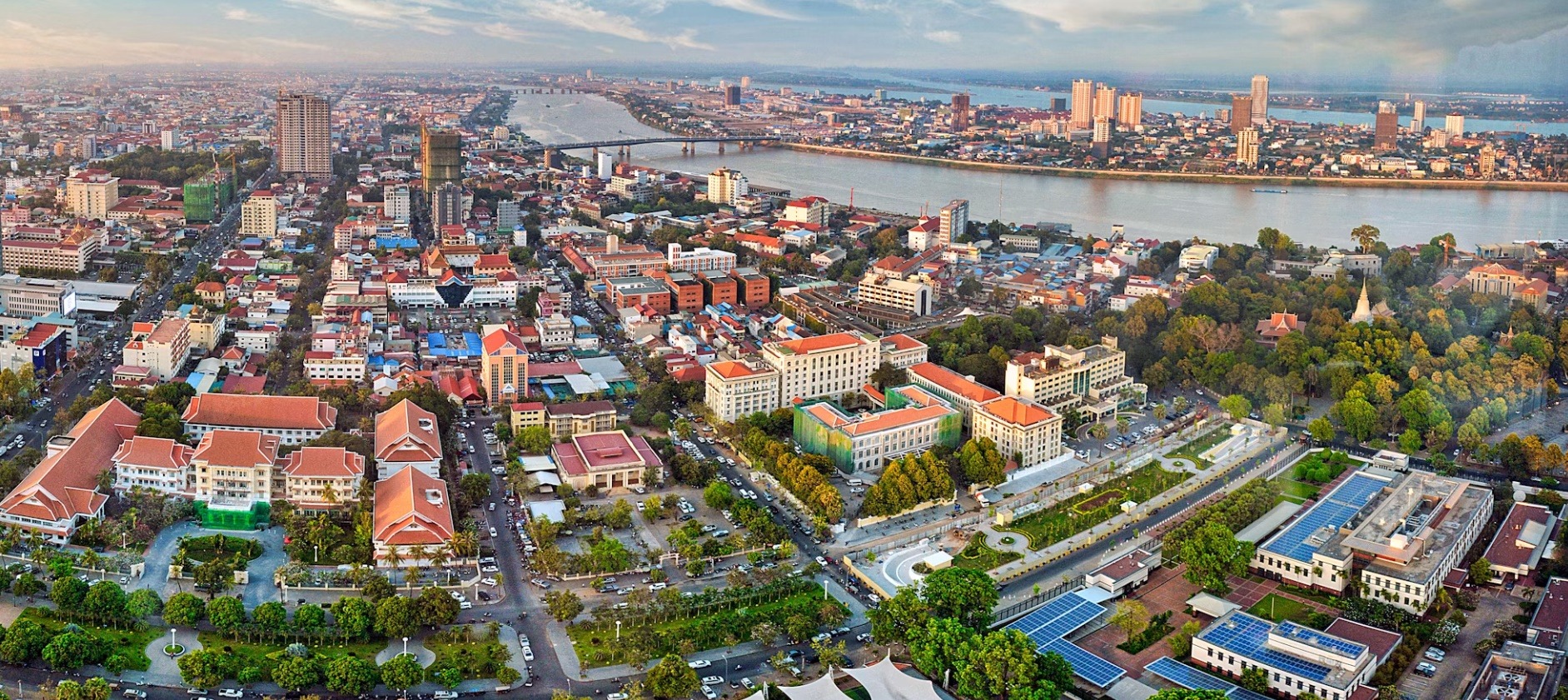
Cambodian immigration increased dramatically after the Khmer Rouge captured Phnom Penh on April 17, 1975. The regime forced residents from cities, abolished private property, imposed collective labour, and persecuted intellectuals, religious figures, ethnic minorities, former officials, and other perceived opponents. Mass killings, starvation, disease, and forced labour devastated the population and displaced families throughout the country. After Vietnamese forces removed the Khmer Rouge government in 1979, continuing warfare and insecurity drove many survivors into camps along the Thai border. From the late 1970s through the 1990s, the United States admitted large numbers of Cambodian refugees through Southeast Asian resettlement programmes. New arrivals frequently faced trauma, language barriers, poverty, interrupted education, and unfamiliar employment systems. Community organisations and religious institutions provided housing, interpretation, healthcare, education, and cultural support while helping families establish permanent Cambodian American communities.