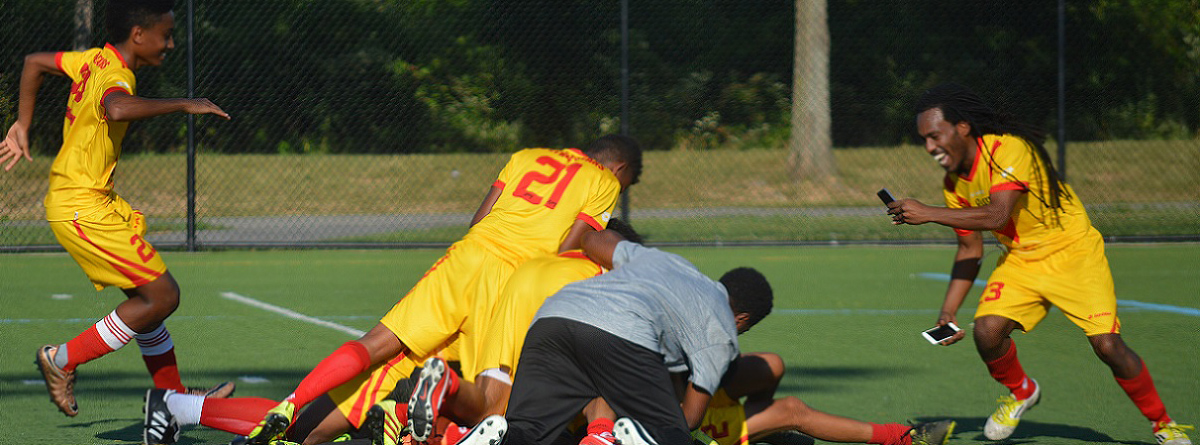
The Diaspora World Cup operates in some of the major cities and metro areas in
United States and
Canada. Our network of register players includes 20 cities, 200 countries, 400
teams, and 10,000
players. Join our movement to solve the world's most pressing challenges:
Illiteracy
Who We are text will be here Who We are text will be here Who We are text will
be here Who We
are text will be here Who We are text will be here Who We are text will be here
Who We are text
will be here Who We are text will be here Who We are text will be here
What We Do text will be here What We Do text will be here What We Do text will
be here What We
Do text will be here What We Do text will be here What We Do text will be here
What We Do text
will be here What We Do text will be here What We Do text will be here What We
Do text will be
here What We Do text will be here What We Do text will be here
Get Involved text will be here Get Involved text will be here Get Involved text
will be here Get
Involved text will be here Get Involved text will be here Get Involved text will
be here Get
Involved text will be here Get Involved text will be here Get Involved text will
be here Get
Involved text will be here
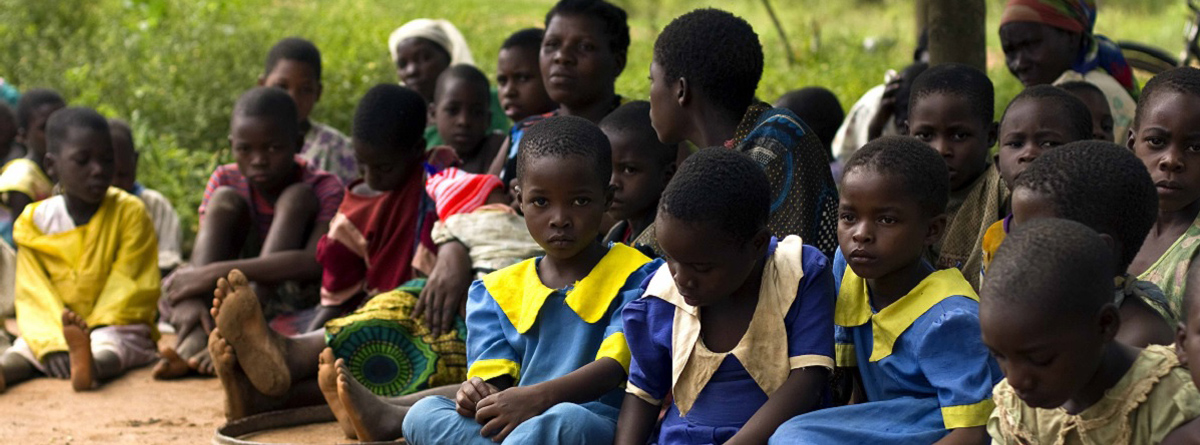
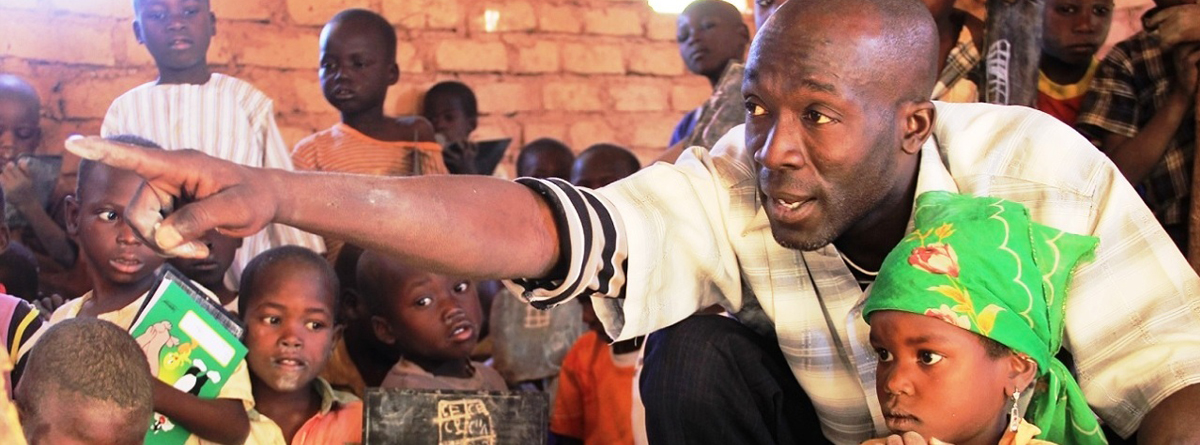
Education is a basic Human Right and the Diaspora World Cup global school
program focuses its
energy in some the poorest countries around the world. We build schools in some
of the poorest
countries around the worldthat historically had no adequate school structure.
Any member of the
World Diaspora has the power to end illiteracy around the world through the
power of soccer.
High-profile sport figures, global leaders, business leaders, political figure,
journalists,
activists, philanthropists, actors, and entrepreneurs united by their commitment
to the Diaspora
World Cup mission to eradicate illiteracy around the world through the power of
soccer. They serve
as role models and spread the Diaspora World Cup vision and commitment of a
world mobilized
through soccer.
Diaspora 2027: complete guide to all players | The Diaspora
COSTA R.
Welcome to the 2028 Diaspora World Cup. Gaithersburg – M. Village
Gaithersburg – M. Village
Welcome to the 2028 Diaspora World Cup. Gaithersburg – M. Village
The Costa Rican diaspora represents a distinct, tight-knit, and socioeconomically stable sub-segment of the broader Central American community within the Washington, D.C., Maryland, and Virginia (DMV) region. While El Salvadorans form the largest Central American presence in the area, Costa Ricans ("Ticos") have a unique footprint defined by high educational atta...The Costa Rican diaspora represents a distinct, tight-knit, and socioeconomically stable sub-segment of the broader Central American community within the Washington, D.C., Maryland, and Virginia (DMV) region. While El Salvadorans form the largest Central American presence in the...
More Information
Chelsea Official
Download The 5th Stand, Chelsea’s official mobile app, to see exclusive content, match action and all the latest news from Stamford Bridge.
More Information
Street Soccer in Costa Rica
Street soccer is a popular recreational activity in Costa Rica, where children and teenagers regularly play informal football matches in neighbourhood streets, school playgrounds, community parks, public courts, residential areas, and open spaces. These games provide young players with an enjoyable way to stay active, improve their football skills, and build lasting friendships through the sport.
The fast-paced and technical nature of street soccer encourages close ball control, quick passing, creative dribbling, and intelligent movement. Playing in smaller spaces helps participants sharpen their technique, strengthen teamwork, build confidence, and improve their ability to make quick decisions under pressure.
Street soccer offers an accessible and affordable way for communities across Costa Rica to enjoy football without requiring professional facilities. It promotes healthy lifestyles, strengthens neighbourhood relationships, and inspires many young players to continue their football journey through schools, local clubs, academies, futsal programmes, and organised competitions.
Street Soccer Culture in Costa Rica
Football is the most popular sport in Costa Rica, and street soccer is often where many children first develop their passion for the game. Informal matches organised by schools, friends, and neighbourhood communities create a welcoming atmosphere where players of different ages and skill levels can participate while sharing their enthusiasm for football.
Skills Developed Through Street Soccer
Street soccer helps players improve dribbling, first touch, passing accuracy, shooting technique, agility, balance, ball control, tactical awareness, and spatial awareness. Regular games also strengthen communication, creativity, confidence, composure, and the ability to make quick decisions during fast-paced matches.
Street Soccer and Community Development
Street soccer brings communities together through football while encouraging teamwork, positive youth participation, and active lifestyles. It also provides aspiring players with valuable experience before progressing to school teams, local football clubs, academies, futsal programmes, or organised youth football competitions.
The Costa R. in the DMV
The Costa Rican diaspora represents a distinct, tight-knit, and socioeconomically stable sub-segment of the broader Central American community within the Washington, D.C., Maryland, and Virginia (DMV) region. While El Salvadorans form the largest Central American presence in the area, Costa Ricans ("Ticos") have a unique footprint defined by high educational attainment, diplomatic presence, and active cultural preservation.
📊 Population and Demographics
Relative Size: Costa Ricans constitute one of the smaller Central American diaspora groups in the United States and represent roughly 0.4% of the Hispanic population in Washington, D.C..
Geographic Spread: While some reside within District lines, substantial pockets of the diaspora are situated in the surrounding suburbs, including areas like Gaithersburg, Maryland and parts of Northern Virginia.
Socioeconomic Profile: Unlike many regional neighbors fleeing historical civil conflicts, Costa Ricans often migrate for high-level professional opportunities, academic pursuits, or diplomatic assignments. Their median family income mirrors that of the overall U.S. population.
Diversity: The community includes notable representations of Afro-Costa Ricans, bringing distinct Afro-Latino perspectives to the region’s cultural history.
🤝 Community Anchors and Organizations
The civic life of the local diaspora revolves heavily around governmental hubs and cultural associations:
Consulate General of Costa Rica: Located at 2112 S Street, NW, Washington, D.C., it serves as the essential legal and civic lifeline for passports, voting registrations, and emergency assistance.
Embassy of Costa Rica: Situated adjacent to the consulate, the embassy frequently collaborates with international clubs to host cultural showcases, traditional dinner buffets, and art presentations.
Asociación Costa Rica, Inc.: A key non-profit organization operating within the DMV that actively recruits volunteers to share Costa Rican heritage, support local immigrant families, and coordinate civic activities.
🗓️ Cultural Events and Traditions
Independence Day (September 15): This marks the peak of local community visibility. Costa Ricans join forces with neighboring Central American groups during Fiesta DC and widespread Hispanic Heritage Month events to display traditional attire, music, and cuisine.
Virgen de Los Ángeles (August 2): The celebration of Costa Rica's patron saint is a deeply rooted religious tradition transplanted directly to the DMV Catholic parishes, serving as a unifying event for families.
🍽️ Culinary and Social Footprint
While standalone, dedicated Costa Rican restaurants are scarce compared to Salvadoran pupuserías, the community often congregates at shared pan-Latino spaces, sports bars, or specific local venues (such as Sabores Tapas Bar in Arlington) for cultural networking, soccer watch parties, and community-building efforts.
Significance
Costa Rican immigration to the United States has generally reflected education, business and professional opportunities, higher wages, family reunification, established migration networks, and the search for improved economic conditions.
Costa Rican migration to the United States remained relatively limited compared with migration from several other Central American countries. Early arrivals mainly included diplomats, merchants, students, academics, businesspeople, and professionals travelling for education, trade, or specialised employment. Immigration increased gradually during the second half of the twentieth century through family sponsorship, employment, university study, and personal connections with established immigrants. Costa Rican communities developed most visibly in New Jersey, Florida, California, Texas, and the New York metropolitan region. Immigrants established restaurants, businesses, churches, cultural associations, and family networks while maintaining connections with Costa Rica through remittances, return visits, national celebrations, food, music, and regular communication with relatives.
Costa Rican Migration Before the Major Immigration Waves
Before the middle of the twentieth century, direct Costa Rican immigration to the United States was uncommon. Costa Rica became part of the United Provinces of Central America after separating from Mexico in 1823 and later developed as an independent republic. Early connections with the United States were based mainly on diplomacy, agriculture, maritime commerce, education, and trade. Costa Ricans who travelled north were commonly government representatives, merchants, sailors, students, religious workers, intellectuals, or members of internationally connected families. Most residents who moved abroad remained within Central America because neighbouring countries were easier and less expensive to reach. Costa Rica’s relative political stability also meant that it did not produce the large refugee movements experienced by several other Central American nations.
Late-Twentieth-Century Immigration
Costa Rican immigration increased gradually during the late twentieth century as higher American wages, educational opportunities, professional careers, family connections, and improved transportation encouraged greater movement. Unlike many migrants from neighbouring countries, Costa Ricans were less often driven by civil war and more commonly arrived for education, business, employment, marriage, or family reunification. New arrivals included healthcare workers, engineers, academics, service employees, entrepreneurs, students, and skilled professionals. Family networks became especially important in communities such as those in New Jersey, helping relatives obtain housing and employment. Costa Rican immigrants also settled in Florida, California, Texas, New York, and other states. Community organisations and businesses helped preserve Spanish, traditional food, music, religious customs, and national celebrations while supporting continued relationships with families and communities in Costa Rica.
Lorem ipsum dolor sit amet, consectetur adipiscing elit, sed do eiusmod tempor incididunt ut
labore et dolore magna aliqua. Ut enim ad minim veniam, quis nostrud exercitation ullamco
laboris nisi ut aliquip ex ea commodo consequat. Duis aute irure dolor in
reprehenderit in voluptate velit esse cillum dolore eu fugiat nulla pariatur.
 Sign In







 Facebook
 X-Twitter
 Instagram
 Linkedin
 Youtube