The Diaspora World Cup operates in some of the major cities and metro areas in
United States and
Canada. Our network of register players includes 20 cities, 200 countries, 400
teams, and 10,000
players. Join our movement to solve the world's most pressing challenges:
Illiteracy
Who We are text will be here Who We are text will be here Who We are text will
be here Who We
are text will be here Who We are text will be here Who We are text will be here
Who We are text
will be here Who We are text will be here Who We are text will be here
What We Do text will be here What We Do text will be here What We Do text will
be here What We
Do text will be here What We Do text will be here What We Do text will be here
What We Do text
will be here What We Do text will be here What We Do text will be here What We
Do text will be
here What We Do text will be here What We Do text will be here
Get Involved text will be here Get Involved text will be here Get Involved text
will be here Get
Involved text will be here Get Involved text will be here Get Involved text will
be here Get
Involved text will be here Get Involved text will be here Get Involved text will
be here Get
Involved text will be here
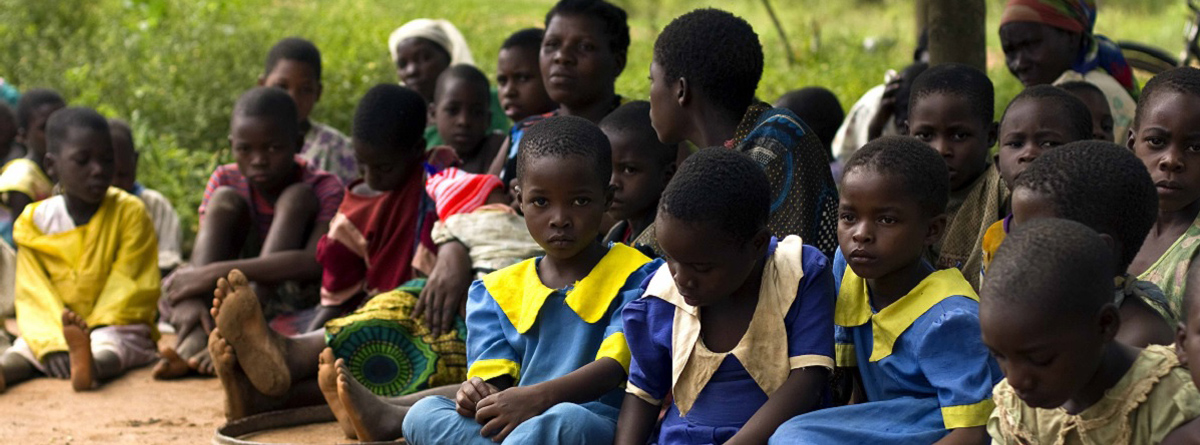
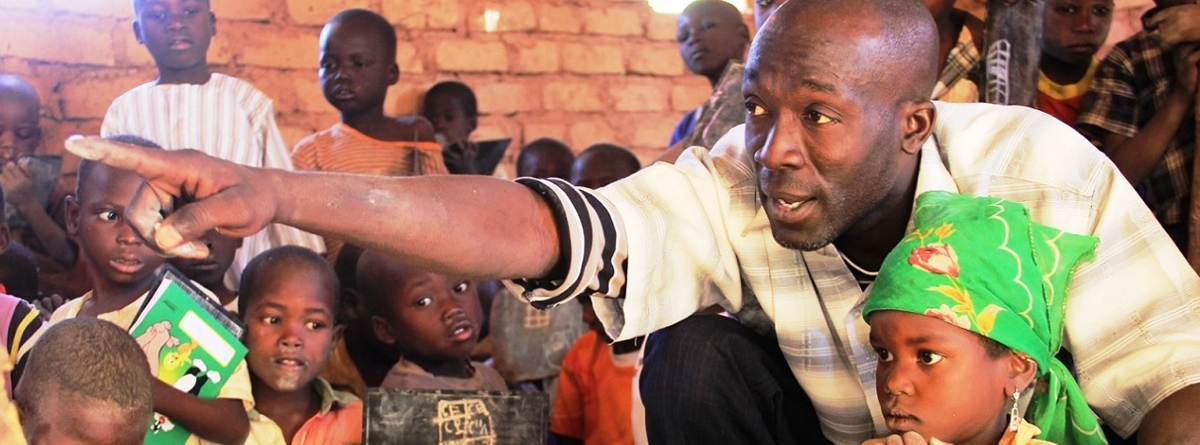
Education is a basic Human Right and the Diaspora World Cup global school
program focuses its
energy in some the poorest countries around the world. We build schools in some
of the poorest
countries around the worldthat historically had no adequate school structure.
Any member of the
World Diaspora has the power to end illiteracy around the world through the
power of soccer.
High-profile sport figures, global leaders, business leaders, political figure,
journalists,
activists, philanthropists, actors, and entrepreneurs united by their commitment
to the Diaspora
World Cup mission to eradicate illiteracy around the world through the power of
soccer. They serve
as role models and spread the Diaspora World Cup vision and commitment of a
world mobilized
through soccer.
Diaspora 2027: complete guide to all players | The Diaspora
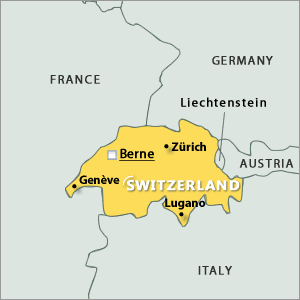
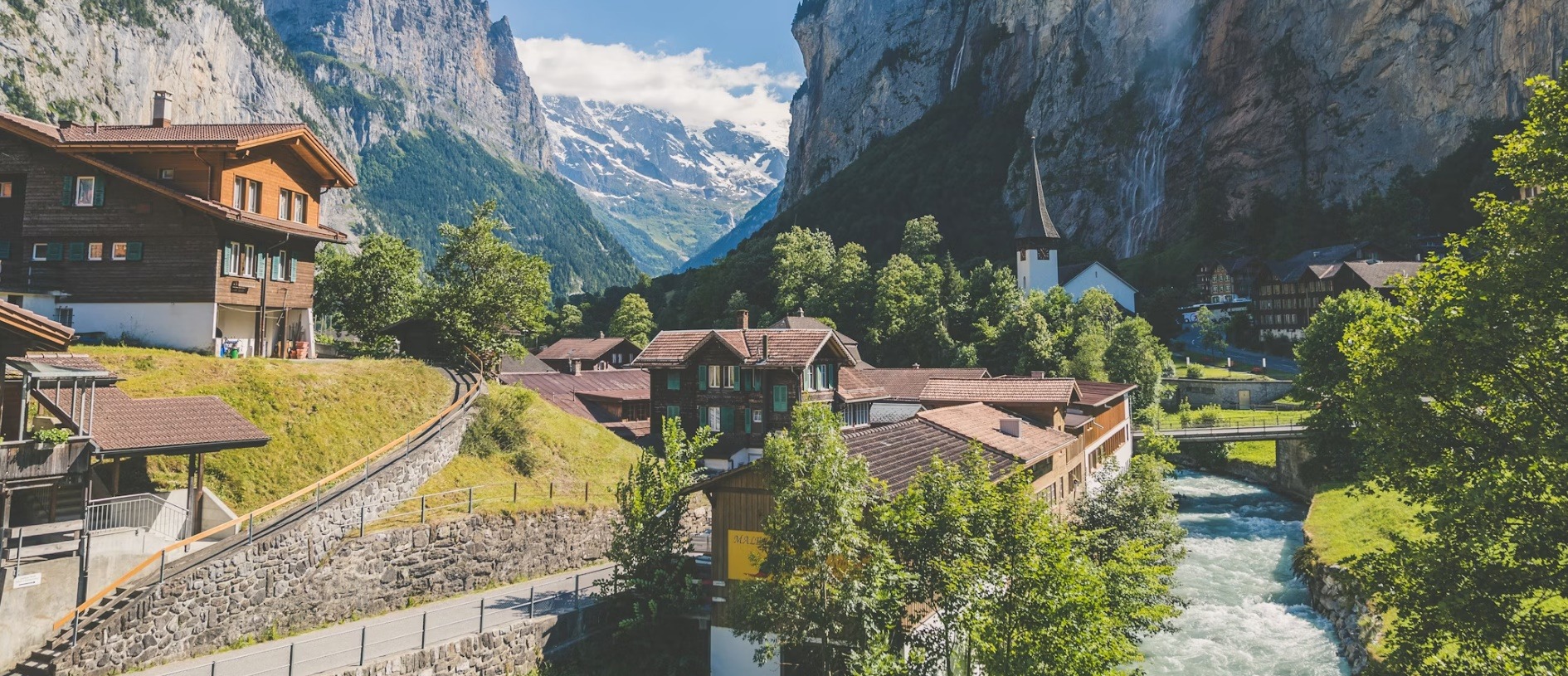
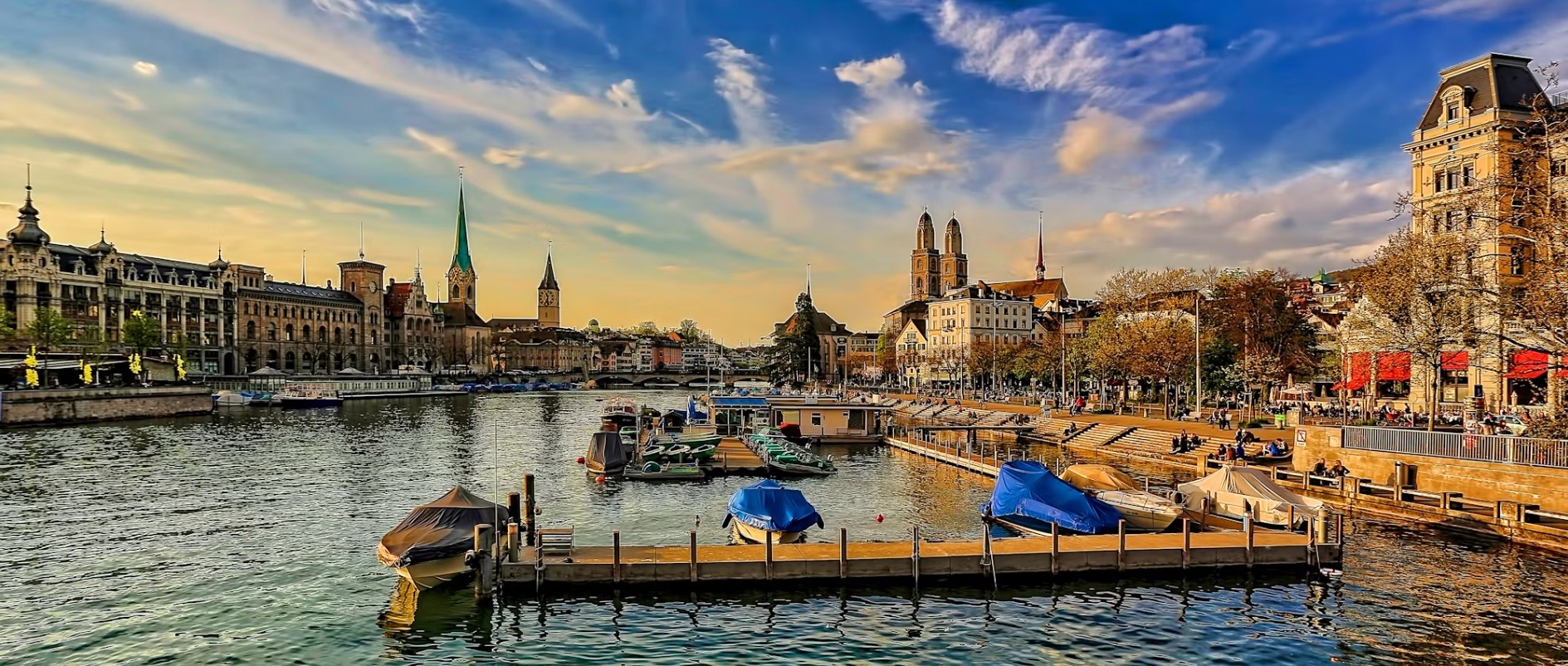
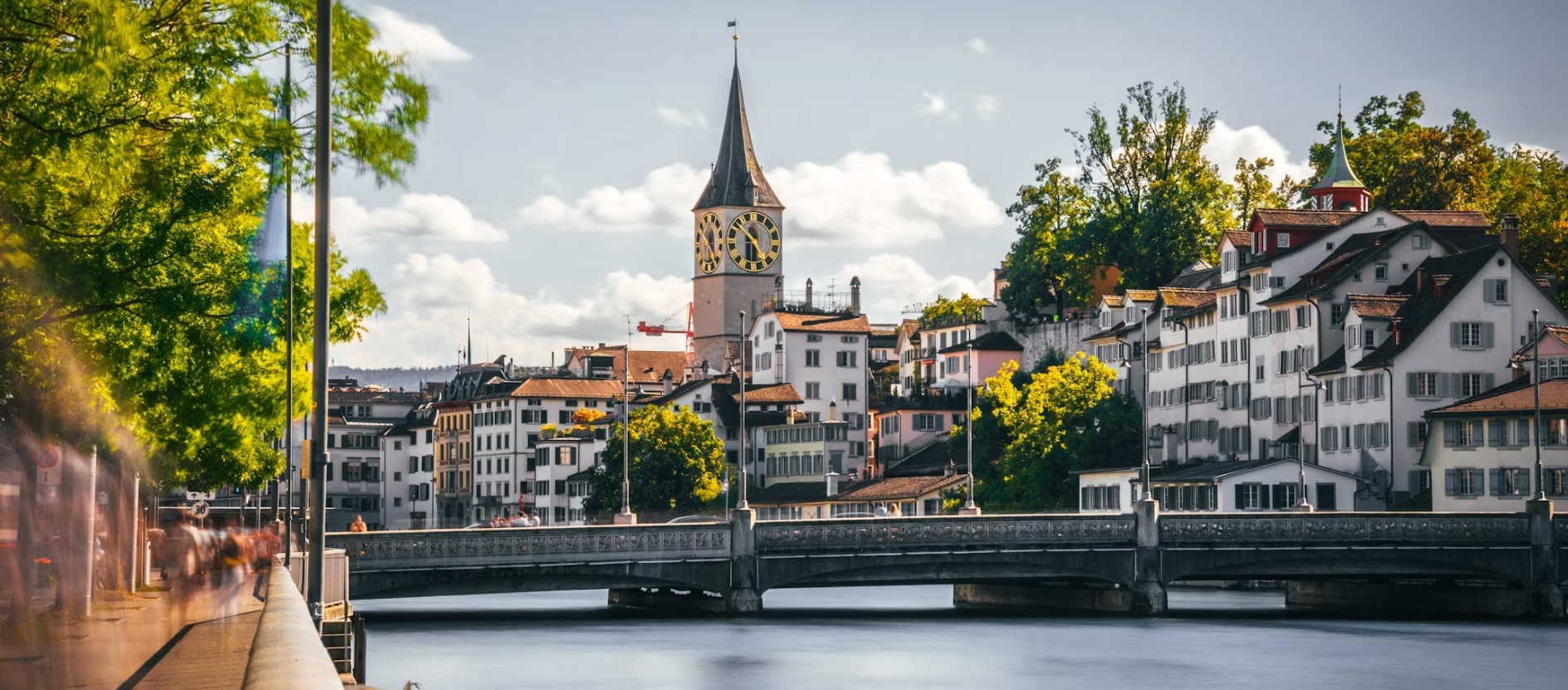
SWITZERLAND
Welcome to the 2028 Diaspora World Cup. Gaithersburg – M. Village
Gaithersburg – M. Village
Welcome to the 2028 Diaspora World Cup. Gaithersburg – M. Village
The Swiss diaspora in the DMV (District of Columbia, Maryland, and Virginia) region is a historic, tightly knit, and highly accomplished community. While early waves of 18th- and 19th-century Swiss pioneers historically built agricultural enclaves in the Midwest or California, the modern DMV population is distinctly characterized by diplomats, corporate executive...The Swiss diaspora in the DMV (District of Columbia, Maryland, and Virginia) region is a historic, tightly knit, and highly accomplished community. While early waves of 18th- and 19th-century Swiss pioneers historically built agricultural enclaves in the Midwest or California, th...
More Information
Chelsea Official
Download The 5th Stand, Chelsea’s official mobile app, to see exclusive content, match action and all the latest news from Stamford Bridge.
More Information
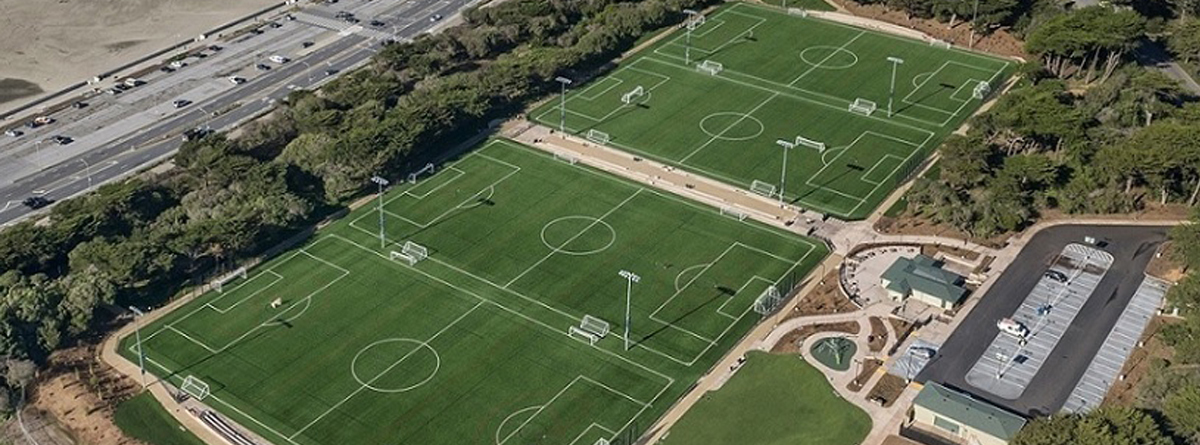
Street Soccer in Switzerland
Street soccer is a popular recreational activity in Switzerland, where children and teenagers regularly gather in neighbourhood parks, school playgrounds, public sports courts, residential areas, and community spaces to play informal football matches. These games offer young players an enjoyable way to stay active, improve their football skills, and spend quality time with friends in a friendly yet competitive environment.
The technical and fast-paced style of street soccer encourages precise passing, close ball control, creative dribbling, and intelligent movement. Playing in compact spaces helps participants sharpen their technique, improve confidence, strengthen teamwork, and develop quick decision-making while adapting to different playing surfaces.
Street soccer provides an accessible and affordable way for communities across Switzerland to enjoy football without requiring professional stadiums or advanced facilities. It promotes healthy lifestyles, strengthens local relationships, and motivates many young players to continue their football journey through schools, clubs, academies, futsal programmes, and organised competitions.
Street Soccer Culture in Switzerland
Football is one of the most popular sports in Switzerland, and street soccer is often where many children first develop their passion for the game. Informal matches organised by schools, friends, and local communities create an inclusive environment where players of different ages and skill levels can enjoy football while learning valuable sporting values.
Skills Developed Through Street Soccer
Street soccer helps players improve dribbling, first touch, passing accuracy, shooting technique, agility, balance, ball control, spatial awareness, and tactical understanding. Regular games also strengthen communication, creativity, confidence, composure, and the ability to make quick decisions during high-tempo play.
Street Soccer and Community Development
Street soccer brings Swiss communities together through football while encouraging teamwork, positive youth participation, and active lifestyles. It also provides aspiring players with valuable experience before progressing to school teams, local football clubs, academies, futsal programmes, or organised youth football competitions.
The SWITZERLAND in the DMV Metro
The Swiss diaspora in the DMV (District of Columbia, Maryland, and Virginia) region is a historic, tightly knit, and highly accomplished community. While early waves of 18th- and 19th-century Swiss pioneers historically built agricultural enclaves in the Midwest or California, the modern DMV population is distinctly characterized by diplomats, corporate executives, scientific researchers, tech innovators, and multilateral finance experts. The community seamlessly bridges traditional Alpine heritage with high-level professional engagement in the capital.
🏛️ The Historic Social Tissue: Swiss Club of Washington, D.C.
Community engagement and heritage preservation for Swiss-Americans in the region are primarily coordinated through a landmark civic institution:
Over a Century of Connection: Founded in January 1923, the Swiss Club of Washington, D.C.has served as the social heartbeat of the local diaspora. The club welcomes Swiss nationals, multi-generational Swiss-Americans, and local "friends of Switzerland" across the tri-state area.
Preserving Traditional Fêtes: The club organizes deeply authentic, seasonal Alpine traditions that offer a home away from home for expats. This includes the winter Fondue and Raclette evenings, competitive Jass Tournaments (a traditional Swiss card game), and the festive Samichlaus (St. Nicholas) Christmas parties.The Swiss Folklore Group: Operating as a prominent cultural offshoot since 1954, the Swiss Folklore Group of Washington D.C. preserves traditional Alpine musical forms, organizing folk dance classes, yodeling showcases, and alphorn performances at regional festivals
🎈 Landmark National Day and Cultural Gatherings
The Swiss diaspora commands a highly visible presence in the capital's public square through signature annual events:
Swiss National Day at the Embassy: Every summer, the Embassy of Switzerland opens its sprawling grounds on Cathedral Avenue NW to host the official Swiss National Day (August 1st) celebration. Drawing hundreds of local expats, the lawn fête features traditional Swiss sausages, regional wines, lantern-making workshops for children, and live accordion entertainment in a casual outdoor setting.
The Easter Egg Hunt: Another major collaborative fixture between the embassy and the Swiss Club of Washington, D.C. is the highly anticipated spring Easter Egg Hunt, providing an expansive outdoor venue for local families to mingle.
Significance
Swiss migration has generally reflected regional trade, military service, family relationships, religious conflict, poverty, limited agricultural land, education, professional employment, and the search for greater economic opportunities in Europe and overseas.
Swiss migration developed from long-established European traditions of travel, trade, farming, craftsmanship, marriage, military service, and family connections between neighbouring regions. Mountainous geography, limited farmland, population growth, and restricted employment encouraged many Swiss residents to leave their communities. From the late medieval period onward, Swiss soldiers, merchants, craftspeople, farmers, teachers, and religious communities travelled to France, Germany, Italy, Russia, and other European territories. During the nineteenth century, poverty and economic hardship encouraged larger numbers to settle in the United States, Canada, Brazil, Argentina, and Australia. Switzerland later changed from a country of emigration into an important destination for foreign workers. Swiss communities abroad continued to maintain close relationships with their homeland through family support, cultural associations, business networks, language, and traditional customs.
Swiss Migration Before the Federal State
Movement across the Swiss region existed centuries before the establishment of the modern federal state, as farmers, merchants, craftspeople, scholars, religious travellers, and soldiers crossed mountain passes in search of land, trade, education, security, and employment. Switzerland’s location between France, Germany, Italy, and Austria made it an important part of European commercial and transportation networks. From the late Middle Ages, many Swiss men served as mercenary soldiers in foreign armies because military service offered wages unavailable in their rural communities. Religious divisions following the Protestant Reformation also caused some Catholics and Protestants to relocate between Swiss cantons and neighbouring countries. During the eighteenth and nineteenth centuries, poverty, agricultural difficulties, and population growth encouraged families to establish settlements elsewhere in Europe and overseas. In 1848, the Swiss Confederation adopted a federal constitution that created the foundations of the modern Swiss state.
Twentieth-Century Migration
Swiss migration changed significantly during the twentieth century as industrial development, political stability, education, and international business transformed the country’s economy. Swiss citizens continued to move abroad for professional employment, trade, diplomacy, research, missionary activity, and family reunification. However, Switzerland increasingly became a destination for migrant workers. Railway construction and industrial expansion had already attracted workers from neighbouring countries by the late nineteenth century. After World War II, rapid economic growth created demand for labour in construction, manufacturing, hospitality, healthcare, and other industries. Large numbers of workers arrived from Italy, Spain, Portugal, Yugoslavia, Türkiye, and later other parts of Europe and the world. Swiss businesses, schools, religious organisations, cultural associations, and family networks helped migrants establish new lives while maintaining connections with their countries of origin. At the same time, Swiss communities abroad preserved their languages, regional identities, traditions, and close relationships with relatives living in Switzerland.
Lorem ipsum dolor sit amet, consectetur adipiscing elit, sed do eiusmod tempor incididunt ut
labore et dolore magna aliqua. Ut enim ad minim veniam, quis nostrud exercitation ullamco
laboris nisi ut aliquip ex ea commodo consequat. Duis aute irure dolor in
reprehenderit in voluptate velit esse cillum dolore eu fugiat nulla pariatur.
 Sign In







 Facebook
 X-Twitter
 Instagram
 Linkedin
 Youtube